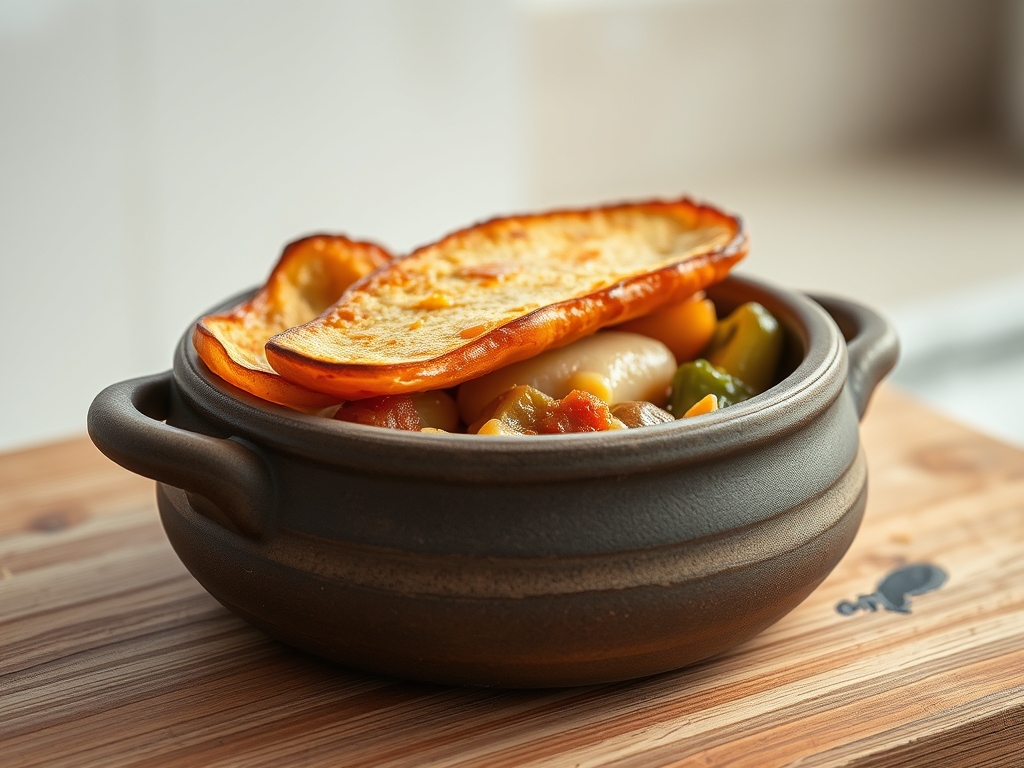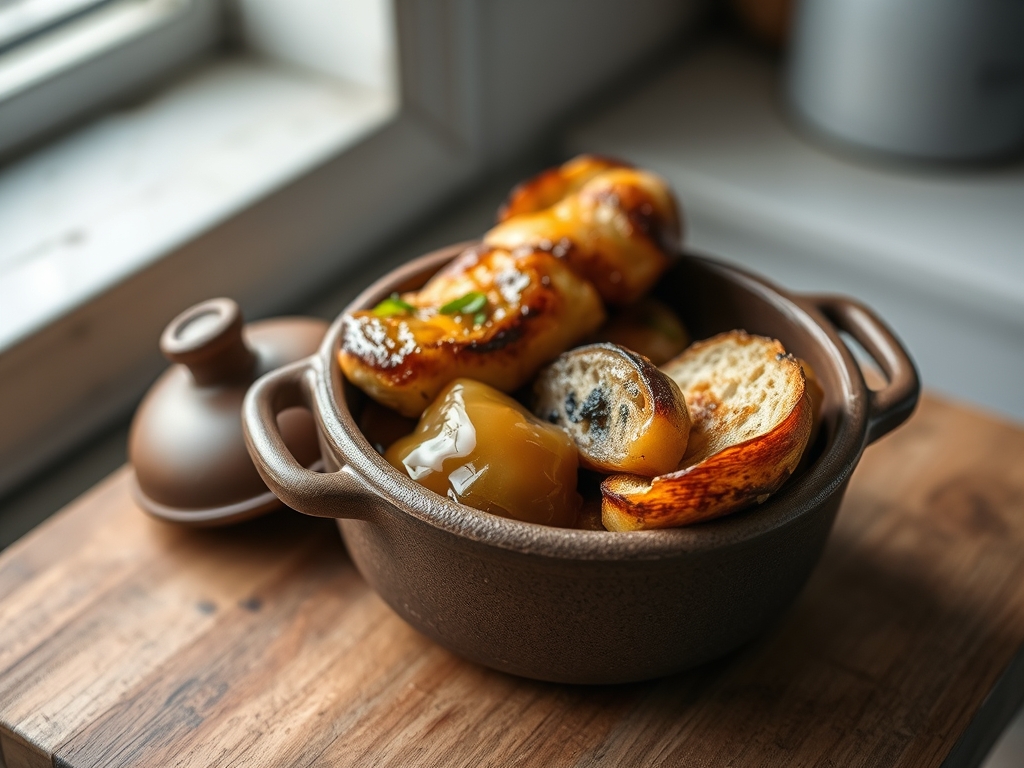
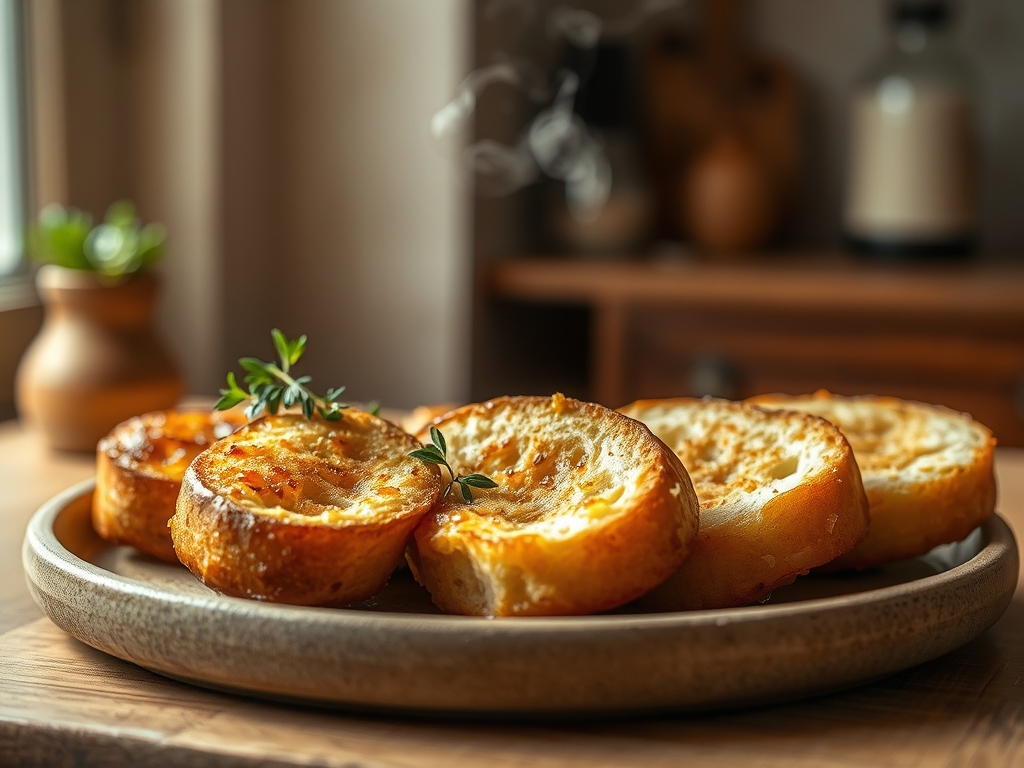
Stop treating your kitchen like a hobbyist's craft corner and start treating it like a high-output fermentation lab. When you crack open a cold bottle to dump into a bowl of flour, you are not just making a side dish; you are initiating a high-stakes gas-exchange event. Beer Bread Aeration is the primary driver of success here. We are leveraging the dissolved carbon dioxide and residual yeast metabolites in a malted beverage to force a rapid expansion of the gluten matrix. Forget the slow, agonizing rise of traditional sourdough. This is a mechanical and chemical blitzkrieg. The moment the liquid hits the dry mix, the clock starts ticking. You are racing against the escape of volatile gases. If you overwork the dough, you collapse the very tunnels of air that provide that signature craggy, rustic crumb. We want a loaf that looks like it was forged in a volcanic vent; jagged, golden, and possessing a structural integrity that can support a thick slab of salted butter without flinching.
THE DATA MATRIX
| Metric | Specification |
|---|---|
| Prep Time | 10 Minutes |
| Execution Time | 50 Minutes |
| Yield | 1 Standard Loaf (approx. 8-10 slices) |
| Complexity (1-10) | 3 |
| Estimated Cost per Serving | $0.85 |
THE GATHERS
Ingredient Protocol:
- 375g / 3 cups All-purpose flour (Sifted for maximum surface area)
- 12g / 1 tablespoon Baking powder (The secondary chemical lift)
- 6g / 1 teaspoon Fine sea salt
- 50g / 1/4 cup Granulated sugar (To fuel the Maillard reaction)
- 355ml / 12 fl oz Room temperature lager or ale (The carbonation engine)
- 115g / 1/2 cup Unsalted butter, melted (For the lipid-gold crust)
- 2g / 1/2 teaspoon Dried rosemary or thyme (Optional aromatic infusion)
Section A: Ingredient Quality Audit:
If your flour is clumpy or "dead," your crumb will be viscous and leaden rather than airy. Always use a digital scale to avoid the "packing" error of volume measurements. If your beer is ice-cold, it will shock the starches and inhibit the baking powder's activation. Ensure all liquids are at a minimum of 20 degrees Celsius. If using a non-alcoholic substitute, ensure it is highly carbonated; otherwise, the Beer Bread Aeration will fail, resulting in a dense brick. Use a high-quality butter with at least 82 percent butterfat to ensure the crust renders properly during the thermal phase.
THE MASTERCLASS
1. Dry Component Integration
Whisk the flour, baking powder, salt, and sugar in a large stainless steel bowl. Ensure the leavening agents are distributed with surgical precision to avoid "hot spots" of chemical bitterness.
Pro Tip: Use a fine-mesh sieve to aerate the flour before mixing. This increases the volume of the dry stack, allowing the beer to infuse the mixture more evenly without requiring excessive agitation.
2. The Carbonation Injection
Pour the entire 355ml of beer into the center of the dry well. Use a professional bench scraper or a heavy wooden spoon to fold the mixture. Stop the moment the last streak of flour disappears. The batter should look shaggy and uneven.
Pro Tip: Speed is your ally. The Beer Bread Aeration depends on the CO2 trapped in the foam. Every second you spend stirring is a second of gas lost to the atmosphere.
3. The Lipid Barrier
Pour half of your melted butter into the bottom of a 9×5 inch loaf pan. Transfer the batter into the pan, then pour the remaining butter directly over the top. This creates a frying effect in the oven, leading to a piquant, crunchy exterior.
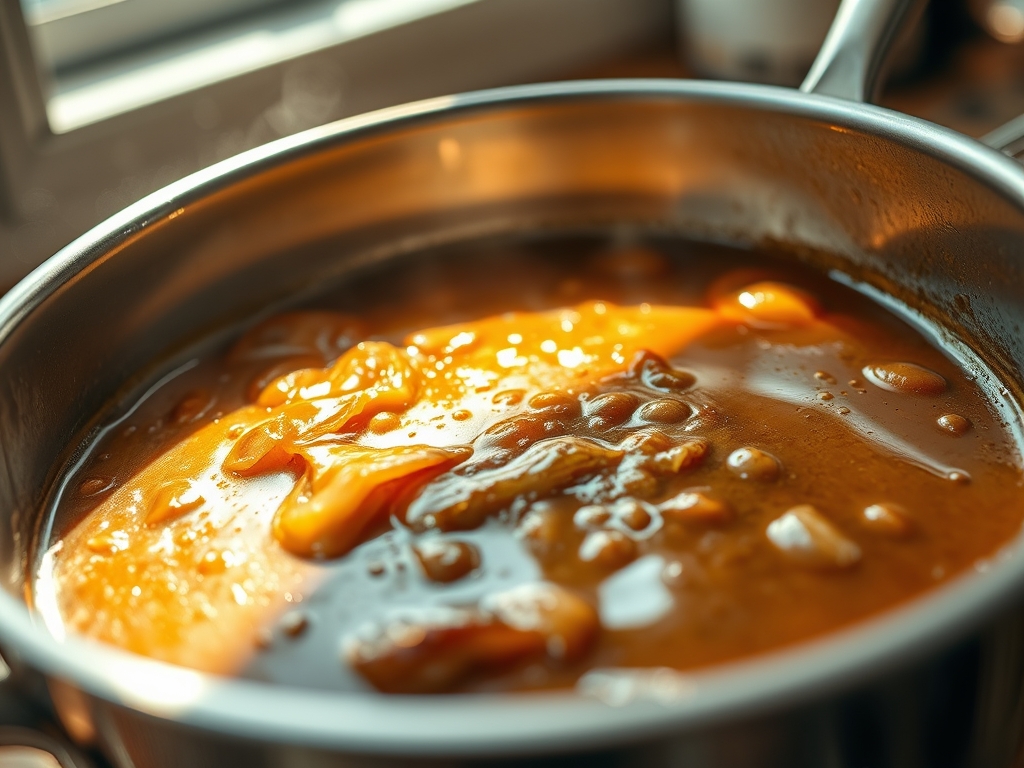
Pro Tip: Use a heavy-bottomed saucier to melt your butter. This allows you to monitor the milk solids; you can even push it to a "beurre noisette" (brown butter) stage for a deeper, nuttier flavor profile.
4. Thermal Execution
Place the pan into a preheated oven at 190 degrees Celsius (375 degrees Fahrenheit). Bake for 45 to 50 minutes. The internal temperature should register at 93 degrees Celsius (200 degrees Fahrenheit) on a digital probe thermometer.
Pro Tip: Do not open the oven door during the first 20 minutes. The initial "oven spring" relies on a stable thermal environment to set the cellular structure of the bread.
Section B: Prep & Timing Fault-Lines:
The most common failure is the "Over-Mix Collapse." If your batter looks smooth like cake frosting, you have already lost the war. You have overworked the gluten and squeezed out the gas. Another timing error is letting the batter sit on the counter. Once the beer hits the flour, the loaf must be in the oven within three minutes. Any delay results in a loss of the mechanical lift provided by the bubbles.
THE VISUAL SPECTRUM
Section C: Thermal & Visual Troubleshooting:
Referencing the Masterclass photo, you should see a "topographical" crust with deep ridges and a glistening, golden-brown finish. If your loaf is pale and smooth, your oven temperature was likely too low, or you skipped the sugar, which is essential for the Maillard reaction. If the center is "gummy" despite a dark crust, your butter was likely too hot when added, or you failed to let the loaf rest. A 15-minute rest post-bake is mandatory; this allows the internal steam to redistribute, preventing a soggy core. If the bread is crumbly and falls apart, you likely under-measured the liquid or over-measured the flour.
THE DEEP DIVE
Macro Nutrition Profile
A standard slice contains approximately 190 calories, 3g protein, 24g carbohydrates, and 9g fat. The glycemic index is moderate, though the inclusion of whole-grain malts in darker beers can slightly increase the fiber content and micronutrient density.
Dietary Swaps
- Vegan: Replace the butter with a high-quality avocado oil or vegan butter alternative. The beer is already vegan-friendly in most commercial instances.
- Gluten-Free: Use a 1:1 GF flour blend containing xanthan gum. Note that Beer Bread Aeration is harder to achieve without gluten; increase baking powder by 25 percent.
- Keto: This is a high-carb system by nature. A keto version requires almond flour and egg whites for structure, though the "beer" flavor must come from extracts as real beer contains too many sugars.
Meal Prep & Reheating Science
To maintain the molecular structure, store the loaf in a paper bag at room temperature for up to two days. Avoid refrigeration, as this accelerates starch retrogradation (staling). To reheat, use a toaster oven to re-crisp the lipid-heavy crust. Microwaving is forbidden; it will turn the delicate crumb into a rubbery mess.
THE KITCHEN TABLE
Why is my beer bread so dense?
You likely over-mixed the batter or used flat beer. The Beer Bread Aeration process requires active carbonation and a light hand to keep the gas trapped within the flour matrix.
Can I use dark stout instead of lager?
Absolutely. Stouts provide a deeper, molasses-like flavor and a darker hue. However, the higher sugar content in stouts may cause the crust to brown faster, so monitor the oven closely.
Does the alcohol stay in the bread?
Most of the ethanol evaporates during the 50-minute bake. What remains are the complex esters and malt flavors that provide the bread with its unique, artisanal profile.
My crust is too hard to cut. What happened?
This is usually caused by an excess of butter on the top layer or over-baking. Use a high-quality serrated bread knife and a sawing motion rather than pressing down.