The scent hits you before the steam does; it is the smell of ancient geology meeting high-energy chemistry. We are talking about the structural backbone of Mesoamerican civilization. When you master the Corn Tortilla Nixtamal, you are not just cooking; you are performing an alkaline overhaul of a stubborn grain. The process involves soaking dried kernels in a solution of calcium hydroxide, which triggers a molecular metamorphosis. This is the nixtamalization process. It strips away the hemicellulose from the corn cell walls, releasing niacin and transforming a brittle seed into a pliable, nutrient-dense dough. Without this specific chemical intervention, you are merely eating ground corn. With it, you possess a substance capable of cohesive elasticity and a complex, earthy aroma that defines the very concept of a taco. This is technical infrastructure at its finest. We are looking for that perfect balance of moisture and structural integrity. Forget the store-bought dust. We are building a foundation from the kernel up, ensuring every disk achieves that legendary three-layer puff on the comal.
THE DATA MATRIX
| Metric | Specification |
|---|---|
| Prep Time | 20 Minutes (Active) |
| Execution Time | 12 to 18 Hours (Soaking/Steeping) |
| Yield | Approximately 24 Tortillas |
| Complexity (1-10) | 7 (Precision is Paramount) |
| Estimated Cost per Serving | $0.12 USD |
THE GATHERS
Ingredient Protocol:
- 500g / 3 cups Dried Dent Corn (Field Corn)
- 5g / 1.5 tsp Food-Grade Lime (Calcium Hydroxide/Cal)
- 1.5L / 6.3 cups Filtered Water (For the steep)
- 5g / 1 tsp Sea Salt (Optional for seasoning the masa)
- Additional Filtered Water (For grinding and hydration adjustment)
Section A: Ingredient Quality Audit:
If your corn kernels are fractured or dusty, your final masa will be viscous in all the wrong ways. Sub-par corn lacks the starch density required for a proper "puff." The fix is a rigorous pre-wash. Agitate the kernels in a large bowl and skim off any floaters; these are low-density grains that will ruin your texture. If your food-grade lime is old, it may have reacted with ambient CO2 to become calcium carbonate, which is useless for nixtamalization. Always store your Cal in an airtight container. If the corn remains tough after the steep, your alkaline concentration was likely too low. Increase the lime by 2 grams in your next batch to ensure the pericarp (the outer skin) fully dissolves.
THE MASTERCLASS
1. The Alkaline Solution
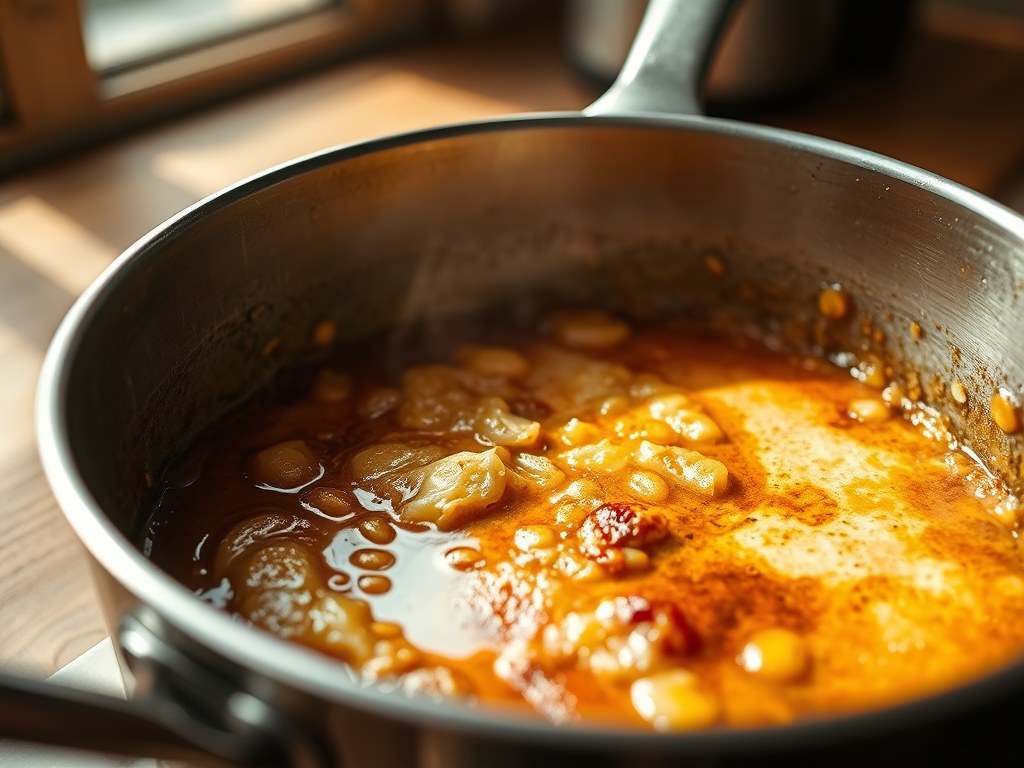
Combine your filtered water and calcium hydroxide in a stainless steel saucier or large pot. Whisk until the powder is fully dissolved. Do not use aluminum; the high pH of the lime will react with the metal and impart a metallic tang to your Corn Tortilla Nixtamal. Bring the solution to a rolling boil.
Pro Tip: The science here is about breaking down the hemicellulose. Using a digital scale to measure your lime to the gram is non-negotiable. Even a slight variance can lead to a "soapy" flavor or a failure to soften the grain.
2. The Simmer and Steep
Add the cleaned corn to the boiling solution. Reduce the heat and simmer for 15 to 45 minutes depending on the hardness of the corn. You are looking for the "al dente" moment where the skin slips off easily but the core remains firm. Turn off the heat, cover, and let it rest for 12 hours.
Pro Tip: This resting period is when the calcium ions penetrate the starch granules. A thermometer can help you monitor the cooling curve; a slow descent in temperature ensures the corn hydrates evenly without becoming mushy.
3. The Wash and Rinse
Drain the corn into a colander. Rub the kernels vigorously under cold running water to remove the "nejayote" (the leftover yellow liquid) and the loose skins. Do not remove every single trace of skin; a little bit provides character and structural grip.
Pro Tip: Use a bench scraper to help move large quantities of corn during the rinsing process. The goal is to reach a state where the kernels feel tacky but not slimy.
4. The Precision Grind
Feed the corn through a volcanic stone mill (molino) or a high-powered food processor. Add water one tablespoon at a time. You are looking for a dough that is smooth, non-sticky, and holds a thumbprint without cracking.
Pro Tip: The friction of the grind generates heat. If using a processor, pulse in short bursts to avoid "cooking" the starch prematurely, which would prevent the dough from being able to aerate during the final cook.
5. The Comal Execution
Divide the masa into 30g balls. Press them between sheets of plastic using a heavy tortilla press. Lay the tortilla onto a preheated cast iron comal (500 degrees F). Flip after 30 seconds, then again after 60 seconds.
Pro Tip: The second flip is the catalyst. The internal moisture turns to steam, causing the tortilla to puff. This indicates a perfect gelatinization of the starches. Use a digital infrared thermometer to ensure your surface temperature remains consistent across the entire comal.
Section B: Prep & Timing Fault-Lines:
Timing is the silent killer. If you steep the corn for too long (over 24 hours), the kernels will over-hydrate and turn into a gummy paste that sticks to your press. If you don't steep long enough, the center of the kernel remains a "white heart" of raw starch, resulting in a gritty texture. Temperature control is equally vital. If your comal is too cold, the tortilla dries out before it puffs. If it is too hot, the exterior chars before the interior structure sets. Always perform a "test press" to calibrate your heat settings.
THE VISUAL SPECTRUM
Section C: Thermal & Visual Troubleshooting:
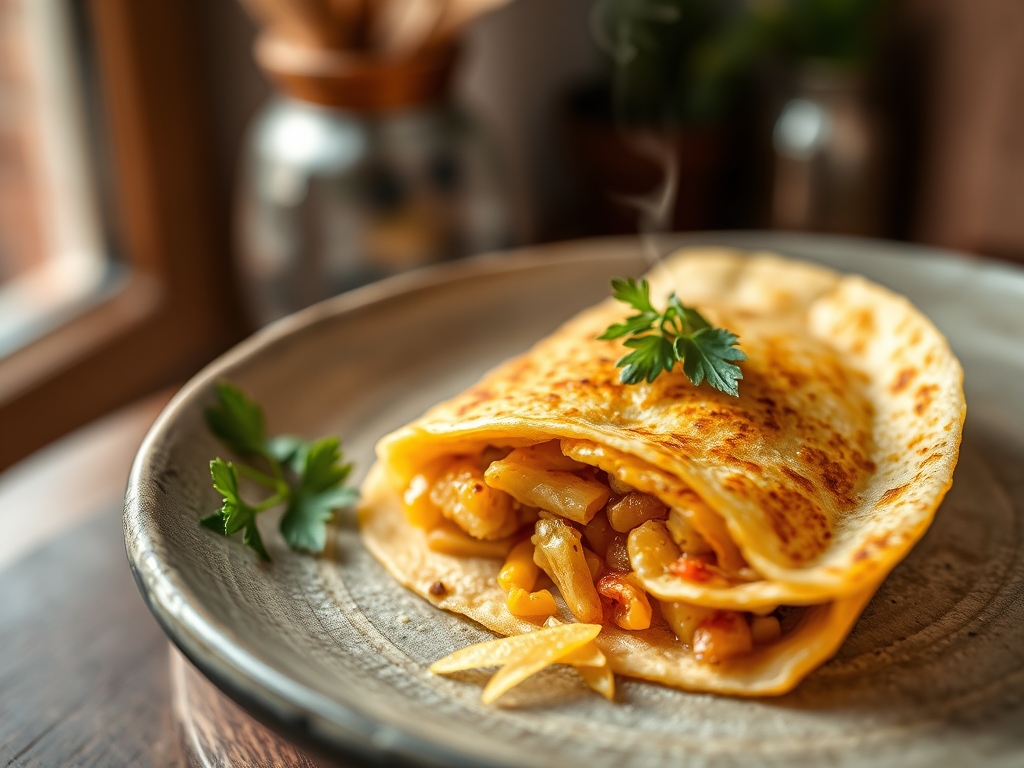
Referencing the Masterclass photo, your Corn Tortilla Nixtamal should exhibit a soft, matte finish with "leopard spotting" (small, dark toasted points). If your tortillas look translucent or grey, your lime concentration was too high; the excess alkalinity is scorching the sugars. If they appear dull and cracked like dry earth, your hydration level is insufficient. You must infuse the dough with more water during the kneading phase. If the tortillas are pale and refuse to color, your heat is too low to trigger the Maillard reaction. Increase the flame and wait for the surface to slightly render its moisture before the first flip.
THE DEEP DIVE
Macro Nutrition Profile
Nixtamalized corn is a nutritional powerhouse compared to raw corn. A 100g serving of fresh masa provides approximately 200 calories, 4g of protein, and 3g of fiber. Most importantly, the lime treatment makes B vitamins and minerals bioavailable, while significantly lowering the glycemic index of the grain.
Dietary Swaps
- Vegan: Pure corn nixtamal is inherently vegan.
- Keto: While corn is high-carb, you can blend 50% masa with almond flour and xanthan gum to reduce the net carb count, though the "puff" will be compromised.
- GF: Corn is naturally gluten-free, but ensure your "Cal" and corn sources are certified to avoid cross-contamination.
Meal Prep & Reheating Science
To maintain molecular structure, store fresh tortillas in a cloth-lined basket inside a plastic bag. To reheat, avoid the microwave as it causes the starch to retrogress and become rubbery. Instead, use a dry skillet to re-steam the internal moisture, effectively "re-gelatinizing" the starches for a supple texture.
THE KITCHEN TABLE
Why does my masa feel like wet sand?
Your grind is too coarse or your corn was under-steeped. The starch hasn't been released to act as a binder. Return it to the mill or processor with a teaspoon of warm water and process until smooth.
Can I use popcorn for nixtamal?
Technically yes, but the pericarp is extremely thick. It requires a longer boil and more lime. The resulting flavor is intensely nutty but the yield is lower due to the smaller kernel size.
What is the "nejayote" and can I use it?
Nejayote is the leftover alkaline soaking water. While traditionally discarded, some modern chefs use it in small quantities to deglaze pans for a deep, mineral-rich sauce base, though it is an acquired taste.
My tortillas won't puff. What happened?
The puff is a steam-driven event. If your dough is too dry, there is no steam. If your comal is too cold, the steam escapes slowly. Ensure high heat and proper hydration for that perfect inflation.