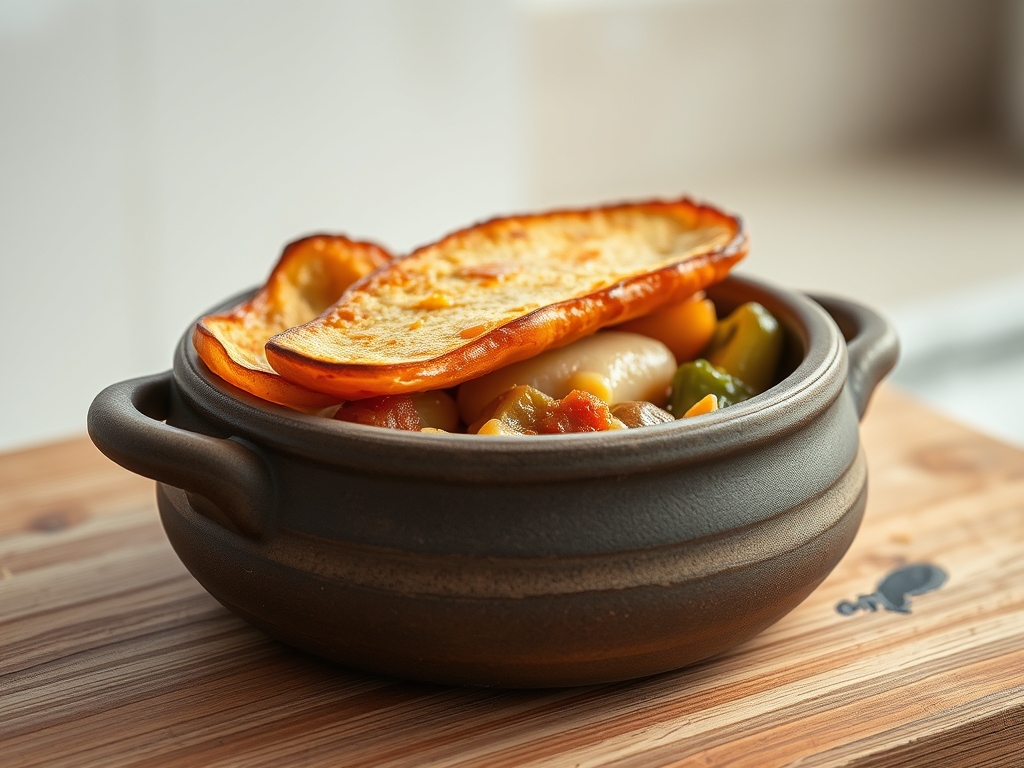
Imagine the sound of a heavy wooden spoon slapping against a stainless steel bowl; it is the rhythmic heartbeat of a Swabian kitchen. We are not just making noodles. We are engineering a high viscosity fluid that defies the standard rules of gravity. The air is thick with the scent of toasted flour and the sharp, metallic tang of boiling water. This is the audit of the perfect drop. To achieve the legendary Spatzle Batter Flow, you must master the delicate balance between liquid hydration and gluten development. If the batter is too thin, it dissolves into a cloudy soup; if it is too dense, you are left with leaden pellets that sink like stones. We are looking for that specific, slow-motion stretch where the dough clings to the board before surrendering to the steam. It is a violent, beautiful transformation from a sticky mess to a golden, bouncy dumpling. Put down the pre-packaged pasta and pick up your scraper. We are going deep into the mechanics of the extrusion process.
THE DATA MATRIX
| Metric | Specification |
|---|---|
| Prep Time | 15 Minutes |
| Execution Time | 10 Minutes |
| Yield | 4 Standard Servings |
| Complexity | 6 / 10 |
| Estimated Cost per Serving | $0.85 USD |
THE GATHERS
Ingredient Protocol:
- 400g / 3.25 cups All-purpose flour (High protein preferred)
- 4 large eggs / 200ml (Room temperature)
- 120ml / 0.5 cup Whole milk or sparkling water
- 5g / 1 tsp Fine sea salt
- 2g / 0.5 tsp Freshly grated nutmeg
- 30g / 2 tbsp Unsalted butter (For the final sear)
Section A: Ingredient Quality Audit:
If your flour has a low protein content, the Spatzle will lack the structural integrity to withstand the boil. Technical Fix: Replace 10% of your all-purpose flour with bread flour to increase the gluten network. If your eggs are cold from the refrigerator, they will not emulsify properly with the flour. Technical Fix: Place eggs in a warm water bath for five minutes before cracking to ensure the lipids integrate seamlessly. If the dough feels "short" or breaks easily, your hydration is off. Ensure you use a digital scale for the flour; volume measurements are the enemy of consistency.
THE MASTERCLASS
1. The Aeration Phase
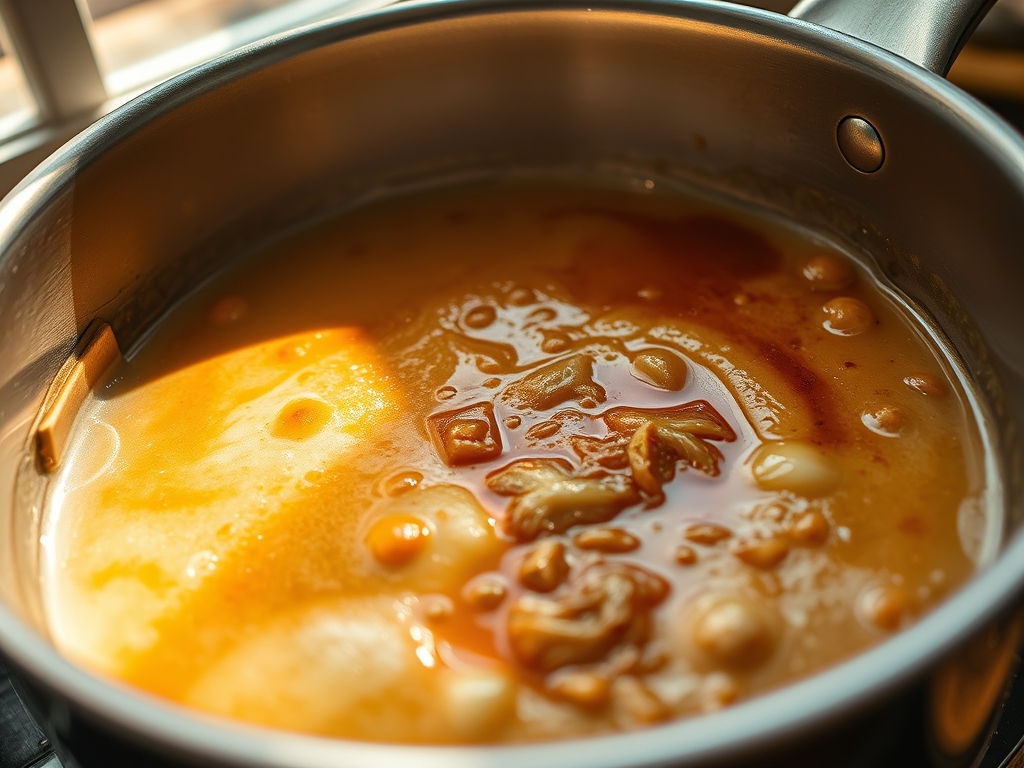
Combine your flour, salt, and nutmeg in a large bowl. Create a well in the center and add your eggs and half of the liquid. Using a sturdy wooden spoon or a bench scraper, begin to beat the mixture vigorously. You are not just mixing; you are trying to aerate the batter to incorporate tiny oxygen pockets.
Pro Tip: The science here is about mechanical energy. By beating the dough until it "bubbles" or makes a slapping sound, you are developing the gluten while simultaneously trapping air. This ensures the final product is light rather than dense.
2. Calibrating the Spatzle Batter Flow
Slowly incorporate the remaining liquid. The goal is a batter that is elastic and viscous. Lift your spoon; the batter should hang for a second and then fall in a slow, thick ribbon that holds its shape for a moment in the bowl.
Pro Tip: Use a saucier or a small pot to test a single drop in boiling water. If it shatters, add more flour. If it stays a hard ball, add a teaspoon of milk. Professional chefs call this "tuning the dough" to account for daily humidity changes.
3. The Extrusion Event
Bring a large pot of salted water to a rolling boil. Use a Spatzle plane or a flat board and a bench scraper to flick small strips of dough into the water. Work in small batches to prevent the water temperature from dropping too sharply.
Pro Tip: The Leidenfrost effect is not at play here, but thermal mass is. If you overcrowd the pot, the starch will gelatinize into a single mass. Keep the water at a violent boil to ensure immediate surface coagulation of each noodle.
4. The Shock and Sear
Once the noodles float to the surface (usually 2 to 3 minutes), use a slotted spoon to transfer them to a colander. Rinse briefly with cold water to stop the cooking. Melt butter in a heavy skillet until it begins to render and foam. Toss the noodles in the fat until the edges are crisp.
Pro Tip: This final step utilizes the Maillard reaction. The sugars and proteins in the flour brown in the butter fat, creating a piquant and nutty flavor profile that boiled dough alone cannot achieve.
Section B: Prep & Timing Fault-Lines:
The most common failure is the "Resting Trap." If you let the batter sit for more than 30 minutes, the gluten relaxes too much and the Spatzle Batter Flow becomes too runny. If you find the dough has thinned out, whisk in a tablespoon of flour to regain the viscosity. Conversely, if the water is not at a full boil, the noodles will sink and stick to the bottom. Always verify the boil before the first drop.
THE VISUAL SPECTRUM
Section C: Thermal & Visual Troubleshooting:
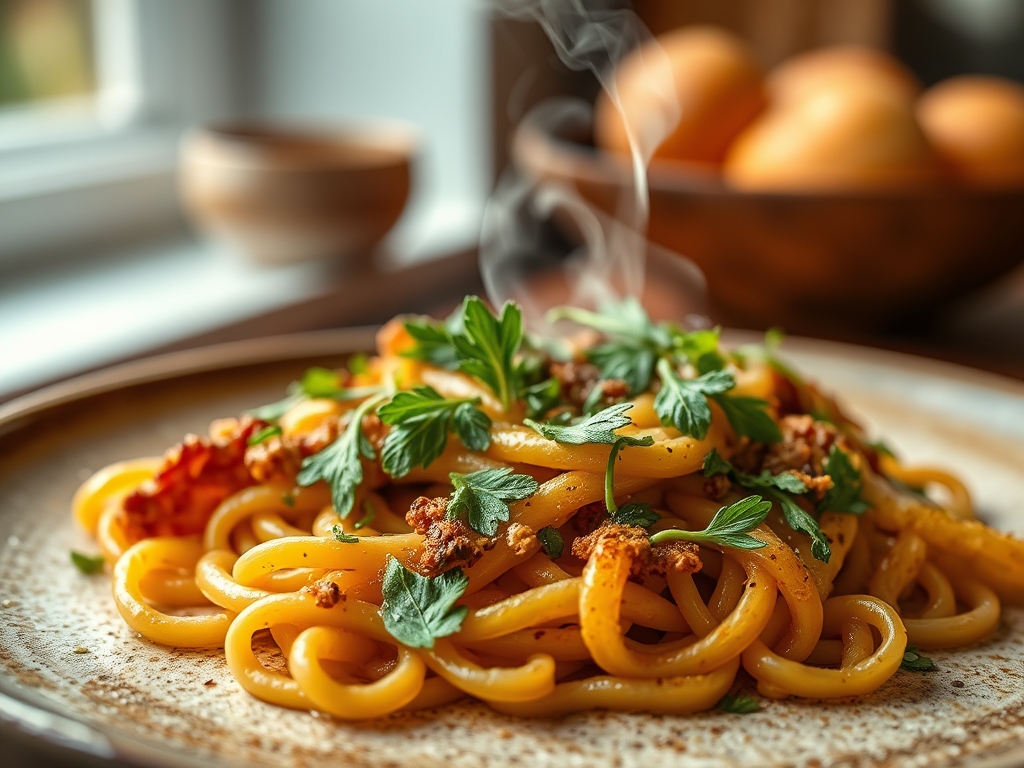
Look at the Masterclass photo: the noodles should have irregular, "torn" edges rather than perfect geometric shapes. This surface area is essential for holding sauce. If your noodles look grey or dull, you have under-salted the water. The water should be as salty as the sea to infuse the dough during the rapid hydration phase. If the browning is uneven in the pan, your butter was not fully melted or the pan was overcrowded. Ensure each noodle has contact with the hot surface to achieve that characteristic golden-brown hue.
THE DEEP DIVE
Macro Nutrition Profile:
A standard serving provides approximately 350 calories, 12g of protein, 55g of carbohydrates, and 8g of fat. The high egg content provides a superior amino acid profile compared to standard water-based pastas.
Dietary Swaps:
- Vegan: Replace eggs with a "flax egg" and use sparkling water for lift, though the texture will be less "bouncy."
- Gluten-Free: Use a high-quality 1:1 GF flour blend with added Xanthan gum to mimic the viscous nature of wheat gluten.
- Keto: This is a starch-heavy dish; however, almond flour and mozzarella "fat-head" dough can be extruded, though the Spatzle Batter Flow will be significantly different.
Meal Prep & Reheating Science:
To maintain the molecular structure, store cooked Spatzle in a sealed container with a light coating of oil. When reheating, do not use a microwave; it will turn the starch rubbery. Instead, deglaze a pan with a splash of water or stock and toss the noodles over medium heat to re-hydrate the protein matrix.
THE KITCHEN TABLE
Why is my batter sticking to the Spatzle maker?
You likely skipped the cold water dip. Dip your tools into the boiling water or cold tap water before each batch. This creates a microscopic steam barrier that prevents the viscous dough from bonding to the metal surfaces.
Can I use a colander instead of a Spatzle plane?
Absolutely. Use a wooden spoon to push the batter through the holes of a large-holed colander. This creates "Knopfle," which are small, button-shaped dumplings. The physics of the Spatzle Batter Flow remains identical regardless of the tool.
Why did my Spatzle turn out mushy?
You likely overcooked them or failed to shock them in cold water. Spatzle only need about 30 seconds of floating time before they are structurally sound. Always finish them in a pan to ensure a firm, al dente bite.
Is nutmeg really mandatory?
Technically, no; but chemically, it provides a volatile aromatic compound that cuts through the richness of the eggs and butter. It is the signature piquant note that defines the traditional flavor profile of the dish.