Listen up, starch architects and gluten engineers. We are not just boiling dough; we are conducting a high-stakes structural audit on the very foundation of the bowl. When you lift a cluster of strands from a steaming tonkotsu broth, that specific snap, that yellow hue, and 그 slippery resilience are not accidents of fate. They are the direct result of a calculated chemical intervention known as Ramen Noodle Kansui. Without this alkaline solution, you are merely eating soggy Italian pasta in a sad puddle of pork water. We are here to talk about the molecular transformation of wheat protein. When the pH of your dough climbs north of 9.0, the flavonoid pigments in the flour awaken, shifting from a dull white to a vibrant, pale gold. This is the alchemy of the noodle. We are hunting for that perfect "koshi" or bite; a resistance that fights back against the teeth before surrendering. If your noodle network lacks integrity, your entire culinary infrastructure collapses. Let us calibrate the equipment and stabilize the proteins.
THE DATA MATRIX
| Metric | Specification |
|---|---|
| Prep Time | 30 Minutes |
| Execution Time | 45 Minutes (plus resting) |
| Yield | 4 Standard Servings |
| Complexity (1-10) | 8 (Precision Required) |
| Estimated Cost per Serving | $1.25 USD |
THE GATHERS
Ingredient Protocol:
- 500g / 4 cups High-Protein Bread Flour (13% protein minimum)
- 5g / 1 tsp Potassium Carbonate (Kansui powder)
- 2g / 0.5 tsp Sodium Carbonate (Baked baking soda)
- 175ml / 0.75 cups Filtered Water (Room temperature)
- 5g / 1 tsp Fine Sea Salt
- Extra starch for dusting (Potato or Cornstarch)
Section A: Ingredient Quality Audit:
The primary failure point in most domestic audits is the "All-Purpose" flour trap. Low protein content leads to a flaccid network that cannot withstand the high-heat immersion of broth. If your flour is under 11% protein, you must infuse the mix with vital wheat gluten to boost the structural load. Furthermore, if your water is excessively "hard" with calcium deposits, it can interfere with the solubility of the Ramen Noodle Kansui. Use filtered water to ensure the alkaline salts can fully render the gluten strands into their desired elastic state. If the dough feels gritty, your salts have not fully dissolved; you must whisk the alkaline solution until it is perfectly viscous and clear before introducing it to the flour.
THE MASTERCLASS
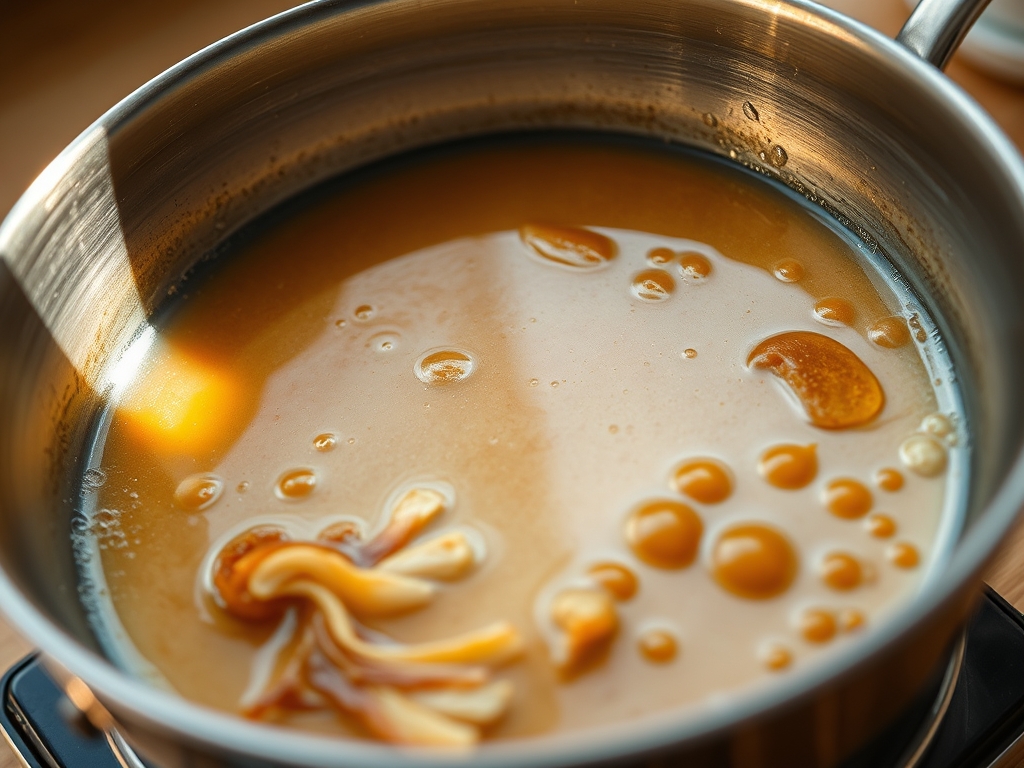
1. The Alkaline Solution Synthesis
Dissolve the potassium carbonate, sodium carbonate, and sea salt into your measured water. Use a small saucier or glass beaker to ensure no residue remains at the bottom. The water should feel slightly slippery to the touch.
Pro Tip: This is the "Kansui" magic. The potassium carbonate provides the hardness and snap, while the sodium carbonate provides the yellow tint and slippery mouthfeel. Use a digital scale accurate to 0.1g for this step; a single gram off will ruin the pH balance.
2. The Hydration Phase
Place your flour in a wide bowl. Slowly drizzle the alkaline solution over the flour while stirring rapidly with chopsticks or a bench scraper. You are looking for small, pea-sized crumbles, not a solid mass.
Pro Tip: This is called "Soboro" in Japanese technique. By keeping the particles small, you ensure even hydration of the gluten without over-working specific sections. This prevents "hot spots" of toughness in the final strand.
3. The Compression and Rest
Gather the crumbles into a plastic bag and use your body weight to press them into a flat sheet. Let this "mat" rest for at least 30 minutes at room temperature.
Pro Tip: Resting allows the water to migrate into the center of the starch granules. If you skip this, your noodles will have a white, chalky core after boiling. The enzymes need time to aerate and relax the initial tension.
4. The Laminating Process
Fold the dough sheet over itself and run it through a heavy-duty pasta roller at the widest setting. Repeat this 3 to 5 times until the sheet is smooth and uniform.
Pro Tip: This is mechanical gluten development. Each pass through the rollers aligns the protein chains in a single direction, creating the "snap" that defines high-quality Ramen Noodle Kansui applications.
5. Precision Cutting and Curing
Roll the sheet to your desired thickness (usually setting 5 or 6) and run it through the cutter. Toss the strands immediately in potato starch to prevent sticking. Place them in a sealed container in the fridge for 24 hours.
Pro Tip: Fresh noodles are actually inferior. A 24-hour "aging" period allows the pH to stabilize and the flavor to deepen. This is where the piquant aroma of the alkaline salts mellows into a professional bouquet.
Section B: Prep & Timing Fault-Lines:
The most common human error is the "Panic Boil." If you drop cold noodles directly from the fridge into the pot, the water temperature plunges, leading to a gummy exterior. Always bring your noodles to room temperature for 15 minutes before the plunge. Additionally, timing is binary. A 1.5mm noodle is perfect at 110 seconds but ruined at 140 seconds. Use a digital timer and a bench scraper to move the noodles quickly from the boiling water into the serving bowl. If the noodles are sticking together during the boil, you likely under-dusted them with starch during the cutting phase.
THE VISUAL SPECTRUM
Section C: Thermal & Visual Troubleshooting:
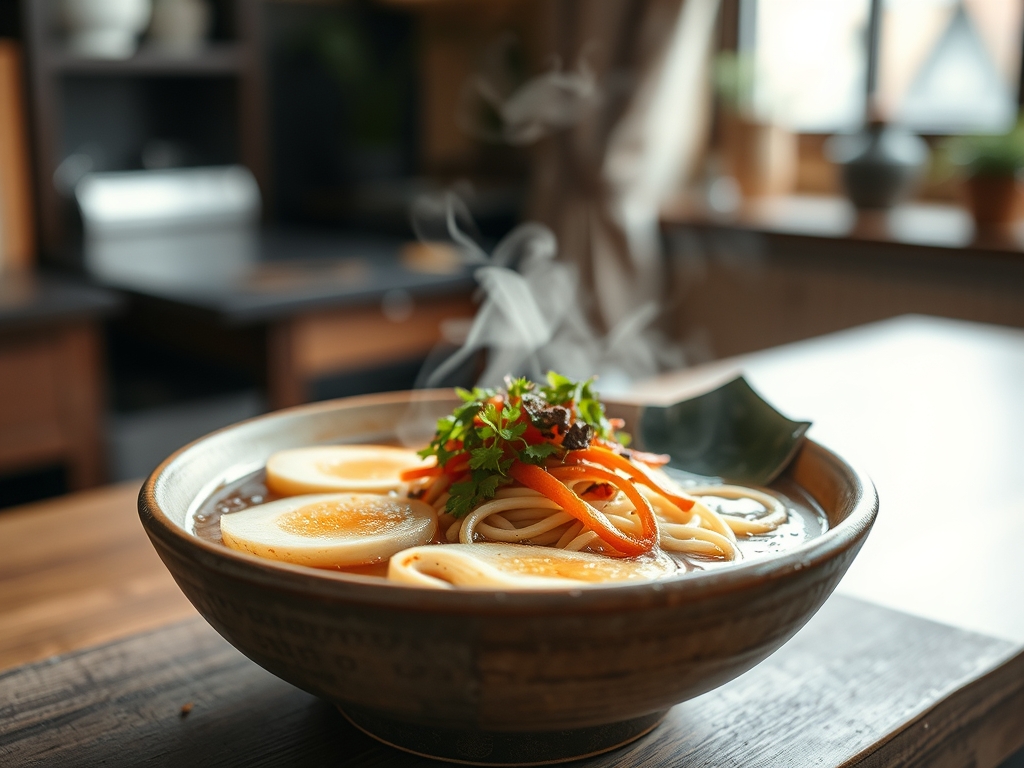
Look at the Masterclass photo above. Notice the tight, springy curls and the subtle, translucent yellow glow. If your noodles appear "flat" or dull, your alkaline concentration was too low. If they are turning a dark, brownish-grey, you have over-alkalized the dough, and the minerals are oxidizing. Uneven browning or "spots" on the noodle suggest the Ramen Noodle Kansui solution was not fully dissolved before mixing. The texture should look "tight" and slightly shiny. If the surface looks fuzzy or frayed, your roller blades are dull, or your hydration was too high, causing the dough to tear rather than cut.
THE DEEP DIVE
Macro Nutrition Profile:
A standard 150g serving of these noodles provides approximately 380 calories, 12g of protein, 75g of carbohydrates, and 2g of fat. The high protein content ensures a lower glycemic index than standard white pasta, providing sustained energy release.
Dietary Swaps:
- Vegan: This recipe is naturally vegan as it relies on mineral salts rather than eggs for color and texture.
- Keto/GF: Use a combination of almond flour, xanthan gum, and resistant starch, though the "snap" of the Ramen Noodle Kansui is difficult to replicate without wheat gluten.
Meal Prep & Reheating Science:
To maintain the molecular structure, never reheat noodles in broth. Store them "naked" with a light coating of oil. To revive, flash-boil them for 20 seconds or deglaze a pan with a splash of water and steam them briefly. This prevents the starch from absorbing excess liquid and becoming a gelatinous mess.
THE KITCHEN TABLE
Why are my noodles white instead of yellow?
You likely skipped the Ramen Noodle Kansui or used a low-pH flour. The yellow color is a chemical reaction between the alkaline salts and the flour's natural flavonoids. No eggs are required for this specific golden hue.
Can I use regular baking soda?
Only if you "bake" it first. Spread baking soda on a tray at 250F for an hour. This converts sodium bicarbonate into sodium carbonate, increasing the pH significantly to achieve the required alkalinity for ramen.
Why did my noodles turn mushy in the soup?
This is a "Low Protein" audit failure. If your flour protein is under 12%, the gluten network cannot resist the osmotic pressure of the hot broth. Use bread flour or add vital wheat gluten next time.
How long do these stay fresh?
In an airtight container, they last 5 days in the fridge. For long-term storage, freeze them in nests. Do not thaw before boiling; drop them straight into the water and add 30 seconds to the timer.