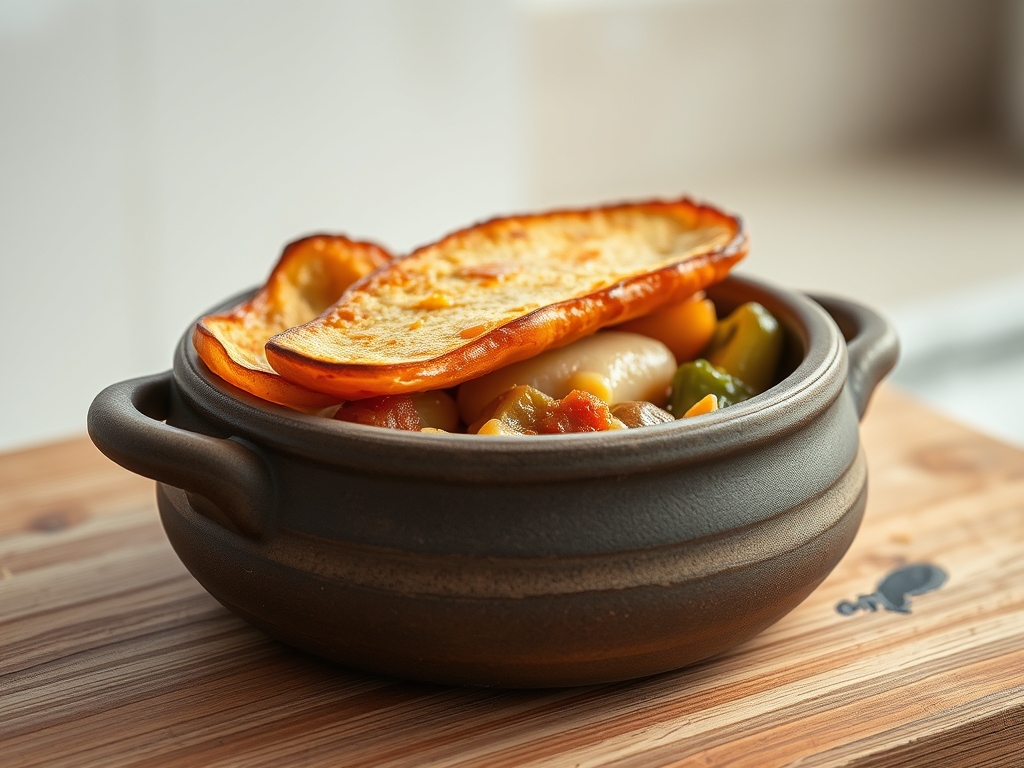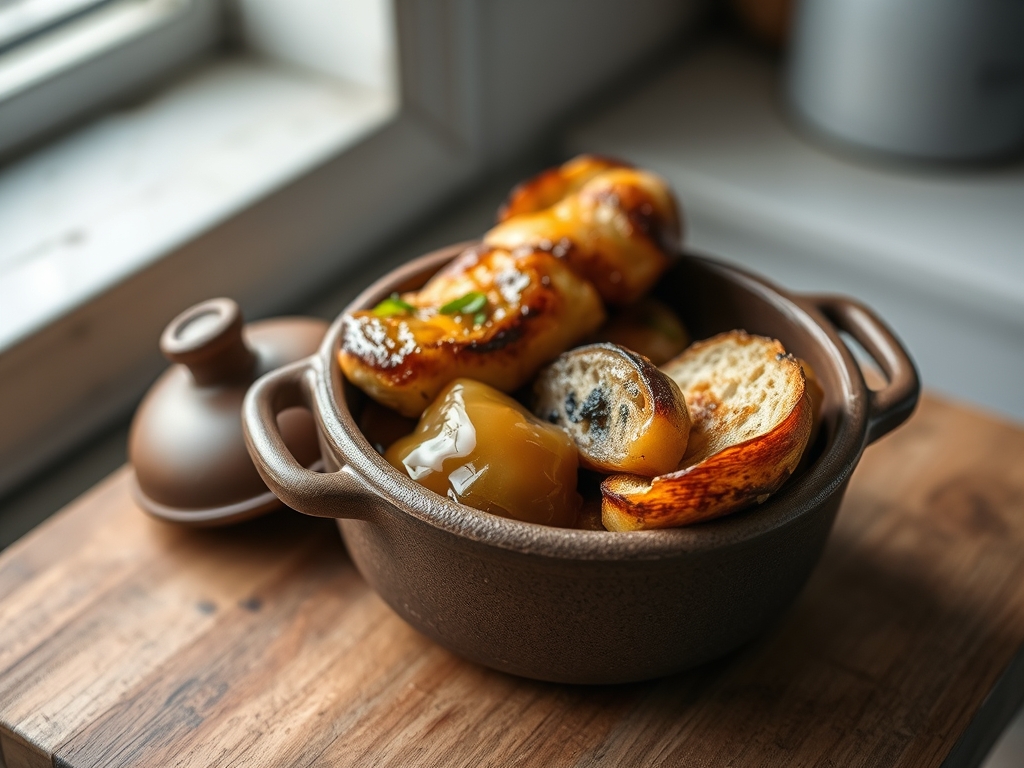
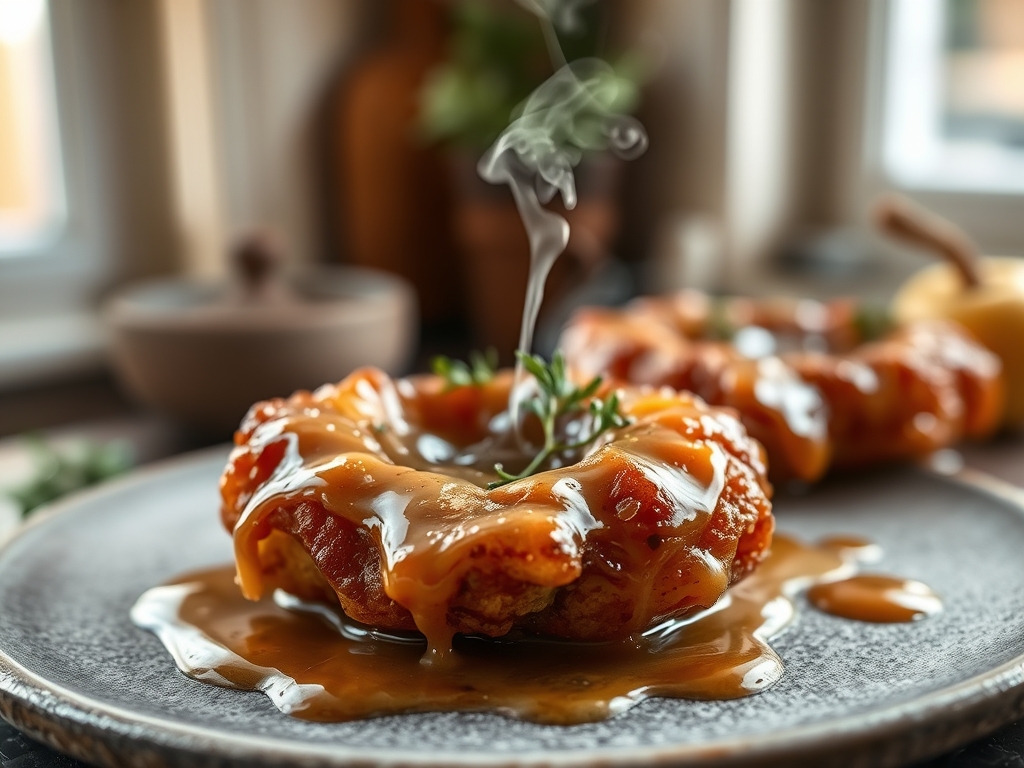
Listen to the sound of the deep fryer: it is not just noise; it is the symphony of rapid dehydration. When that craggy, irregular mass of dough hits the 365-degree oil, the moisture on the surface flashes into steam, creating a structural fortress of crunch. This is the apple fritter, the king of the pastry case. It is a chaotic architectural marvel of yeast-leavened dough and tart fruit, but the true engineering marvel is the Apple Fritter Glaze. Without it, you have a dry sponge; with it, you have a vitreous, shimmering coating that locks in moisture while providing a piquant contrast to the rich, fatty crumb. We are not just making breakfast. We are auditing the structural integrity of a sugar-encrusted icon. We are seeking that perfect translucent sheen that cracks like a thin sheet of ice under the tooth. If your glaze is weeping or your dough is oil-logged, your infrastructure is failing. It is time to recalibrate your kitchen for maximum fructose-dough synergy.
THE DATA MATRIX
| Metric | Specification |
|---|---|
| Prep Time | 45 Minutes |
| Execution Time | 15 Minutes |
| Yield | 12 Large Fritters |
| Complexity (1-10) | 7 |
| Estimated Cost per Serving | $0.85 |
THE GATHERS
Ingredient Protocol:
- 500g / 4 cups All-Purpose Flour (High protein content preferred)
- 100g / 0.5 cup Granulated Sugar
- 10g / 2 tsp Kosher Salt
- 14g / 4 tsp Instant Yeast
- 250ml / 1 cup Whole Milk (Warmed to 110 degrees)
- 115g / 0.5 cup Unsalted Butter (Softened)
- 2 Large Eggs (Room temperature)
- 3 Large Granny Smith Apples (Peeled and diced to 1cm cubes)
- 15g / 1 tbsp Ground Cinnamon
- 450g / 4 cups Powdered Sugar (Sifted)
- 60ml / 0.25 cup Whole Milk or Water (For the glaze)
- 5ml / 1 tsp Pure Vanilla Extract
Section A: Ingredient Quality Audit:
The primary failure point in most fritter builds is the apple selection. If you use a soft apple like a Red Delicious, the fruit will render into a mealy paste during the fry, destroying the internal crumb structure. Always audit your fruit for firmness; use Granny Smith or Honeycrisp to ensure the pieces remain intact and offer a tart, crisp bite. If your powdered sugar for the Apple Fritter Glaze feels gritty, it is likely due to low-quality cornstarch additives. To fix this, aerate your sugar through a fine-mesh sieve twice before hydration. If the yeast fails to bloom, your milk temperature was likely outside the 105 to 115-degree safety zone. Use a digital thermometer to verify; anything over 120 degrees will terminate the yeast cells and leave you with a leaden puck of dough.
THE MASTERCLASS
Step-by-Step Execution:
1. The Dough Infrastructure
Combine the flour, sugar, salt, and yeast in the bowl of a stand mixer. Gradually add the warm milk, eggs, and softened butter. Use the dough hook to knead the mixture until it reaches a smooth, elastic consistency.
Pro Tip: Use a digital scale for your measurements rather than volume cups. Precision in hydration levels ensures the dough has enough strength to support the heavy apple inclusions without collapsing during the proofing stage.
2. The Apple Infusion
Fold the diced apples and cinnamon into the dough. Once combined, perform a series of folds using a bench scraper to create layers. This technique mimics lamination, ensuring that the fruit is evenly distributed throughout the matrix.
Pro Tip: Dust your diced apples in a light coating of flour before folding. This creates a dry surface that allows the dough to grip the fruit, preventing the apples from leaking excess moisture and creating "wet spots" in the finished pastry.
3. The Structural Cut
Pat the dough out into a large rectangle and cut it into small pieces using your bench scraper. Pile the pieces back together and press them into a cohesive log, then cut individual fritters from that log. This creates the signature craggy surface area.
Pro Tip: The irregular surface of the fritter is designed to increase surface area for the Maillard reaction. More "nooks and crannies" mean more space for the Apple Fritter Glaze to pool and set, creating a superior texture.
4. The Thermal Transformation
Heat your frying oil to exactly 365 degrees in a heavy-bottomed pot or Dutch oven. Carefully drop the fritters in, frying for about 2 to 3 minutes per side until they reach a deep mahogany brown.
Pro Tip: Monitor the oil temperature constantly with an infrared thermometer. If the temperature drops below 350 degrees, the dough will absorb grease rather than searing, resulting in a heavy, oily interior that ruins the flavor profile.
5. The Glaze Application
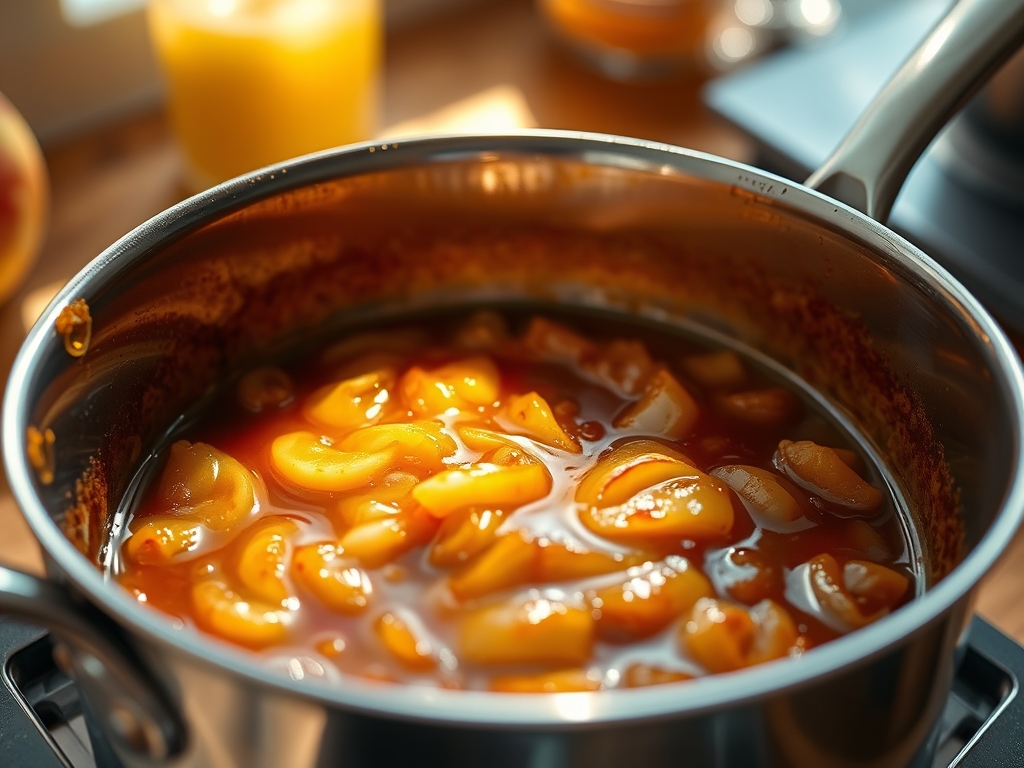
Whisk the powdered sugar, milk, and vanilla in a saucier until the mixture is viscous and smooth. While the fritters are still warm but not scorching, submerge them completely in the glaze and set them on a wire rack to cure.
Pro Tip: The fritter must be warm during glazing to allow the sugar solution to penetrate the outermost layer of the crust. If the fritter is cold, the glaze will merely sit on top and shatter off in large, unappealing flakes.
Section B: Prep & Timing Fault-Lines:
Timing is the silent killer of the perfect fritter. If you over-proof the dough, the air bubbles will become too large and the fritter will deflate the moment it hits the oil. Conversely, under-proofing leads to a dense, chewy interior that feels raw. Aim for a "semi-proof" where the dough has risen by about 50 percent rather than doubling. Another critical fault-line is the glaze timing. If you wait too long to apply the Apple Fritter Glaze, the surface oils will have already begun to set, preventing the glaze from adhering. Apply the glaze within three minutes of the fritter exiting the oil for maximum molecular bonding.
THE VISUAL SPECTRUM
Section C: Thermal & Visual Troubleshooting:
Review the Masterclass photo: notice the deep, variegated browning and the translucent, glass-like finish of the glaze. If your fritters look pale, your oil temperature was too low or your dough lacked enough sugar to trigger the Maillard reaction. If the glaze appears white and opaque rather than clear, you have likely over-saturated the sugar with too much liquid. To fix a dull appearance, you can deglaze the sugar by adding a teaspoon of light corn syrup to the mix; this increases the refractive index and gives that professional, high-gloss shine. If the apples on the surface look charred, ensure they are tucked slightly into the dough folds rather than sitting fully exposed to the direct heat of the oil.
THE DEEP DIVE
Macro Nutrition Profile:
A standard professional-grade apple fritter carries approximately 450 calories. The breakdown is roughly 22g of fat, 60g of carbohydrates, and 5g of protein. The high sugar content is concentrated in the glaze, while the fat is a combination of the enriched dough and the frying medium.
Dietary Swaps:
- Vegan: Substitute the butter with a high-quality vegan block butter and use almond or oat milk. Replace eggs with a commercial egg replacer or "flax eggs" (1 tbsp ground flax to 3 tbsp water).
- Keto: This is a high-fructose challenge. Use almond flour and xanthan gum for the dough, and substitute the glaze with a powdered erythritol and heavy cream mixture.
- GF: Use a 1-to-1 gluten-free flour blend with added psyllium husk to provide the elasticity usually provided by gluten.
Meal Prep & Reheating Science:
To maintain the molecular structure of a day-old fritter, avoid the microwave at all costs; it agitates water molecules and turns the sugar glaze into a sticky syrup. Instead, use an air fryer or oven at 350 degrees for 3 minutes. This flashes the surface moisture and re-crisps the crust without melting the internal structure.
THE KITCHEN TABLE
Why is my glaze falling off?
The fritter was likely too cold or too oily when dipped. Ensure you drain the fritter on paper towels for exactly sixty seconds before submerging it in the glaze to ensure proper adhesion and a clean set.
Can I bake these instead of frying?
You can, but the texture will be closer to a muffin than a fritter. Frying provides the rapid heat transfer necessary to create the craggy, crisp exterior that defines the dish. Baking lacks the convective power of hot oil.
My apples are crunchy, what happened?
The dice was too large. Keep your apple pieces at 1cm or smaller. This ensures the heat of the fryer can penetrate the fruit and soften the cellulose during the short three-minute cooking window.
How do I get a thicker glaze?
Increase the ratio of powdered sugar to liquid. The consistency should be similar to heavy cream. If it runs off too quickly, whisk in more sifted sugar until it coats the back of a spoon.