The air in a high performance kitchen should vibrate with the sound of a roaring flame and the scent of singed flour. We are not merely cooking; we are engineering a structural masterpiece of crumb and crust. When you embark on the journey of crafting Homemade Naan Bread, you are engaging with the ancient physics of radiant heat and the biological miracle of fermentation. Imagine a dough so supple it feels like silk, hitting a screaming hot cast iron surface and instantly inflating like a frantic bellows. This is the infrastructure of flavor. The yogurt provides the lactic acid necessary to tenderize the gluten, while the high heat initiates a violent Maillard reaction, creating those iconic charred blisters that define the genre. This is not a side dish; it is a structural foundation for curries, stews, and grilled meats. If your flatbread lacks the structural integrity to scoop a heavy korma without collapsing, you have failed the audit. Prepare to recalibrate your expectations and your pantry as we dismantle the anatomy of the perfect naan.
THE DATA MATRIX
| Metric | Specification |
|---|---|
| Prep Time | 15 Minutes (Active) + 60 Minutes (Proofing) |
| Execution Time | 15 Minutes |
| Yield | 8 Large Flatbreads |
| Complexity (1-10) | 4 |
| Estimated Cost per Serving | $0.28 |
THE GATHERS
Ingredient Protocol:
- 500g / 4 cups All-Purpose Flour (High protein preferred)
- 175ml / 0.75 cup Warm Water (40C / 105F)
- 120g / 0.5 cup Full-Fat Greek Yogurt (Room Temperature)
- 7g / 2.25 tsp Active Dry Yeast
- 15g / 1 tbsp Granulated Sugar
- 8g / 1.5 tsp Fine Sea Salt
- 30ml / 2 tbsp Extra Virgin Olive Oil or Ghee
- 60g / 4 tbsp Unsalted Butter (For finishing)
- 3 cloves Garlic (Minced)
- 10g / 2 tbsp Fresh Cilantro (Finely chopped)
Section A: Ingredient Quality Audit:
The primary failure point in most Homemade Naan Bread attempts is the hydration source. If your yogurt is non-fat or contains stabilizers like pectin, the dough will lack the necessary lipids to create a soft, pillowy interior. Use only full-fat yogurt to ensure the lactic acid can effectively break down the gluten strands. If your yeast fails to bloom, your water temperature is likely the culprit; anything over 45C (115F) will terminate the yeast cells. Conversely, cold water will result in a sluggish rise that fails to aerate the dough. If your flour feels gritty or "heavy," it may have absorbed ambient moisture; sift it thoroughly to introduce oxygen and ensure a consistent weight.
THE MASTERCLASS
1. The Activation Phase
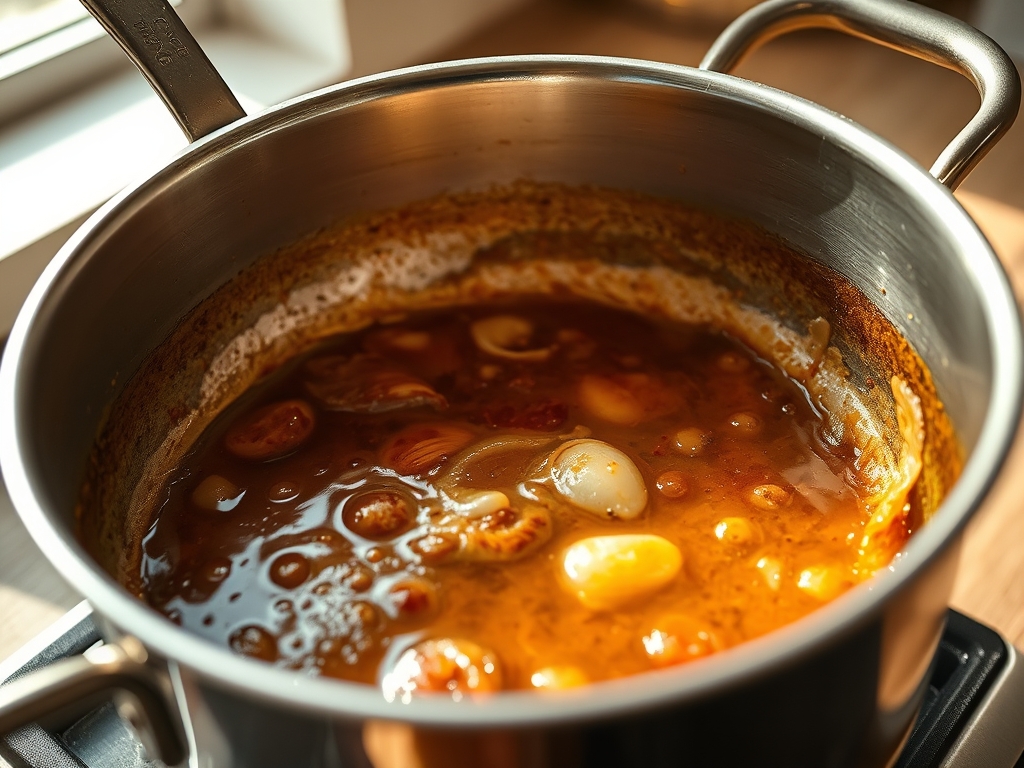
Combine the warm water, sugar, and yeast in the bowl of a stand mixer. Let it sit for 5 to 10 minutes until a frothy foam appears on the surface. This indicates the yeast is metabolizing the sugars and producing carbon dioxide.
Pro Tip: Use a digital scale for your measurements. Volumetric displacement is the enemy of consistency in baking; weight is the only truth.
2. The Emulsification of Solids
Add the yogurt, olive oil, salt, and half of the flour. Use the dough hook attachment on low speed to incorporate. Gradually add the remaining flour until the dough pulls away from the sides of the bowl.
Pro Tip: The yogurt acts as a natural conditioner. The fats in the yogurt coat the gluten molecules, preventing them from forming long, tough chains. This results in a "short" crumb that is tender rather than chewy.
3. The Structural Development
Knead the dough on medium speed for 5 to 7 minutes. The dough should be tacky but not sticky. Transfer to a lightly oiled bowl, cover with a damp cloth, and let rise in a warm, draft-free environment for 60 minutes or until doubled in size.
Pro Tip: Use a bench scraper to handle the dough. It minimizes heat transfer from your hands and keeps the dough's surface tension intact during the shaping process.
4. The Division and Tension
Punch down the dough to release excess gas. Divide into 8 equal portions. Roll each portion into a smooth ball, pulling the skin tight to create surface tension. Let these rests for 10 minutes to allow the gluten to relax.
Pro Tip: If the dough springs back when you try to roll it out, the gluten is too tight. Give it another 5 minutes of rest; patience is a culinary tool as much as any knife.
5. The Thermal Execution
Roll each ball into an oval roughly 1/4 inch thick. Heat a heavy cast iron skillet over medium-high heat until it wisps with smoke. Place the dough in the dry skillet. Once large bubbles form (about 1 minute), flip and cook for another 30 to 60 seconds.
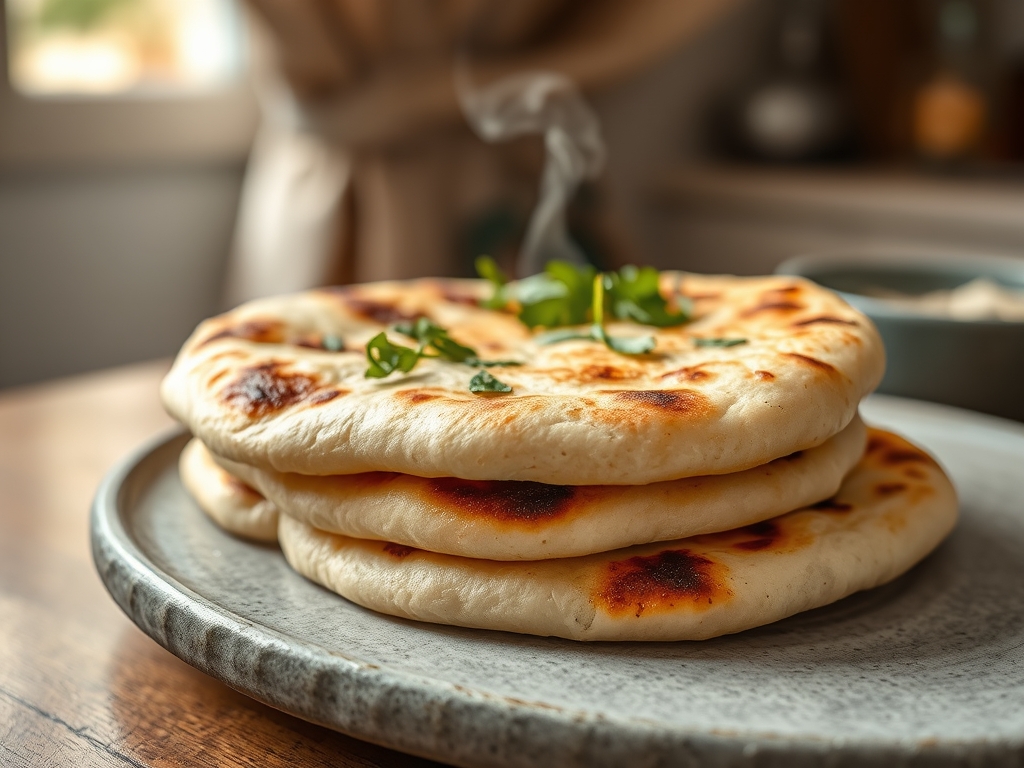
Pro Tip: The "blistering" seen in the reference photo is the result of the Leidenfrost effect. Moisture in the dough turns to steam instantly, pushing the dough upward while the direct contact with the iron sears the exterior.
6. The Infusion Finish
Melt the butter in a small saucier over low heat. Add the minced garlic and cook just until fragrant. Brush the hot naan generously with the garlic butter and sprinkle with cilantro.
Pro Tip: Do not let the garlic brown in the butter. You want to infuse the fat with the piquant essence of the garlic without introducing the bitterness of toasted sulfur compounds.
Section B: Prep & Timing Fault-Lines:
The most common human error is rushing the second rest. If you roll the dough immediately after dividing, the internal tension will cause the naan to shrink and toughen. Another critical fault is temperature control of the skillet. If the pan is too cold, the naan will bake slowly and become dry like a cracker. It must be hot enough to cause an immediate reaction. Use an infrared thermometer if necessary; you are looking for a surface temperature of 230C (450F).
THE VISUAL SPECTRUM
Section C: Thermal & Visual Troubleshooting:
Observe the reference image: the naan exhibits deep mahogany "leopard spotting" against a pale, creamy background. If your naan is a uniform, dull brown, your heat was too low and your cook time too long. If the bread is charred but raw in the middle, your heat was excessive. The bubbles should be large and translucent in the center, indicating proper aeration. If the naan looks flat and dense, your yeast was likely expired or your proofing environment was too cold. The final product should have a matte finish from the flour, contrasted by the glossy, viscous sheen of the garlic butter infusion.
THE DEEP DIVE
Macro Nutrition Profile:
A single serving of this Homemade Naan Bread provides approximately 260 calories, 8g of protein, 42g of carbohydrates, and 7g of fat. The inclusion of Greek yogurt boosts the protein content significantly compared to standard white bread, while providing essential calcium.
Dietary Swaps:
- Vegan: Substitute the yogurt with a plain coconut or soy yogurt and use avocado oil instead of butter.
- Gluten-Free: Use a high-quality 1-to-1 GF flour blend containing xanthan gum. Note that the texture will be less pliable due to the lack of gluten infrastructure.
- Keto: This is difficult as the structure relies on starch, but almond flour and mozzarella cheese "Fathead" dough can serve as a functional proxy.
Meal Prep & Reheating Science:
To maintain the molecular structure, store naan in an airtight bag with a paper towel to absorb excess moisture. When reheating, avoid the microwave, which turns the starches rubbery. Use a toaster oven or a dry pan to re-crisp the exterior while steaming the interior.
THE KITCHEN TABLE
Why is my naan tough?
Over-kneading or insufficient hydration is usually the culprit. Ensure you are using full-fat yogurt and allowing the dough to rest properly. The fats must render slightly into the flour to maintain tenderness during high-heat cooking.
Can I bake this in an oven?
Yes, but you need a pizza stone. Pre-heat the stone at your oven's highest setting for 45 minutes. The goal is to mimic the intense radiant heat of a traditional tandoor oven.
Why didn't my dough bubble?
Your skillet likely wasn't hot enough. The bubbles are caused by rapid steam expansion. If the heat is too low, the steam escapes slowly through the pores of the dough rather than lifting the surface.
Can I use bread flour?
Absolutely. Bread flour has a higher protein content, which will result in a chewier, more "stretchy" naan. If you prefer a softer, more delicate bite, stick with all-purpose flour.