Listen to the sound of a structural failure that tastes like heaven. It is the rhythmic, glass-shattering crunch of a thousand butter-laminated shards collapsing under the weight of a piquant fruit preserve. We are not merely baking; we are conducting a high-stakes Danish Pastry Audit to ensure the structural integrity of the most volatile enclosure in the pastry world. When you introduce high-moisture fruit acids to a delicate, yeasted dough, you are inviting a thermodynamic disaster. Without the proper architectural reinforcement, your pastry will succumb to the dreaded "soggy bottom" or, worse, a complete blowout of the internal crumb. We are here to prevent that. This audit demands precision, temperature control, and a total refusal to settle for mediocre fats. We are building a fortress of gluten and lipids designed to house a vibrant, viscous center. If your lamination is sloppy, the audit fails. If your fruit acid is unstable, the infrastructure collapses. Strap in; we are about to re-engineer the very definition of the breakfast pastry through rigorous technical discipline and sensory excellence.
THE DATA MATRIX
| Metric | Specification |
|---|---|
| Prep Time | 45 Minutes (Active) |
| Execution Time | 18 Hours (Includes Chilling) |
| Yield | 12 Pastries |
| Complexity (1-10) | 9 |
| Estimated Cost per Serving | $1.45 |
THE GATHERS
Ingredient Protocol:
For the Détrempe (Dough):
- 500g / 4 cups All-Purpose Flour (11.5% protein)
- 60g / 1/4 cup Granulated Sugar
- 10g / 2 tsp Fine Sea Salt
- 10g / 1 tbsp Instant Yeast
- 250ml / 1 cup Whole Milk (Chilled to 4 degrees C)
- 1 Large Egg (50g)
- 50g / 3.5 tbsp Unsalted Butter (Softened)
For the Beurrage (Butter Block):
- 250g / 1.1 cups European-Style Butter (Minimum 82% butterfat)
For the Fruit Acid Filling:
- 300g / 2 cups Fresh Raspberries or Apricots
- 100g / 1/2 cup Sugar
- 15ml / 1 tbsp Lemon Juice
- 5g / 1 tsp Pectin (NH or Apple)
Section A: Ingredient Quality Audit:
The most common failure in a Danish Pastry Audit is the use of low-quality fats. Standard American butter contains too much water; when this water evaporates in the oven, it creates steam pockets that are too large, leading to a bread-like texture rather than distinct leaves. Fix this by sourcing European-style butter with high plasticity. If your flour has a protein content below 11%, the gluten network will not be strong enough to support the fruit weight. You can reinforce the infrastructure by adding 10g of vital wheat gluten to your dry mix. Finally, if your fruit is too watery, it will leach into the dough. Always pre-cook your fruit to render out excess moisture and create a viscous gel before assembly.
THE MASTERCLASS
1. The Détrempe Construction
Combine your flour, sugar, salt, and yeast in a stand mixer bowl. Add the chilled milk and egg, mixing on low speed until a shaggy mass forms. Add the softened butter and knead for exactly 4 minutes. We are looking for partial gluten development, not full elasticity. Wrap the dough tightly and refrigerate for at least 2 hours.
Pro Tip: Use a digital scale for every gram of ingredient. Volume measurements are the enemy of consistency in lamination. The goal is to keep the dough at 4 degrees Celsius to prevent the yeast from over-activating during the folding process.
2. Engineering the Beurrage
Place your cold European butter between two sheets of parchment paper. Using a heavy rolling pin, beat the butter until it becomes pliable but remains cold. Shape it into a perfect 15cm square. It should have the consistency of cold modeling clay.
Pro Tip: The butter and the dough must have the same "hand feel" or extensibility. If the butter is harder than the dough, it will shatter into shards rather than forming a continuous sheet. This is the primary cause of poor lamination.
3. The Initial Encasement
Roll your chilled dough into a 30cm square. Place the butter block at a 45-degree angle on the dough. Fold the corners of the dough over the butter like an envelope, sealing the seams perfectly with a bench scraper.
Pro Tip: Use the bench scraper to ensure the seams are flush. Any overlapping dough creates an uneven distribution of fat, which leads to structural "weak spots" where the fruit acid can penetrate.
4. The Lamination Cycle
Roll the dough into a long rectangle and perform a "letter fold" (folding in thirds). Rotate the dough 90 degrees and repeat. This is your first "turn." Wrap and chill for 30 minutes. Repeat this process until you have completed three double turns or four single turns.
Pro Tip: Between turns, use a dry pastry brush to remove every speck of excess flour. Excess flour acts as a barrier that prevents the layers from bonding, causing the pastry to pull apart and leak filling during the bake.
5. Fruit Acid Stabilization
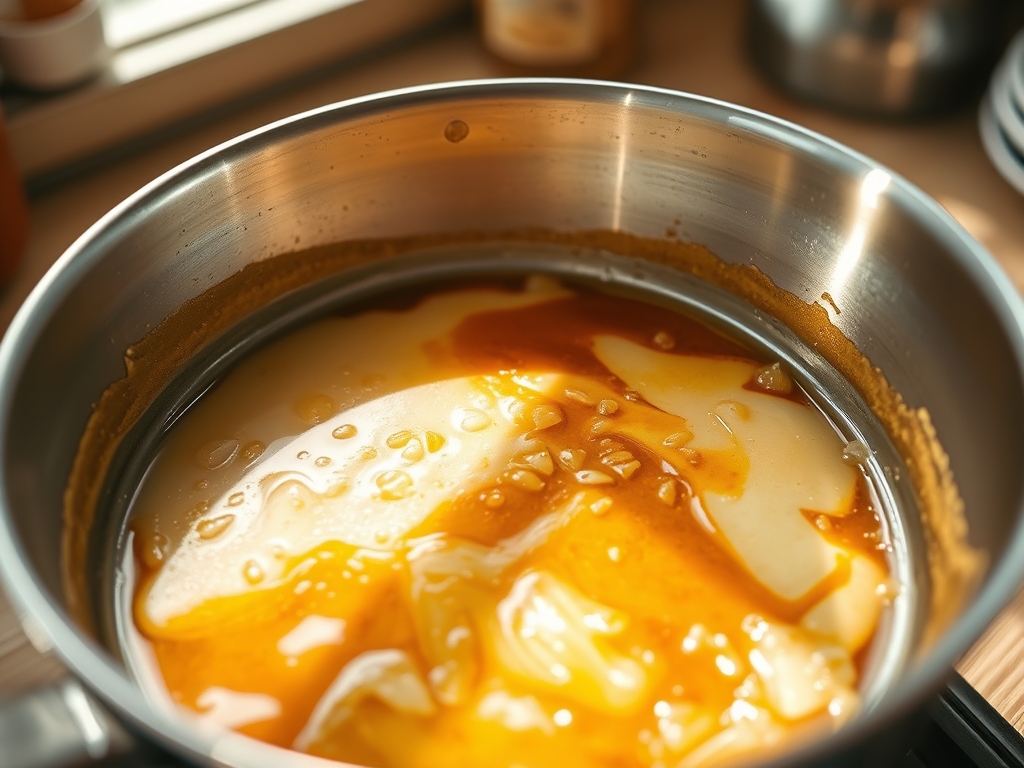
While the dough rests, combine your fruit, sugar, and lemon juice in a saucier. Bring to a simmer to infuse the flavors and reduce the water content. Whisk in the pectin and boil for 2 minutes to activate the gelling bond. Let it cool completely until it is thick and viscous.
Pro Tip: The saucier is essential here because its rounded bottom prevents the sugar from scorching in the corners. A stable gel is the only thing standing between a crisp pastry and a soggy mess.
6. Final Assembly and Proof
Roll the finished dough to a 4mm thickness. Cut into squares or diamonds. Pipe a small amount of the cooled fruit filling into the center. Fold the edges to create an enclosure. Proof at room temperature (not in a warm proofer) for 90 minutes.
Pro Tip: Never proof Danish dough above 27 degrees Celsius. If the environment is too warm, the butter layers will melt before the dough has a chance to rise, destroying the internal architecture.
7. The Thermal Transformation
Brush the pastries with a light egg wash. Bake at 200 degrees Celsius for 15 to 18 minutes. The high initial heat is required to flash-boil the water in the butter, creating the lift.
Pro Tip: Use a heavy-gauge baking sheet to ensure even heat distribution. The Maillard reaction will provide the deep mahogany color, while the pectin ensures the fruit remains a vibrant, glossy jewel in the center.
Section B: Prep & Timing Fault-Lines:
The most frequent human error is rushing the chilling stages. If the dough is not allowed to relax, the gluten will snap back, causing the pastries to shrink and the filling to overflow. If you notice the dough resisting the rolling pin, stop immediately and refrigerate for 20 minutes. Temperature is your primary tool; keep the kitchen cool and your hands off the dough as much as possible to prevent body heat from melting the delicate lipid barriers.
THE VISUAL SPECTRUM
Section C: Thermal & Visual Troubleshooting:
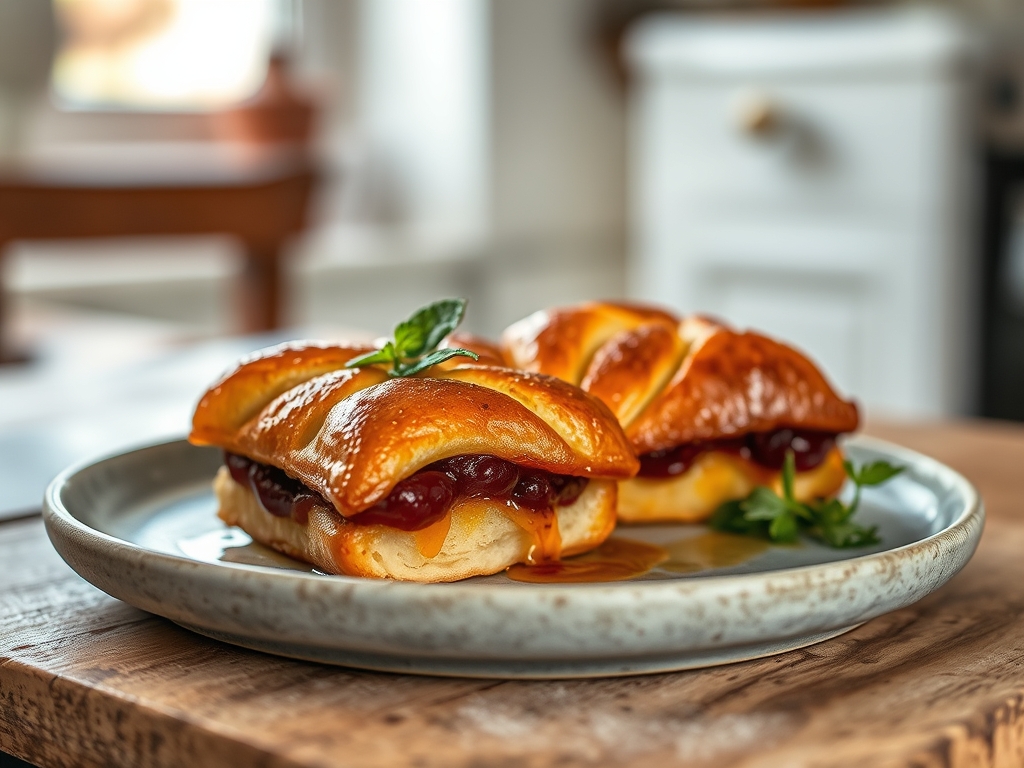
Look at the Masterclass photo above. Notice the "honeycomb" cross-section and the high-gloss sheen on the fruit. If your pastries look dull or "dusty," you likely used too much bench flour during the final roll. If the edges are dark but the center is pale, your oven has hot spots; rotate the tray halfway through. If the fruit filling has bled into the layers, your pectin concentration was too low or the fruit was added while still warm. A successful audit results in a pastry that holds its shape with a clear, defined "lift" of at least 2 centimeters from the base.
THE DEEP DIVE
Macro Nutrition Profile:
A single audited Danish contains approximately 380 calories. The breakdown is roughly 22g of fats (primarily saturated from the butter), 42g of carbohydrates, and 5g of protein. While high in lipids, the quality of the European butter provides a cleaner mouthfeel and better satiety than vegetable-based fats.
Dietary Swaps:
- Vegan: Substitute the butter with a high-quality vegan "butter" block specifically designed for lamination (look for high stearic acid content). Use soy milk and a commercial egg replacer for the wash.
- Gluten-Free: This is extremely difficult for laminated dough. Use a high-quality 1-to-1 GF blend with added Xanthan gum, but expect a 30% reduction in lift.
- Keto: Not recommended for this specific infrastructure; the chemistry of yeast and sugar is vital for the crumb.
Meal Prep & Reheating Science:
To maintain the molecular structure, never microwave a Danish. The microwave agitates water molecules, which softens the gluten and turns the butter layers into a greasy sponge. To reheat, use a toaster oven at 150 degrees Celsius for 5 minutes. This re-crisps the exterior while gently warming the viscous center.
THE KITCHEN TABLE
Why did my butter leak out during baking?
This usually indicates under-proofing or a bake temperature that was too low. If the dough doesn't expand quickly enough, the butter melts and pools on the tray instead of creating steam-driven lift.
Can I use frozen fruit for the filling?
Yes, but you must thaw and drain it first. Frozen fruit releases significantly more water, so you may need to increase your pectin by 20% to ensure the filling remains stable and does not compromise the dough.
How do I get that professional shine?
Boil equal parts sugar and water to create a simple syrup. Brush this over the pastries the second they come out of the oven. The residual heat evaporates the water, leaving a thin, crackling sugar glaze.
My layers are merging into one mass. What happened?
The dough or the butter became too warm during the folding process. This causes the butter to absorb into the flour rather than sitting between layers. Always chill the dough for 30 minutes between every single turn.