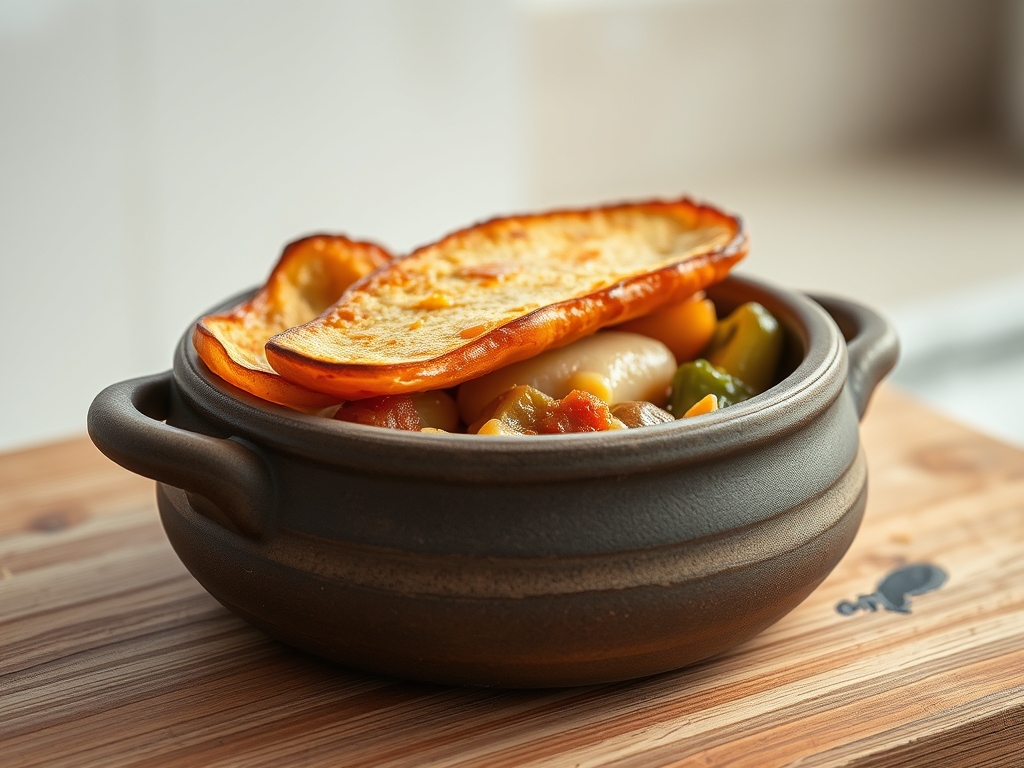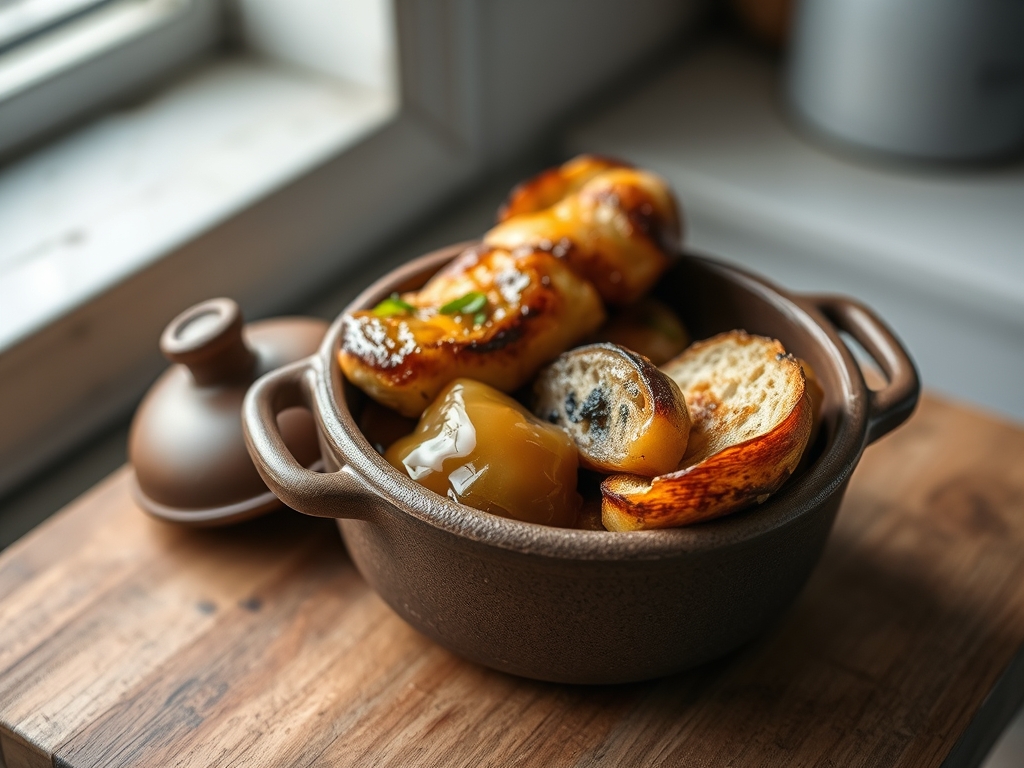
Listen to the sound of a thousand microscopic glass shards shattering simultaneously. That is the symphony of a perfect shatter-crisp crust. We are not merely baking; we are conducting a high-stakes structural engineering project where the primary building materials are lipids and gluten. The Puff Pastry Physics at play here are relentless. You are managing a volatile thermodynamic system where moisture trapped between hundreds of microscopic layers of chilled fat undergoes a rapid phase transition. As the oven heat hits the dough, that water flashes into steam, forcing the laminated sheets upward with enough pressure to defy gravity. If your lamination is flawed, you get a leaden brick. If your temperature control is sloppy, the fat melts prematurely and you end up with a greasy puddle. We are aiming for a 1,600 percent volume expansion. This is the ultimate audit of your patience and your precision. If you cannot respect the cold chain, step away from the marble slab. We are building a cathedral of butter.
THE DATA MATRIX
| Metric | Specification |
|---|---|
| Prep Time | 45 Minutes (Active) |
| Execution Time | 6 Hours (Including Chilling) |
| Yield | 1.2kg Finished Pastry |
| Complexity | 9 / 10 |
| Estimated Cost per Serving | $0.85 |
THE GATHERS
Ingredient Protocol:
- 500g / 4 cups All-Purpose Flour (11.5% Protein)
- 10g / 2 tsp Fine Sea Salt
- 250ml / 1 cup Ice-Cold Filtered Water
- 50g / 3.5 tbsp Unsalted Butter (Melted and Cooled for the Detrempe)
- 450g / 2 cups European-Style High-Fat Butter (82% minimum butterfat for the Beurrage)
Section A: Ingredient Quality Audit:
The primary failure point in Puff Pastry Physics is the moisture-to-fat ratio. Standard supermarket butter often contains up to 18 percent water; this is unacceptable for professional lamination. This excess water creates oversized steam pockets that rupture the delicate gluten veils, leading to uneven lift. Technical Fix: Source European-style butter with a higher fat content. If your flour is too high in protein (Bread Flour), the dough will become too viscous and elastic, snapping back during the rolling process and crushing the layers. If the flour is too weak (Cake Flour), it will lack the structural integrity to hold the steam. Technical Fix: Use a blend of 70 percent All-Purpose and 30 percent Pastry flour to achieve the perfect balance of extensibility and strength.
THE MASTERCLASS
1. Constructing the Detrempe
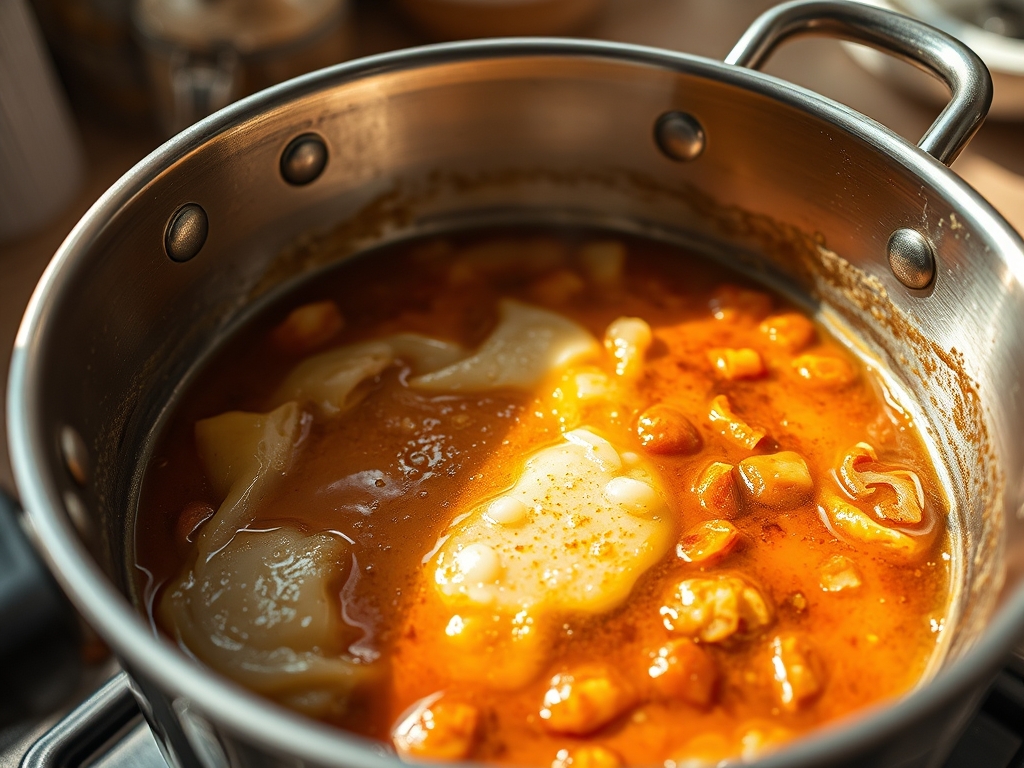
Combine the flour, salt, and melted butter in a stand mixer. Slowly infuse the ice water while mixing on low speed until a shaggy mass forms. Do not overwork. You want to develop just enough gluten to hold the gas but not so much that the dough becomes rubbery. Wrap in plastic and chill for two hours.
Pro Tip: Use a digital scale for the water. Volume measurements are for amateurs; a 5g variance in hydration can completely alter the dough's elasticity and ruin the lamination.
2. Fabricating the Butter Block
Place your chilled high-fat butter between two sheets of parchment paper. Use a heavy rolling pin to pound it into a perfectly flat, 7-inch square. It must be pliable but cold. If it cracks, it is too cold; if it shines, it is too warm and the emulsion is breaking.
Pro Tip: Use a bench scraper to square off the edges of your butter block. Perfectly right-angled corners are essential to ensure the butter reaches the very edge of the dough during the first fold.
3. The Envelopment
Roll your chilled dough (the detrempe) into an 11-inch square. Place the butter block diagonally in the center. Fold the corners of the dough over the butter like an envelope, sealing the seams tightly. You have now created the "book" that will be laminated.
Pro Tip: Use a dry pastry brush to remove any excess flour from the surface of the dough before sealing. Excess flour creates "dry pockets" that prevent the layers from bonding, leading to internal structural collapse.
4. The Lamination Turns
Roll the dough into a long rectangle, then fold it into thirds like a letter. This is your first "turn." Rotate the dough 90 degrees and repeat. You must perform six turns in total, chilling the dough for 45 minutes between every two turns to render the gluten relaxed and keep the fat solid.
Pro Tip: Use a bench scraper to keep the edges of the rectangle perfectly straight. If the edges are rounded, the layers will be unevenly distributed, resulting in a lopsided rise in the oven.
5. The Final Expansion
Roll the finished pastry to 1/8th inch thickness. Cut into desired shapes and chill one last time before baking at 400 degrees Fahrenheit. The high heat is required to trigger the rapid steam expansion before the butter has a chance to leak out.
Pro Tip: Place the pastry on a heavy-gauge perforated baking sheet. This allows for maximum airflow and heat transfer to the bottom of the pastry, ensuring the base is as crisp as the top.
Section B: Prep & Timing Fault-Lines:
The most common human error is "rushing the rest." If the dough is not allowed to relax between turns, the gluten becomes overly tense. When you try to roll it, the internal pressure will cause the butter layers to shatter into shards rather than stay as continuous sheets. This results in a "mealy" pastry rather than a laminated one. Technical Fix: If the dough resists your rolling pin, stop immediately. Wrap it and return it to the refrigerator for an additional 20 minutes. Temperature control is your only defense against failure. Your kitchen should ideally be below 68 degrees Fahrenheit.
THE VISUAL SPECTRUM
Section C: Thermal & Visual Troubleshooting:
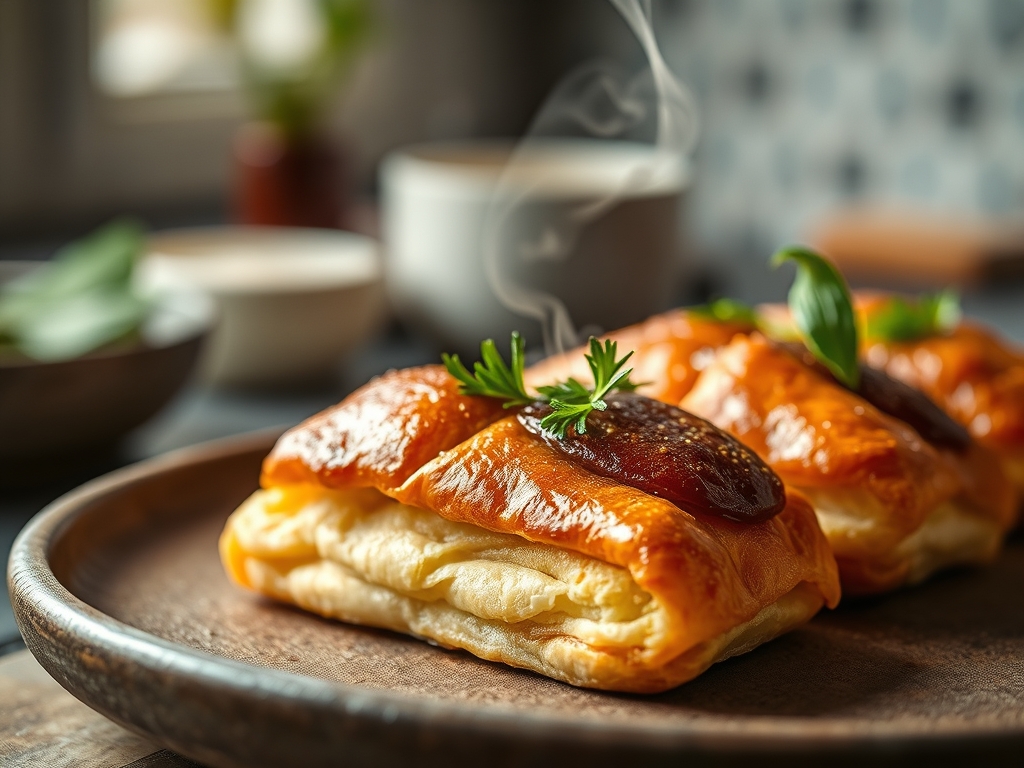
Referencing the Masterclass photo, observe the distinct, horizontal striations in the side profile. If your pastry looks "shaggy" or the layers are slanted, your rolling pressure was uneven. If the top of the pastry is a dull, matte tan rather than a vibrant, golden bronze, you likely skipped the egg wash or your oven temperature was too low to trigger the Maillard reaction. Technical Fix: Ensure your egg wash is a 50/50 mix of yolk and heavy cream for maximum shine. If the pastry has "slumped" to one side, it means the butter was too soft when it entered the oven. Always perform a "flash chill" in the freezer for 10 minutes prior to baking to set the fat.
THE DEEP DIVE
Macro Nutrition Profile:
Puff pastry is a high-density energy source. A single 100g serving contains approximately 550 calories, 35g of fat, and 45g of carbohydrates. It is a vehicle for flavor, not a weight-loss tool.
Dietary Swaps:
- Vegan: Replace the butter with a high-quality plant-based block that has a high melting point (stearate-heavy). Avoid soft margarines; they will bleed into the dough.
- Gluten-Free: Use a high-quality 1-to-1 GF blend with xanthan gum. Note that GF puff will never achieve the same height because it lacks the elastic gluten nets required to trap steam.
- Keto: This is functionally impossible with traditional Puff Pastry Physics as starch is required for the structure. Fat-head dough is a common substitute but lacks lamination.
Meal Prep & Reheating Science:
To maintain the molecular structure, never microwave puff pastry. The microwave agitates water molecules, turning the crisp layers into a soggy, rubbery mess. Reheat in a 350-degree oven for 5 minutes to re-crisp the fat and aerate the internal structure. Finished dough can be frozen for up to 3 months if vacuum-sealed.
THE KITCHEN TABLE
Why did my butter leak out during baking?
Your oven was likely too cold or the dough was too warm. If the heat doesn't immediately flash the water into steam, the butter melts and pools on the tray before the gluten structure can set.
Can I use a food processor for the dough?
Only for the initial mixing of the detrempe. Never use it for lamination. The blades will chop the butter into the flour, creating a "shortcrust" rather than the distinct layers required for Puff Pastry Physics.
How many layers are actually in the pastry?
With six classic "letter" turns, you are creating 729 layers of dough and 728 layers of butter. This geometric progression is what creates the incredible height and delicate, shatter-prone texture of the final product.
Why is my pastry shrinking in the oven?
This is a sign of "gluten memory." If you don't let the dough rest after the final roll-out, the elastic fibers will contract when hit with heat. Always rest the cut shapes for 30 minutes before baking.