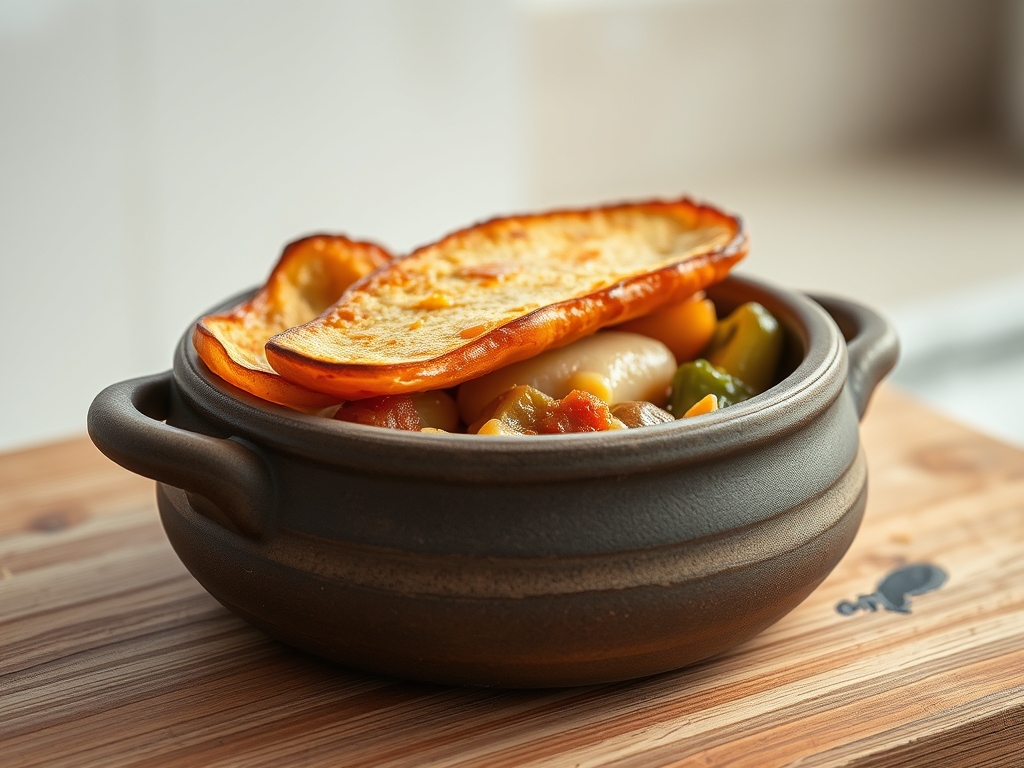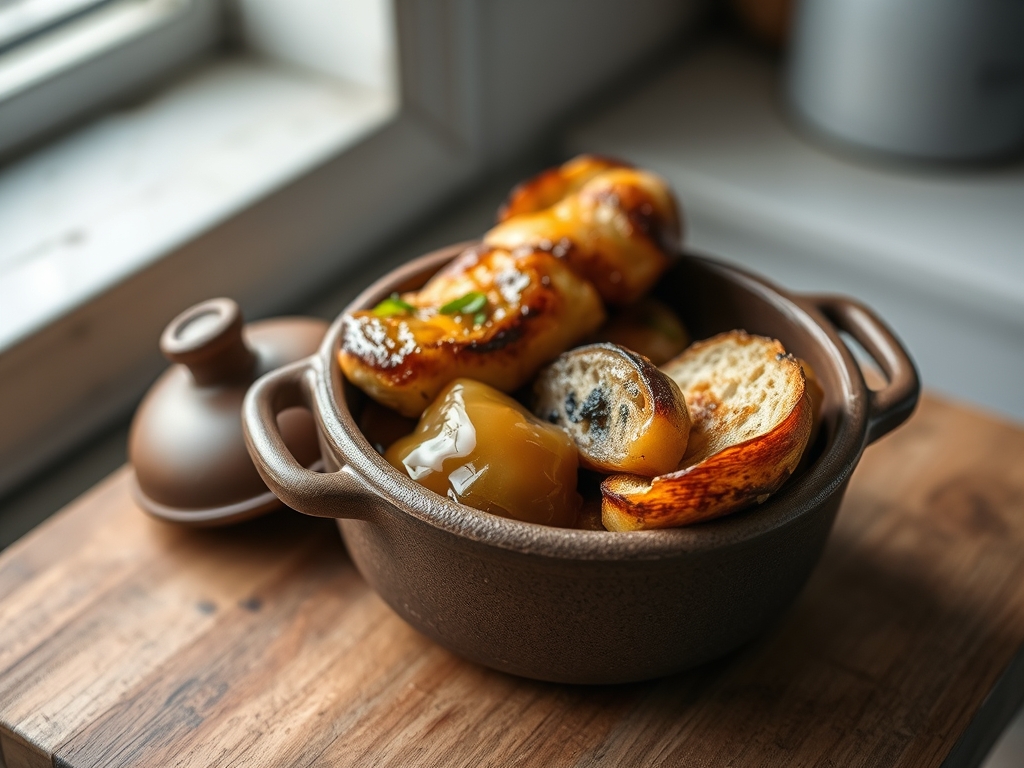
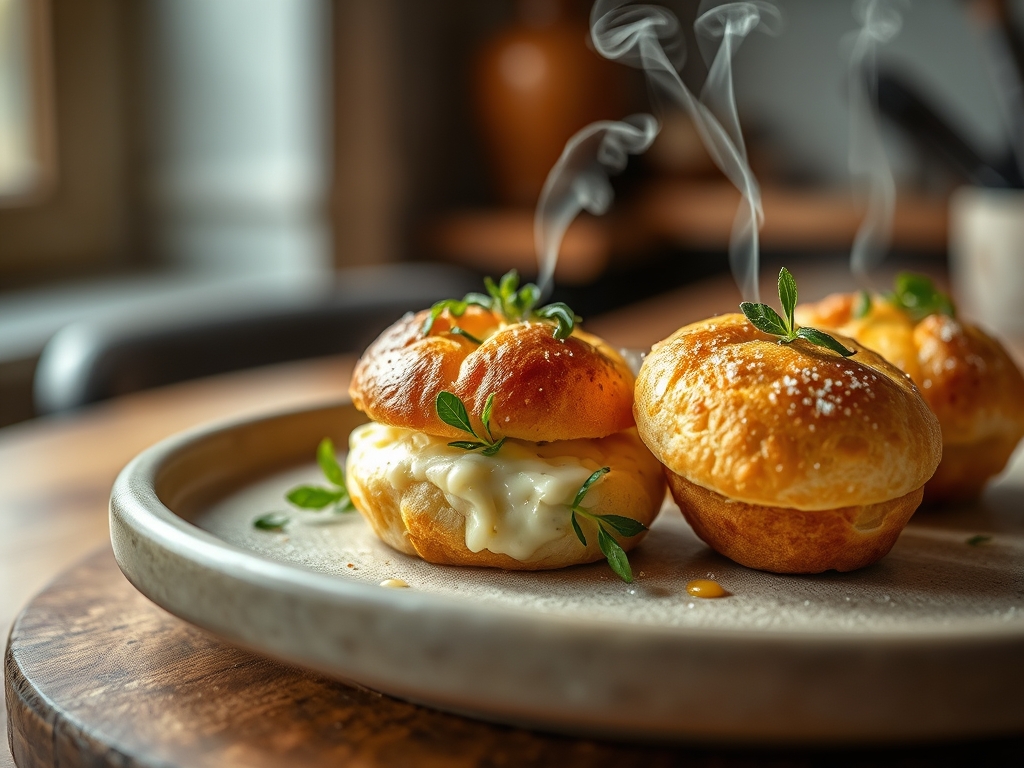
Listen to the sound of a structural collapse that actually tastes like victory. We are talking about the moment a knife blade shears through a golden, lacquered crust to reveal a crumb so yellow it borders on the neon. This is the realm of Brioche Enrichment; a high stakes architectural gamble where we force a massive volume of lipids into a fragile gluten scaffold. Most amateur bakers treat butter as a mere flavoring agent, but we treat it as a structural lubricant. Without the precise application of fat, you are just making bread. With it, you are engineering a cloud. The scent alone is a sensory assault of toasted hazelnuts and fermented dairy that fills a room and refuses to leave. We are pushing the hydration limits of the dough not with water, but with the viscous luxury of whole eggs and high butterfat solids. This is not a casual weekend project. This is an audit of your patience, your ambient kitchen temperature, and your ability to respect the chemistry of emulsification.
THE DATA MATRIX
| Metric | Specification |
|---|---|
| Prep Time | 45 Minutes (Active) |
| Execution Time | 18 Hours (Includes Cold Ferment) |
| Yield | 2 Large Loaves / 24 Brioche Buns |
| Complexity (1-10) | 8.5 |
| Estimated Cost per Serving | $0.85 USD |
THE GATHERS
Ingredient Protocol:
- 500g / 4 cups Bread Flour (Minimum 12.7% protein)
- 10g / 2 tsp Fine Sea Salt
- 50g / 0.25 cups Granulated Sugar
- 10g / 1 tbsp Instant Yeast
- 300g / 6 large Whole Eggs (Chilled)
- 250g / 1 cup Unsalted European Butter (High fat content, softened)
- 30ml / 2 tbsp Whole Milk (Cold)
Section A: Ingredient Quality Audit:
If your flour lacks the necessary protein percentage, your dough will turn into a puddle the moment the butter hits the bowl. You need that high-tensile strength to trap the expanding gases. If you find your flour is "weak," supplement the mix with 15g of vital wheat gluten to provide extra structural integrity. Furthermore, avoid standard supermarket butter with high water content. Low moisture, European-style butter is non-negotiable here. If your butter is too warm and begins to "weep" oil, stop immediately. Place the butter back in the refrigerator for ten minutes to regain its plastic state. Using melted or greasy butter will break the emulsion, resulting in a heavy, oily loaf rather than a feathered crumb.
THE MASTERCLASS
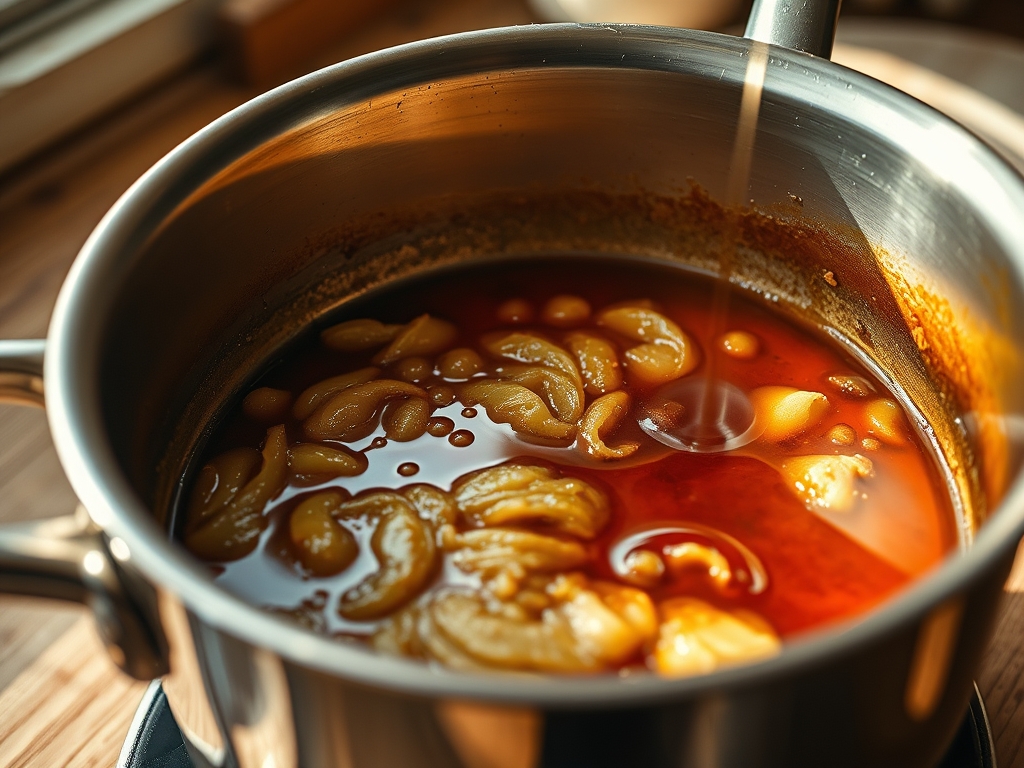
1. The Primary Hydration
Combine your flour, sugar, salt, and yeast in the bowl of a heavy duty stand mixer. Add the chilled eggs and milk. Use a dough hook to mix on low speed until a shaggy, cohesive mass forms and no dry flour remains.
Pro Tip: Use a digital scale to measure eggs by weight rather than volume. Egg sizes vary wildly; even a 10g discrepancy in liquid can drastically alter the hydration levels and ruin the gluten development phase.
2. The Gluten Stress Test
Increase the mixer speed to medium and knead for 10 to 12 minutes. The dough must reach the "windowpane stage" before a single gram of fat is added. It should be smooth, elastic, and pull away cleanly from the sides of the bowl.
Pro Tip: Use a metal bench scraper to occasionally scrape the bottom of the bowl. This ensures that no dense pockets of unmixed flour are hiding at the base, which would create "dead zones" in your finished Brioche Enrichment.
3. The Lipid Integration
This is the critical phase. With the mixer running on low, add the softened butter one tablespoon at a time. Do not add the next piece until the previous one is fully incorporated. The dough will look like it is falling apart; stay the course.
Pro Tip: The friction of the mixer generates heat. If the dough temperature exceeds 77 degrees Fahrenheit (25 Celsius), the butter will render and separate. Keep a digital probe thermometer handy to monitor the internal temperature of the mass.
4. The Cold Fermentation
Once all the butter is in, mix on medium-high for another 5 minutes until the dough is shiny and silky. Transfer to a lidded container and refrigerate for at least 12 hours. This "cold cure" allows the butter to solidify, making the dough manageable for shaping.
Pro Tip: Cold fermentation is not just for ease of handling; it allows the yeast to produce complex esters and organic acids. This results in a deeper, more piquant flavor profile that distinguishes professional brioche from grocery store imitations.
5. Shaping and Final Proof
Divide the cold dough into equal portions using your bench scraper. Shape into tight rounds or braided loaves. Place in greased pans and allow to proof in a warm, draft-free spot until doubled in size. This usually takes 2 to 3 hours depending on your ambient environment.
Pro Tip: A professional proofing box is ideal, but you can create a DIY version by placing the dough in an unlit oven alongside a bowl of steaming water to maintain humidity and a steady temperature.
6. The Maillard Execution
Gently brush the surface with an egg wash (one egg beaten with a splash of cream and a pinch of salt). Bake at 375 degrees Fahrenheit (190 Celsius) until the internal temperature reaches 195 degrees Fahrenheit.
Pro Tip: Use a heavy gauge aluminum baking sheet or a cast iron loaf pan to ensure even heat distribution. This prevents the bottom from scorching before the center is fully set.
Section B: Prep & Timing Fault-Lines:
The most common human error in Brioche Enrichment is impatience during the butter addition. If you dump the butter in all at once, you will coat the gluten strands in fat, preventing them from bonding. This leads to a "cakey" texture rather than a "bready" one. Another timing trap is the proofing stage. Because the dough is so heavy with fat, it rises slowly. If you bake it too early, the internal gases will expand too violently in the oven, causing the loaf to "blow out" at the seams or collapse entirely.
THE VISUAL SPECTRUM
Section C: Thermal & Visual Troubleshooting:
Referencing the Masterclass photo above, you are looking for a deep, mahogany exterior. If your crust is pale, your oven temperature is likely too low or you skipped the egg wash. If the bread looks dull rather than glossy, you may have over-proofed it, stretching the surface skin until it lost its tension. A "shredded" look on the sides of the loaf indicates under-proofing; the dough had too much energy left and exploded upward. The crumb should be tight and uniform. Large, irregular holes are a sign that the dough was not degassed properly during the shaping phase or that the butter was not fully emulsified.
THE DEEP DIVE
Macro Nutrition Profile:
Brioche is a calorie-dense infrastructure. A single 100g serving typically contains 350 to 400 calories, with 18g to 22g of fat, 40g of carbohydrates, and 8g of protein. It is a high-energy fuel source designed for indulgence, not a caloric deficit.
Dietary Swaps:
- Vegan: Substitute eggs with aquafaba (chickpea liquid) and use a high-quality plant-based butter with a high melting point. Note that the crumb will be less "shreddy" and more crumbly.
- Keto: This is nearly impossible to replicate perfectly due to the lack of gluten, but almond flour and xanthan gum can create a "brioche-style" muffin.
- GF: Use a high-protein gluten-free flour blend and increase the egg count by one to provide more structural protein.
Meal Prep & Reheating Science:
Brioche stales faster than lean breads because the moisture migrates quickly. To maintain molecular structure, slice and freeze immediately after cooling. To reheat, use a toaster oven or a light steam. Avoid the microwave, as it agitates water molecules and turns the butter-saturated crumb into a rubbery, unpalatable mess.
THE KITCHEN TABLE
Why is my brioche dough so sticky?
High hydration from eggs and butter creates a viscous texture. Do not add extra flour. Instead, rely on the cold ferment to firm up the lipids, making the dough easier to handle without compromising the delicate fat-to-gluten equilibrium.
Can I knead brioche by hand?
It is possible but requires immense stamina. You must use the "slap and fold" technique for at least 20 minutes to develop gluten before the butter addition. It is a messy, exhausting process that usually yields inferior aeration.
Why did my butter leak out during baking?
This indicates the emulsion broke during mixing or the dough was too warm when it entered the oven. If the butter melts before the gluten structure sets, it will render out and pool at the bottom of the pan.
How do I get that ultra-shiny crust?
Double-glaze your dough. Apply one layer of egg wash immediately after shaping and a second layer right before the loaves enter the oven. The proteins in the egg will undergo the Maillard reaction, creating a lacquered finish.