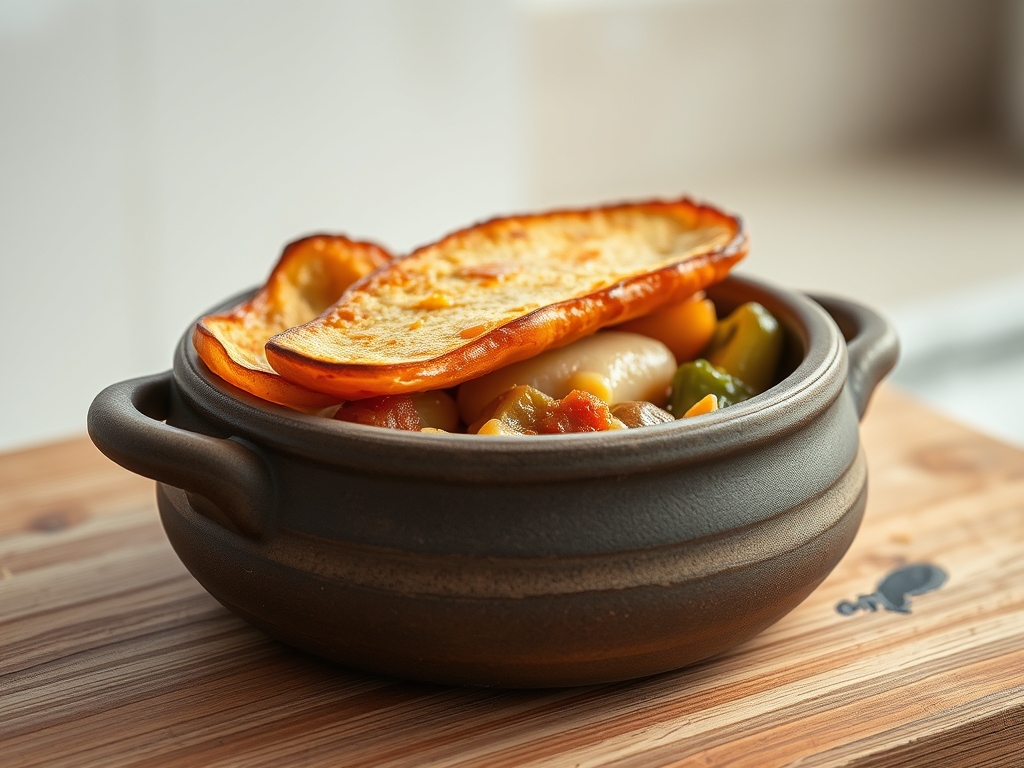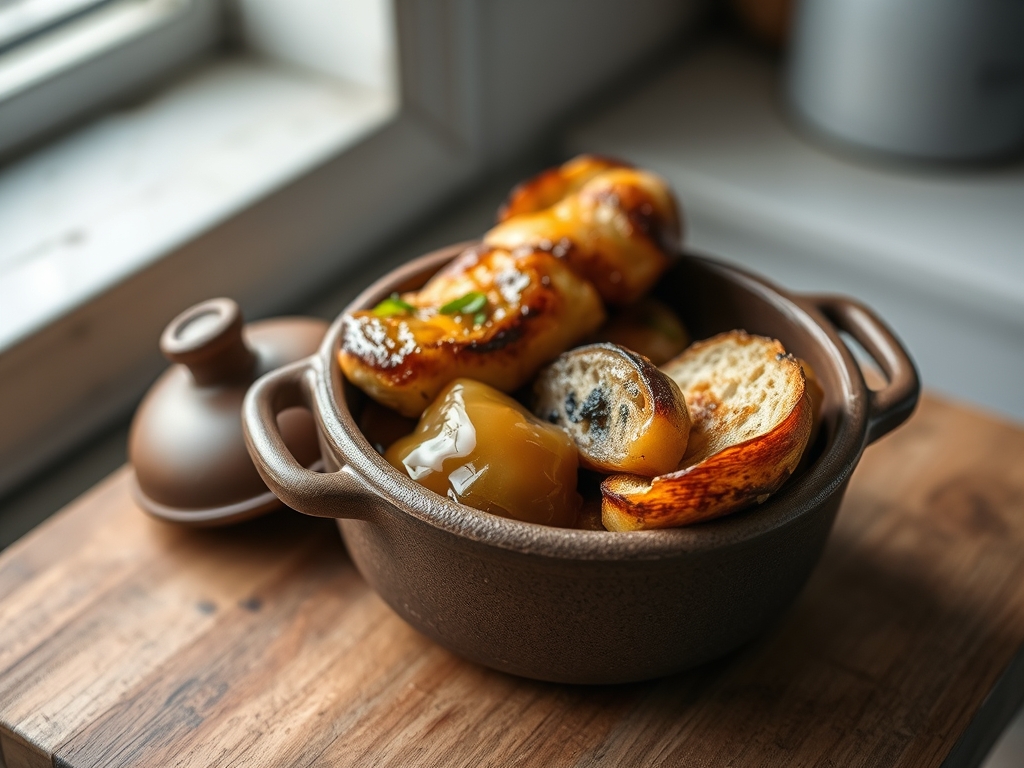
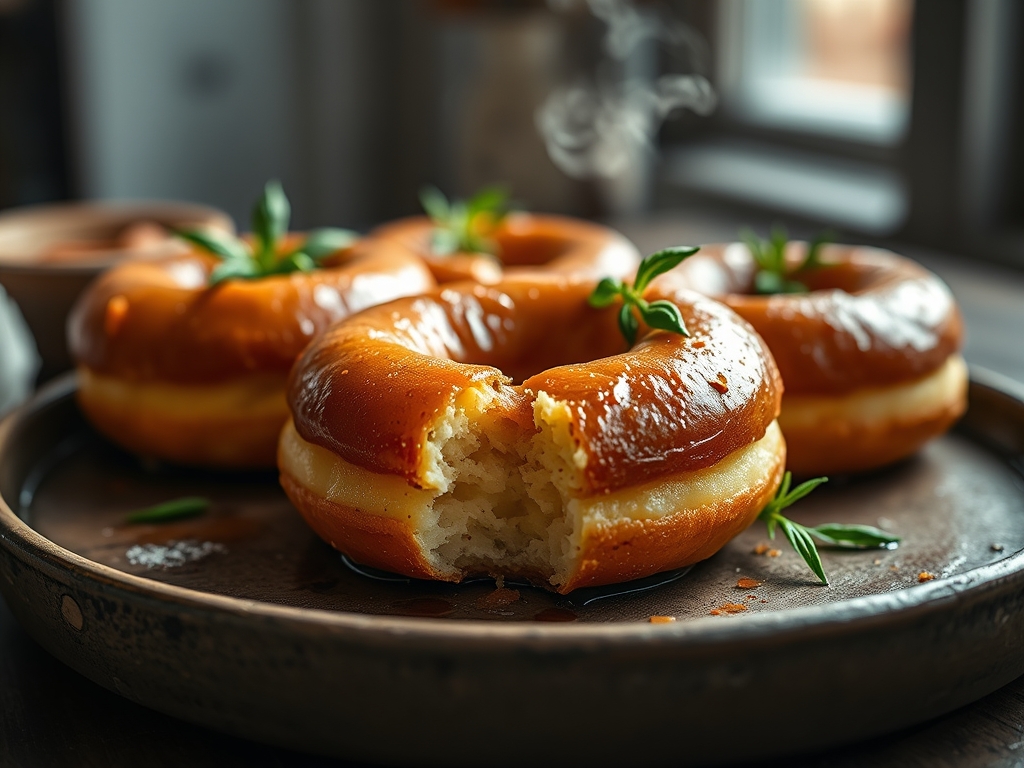
Stop treating your breakfast like a cloud and start treating it like a structural masterpiece. While the world chases the ephemeral, airy crumb of a yeast-raised ring, the true architect of the morning understands the gravitational pull of Cake Donut Density. We are not here to eat air; we are here to command the interaction between lipids and leaveners. A perfect cake donut is a marvel of chemical engineering; it is a heavy, golden disc that resists the bite just enough to release a flood of nutmeg-infused warmth. It is the difference between a whisper and a statement. To achieve that iconic, tight-crumbed interior, you must abandon guesswork and embrace the rigid physics of the batter. We are looking for a specific resistance, a weight that anchors the glaze rather than letting it soak into a porous void. If your donuts are floating away or disintegrating into grease-soaked sponges, your infrastructure is failing. It is time to audit your ratios and rebuild your dough from the foundation up.
THE DATA MATRIX
| Metric | Specification |
|---|---|
| Prep Time | 25 Minutes |
| Execution Time | 20 Minutes |
| Yield | 12 – 14 Units |
| Complexity | 6 / 10 |
| Estimated Cost per Serving | $0.45 |
THE GATHERS
Ingredient Protocol:
- 450g / 3.75 cups All-Purpose Flour (unbleached)
- 200g / 1 cup Granulated Sugar
- 15g / 3 tsp Double-Acting Baking Powder
- 5g / 1 tsp Fine Sea Salt
- 3g / 0.5 tsp Ground Nutmeg (freshly grated)
- 60g / 4 tbsp Unsalted Butter (melted and cooled)
- 2 Large Eggs (room temperature)
- 180ml / 0.75 cup Whole Milk (room temperature)
- 5ml / 1 tsp Pure Vanilla Extract
- 2 Liters / 2 Quarts Neutral Oil (for frying)
Section A: Ingredient Quality Audit:
The primary failure point in Cake Donut Density is often the leavening agent. If your baking powder has been sitting in a humid pantry for six months, its ability to aerate the batter is compromised, leading to a leaden, "soapy" texture. Test your powder by dropping a teaspoon into hot water; if it does not fizz violently, discard it. Furthermore, the protein content of your flour dictates the final "snap." Using bread flour will result in a rubbery, bread-like ring, while cake flour might lack the structural integrity to survive the fryer. Stick to unbleached all-purpose flour to ensure a viscous batter that holds its shape. Finally, ensure your nutmeg is freshly grated. Pre-ground spices lose their volatile oils, leaving your donut tasting like cardboard rather than a complex, piquant pastry.
THE MASTERCLASS
1. The Dry Sifting Protocol
Begin by whisking your flour, sugar, baking powder, salt, and nutmeg in a large stainless steel bowl. Do not simply stir; use a fine-mesh sieve to sift these components together. This ensures that the leavening agent is distributed with mathematical precision throughout the bulk.
Pro Tip: Use a digital scale for this step. Volumetric measurements are the enemy of consistency; a "cup" of flour can vary by 30 grams depending on how it is packed, which will utterly destroy your calculated density.
2. Emulsifying the Wet Matrix
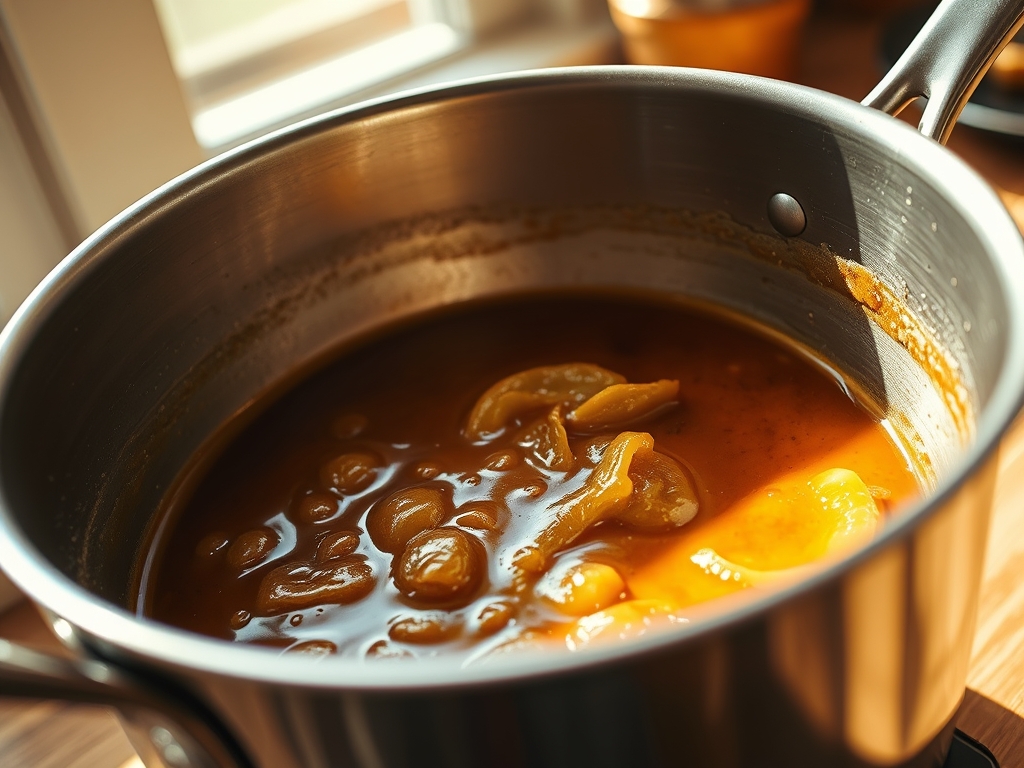
In a separate saucier or mixing bowl, whisk the eggs, milk, and vanilla until fully homogenized. Slowly stream in the melted butter while whisking constantly. This creates a stable emulsion that prevents the fat from separating and making the dough greasy.
Pro Tip: Ensure all wet ingredients are at room temperature. Cold milk will cause the melted butter to seize into tiny wax-like pellets, preventing a smooth, infuse-ready batter.
3. The Low-Agitation Fold
Make a well in the center of the dry ingredients and pour in the liquid matrix. Using a bench scraper or a stiff spatula, fold the ingredients together until just combined. The goal is to hydrate the flour without developing excess gluten. Stop the moment the last streaks of flour disappear.
Pro Tip: Over-mixing is the death of the cake donut. Excessive agitation develops gluten networks that turn your dense, tender crumb into a tough, chewy tire.
4. The Hydration Rest
Cover the dough and let it rest at room temperature for at least 15 minutes. This allows the starch granules in the flour to fully hydrate and the gluten to relax. This step is non-negotiable for achieving the specific Cake Donut Density required for a clean cut.
Pro Tip: A rested dough is less sticky and easier to handle. Use your bench scraper to move the dough onto a floured surface without tearing the delicate molecular bonds.
5. Precision Cutting and Thermal Execution
Roll the dough to a thickness of 1/2 inch. Use a dedicated donut cutter to stamp out your rings. Heat your oil to exactly 365 degrees Fahrenheit. Fry the donuts for approximately 90 seconds per side until they achieve a deep, mahogany hue.
Pro Tip: Use an infrared or clip-on thermometer. If the oil temp drops below 350, the dough will absorb grease like a sponge; if it exceeds 380, the exterior will render burnt while the interior remains raw.
Section B: Prep & Timing Fault-Lines:
The most common human error is "The Crowd." Dropping too many donuts into the fryer at once causes a massive thermal crash. The oil temperature plummets, the leavening reaction slows down, and the donuts become oil-logged. Fry no more than three at a time. Additionally, if you wait too long to fry after cutting, the baking powder will lose its "second lift" (the heat-activated stage), resulting in a flat, sad ring. Timing is as much an ingredient as the flour itself.
THE VISUAL SPECTRUM
Section C: Thermal & Visual Troubleshooting:
Referencing the Masterclass photo above, observe the "starburst" crackle around the center hole. This is the hallmark of perfect Cake Donut Density. If your donuts are perfectly smooth on top, they didn't expand rapidly enough; check your baking powder. If they are pale and "blotchy," your oil was likely too cold or you had too much excess flour on the surface. The ideal donut should have a uniform, matte-gold finish with a visible "belt" around the middle where the dough expanded in the fryer. If the interior is gummy despite a dark exterior, you are likely frying at too high a temperature, causing the outside to render before the heat can penetrate the core.
THE DEEP DIVE
Macro Nutrition Profile:
A standard cake donut provides approximately 280 calories, 14g of fat, 34g of carbohydrates, and 4g of protein. The density comes from the high sugar-to-flour ratio, which interferes with gluten development to keep the crumb tender.
Dietary Swaps:
- Vegan: Replace milk with full-fat oat milk and eggs with a commercial "egg replacer" or 1/4 cup of unsweetened applesauce per egg. Use vegan butter sticks for the fat component.
- Keto: This is difficult given the structural requirements, but a blend of almond flour and coconut flour with erythritol can approximate the texture, though the "snap" will be softer.
- GF: Use a high-quality 1-to-1 gluten-free flour blend that contains xanthan gum to provide the necessary elasticity.
Meal Prep & Reheating Science:
To maintain the molecular structure, store donuts in a paper bag rather than plastic to prevent them from becoming "sweaty." To reheat, use an air fryer at 350 degrees for 2 minutes. This re-crisps the exterior lipids without drying out the interior crumb.
THE KITCHEN TABLE
Why is my donut crumb so coarse?
This usually indicates your baking powder ratio is too high or you didn't sift your dry ingredients. Large pockets of leavener create "craters" in the dough rather than a tight, uniform density.
Can I use oil instead of butter in the dough?
You can, but you will lose the flavor complexity. Butter provides milk solids that undergo the Maillard reaction, contributing to that specific "bakery" aroma and a richer mouthfeel.
My donuts are falling apart in the oil. Help!
Your dough is likely too wet or under-rested. Ensure you are measuring by weight. If the dough is too soft to hold its shape on a bench scraper, it will disintegrate upon contact with hot oil.
How do I get the glaze to stick?
Glaze your donuts while they are still slightly warm, but not hot. If they are too hot, the glaze will render into a thin syrup and soak in; if too cold, it won't adhere properly.