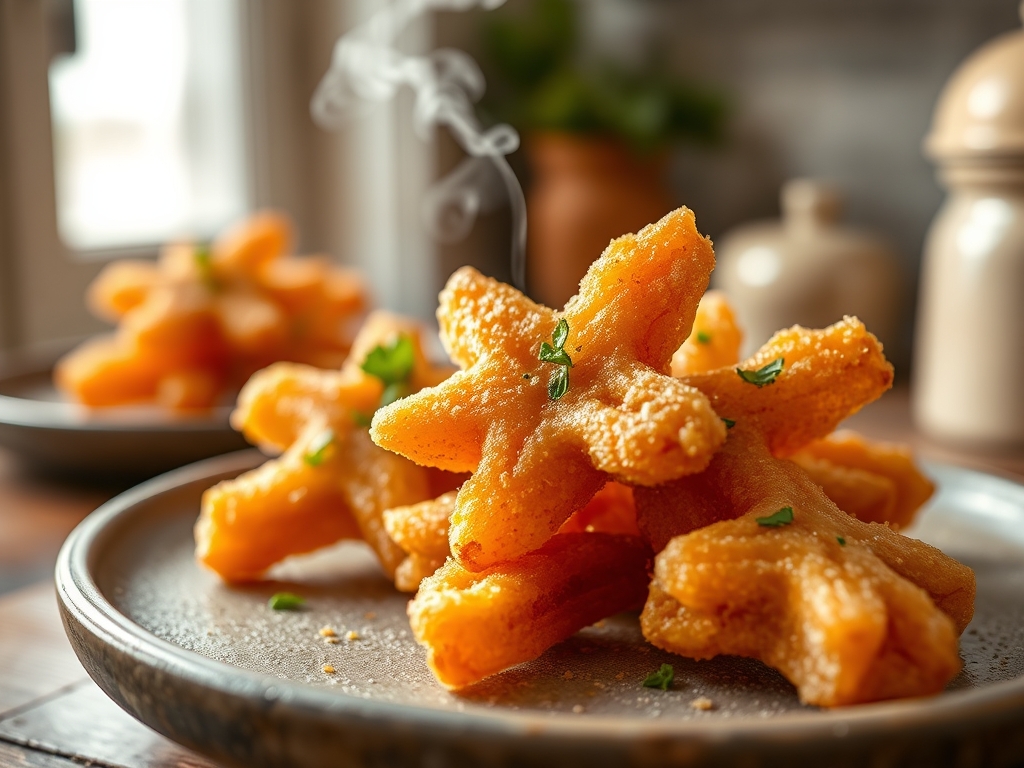
Listen to the sound of high-velocity steam escaping a pressurized nozzle. That is the anthem of the perfect pastry. When we discuss the architecture of fried dough, we are not merely talking about snacks; we are discussing the physics of surface area. The Churro Star Extrusion is the gold standard of this engineering feat. By forcing a dense, viscous choux-based dough through a star-shaped die, we create a series of longitudinal ridges that serve a dual purpose. First, they provide structural integrity, preventing the dough from collapsing under its own weight. Second, and more importantly, they maximize the surface area exposed to the boiling oil. This ensures a rapid Maillard reaction across every millimeter of the exterior while the interior remains a soft, pillowy cloud of aerated starch. If your extrusion lacks these sharp, defined peaks, you are essentially frying a soggy cylinder. We demand crispness. We demand ridges that can hold a literal payload of cinnamon sugar. This is the technical audit of the world's most aggressive pastry.
THE DATA MATRIX
| Metric | Specification |
|---|---|
| Prep Time | 20 Minutes |
| Execution Time | 15 Minutes |
| Yield | 12-15 Servings |
| Complexity | 6 / 10 |
| Estimated Cost per Serving | $0.45 USD |
THE GATHERS
Ingredient Protocol:
- 250ml / 1 cup Filtered Water
- 115g / 1/2 cup Unsalted High-Fat Butter
- 2g / 1/2 tsp Fine Sea Salt
- 15g / 1 tbsp Granulated Sugar
- 160g / 1.25 cups All-Purpose Flour (Sifted)
- 2 Large Eggs (Room Temperature)
- 5ml / 1 tsp Pure Vanilla Extract
- 1L / 4 cups Neutral High-Smoke Point Oil (Grapeseed or Peanut)
- 100g / 1/2 cup Coating Sugar mixed with 5g / 1 tbsp Ceylon Cinnamon
Section A: Ingredient Quality Audit:
Sub-par raw materials are the primary cause of structural failure. If your flour has a protein content below 10 percent, the dough will lack the gluten strength to maintain the Churro Star Extrusion shape during the fry. Technical Fix: Switch to a high-quality unbleached flour and ensure it is sifted to prevent "flour bombs" in the paste. If your butter is too high in water content, the dough will become overly viscous and lose its definition. Use European-style butter with at least 82 percent butterfat. If the eggs are cold, they will break the emulsion when added to the hot flour paste. Always temper your eggs in a warm water bath before incorporation to ensure a smooth, infused binder.
THE MASTERCLASS
1. The Choux Foundation
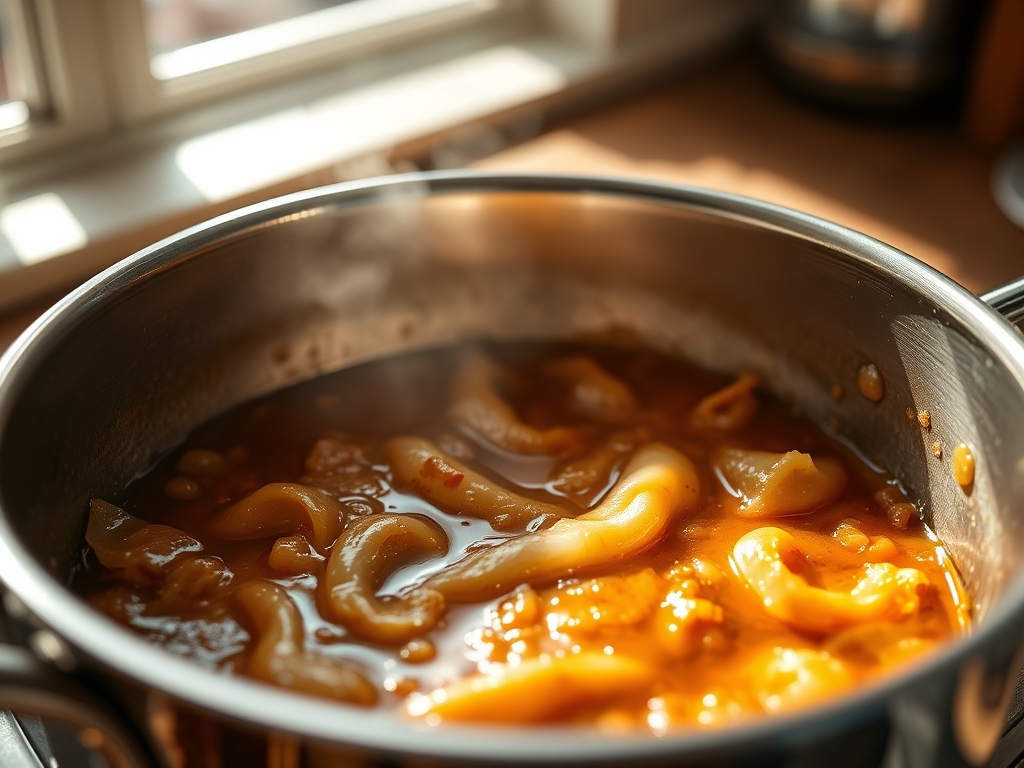
Combine water, butter, sugar, and salt in a heavy-bottomed saucier. Bring to a rolling boil over medium-high heat. The goal here is to render the fat into the liquid completely before the water evaporates. Once boiling, dump the flour in all at once and stir vigorously with a stiff silicone spatula.
Pro Tip: This stage is called "par-cooking" the starch. You must continue stirring until a thin film forms on the bottom of the pan; this indicates that enough moisture has evaporated to allow the dough to absorb the eggs later. Use a digital scale for the flour to ensure the hydration ratio is precise.
2. The Emulsion Phase
Transfer the hot dough to a stand mixer or a clean bowl. Let it cool for three minutes so you do not scramble the eggs. Add the eggs one at a time, beating thoroughly after each addition until the dough is glossy and hangs from the paddle in a "V" shape.
Pro Tip: Use a bench scraper to clear the sides of the bowl. The mechanical action of the mixer helps to aerate the dough, which provides the internal lift needed during the frying process. If the dough is too stiff, it will not extrude; if it is too runny, the ridges will melt away in the oil.
3. The Precision Extrusion
Load the dough into a heavy-duty piping bag fitted with a closed-star tip. This is the moment of the Churro Star Extrusion. Heat your oil in a deep vessel to exactly 190C (375F). Pipe 6-inch lengths of dough directly into the oil, snipping the ends with kitchen shears.
Pro Tip: Use an infrared thermometer or a clip-on probe to monitor the oil. If the temperature drops below 180C, the dough will absorb grease and become heavy. Maintaining a high thermal mass is essential for that immediate "shatter-crisp" exterior.
4. The Thermal Finish
Fry for 2 to 3 minutes per side until the churros are a deep, mahogany gold. Remove them with a spider strainer and immediately toss them in the cinnamon-sugar mixture while the residual oil is still active on the surface.
Pro Tip: The residual heat continues to cook the interior "pith" of the churro for sixty seconds after removal. Do not over-fry; look for the cessation of heavy bubbling as a sign that the internal moisture has been sufficiently reduced.
Section B: Prep & Timing Fault-Lines:
The most common human error is the "Cold Start." If you pipe dough into oil that hasn't reached the recovery temperature after the previous batch, the star ridges will blur. This ruins the surface area maximization. Technical Fix: Always wait for the oil to return to 190C between batches. Another fault-line is over-mixing the eggs, which can cause the churros to puff up like balloons and lose their star shape. Mix only until the dough is cohesive and shiny.
THE VISUAL SPECTRUM
Section C: Thermal & Visual Troubleshooting:
Observe the Masterclass photo. Notice the sharp, darkened edges of the ridges compared to the lighter valleys; this is the visual hallmark of a successful Churro Star Extrusion. If your churros are a uniform, pale tan, your oil temperature was too low. If they are dark brown on the outside but raw in the middle, your oil was too hot. If the churros look "fuzzy" or lack defined lines, the dough was too warm when piped or the flour was not properly hydrated. A perfect churro should have a visible crystalline structure from the sugar coating, clinging to the ridges without clumping in the grooves.
THE DEEP DIVE
Macro Nutrition Profile:
A standard serving (3 churros) contains approximately 320 calories, 18g of fat, 38g of carbohydrates, and 4g of protein. While high in caloric density, the use of high-smoke point oils like grapeseed oil reduces the intake of oxidized lipids.
Dietary Swaps:
- Vegan: Replace butter with a high-solids vegan buttery spread and use a "flax egg" or a commercial starch-based egg replacer. Note that the viscous nature of the dough may change, requiring a slightly smaller extrusion tip.
- Keto/GF: Use a blend of almond flour and xantham gum. Be warned: without gluten, the structural integrity of the ridges is compromised. Increase the egg count to provide more protein-based structure.
Meal Prep & Reheating Science:
To maintain the molecular structure, never microwave a churro. This introduces steam into the crust, turning it into rubber. Instead, use an air fryer or convection oven at 200C for 3 minutes. This re-activates the fats in the crust and restores the "crunch" of the star ridges.
THE KITCHEN TABLE
Why are my churros hollow?
This usually happens when the oil is too hot. The exterior sets instantly while the interior steam expands rapidly, creating a cavern. Lower your temperature by 10 degrees and ensure your Churro Star Extrusion is consistent.
Can I make the dough in advance?
Yes. You can refrigerate the dough for up to 24 hours in a sealed piping bag. However, you must let it come to room temperature before frying, or the cold dough will tank your oil temperature.
What is the best oil for frying?
Peanut oil is the industry favorite due to its high smoke point and neutral flavor profile. If allergies are a concern, grapeseed oil offers similar thermal stability and a clean finish.
Why does the sugar fall off?
Timing is everything. You have a 15-second window after the churro leaves the oil to apply the coating. The residual surface oil acts as the adhesive; once it soaks in, the sugar will not stick.