Forget everything you think you know about the humble snack aisle. We are not here to discuss the bloated, doughy knots of your childhood. This is a high stakes investigation into the structural integrity of the world's most aerodynamic carbohydrate. Welcome to the Pretzel Thin Audit; a rigorous examination of what happens when traditional baking meets extreme mechanical compression. We are hunting for that elusive, glass like snap that echoes through the cranium. We want a surface area maximized for salt adhesion and a cross section so narrow it defies the standard laws of gluten elasticity. To achieve this, we must manipulate the starch retrogradation process and master the alkaline bath with surgical precision. This is culinary engineering where the margin for error is measured in microns. If your crunch lacks the resonance of a breaking window, your infrastructure has failed. We are here to ensure that every shard of dough delivers a high frequency acoustic profile and a Maillard reaction that borders on the sublime. Prepare your workstation; the audit begins now.
THE DATA MATRIX
| Metric | Specification |
|---|---|
| Prep Time | 45 Minutes |
| Execution Time | 25 Minutes |
| Yield | 48 High-Impact Thins |
| Complexity | 7/10 (Requires Precision) |
| Estimated Cost per Serving | $0.22 USD |
THE GATHERS
Ingredient Protocol:
- 500g / 4 cups Unbleached bread flour (high protein content is non-negotiable)
- 350ml / 1.5 cups Filtered water (heated to exactly 43C / 110F)
- 10g / 2 tsp Active dry yeast
- 15g / 1 tbsp Barley malt syrup (for authentic depth)
- 10g / 2 tsp Fine sea salt
- 60g / 4 tbsp Unsalted butter (softened to room temperature)
- 2L / 8 cups Water (for the alkaline bath)
- 50g / 0.25 cups Food-grade sodium bicarbonate (baking soda)
- 20g / 1.5 tbsp Coarse Maldon salt (for topical application)
Section A: Ingredient Quality Audit:
If your flour has a protein content lower than 12 percent, your structural lattice will collapse under the pressure of the rolling pin. Sub-par flour results in a "cakey" texture rather than a crisp snap. The fix is to replace 10 percent of the volume with vital wheat gluten. If your yeast fails to aerate the initial sponge, check the water temperature with a calibrated digital thermometer; anything over 50C will terminate the microbial culture. Finally, do not substitute honey for barley malt syrup. Honey adds moisture and fructose which leads to premature burning; barley malt provides the complex sugars required for a sophisticated, deep-brown render of the crust.
THE MASTERCLASS
1. The Hydration Phase
Combine the warm water, yeast, and barley malt syrup in the bowl of a stand mixer. Allow the mixture to bloom until a viscous foam appears on the surface. Gradually incorporate the flour and sea salt using the dough hook attachment.
Pro Tip: Use a digital scale to measure by weight rather than volume. Volumetric measurements are the enemy of consistency in high-compression baking; a single extra tablespoon of flour can ruin the hydration ratio and prevent the dough from stretching thin enough.
2. The Kinetic Development
Knead the dough on medium speed for 8 minutes until it clears the sides of the bowl. The dough should be smooth, elastic, and slightly tacky but not sticky. Incorporate the softened butter one tablespoon at a time until fully emulsified into the gluten structure.
Pro Tip: Perform a "windowpane test" by stretching a small piece of dough. If it tears before becoming translucent, the gluten hasn't reached peak structural integrity. Use a bench scraper to manage the dough on your work surface without adding excess flour.
3. The Compression Protocol
After a 60 minute proof, degas the dough and divide it into 20g spheres. Use a heavy rolling pin or a pasta machine to flatten each sphere until it is less than 2mm thick. The dough should be nearly transparent.
Pro Tip: A pasta machine is the professional tool of choice here. It provides uniform mechanical pressure that a human hand cannot replicate, ensuring every thin in the batch has an identical thermal profile in the oven.
4. The Alkaline Transformation
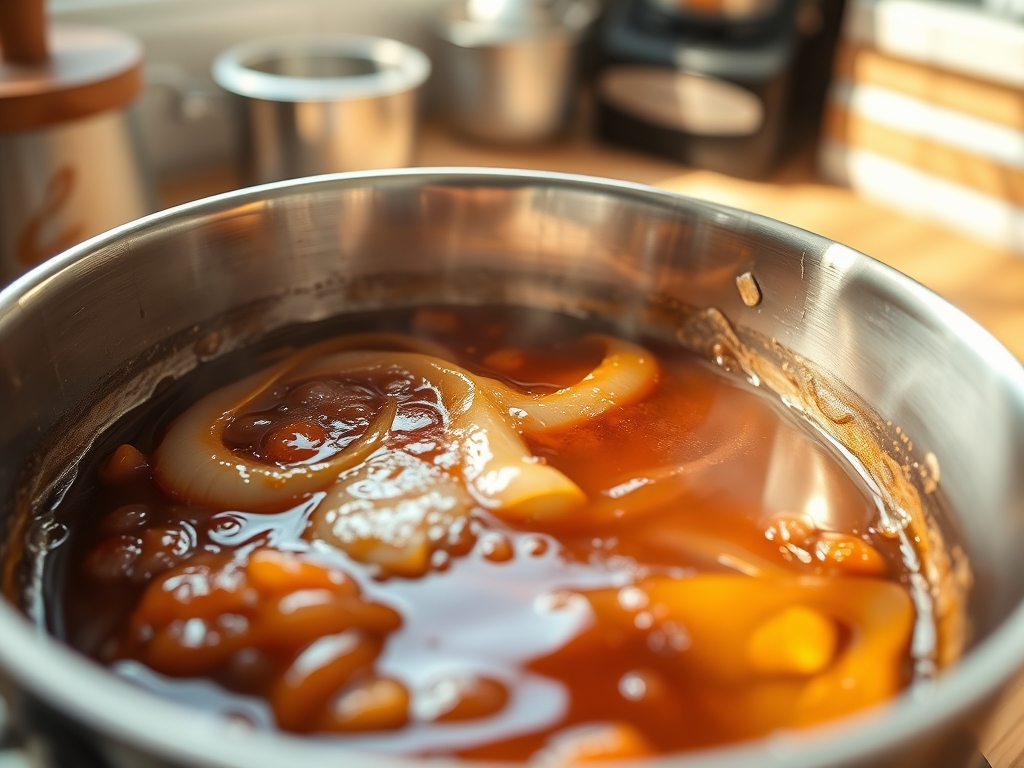
Bring the 2L of water to a rolling boil and slowly whisk in the sodium bicarbonate. Submerge each flattened disc for exactly 30 seconds. This process gelatinizes the surface starch, setting the stage for a massive Maillard reaction.
Pro Tip: Use a stainless steel spider or slotted turner to retrieve the thins. The alkaline solution changes the pH of the surface, which is what creates that iconic "pretzel" flavor profile and the dark, glossy finish.
5. The Thermal Execution
Arrange the thins on a parchment-lined heavy baking sheet. Sprinkle immediately with coarse salt and bake at 200C / 400F for 12 to 15 minutes, rotating the tray halfway through.
Pro Tip: Use a heavy-gauge aluminum baking sheet to prevent warping. Thin pans will buckle under high heat, causing uneven hot spots that lead to localized burning while the center remains "bready" and soft.
Section B: Prep & Timing Fault-Lines:
The most common failure in this audit is the "rebound effect," where the dough shrinks back after rolling. This is caused by over-active gluten tension. If the dough resists, cover it with a damp cloth and let it rest for 10 minutes to relax the proteins. Another critical error is overcrowding the alkaline bath; if the water temperature drops too significantly, the starch won't gelatinize properly, resulting in a dull, grey exterior. Work in small batches to maintain thermal mass.
THE VISUAL SPECTRUM
Section C: Thermal & Visual Troubleshooting:
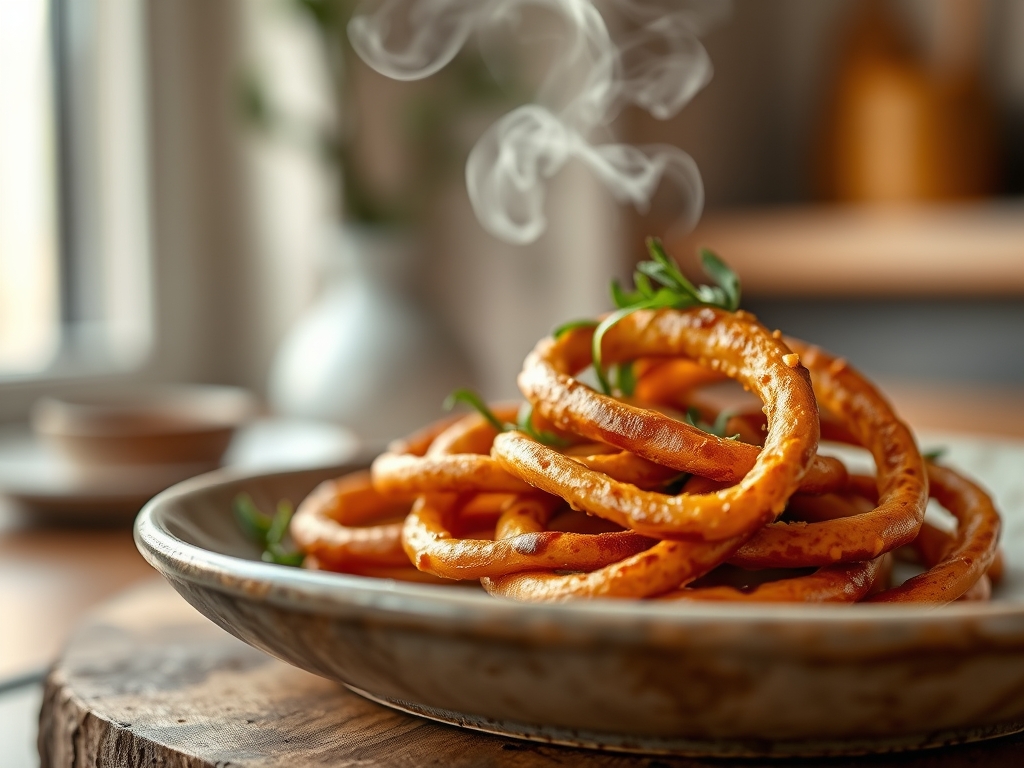
Referencing the Masterclass photo, your thins should exhibit a deep mahogany hue with a high-gloss sheen. If your thins appear pale and matte, your alkaline solution was too weak or the water wasn't hot enough. If you see large, unsightly bubbles (blistering), the dough was over-proofed or the oven temperature was too high, causing internal steam to expand too violently. A perfect audit result shows a flat, uniform surface with salt crystals "locked" into the crust. If the salt falls off after baking, you waited too long after the dip to apply it; the surface must be tacky to ensure a permanent bond.
THE DEEP DIVE
Macro Nutrition Profile:
Each serving (approx. 4 thins) contains 110 calories, 2g fat, 22g carbohydrates, and 3g protein. While high in sodium, they are significantly lower in fat than fried potato alternatives.
Dietary Swaps:
- Vegan: Replace the butter with a high-quality vegan block butter or coconut oil (solid state).
- Keto: This infrastructure is difficult to replicate without wheat, but a combination of almond flour and xanthan gum can approximate the shape, though the "snap" will be compromised.
- GF: Use a 1:1 gluten-free baking blend with added psyllium husk to provide the necessary elasticity for flattening.
Meal Prep & Reheating Science:
To maintain the molecular structure and prevent moisture absorption (staling), store in an airtight glass container with a silica desiccant pack. If they lose their snap, "flash" them in a 175C / 350F oven for 3 minutes to drive off surface moisture and re-crisp the starch lattice.
THE KITCHEN TABLE
Why are my pretzel thins soft in the middle?
Your infrastructure suffered from insufficient compression. If the dough is thicker than 2mm, the moisture in the center cannot escape before the exterior browns. Use a pasta roller for a more consistent, thinner gauge.
Can I use regular table salt for the topping?
Negative. Table salt lacks the structural presence and "crunch" required for this audit. Use Maldon or coarse sea salt to provide a piquant contrast to the deep, malty dough.
My alkaline bath bubbled over. What happened?
You added the sodium bicarbonate too quickly to boiling water. It creates a violent reaction. Add it slowly, teaspoon by teaspoon, and ensure you are using a deep saucier or stockpot to contain the foam.
How do I get that professional shine?
The shine is a result of the high pH bath gelatinizing the surface starches. For an even higher gloss, you can brush the thins with a light egg white wash after the alkaline dip but before the salt.