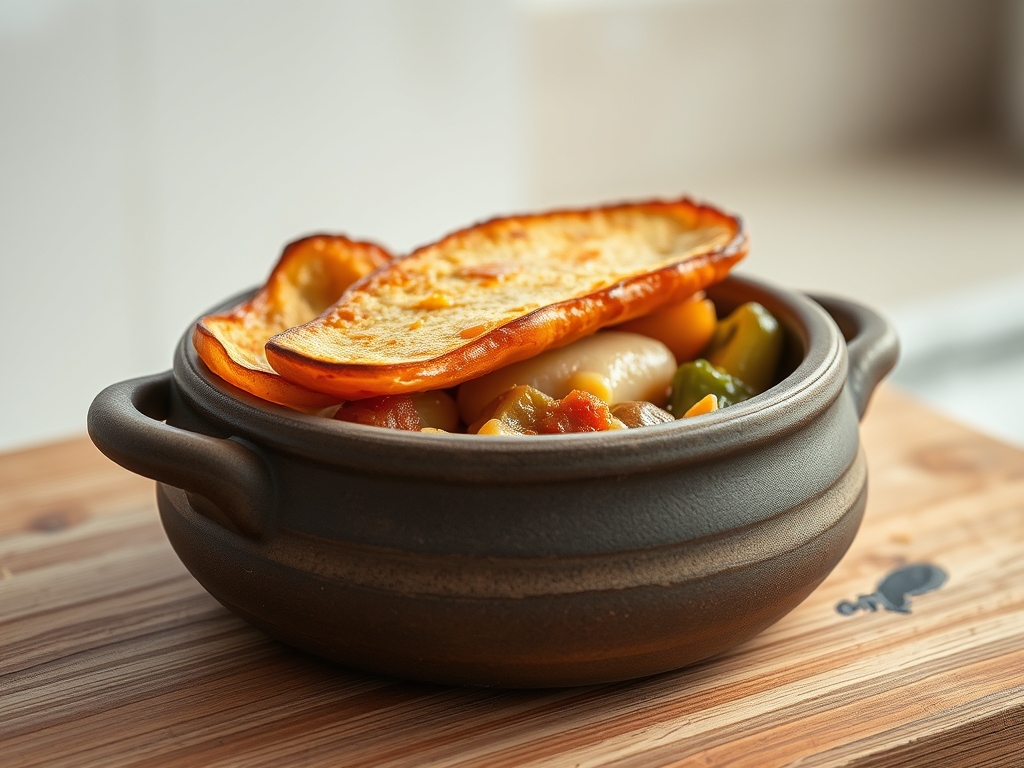
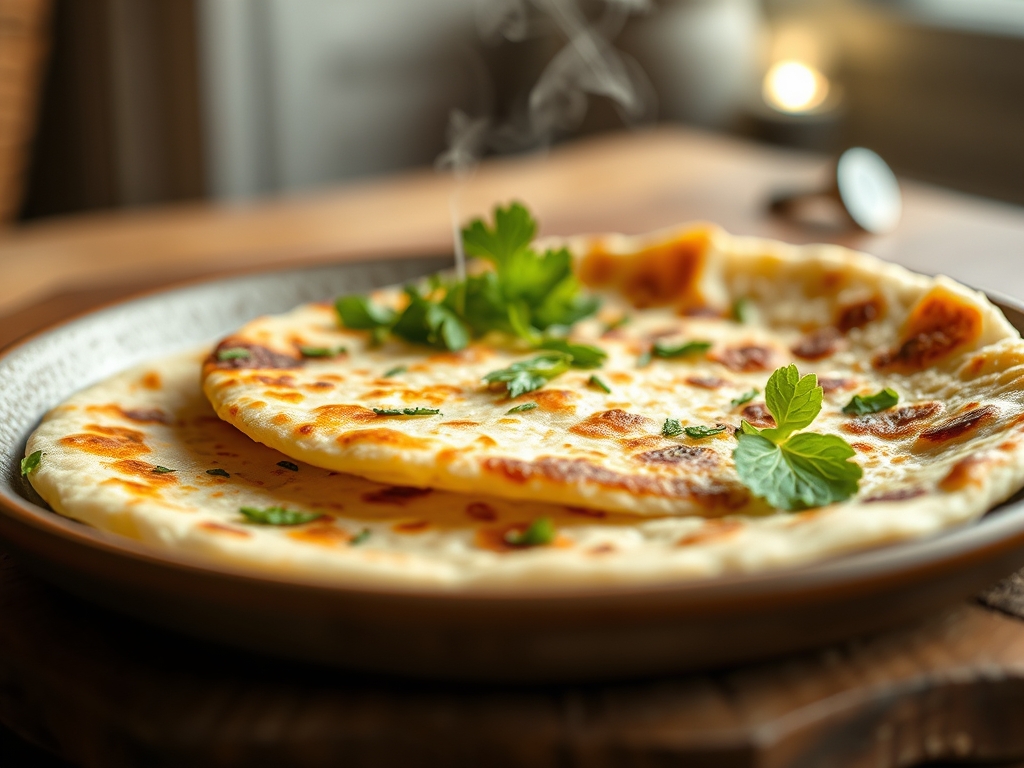
Imagine the percussive snap of a super-heated cast iron surface meeting a delicate, ivory-white disc of high-hydration dough. This is not your standard wheat-based utility bread; this is the Rice Flour Flatbread, a marvel of gluten-free engineering that relies on the precise gelatinization of starches rather than the elastic protein networks of traditional baking. When executed with surgical precision, the result is a shimmering, translucent crumb shielded by a crisp, micro-blistered exterior. The aroma is clean and toasted, lacking the heavy yeastiness of a loaf, instead offering a pure, cereal-sweet profile that acts as a perfect conduit for piquant curries or rich, rendered fats. Achieving this requires more than a recipe; it requires an audit of your thermal environment and hydration ratios. We are hunting for that elusive balance between a soft, pliable interior and a structural integrity that refuses to crumble. Prepare to recalibrate your understanding of unleavened dough as we strip away the fluff and focus on the raw molecular mechanics of the Rice Flour Flatbread.
THE DATA MATRIX
| Metric | Specification |
|---|---|
| Prep Time | 15 Minutes |
| Execution Time | 20 Minutes |
| Yield | 6 Flatbreads |
| Complexity (1-10) | 6 (Temperature Sensitivity) |
| Estimated Cost | $0.45 / Serving |
THE GATHERS
Ingredient Protocol:
- Fine White Rice Flour: 250g / 2 cups (Must be superfine to avoid grittiness)
- Filtered Water: 350ml / 1.5 cups (Boiling point is non-negotiable)
- Neutral Oil: 15ml / 1 tbsp (Rice bran or grapeseed preferred)
- Fine Sea Salt: 5g / 1 tsp
- Ghee or Butter: 30g / 2 tbsp (For finishing and surface lubrication)
Section A: Ingredient Quality Audit:
The primary failure point in a Rice Flour Flatbread is the particle size of the primary substrate. If your rice flour feels like beach sand between your thumb and forefinger, your dough will lack the necessary viscous cohesion, resulting in a "short" texture that breaks upon folding. The fix? Pulse your flour in a high-speed blender for 60 seconds to further aerate and refine the grain.
Secondly, water quality matters. High mineral content can interfere with the swelling of starch granules. If your tap water is excessively "hard," use filtered water to ensure the starch can fully hydrate without competing ions. Finally, check the age of your flour. Rice flour contains residual oils that can turn rancid; if the flour smells musty rather than neutral, discard it immediately. Freshness is the cornerstone of the flavor profile.
THE MASTERCLASS
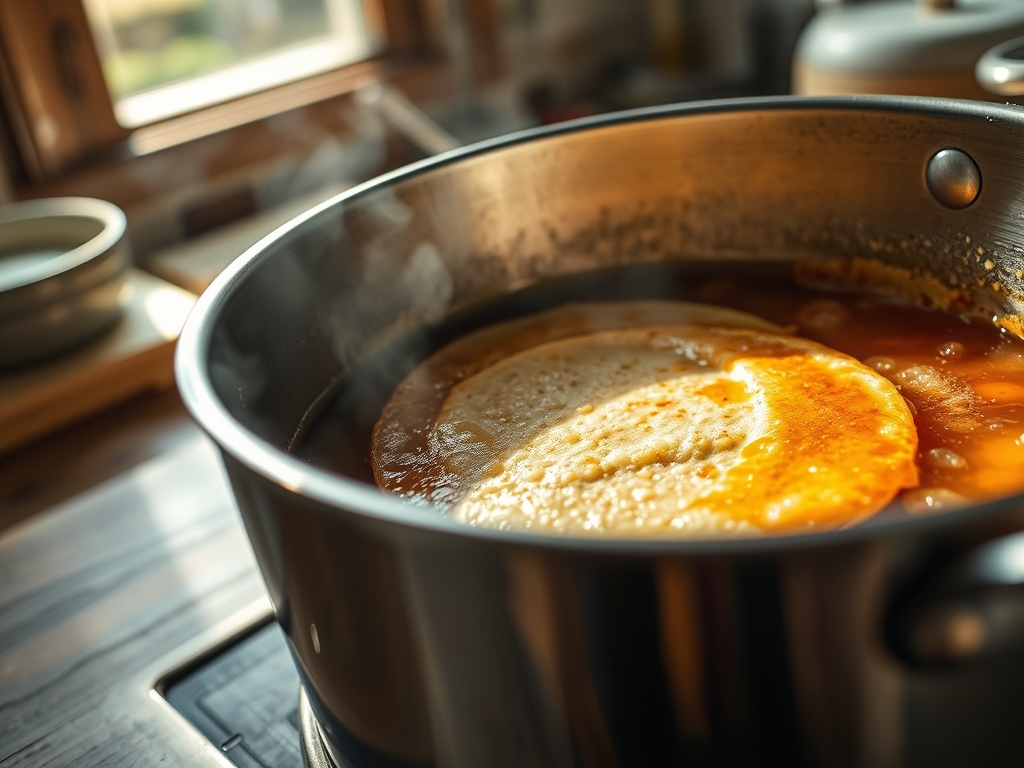
Step 1: The Thermal Hydration Phase
In a heavy-bottomed saucier, bring your filtered water, salt, and neutral oil to a rolling boil. The moment the surface breaks into aggressive bubbles, dump the rice flour into the center in one movement. Remove from heat and stir vigorously with a wooden paddle until a shaggy, cohesive mass forms.
Pro Tip: This is the pre-gelatinization stage. By introducing boiling water to the starch, you are forcing the granules to swell and burst, creating a natural "glue" that replaces the function of gluten. Use a digital scale for the water to ensure the hydration ratio is exactly 1.4:1.
Step 2: The Kneading Protocol
Transfer the hot dough onto a clean surface. While the dough is still uncomfortably warm, use a bench scraper to fold and press the mass. Once the temperature is manageable for your hands, knead for 3 to 5 minutes until the texture is smooth, glossy, and elastic.
Pro Tip: Do not wait for the dough to cool completely before kneading. The molecular bonds are most malleable while the starch is in its "alpha" state. If the dough cools too much, it will become brittle and impossible to roll without cracking.
Step 3: Portioning and Protection
Divide the dough into six equal spheres. Immediately cover them with a damp lint-free towel or an inverted glass bowl. Leaving the dough exposed to the air for even sixty seconds will cause a "skin" to form, which leads to structural failure during the rolling phase.
Pro Tip: Professional kitchens use a digital scale to weigh each ball (roughly 100g each) to ensure uniform cooking times across the entire batch. Consistency in mass leads to consistency in thermal absorption.
Step 4: The Precision Roll
Dust your work surface lightly with rice flour. Using a heavy rolling pin, flatten each ball into a 7-inch disc. Aim for a thickness of 2mm. Use your bench scraper to rotate the dough frequently, ensuring it does not adhere to the surface.
Pro Tip: If the edges fray or crack, your hydration was too low or your kneading was insufficient. You can "cheat" by using a circular bowl to cut perfect edges, but a well-hydrated dough should roll out smoothly without significant tearing.
Step 5: The High-Heat Sear
Heat a cast-iron skillet or carbon steel crepe pan until it reaches 425F (218C). Place the flatbread on the dry surface. Wait for small bubbles to appear on the surface (about 45 seconds), then flip. Press down gently with a clean cloth to encourage the steam to infuse the center and puff the bread.
Pro Tip: The "puff" is a sign of a perfect steam-seal. If the bread doesn't puff, your pan temperature is too low or your dough has micro-perforations. Use an infrared thermometer to verify your pan's surface temp before the first drop.
Section B: Prep & Timing Fault-Lines:
The most common human error is "The Hesitation." If you let the water stop boiling before adding the flour, the starch will not gelatinize, and you will end up with a watery slurry instead of a dough. You have a window of approximately 10 seconds to integrate the flour once the water hits the peak boil.
Another timing trap is the "Resting Trap." Unlike wheat dough, rice dough does not need to "relax" for long periods. A 5-minute rest is sufficient. If you leave it for 30 minutes, the moisture migrates and the exterior dries out, making the dough "short" and crumbly. Execute with speed and confidence.
THE VISUAL SPECTRUM
Section C: Thermal & Visual Troubleshooting:
Referencing our Masterclass photo, look for the "leopard spotting"—those small, dark brown charred circles. If your flatbread is a uniform, ghostly white, you haven't triggered the Maillard reaction or sufficient caramelization. Increase your heat. Conversely, if the bread has large black charred areas but is still gummy inside, your heat is too high; the exterior is burning before the internal moisture can flash into steam.
If the color is dull or grayish, your rice flour may be of the "brown" variety or contains impurities. A high-quality Rice Flour Flatbread should be bright white with distinct, sharp browning. If the texture looks "shaggy" or hairy on the edges, your rolling pin pressure was uneven. Aim for a smooth, matte finish that looks like parchment paper.
THE DEEP DIVE
Macro Nutrition Profile:
Per serving (1 flatbread), expect approximately 160 calories, 34g of carbohydrates, 2g of protein, and 3g of fat. This is a high-glycemic fuel source, making it an excellent post-workout carb or a clean energy companion to protein-heavy meals.
Dietary Swaps:
- Vegan: Use avocado oil or coconut oil instead of ghee.
- Keto: This is a starch-based dish; it cannot be made keto without replacing the rice flour entirely with almond/coconut flour and xanthan gum (a different recipe entirely).
- GF: Naturally gluten-free, but ensure your flour is processed in a certified GF facility to avoid cross-contamination.
Meal Prep & Reheating Science:
Rice starch undergoes retrogradation (crystallization) as it cools, which makes the bread go hard. To revive, do not use a toaster. Instead, wrap the bread in a damp paper towel and microwave for 20 seconds, or splash with water and reheat in a covered pan. This re-introduces moisture and "melts" the starch crystals back into a soft state.
THE KITCHEN TABLE
Why does my dough feel like wet sand?
Your water wasn't at a true rolling boil. The starch granules didn't burst, so they aren't holding onto the moisture. You must use water that is 212F (100C) to create a cohesive dough.
Can I use brown rice flour for this?
Yes, but the texture will be significantly denser and less pliable due to the bran and germ content. You may need to increase the water by 10% to account for the extra fiber.
Why did my flatbread fail to puff up?
Either your pan wasn't hot enough to create immediate steam, or your dough had a small tear that allowed the steam to escape. Ensure a high-heat surface and a smooth, un-perforated roll.
How do I keep them soft for a dinner party?
Stack the cooked flatbreads in an insulated container lined with a clean kitchen towel. The residual steam from the stack will keep the "crumb" soft and pliable for up to an hour.