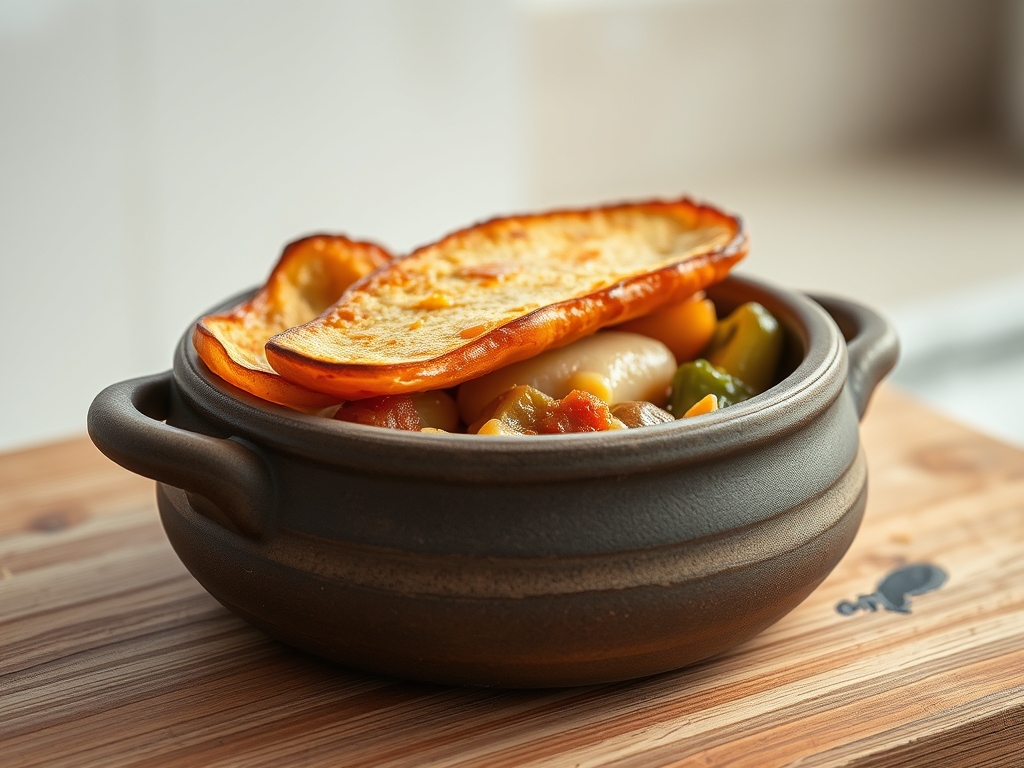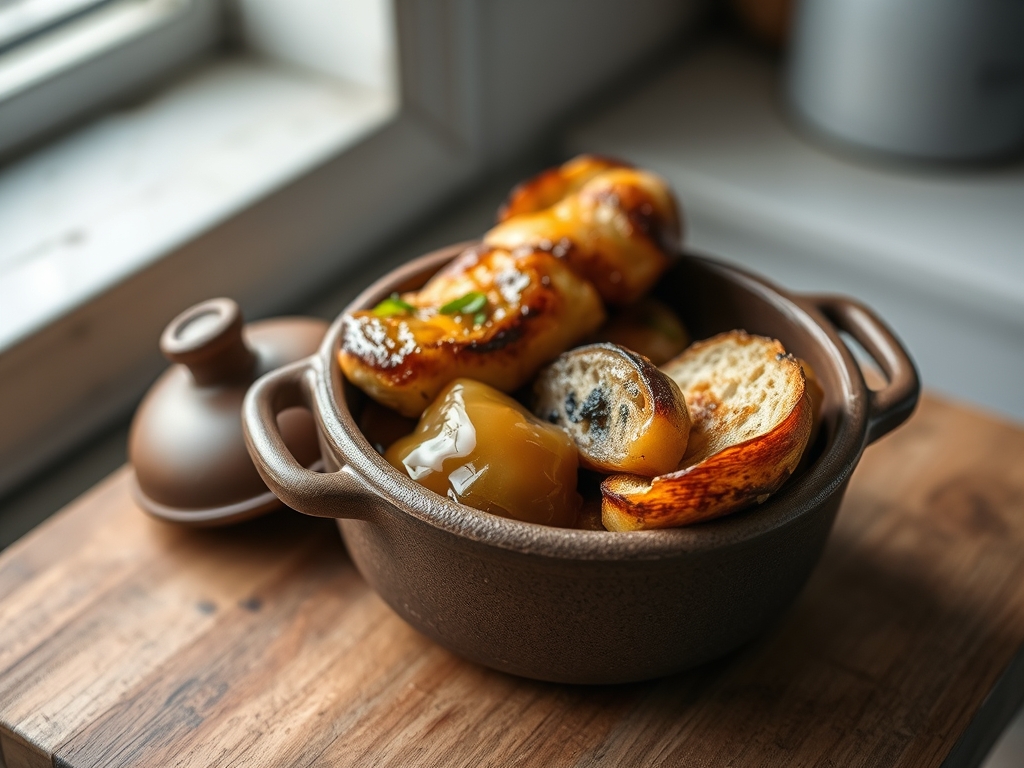
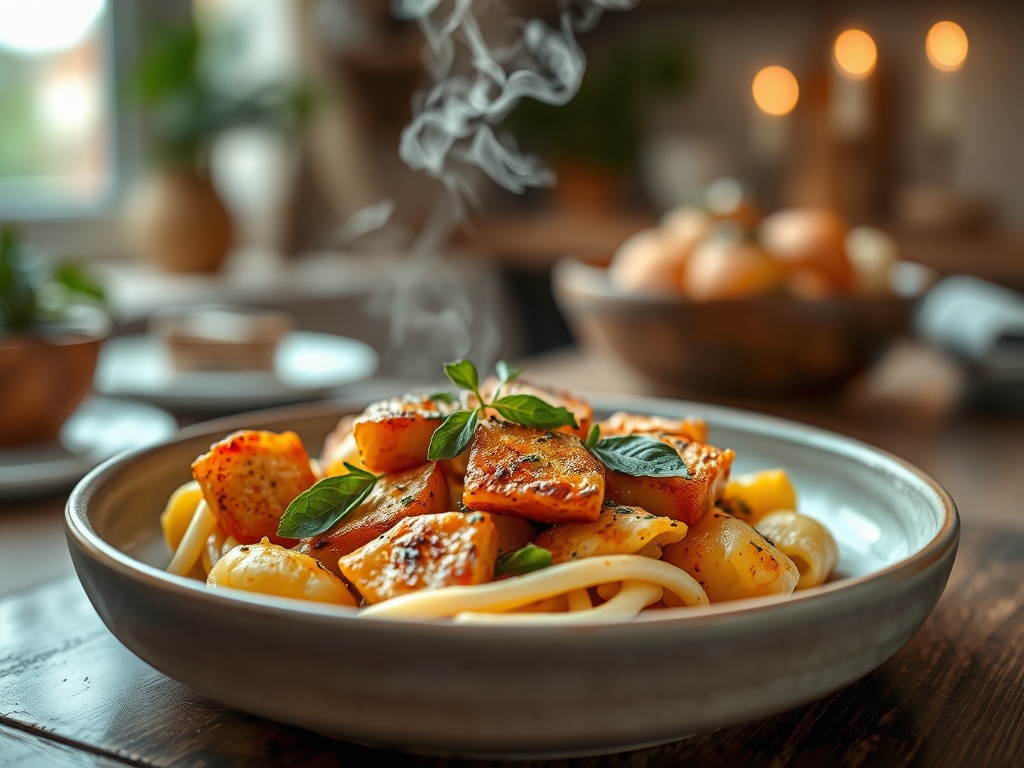
Forget everything you know about the pillowy, potato-based lumps that usually define the genre. We are entering the realm of Gnocchi di Roma Tech; a discipline where semolina is the structural steel and whole milk is the high-performance coolant. This is not a soft dumpling. This is a Roman grain disk, a rigid yet velvet-centered architectural marvel designed to withstand the searing heat of a broiler while maintaining a delicate, custard-like interior. When you drop high-protein semolina into a simmering bath of dairy, you are initiating a rapid hydration event that transforms dry grains into a viscous, workable paste. The goal is a perfect golden crust that shatters under the fork to reveal a kernel-free, homogenous matrix of richness. We are auditing the very foundation of Italian comfort food, stripping away the guesswork and replacing it with precise thermal control. If your current semolina game feels more like wet sand than refined marble, it is time to recalibrate your kitchen infrastructure and master the Gnocchi di Roma Tech protocol.
THE DATA MATRIX
| Metric | Specification |
|---|---|
| Prep Time | 20 Minutes |
| Execution Time | 45 Minutes (plus chilling) |
| Yield | 4 to 6 Servings |
| Complexity (1-10) | 6 |
| Estimated Cost per Serving | $1.75 |
THE GATHERS
Ingredient Protocol:
- 1 Liter / 4.2 Cups Whole Milk (3.5% fat minimum)
- 250g / 1.5 Cups Semolina Flour (Fine "Semola" grade)
- 50g / 3.5 Tbsp Unsalted Butter (High-fat European style)
- 2 Large Egg Yolks (Room temperature)
- 100g / 1 Cup Pecorino Romano (Freshly microplaned)
- 5g / 1 Tsp Fine Sea Salt
- 1g / 0.25 Tsp Freshly Grated Nutmeg
- Additional 30g / 2 Tbsp Butter (For the browning phase)
Section A: Ingredient Quality Audit:
Sub-par materials will compromise the structural integrity of your Gnocchi di Roma Tech. If your milk is ultra-pasteurized or low-fat, the protein chains will be too weak to support the semolina weight; fix this by whisking in 15ml of heavy cream to restore the lipid balance. If your semolina is too coarse (labeled as "couscous" or "coarse meal"), the disks will feel gritty. To troubleshoot, extend the initial hydration phase by three minutes to allow the larger particles to fully soften. Finally, pre-grated cheese contains anti-caking agents like cellulose that prevent proper emulsification; always use a microplane to ensure the cheese melts into the dough rather than forming oily clumps.
THE MASTERCLASS
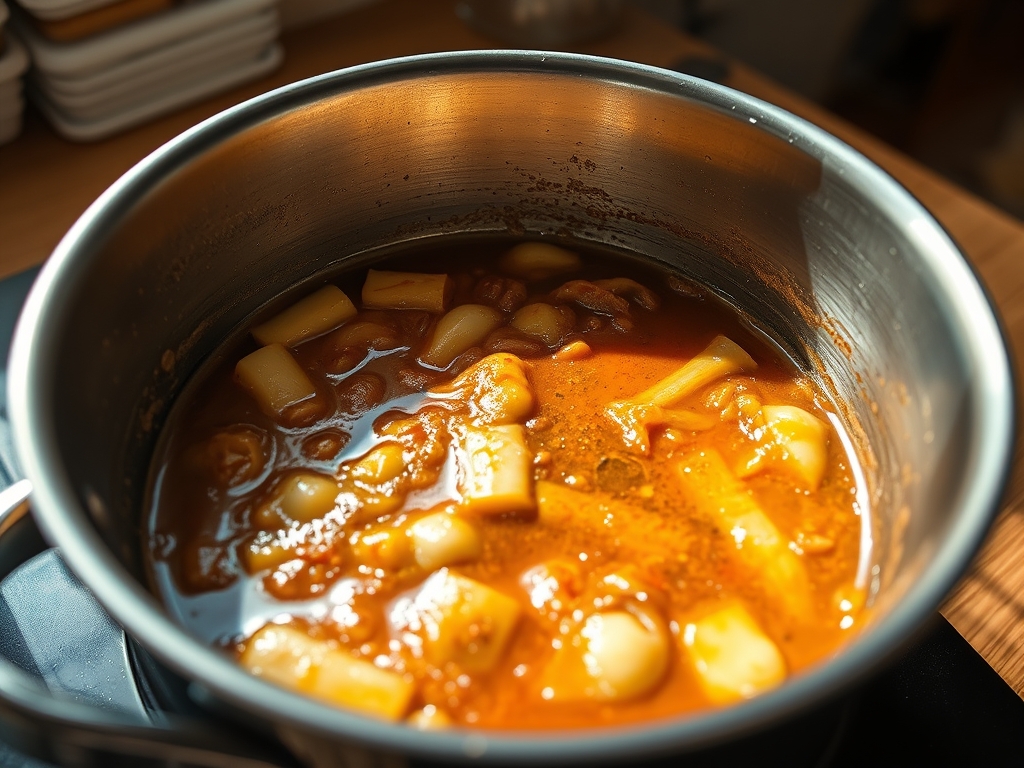
1. Thermal Hydration Setup
Begin by placing your heavy-bottomed saucier on a digital induction burner or steady flame. Combine the milk, salt, nutmeg, and the initial 50g of butter. Bring the liquid to a gentle simmer, not a rolling boil. A rolling boil evaporates too much water, throwing off your hydration ratio.
Pro Tip: Use a heavy-bottomed saucier to ensure even heat distribution. The sloped sides allow your whisk to reach every corner, preventing the milk solids from scorching and creating "hot spots" that ruin the flavor profile.
2. The Semolina Influx
Slowly rain the semolina into the simmering milk while whisking vigorously. The goal is to aerate the mixture slightly while preventing clumps. Once the mixture thickens into a heavy paste, switch from a whisk to a sturdy wooden spoon or a silicone spatula.
Pro Tip: This is a workout for your forearm. The starch granules are undergoing gelatinization; they are swelling and absorbing the liquid. If the mixture feels too resistant, reduce the heat immediately to prevent the bottom from burning.
3. Off-Heat Emulsification
Remove the pan from the heat source. Quickly beat in the egg yolks one at a time, followed by half of the Pecorino Romano. The residual heat will cook the yolks just enough to create a viscous, custard-like binder without curdling them.
Pro Tip: Use a digital scale to measure your cheese. Volume measurements are notoriously inaccurate for fluffy, grated cheese. Precise weight ensures the perfect salt-to-fat ratio for structural stability.
4. Geometric Molding
Transfer the hot dough onto a sheet of parchment paper or a clean marble slab. Use a bench scraper to flatten the mass to a uniform thickness of about 1 centimeter. Smooth the surface with a wet offset spatula to ensure a professional finish.
Pro Tip: A bench scraper is the most underrated tool in Gnocchi di Roma Tech. It allows you to create perfectly straight edges and ensures the dough is level, which is critical for even browning in the final stage.
5. The Cold Cure
Allow the dough to cool at room temperature for 15 minutes, then transfer it to the refrigerator for at least 40 minutes. The starch molecules need time to realign and firm up. Once cold, use a circular cutter or a sharp knife to stamp out your disks.
Pro Tip: Dip your cutter in cold water between every stamp. This prevents the dough from sticking to the tool and ensures the edges remain sharp and vertical for maximum visual impact.
6. The Maillard Execution
Arrange the disks in a buttered baking dish, overlapping them slightly like shingles. Top with the remaining cheese and small dots of butter. Broil on the top rack until the surfaces are deeply bronzed and bubbling.
Pro Tip: The Maillard reaction is your best friend here. The proteins in the milk and cheese react with the sugars under high heat to create a piquant, nutty crust that provides the necessary contrast to the soft interior.
Section B: Prep & Timing Fault-Lines:
Timing is the most common point of failure. If you add the eggs while the mixture is still on the high heat, you will end up with scrambled eggs inside your dough. If you cut the disks while the dough is still warm, they will lose their shape and turn into amorphous blobs. Ensure the dough is "fridge-cold" to the touch before attempting to stamp out your shapes. If the dough seems too soft even after chilling, you likely under-cooked the semolina during the hydration phase; next time, continue stirring until the mass pulls away cleanly from the sides of the pan.
THE VISUAL SPECTRUM
Section C: Thermal & Visual Troubleshooting:
The Masterclass photo illustrates the "Golden Standard" for Gnocchi di Roma Tech: a gradient of color from pale cream to deep mahogany. If your disks look dull or matte, you likely forgot the final butter dots; fat is the conductive medium that translates broiler heat into color. If the edges are charred but the centers are pale, your broiler is too close; move the rack down one notch. The texture should appear "set" but not dry. If you see cracks on the surface, the dough was left uncovered in the fridge, causing the surface to dehydrate. Always cover your dough with plastic wrap pressed directly onto the surface to maintain moisture.
THE DEEP DIVE
Macro Nutrition Profile:
This dish is a carbohydrate powerhouse fueled by complex durum wheat. Each serving provides approximately 320 calories, 12g of protein, and 14g of fat. The high protein content of the semolina and the addition of egg yolks provide a sustained energy release compared to standard potato gnocchi.
Dietary Swaps:
For a Vegan alternative, substitute milk with unsweetened soy milk (which has a similar protein profile) and use vegan butter and nutritional yeast. Note that the lack of egg yolks will result in a less "bouncy" texture. For Gluten-Free needs, use a fine corn grits or polenta flour, though the texture will be grainier and less "disk-like."
Meal Prep & Reheating Science:
Gnocchi di Roma Tech is a meal prep champion. You can stamp out the disks and keep them refrigerated for up to 3 days before the final broil. To maintain the molecular structure when reheating leftovers, avoid the microwave, which turns the starch gummy. Instead, use a toaster oven or a dry skillet to re-crisp the exterior while gently warming the core.
THE KITCHEN TABLE
Why is my dough sticking to the cutter?
The dough is likely too warm or your cutter is dry. Chill the dough longer and dip your tool in cold water between every single cut to ensure a clean, professional release.
Can I use pre-grated Parmesan?
Avoid it. Pre-grated cheeses contain potato starch or cellulose to prevent clumping. These additives interfere with the smooth emulsification required for a velvet-textured interior. Always grate fresh for the best results.
What if I don't have a saucier?
A standard saucepan works, but you must be more vigilant with your whisking. The 90-degree corners of a standard pot can trap dry semolina, leading to small, hard lumps in your finished disks.
Why did my gnocchi fall apart in the oven?
This usually indicates a lack of binder or insufficient chilling. Ensure you use both egg yolks and high-fat milk. The "Cold Cure" step is mandatory to set the starch matrix before heat is reapplied.