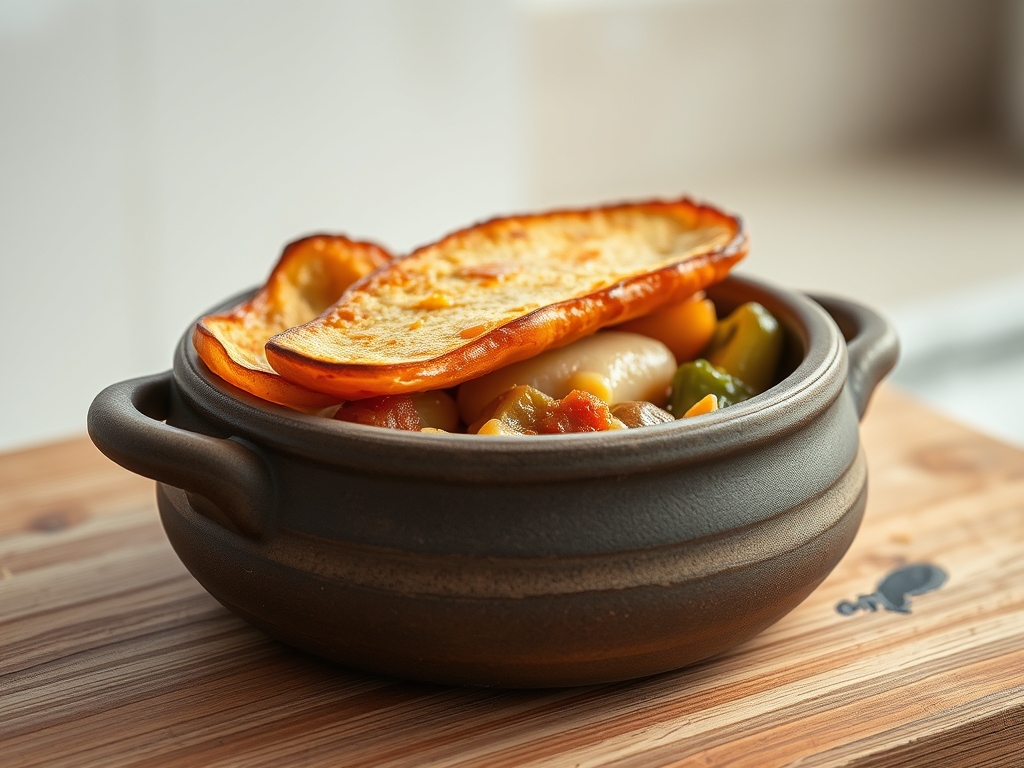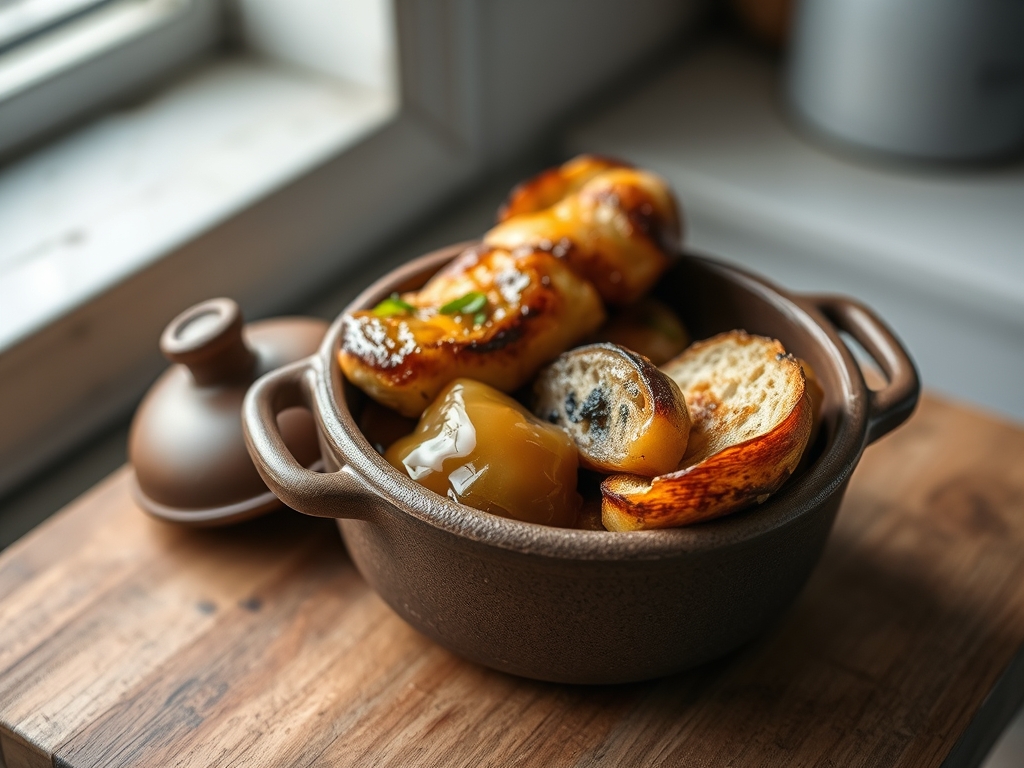
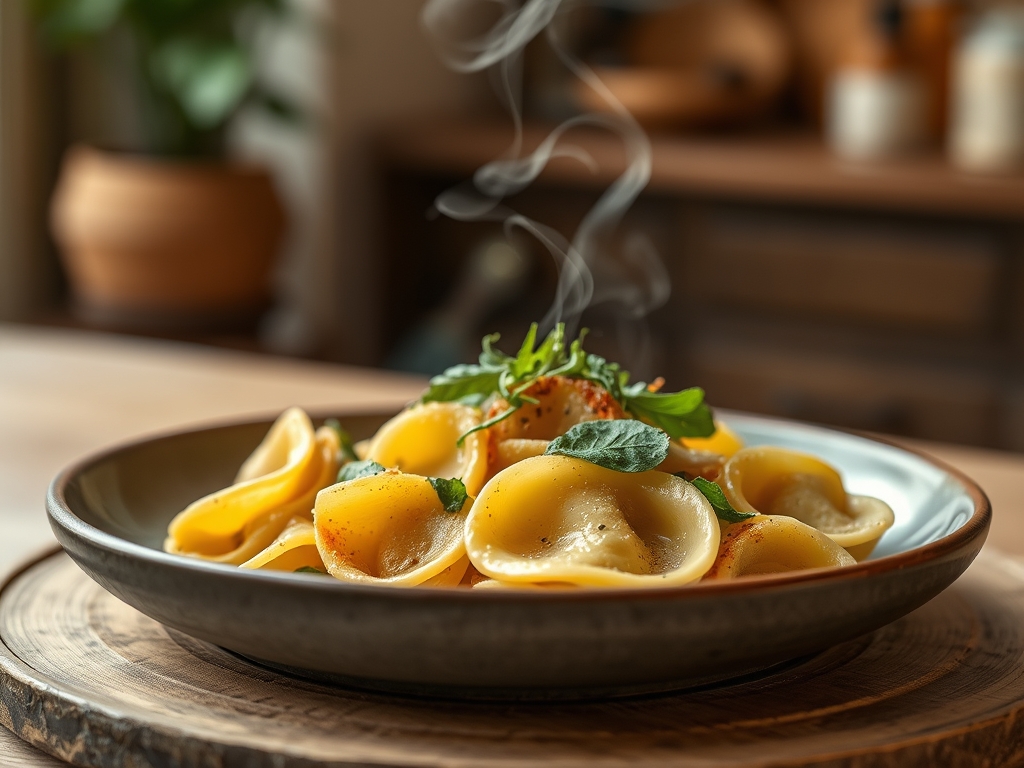
Listen to the sound of the bench scraper hitting the maple block. That rhythmic, metallic staccato is the heartbeat of a high performance kitchen. We are not just making dinner; we are engaging in a high stakes Tortellini Coil Audit. The goal is a structural masterpiece that defies the entropy of boiling water. Imagine a dough so elastic it feels like architectural silk, wrapped around a filling that possesses the perfect viscous density to resist leakage. We are looking for that iconic navel shape, a geometry that requires precise mechanical folding torque to achieve. If your pasta looks like a deflated tire, your audit has failed. We demand structural integrity and a piquant flavor profile that explodes upon the first bite. This is where flour meets physics. We will render the fat, infuse the aromatics, and ensure every single coil is a testament to culinary engineering. Strap in, sharpen your knives, and prepare to calibrate your kitchen for maximum gastronomic output. We are going deep into the grain.
THE DATA MATRIX
| Metric | Specification |
|---|---|
| Prep Time | 90 Minutes |
| Execution Time | 12 Minutes |
| Yield | 4 Servings (Approx. 80 units) |
| Complexity | 8 / 10 |
| Estimated Cost per Serving | $4.50 USD |
THE GATHERS
Ingredient Protocol:
- 400g / 3.25 cups "00" Flour (High protein content)
- 4 Large Egg Yolks plus 2 Whole Eggs (Room temperature)
- 5ml / 1 tsp Extra Virgin Olive Oil
- 200g / 7oz Mortadella (Finely minced)
- 100g / 3.5oz Prosciutto di Parma (Aged 24 months)
- 150g / 1.25 cups Parmigiano Reggiano (Microplaned)
- 1g / 0.25 tsp Nutmeg (Freshly grated)
- 15g / 1 tbsp Unsalted Butter (High fat content)
Section A: Ingredient Quality Audit:
If your flour feels gritty or lacks the powdery consistency of talc, your hydration levels will fluctuate wildly. Sub-par "00" flour often lacks the gluten potential needed for the Tortellini Coil Audit. To fix this, sift your flour twice to aerate the particles and ensure even moisture absorption. If your eggs are cold, the proteins will be sluggish; place them in a warm water bath for five minutes to reach an optimal 21 degrees Celsius. For the filling, if the Mortadella appears "sweaty," it has been stored at improper temperatures. Pat it dry with lint-free towels before mincing to prevent the filling from becoming a soggy mess that compromises the dough's structural walls.
THE MASTERCLASS
1. The Hydration Phase
Create a well in your flour on a clean marble surface. Add your eggs and oil to the center. Using a fork, gradually incorporate the flour from the inner rim. Once a shaggy mass forms, switch to your bench scraper to gather the stray fragments.
Pro Tip: The science of gluten development relies on mechanical energy. Knead the dough for exactly ten minutes until it reaches a "tacky" but not "sticky" state. Use a digital scale to ensure your dough ball weighs within 2 percent of your calculated ingredient total.
2. The Molecular Rest
Wrap the dough tightly in plastic film. Let it sit at room temperature for 30 to 60 minutes. This allows the flour to fully hydrate and the gluten network to relax.
Pro Tip: This resting period prevents "snap-back" during the rolling phase. Without this, the elasticity will be too high, making it impossible to achieve the translucent thinness required for a successful Tortellini Coil Audit.
3. The Filling Emulsification
Combine your minced meats, cheese, and nutmeg in a chilled bowl. Work the mixture with a spatula until it forms a cohesive, viscous paste. There should be no visible air pockets.
Pro Tip: Use a high speed food processor in short pulses to infuse the flavors without melting the fats. If the fat begins to render at room temperature, the filling will separate during the cooking process.
4. The Mechanical Fold
Roll the dough through a pasta machine until you can see the grain of the wood through the sheet. Cut into 4cm squares. Place a pea-sized amount of filling in the center. Fold into a triangle, then wrap the corners around your pinky finger and press to seal.
Pro Tip: This is the core of the Tortellini Coil Audit. The "torque" applied during the wrap determines if the pasta stays sealed. Ensure the edges are dry enough to grip but moist enough to fuse.
5. The Thermal Execution
Bring a large saucier of salted water to a rolling boil. Drop the tortellini in batches. They are finished exactly 60 seconds after they float to the surface.
Pro Tip: Use a spider strainer rather than a colander to prevent mechanical damage to the delicate coils. Immediately toss in a pan with emulsified butter and pasta water to deglaze the starch and create a glossy coating.
Section B: Prep & Timing Fault-Lines:
The most common human error is the "Drying Gap." If the cut dough squares sit too long before folding, they lose their adhesive properties. Work in small batches of ten. If the room is too hot, the fat in the filling will liquefy, leading to "blowouts" in the boiling water. Maintain a kitchen temperature of 20 degrees Celsius. If your timing is off and the pasta overcooks, the starch molecules will over-expand, turning your architectural masterpiece into a gummy disaster.
THE VISUAL SPECTRUM
Section C: Thermal & Visual Troubleshooting:
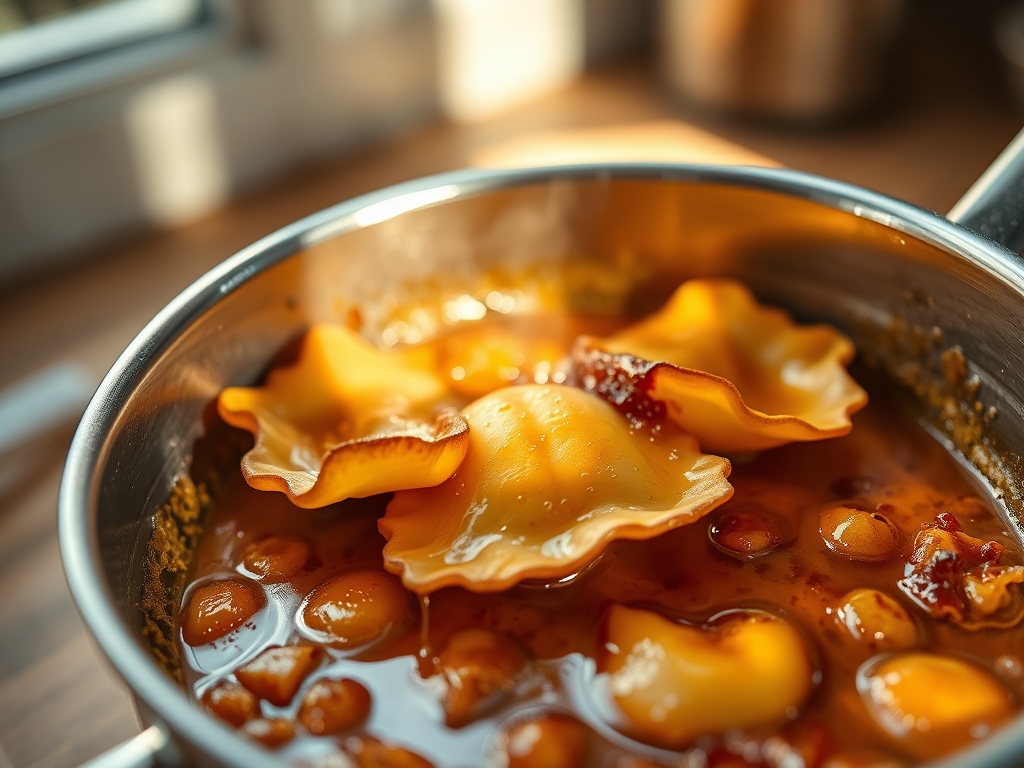
Look at the Masterclass photo. Notice the "Alabaster Glow" of the dough; it should be semi-translucent, allowing a hint of the pink filling to show through without tearing. If your tortellini look dull or grey, you likely under-salted the water or used oxidized flour. Uneven browning in the butter sauce suggests you failed to maintain a constant agitation of the saucier. The "navel" should be tight and centered. If the coil is loose, your mechanical torque was insufficient. If the edges appear white and chalky, they are undercooked; if they are translucent and drooping, they are over-hydrated and structurally compromised.
THE DEEP DIVE
Macro Nutrition Profile:
A standard serving contains approximately 450 calories. You are looking at 22g of protein, 18g of fat, and 50g of complex carbohydrates. It is a high density fuel source designed for recovery and satiety.
Dietary Swaps:
For a Vegan audit, replace eggs with a silken tofu and turmeric slurry for color and binding. Use a mushroom and walnut pate for the filling to mimic the savory depth of the meats. For Gluten-Free requirements, utilize a blend of rice flour and xantham gum, though be warned: the mechanical torque threshold is significantly lower.
Meal Prep & Reheating Science:
To maintain molecular structure, flash-freeze raw tortellini on a parchment-lined tray before bagging. When reheating, do not microwave. Instead, steam them for three minutes to rehydrate the starch without vibrating the water molecules into a mushy state.
THE KITCHEN TABLE
Why do my tortellini open during boiling?
This is a failure of the seal. Either the dough was too dry or you trapped an air pocket inside. Ensure a tight, pressurized wrap around the finger to expel all oxygen before the final seal.
Can I use a food processor for the dough?
Yes, but you must finish it by hand. The processor lacks the sensory feedback needed to judge gluten elasticity. Use it to combine, then knead on the board to calibrate the texture.
What is the best cheese for the filling?
Always use aged Parmigiano Reggiano. Its low moisture content and high protein crystals provide the structural "grit" needed to keep the filling from turning into a liquid during the thermal phase.
How thin should the pasta sheet actually be?
In a professional audit, you should be able to read a newspaper through the dough. If it is too thick, the coil will be chewy and the center will remain undercooked.
Why add olive oil to the dough?
The oil acts as a lubricant for the gluten strands. It provides a subtle sheen and increases the "stretch" factor, allowing for more aggressive torque during the folding process without snapping.