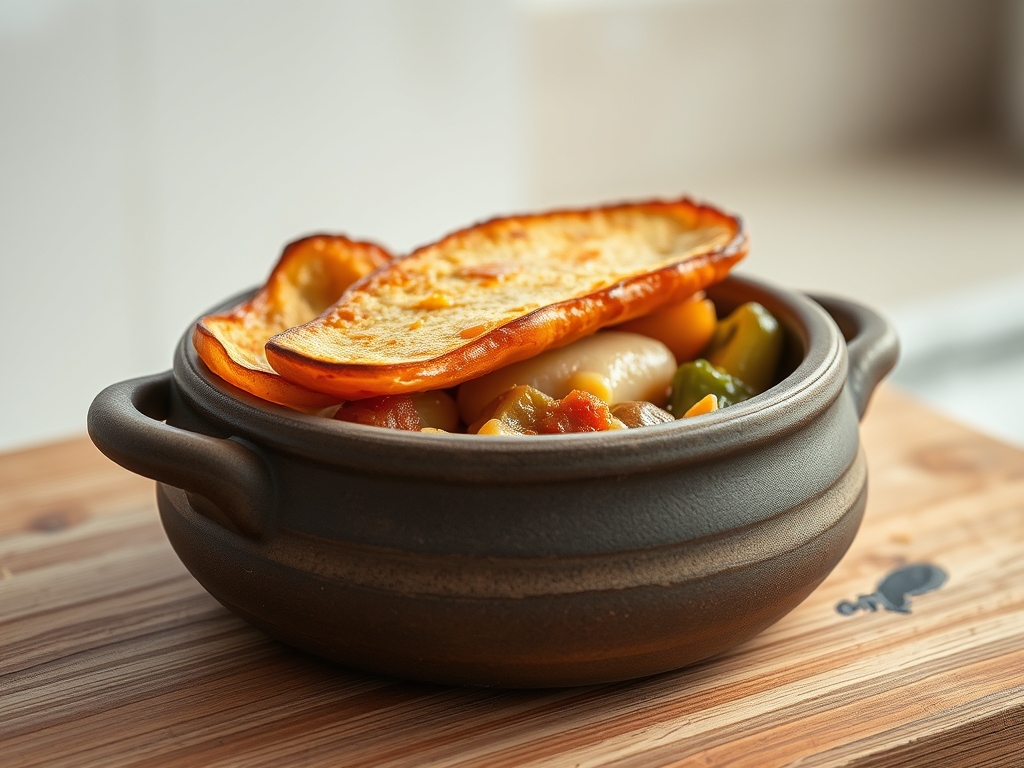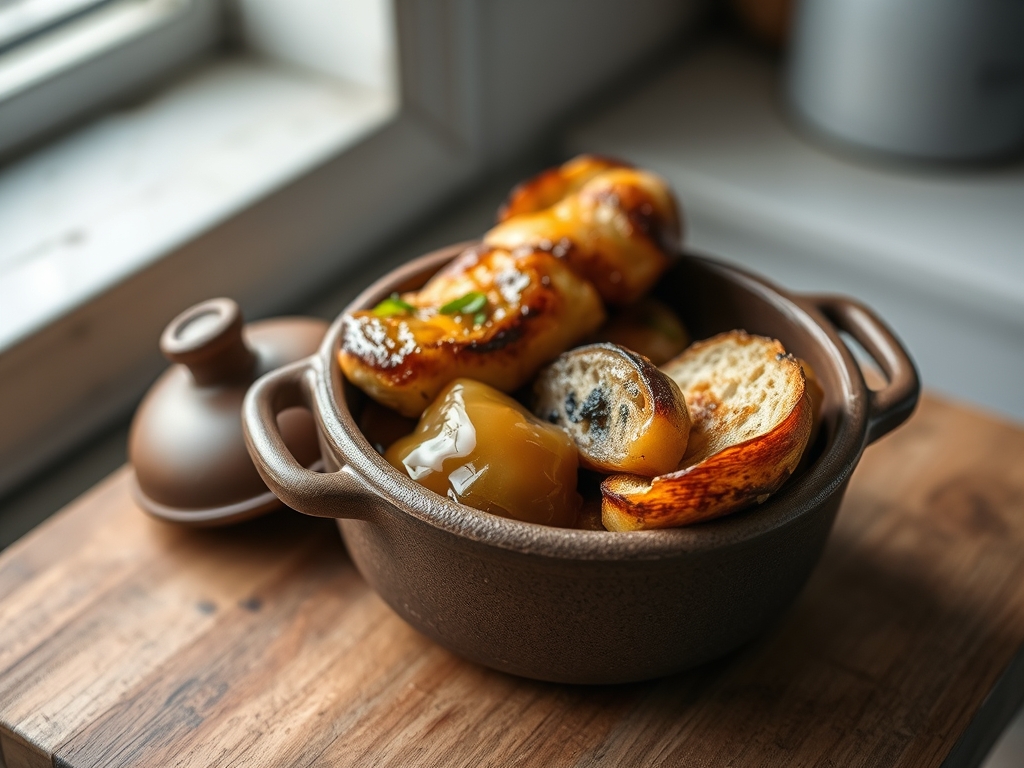
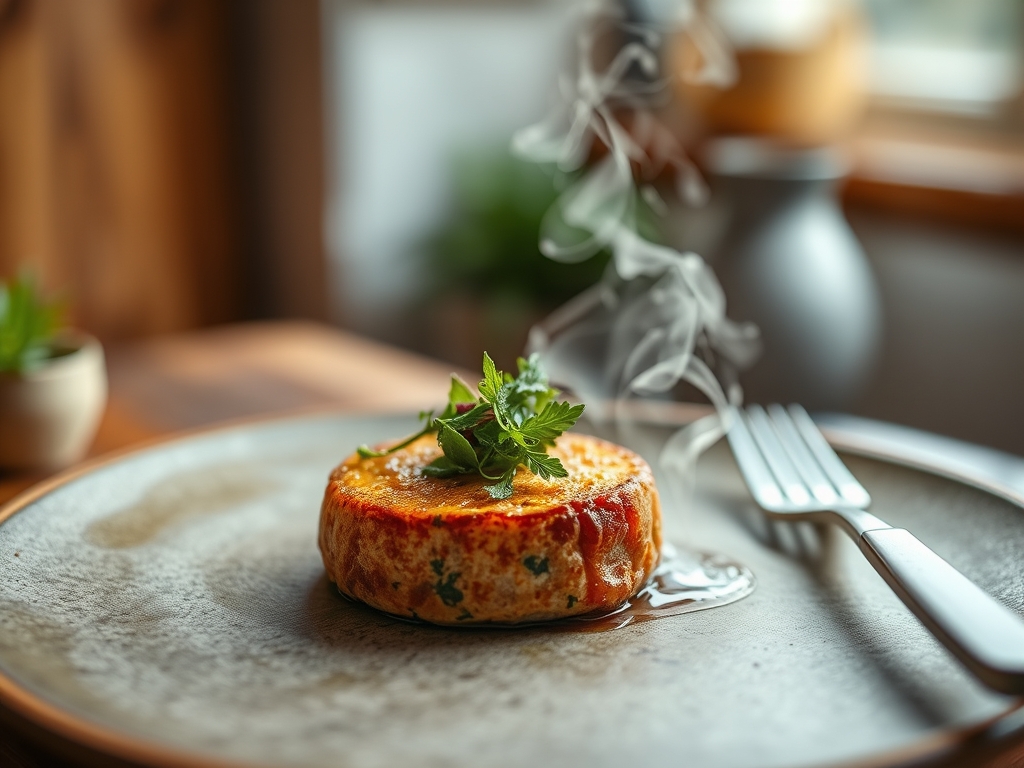
Forget everything you know about the airy, commercial "black bread" found in plastic bags at the local supermarket. We are entering the realm of architectural baking where the primary metric of success is Pumpernickel Density. This is not merely a loaf; it is a thermal achievement. Imagine a crumb so compressed it feels like tectonic plate movement in your palm. The aroma is a violent collision of deep cocoa, fermented earth, and the sharp, piquant tang of long-form lactic acid development. When you slice into a true pumpernickel, the blade should meet resistance that borders on the stubborn. We are talking about a bread that is brewed as much as it is baked. The Maillard reaction here is not a surface-level tan; it is a deep, structural transformation that occurs over sixteen hours of low-temperature saturation. This is the infrastructure of the grain being dismantled and rebuilt into a dark, viscous masterpiece. If your loaf doesn't have the gravitational pull of a small planet, you have failed the audit. Prepare to recalibrate your understanding of gluten, steam, and time.
THE DATA MATRIX
| Metric | Specification |
|---|---|
| Prep Time | 45 Minutes (Active) |
| Execution Time | 16 to 24 Hours (Thermal Processing) |
| Yield | 2 Heavy Loaves (Approx. 1.2kg each) |
| Complexity (1-10) | 8 (Requires strict thermal discipline) |
| Estimated Cost per Serving | $0.85 USD |
THE GATHERS
Ingredient Protocol:
- 500g / 3.5 cups Coarse Organic Rye Meal (Pumpernickel Flour)
- 250g / 1.75 cups Active Rye Sourdough Starter (100% hydration)
- 350ml / 1.5 cups Filtered Water (Heated to 32C / 90F)
- 100g / 0.5 cup Cracked Rye Berries (Pre-soaked for 12 hours)
- 60ml / 4 tbsp Dark Unsulphured Molasses
- 15g / 2.5 tsp Fine Sea Salt
- 10g / 2 tsp Caraway Seeds (Whole)
- Optional: 30g / 0.25 cup High-Quality Cocoa Powder (For color depth)
Section A: Ingredient Quality Audit:
If your rye meal feels powdery rather than gritty, your Pumpernickel Density will suffer. Fine flour creates a cake-like structure that cannot withstand the long steam cycle. Fix this by incorporating more cracked rye berries to provide structural scaffolding. If your sourdough starter lacks a sharp, vinegary punch, your bread will taste flat. Boost the acidity by letting your starter ferment at a lower temperature (18C / 65F) for a longer duration before mixing. Finally, avoid "blackstrap" molasses if you want a balanced sweetness; its mineral bitterness can overwhelm the delicate fermentation notes of the rye.
THE MASTERCLASS
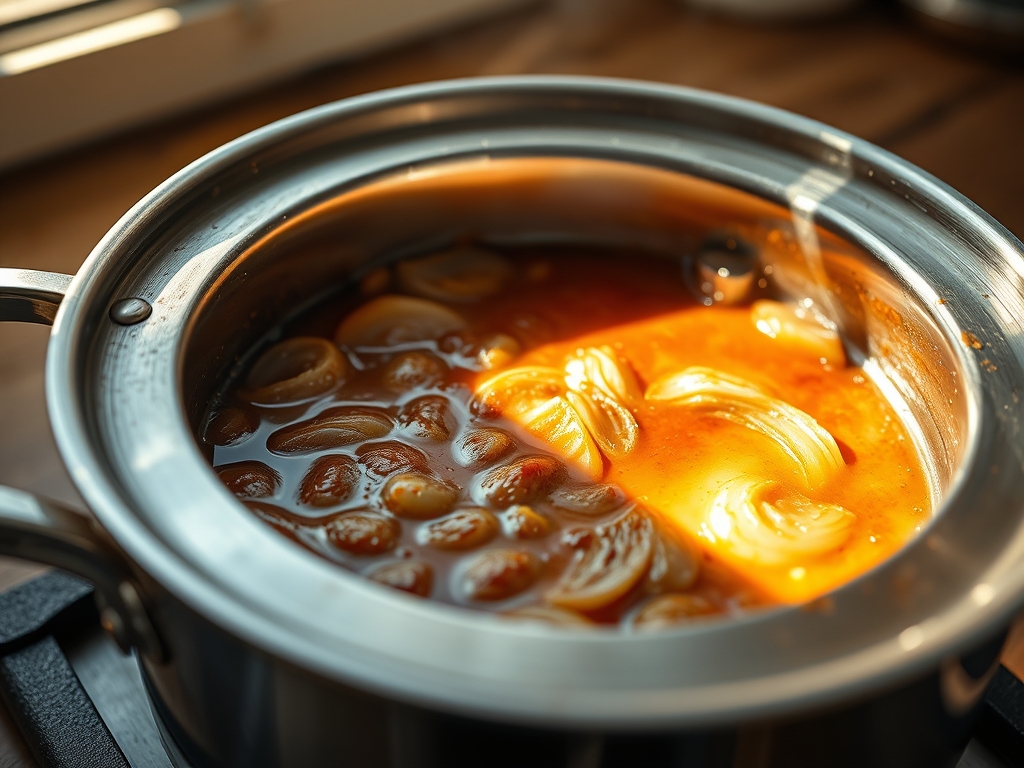
Step 1: The Hydration Phase
Combine the rye meal, soaked berries, and water in a large ceramic bowl. Use a digital scale to ensure precision to the gram. Rye contains high levels of pentosans, which absorb massive amounts of water compared to wheat. You are looking for a "mud-like" consistency that holds its shape when pressed.
Pro Tip: This phase allows the enzymes to begin breaking down complex starches into simple sugars. Using a silicone spatula, scrape the sides of the bowl to ensure every grain is hydrated; dry pockets are the enemy of a uniform crumb.
Step 2: Inoculation and Flavor Infusion
Incorporate the rye starter, molasses, salt, and caraway seeds. Do not look for gluten development; rye lacks the protein structure for traditional kneading. Instead, use a bench scraper to fold the mass over itself until it is homogenous and incredibly viscous.
Pro Tip: The molasses isn't just for color; it provides the sugars necessary for the long-term Maillard reaction. A saucier can be used to lightly warm the molasses and salt together before adding, ensuring even distribution throughout the dense dough.
Step 3: The Compression Mold
Transfer the dough into heavy-duty Pullman pans. Use the back of a wet spoon to smooth the surface. The goal is to eliminate all air pockets. The Pumpernickel Density is achieved by physical compaction before the lid is slid into place.
Pro Tip: Professionals use a heavy-duty metal press or a weighted lid to ensure the dough expands horizontally into the corners of the pan. This creates the iconic square silhouette and a crust-to-crumb ratio that is perfectly balanced.
Step 4: Long Phase Thermal Processing
Place the pans in an oven preheated to 150C (300F). After one hour, drop the temperature to 100C (212F) and leave it for 12 to 14 hours. This is not baking; it is a controlled dehydration and caramelization process.
Pro Tip: Place a roasting pan filled with water at the bottom of the oven. This creates a high-humidity environment that prevents the crust from hardening prematurely, allowing the interior starches to fully gelatinize without losing moisture.
Section B: Prep & Timing Fault-Lines:
The most common failure is pulling the loaf too early. If the internal temperature has not stabilized at 98C (208F) for several hours, the center will be gummy. Use a digital probe thermometer to audit the internal state. If the dough rises too fast and hits the lid, your starter was too warm. Next time, use cooler water to slow down the yeast, allowing the bacteria more time to infuse the grain with flavor.
THE VISUAL SPECTRUM
Section C: Thermal & Visual Troubleshooting:
Referencing the Masterclass photo, notice the "obsidian" sheen on the crust. If your loaf appears pale or medium brown, your oven temperature was likely too low, or you skipped the molasses. A dull, matte finish usually indicates a lack of steam during the first four hours of processing. If you see large holes (tunneling), the dough was not packed tightly enough into the pan. True Pumpernickel Density is visually confirmed by a solid, clay-like cross-section with no visible aeration. If the edges are burnt but the center is soft, your oven has "hot spots." Use a pizza stone to distribute heat more evenly across the base of your pans.
THE DEEP DIVE
Macro Nutrition Profile
A single 50g slice of high-density pumpernickel is a nutritional powerhouse. It typically contains 120 calories, 4g of protein, and a staggering 6g of dietary fiber. Because of the long fermentation and high acidity, it has one of the lowest Glycemic Index ratings of any bread, making it ideal for sustained energy without insulin spikes.
Dietary Swaps (Vegan/Keto/GF)
This recipe is naturally vegan. For a Gluten-Free version, substitute rye with a blend of buckwheat groats and sorghum flour, though the "density" will be harder to achieve without rye's unique pentosans. A Keto version is virtually impossible given that the structural integrity of this bread relies entirely on complex grain starches.
Meal Prep & Reheating Science
Pumpernickel is the king of shelf life. Due to its high acidity and moisture content, it can last two weeks at room temperature if wrapped in linen. To reheat, avoid the microwave, which will turn the starches rubbery. Instead, use a toaster oven to render the surface fats if buttered, or steam the slice for 30 seconds to restore its original supple texture.
THE KITCHEN TABLE
Why is my pumpernickel crumbling when sliced?
You likely sliced it too soon. This bread requires a 24-hour "setting" period post-bake. During this time, moisture redistributes from the center to the edges, stabilizing the molecular structure of the rye starches for a clean, dense cut.
Can I make this without a Pullman pan?
It is difficult. The Pullman pan provides the necessary "back pressure" to achieve the signature Pumpernickel Density. Without a lid, the bread will expand upward and lose the tightly packed crumb that defines the style.
Does the cocoa powder affect the flavor?
Only slightly. It adds a faint earthy bitterness that complements the rye. Its primary purpose in modern baking is to ensure a deep, dark aesthetic if your thermal processing time is on the shorter end of the spectrum.
Is it normal for the bread to feel heavy?
Yes. A successful loaf should feel significantly heavier than a standard loaf of white bread. This weight is a direct indicator of the moisture retention and grain concentration required for authentic long-phase thermal processing.