The scent of a high volume fruit dough laboratory is not merely a smell; it is a chemical assault on the senses. We are talking about the high stakes world of Panettone Fermentation, where the air is thick with the esters of wild yeast and the heavy, intoxicating aroma of butterfat undergoing molecular restructuring. This is not a hobbyist's weekend project. This is a multi day engineering feat that requires the precision of a watchmaker and the patience of a saint. You are building a structural lattice of gluten capable of suspending kilograms of candied citrus and raisins in a cloud of aerated dough. When the oven heat hits that delicate matrix, the expansion is violent and glorious. The resulting crumb must be long, feathery, and intensely yellow, shimmering with the richness of high grade egg yolks. If you fail to respect the microbial growth phase, you are left with a dense, acidic brick. If you succeed, you have created the ultimate architectural achievement in the culinary arts. Let us audit your infrastructure.
THE DATA MATRIX
| Metric | Specification |
|---|---|
| Prep Time | 72 Hours (Including Sourdough Refreshment) |
| Execution Time | 12 Hours (Mixing and Baking) |
| Yield | 4 Standard 1kg Loaves |
| Complexity (1-10) | 10 |
| Estimated Cost per Serving | $4.50 |
THE GATHERS
Ingredient Protocol:
- 1000g / 8 cups High Protein Bread Flour (14% Protein minimum)
- 400g / 1.75 cups Unsalted European Style Butter (82% Fat)
- 250g / 1.25 cups Caster Sugar
- 300g / 1.25 cups Triple Refined Water
- 200g / 0.85 cups Active Pasta Madre (Stiff Sourdough Starter)
- 12 / 12 Large Egg Yolks (Room Temperature)
- 10g / 2 tsp Fine Sea Salt
- 500g / 3 cups Mixed Candied Peel and Sultanas
- 2 / 2 Whole Vanilla Beans (Scraped)
Section A: Ingredient Quality Audit:
If your flour lacks the necessary protein content, the dough will collapse under the weight of the inclusions. Use a strength-tested flour specifically milled for long fermentation. If your butter is too cold, it will not emulsify into the gluten network; it will instead break the strands, resulting in a greasy, heavy crumb. Ensure all fats are at a pliable 20 degrees Celsius. If your candied fruit is dry or hard, it will rob moisture from the dough. Fix this by performing a rapid infusion; soak the fruit in a warm sugar syrup or liqueur for 24 hours and drain thoroughly before use.
THE MASTERCLASS
1. The Primo Impasto (First Dough)
Combine the active sourdough starter with the water and a portion of the flour in a high capacity stand mixer. Add the sugar and yolks gradually to maintain the viscous integrity of the mass. Mix until the dough reaches full gluten development, appearing smooth and elastic.
Pro Tip: Use a digital thermometer to ensure the dough temperature never exceeds 26 degrees Celsius. Friction from the mixer can cook the yeast prematurely; if the temperature climbs, pause and rest the dough in the refrigerator.
2. The Triple Volume Expansion
Place the primo impasto in a transparent, graduated fermentation vessel. Allow it to rise at a constant 28 degrees Celsius until it has exactly tripled in volume. This phase is critical for the Panettone Fermentation profile, developing the complex acids that provide shelf life and flavor.
Pro Tip: Use a bench scraper to clean the sides of the vessel perfectly. Any stray dough left on the walls will dry out and create hard lumps in your final product.
3. The Secondo Impasto (Second Dough)
Deflate the tripled dough and return it to the mixer. Incorporate the remaining flour, salt, and vanilla. Once the gluten is re established, slowly infuse the remaining butter and yolks. The dough should look like polished silk. Finally, fold in the fruit at the lowest speed to avoid tearing the structure.
Pro Tip: Use a saucier to gently melt a tiny fraction of the butter if the dough is struggling to incorporate the fats, but never let it become oily.
4. Shaping and Final Proof
Divide the dough into 1kg portions and perform a pirlatura (rounding technique) on a granite or steel surface. Place the rounds into paper molds and proof at 30 degrees Celsius until the dough reaches the rim of the paper.
Pro Tip: A digital scale is non negotiable here. Unevenly weighted molds will bake at different rates, leading to some loaves being dry while others remain raw in the center.
5. The Cross Incision and Bake
Score a shallow cross on the top of the dough and place a small knob of butter in the center. Bake at 170 degrees Celsius until the internal temperature reaches exactly 94 degrees Celsius.
Pro Tip: Use a long probe thermometer to check the core. Because of the high sugar and fat content, the exterior will darken long before the interior is safe to eat.
6. The Inversion
Immediately upon removal from the oven, pierce the base of the Panettone with specialized skewers and hang them upside down for 12 hours. This prevents the delicate structure from collapsing under its own weight as it cools.
Pro Tip: Ensure your hanging rack is in a draft free zone. Sudden temperature drops can cause the viscous interior to contract too quickly, pulling away from the paper liner.
Section B: Prep & Timing Fault-Lines:
The most common failure in Panettone Fermentation is a "cold start." If your sourdough starter is not peaked and aggressive, the first dough will take 20 hours instead of 12. This leads to over acidification. If you miss your timing window, do not try to speed it up with heat. Instead, move the dough to a 4 degree Celsius environment to retard growth until you can resume the audit.
THE VISUAL SPECTRUM
Section C: Thermal & Visual Troubleshooting:
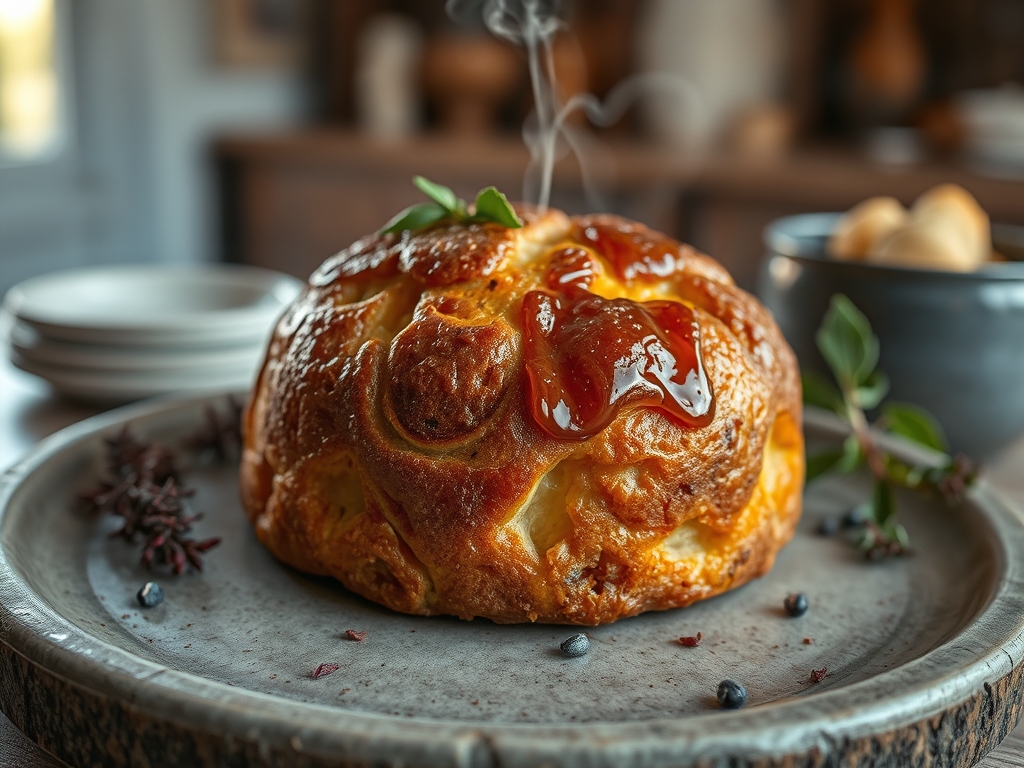
Look closely at the Masterclass photo. You should see a "dome" that exceeds the paper mold by at least three centimeters. If your dome is flat, your gluten tension was insufficient during the shaping phase. If the crust is a dark, burnt umber rather than a golden mahogany, your oven floor is too hot; use a baking stone to diffuse the heat. If the fruit has all sunk to the bottom, the dough was too weak to support the inclusions. This usually indicates that the Panettone Fermentation was pushed too far, causing the gluten to degrade into a soup like consistency.
THE DEEP DIVE
Macro Nutrition Profile
This is a high calorie, high reward engineering marvel. A single 100g serving contains approximately 380 calories, 18g of fat, and 45g of carbohydrates. The long fermentation process does, however, break down much of the gluten and phytic acid, making it significantly easier to digest than standard bread.
Dietary Swaps
Vegan: Replace butter with a high quality cocoa butter and coconut oil blend; use aquafaba and soy lecithin to mimic the emulsification properties of egg yolks.
Keto/GF: Currently, the structural requirements of Panettone make a true Keto or GF version nearly impossible without heavy use of synthetic gums, which compromise the piquant flavor profile.
Meal Prep & Reheating Science
To maintain the molecular structure, never microwave Panettone. The rapid vibration of water molecules will turn the delicate crumb into rubber. Instead, wrap slices in foil and warm them in a 150 degree Celsius oven for five minutes to render the butterfat back into a soft state.
THE KITCHEN TABLE
Why is my Panettone dry after only two days?
You likely pulled it from the oven too late. Even two degrees over the 94 degree Celsius target will evaporate the essential moisture bound within the sugar and fat matrix. Use a precise probe.
Can I use active dry yeast instead of a starter?
You can, but it is no longer Panettone. The microbial diversity of a sourdough starter is what creates the unique texture and the acidity required to keep the bread fresh for weeks.
What if my dough won't stop sticking to my hands?
Stop adding flour. Use the "slap and fold" technique or increase the speed of your mixer. The dough needs mechanical energy to aerate and build strength, not more dry matter.
My fruit is clumping together in the dough. Help!
Ensure your fruit is room temperature and lightly dusted with a fraction of the recipe's flour before adding it to the mixer. This creates a dry surface for the dough to grip.
How do I know if my starter is strong enough?
It must triple in volume within four hours at 28 degrees Celsius. If it takes longer, your microbial colony is too sluggish for the heavy lifting required here.