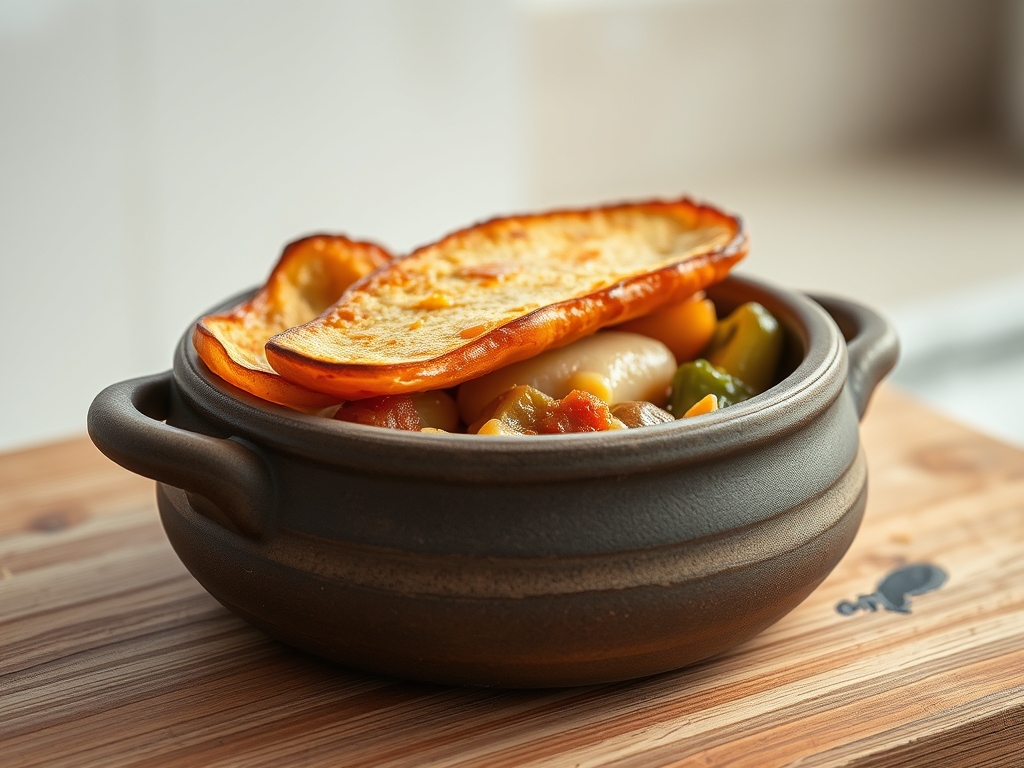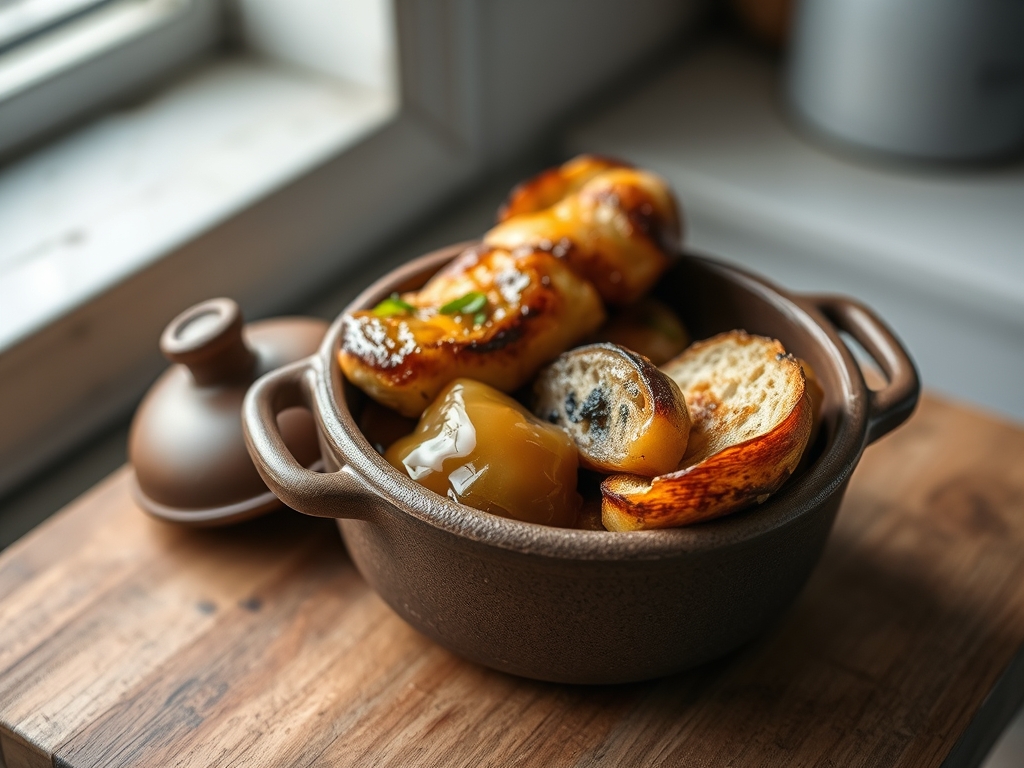
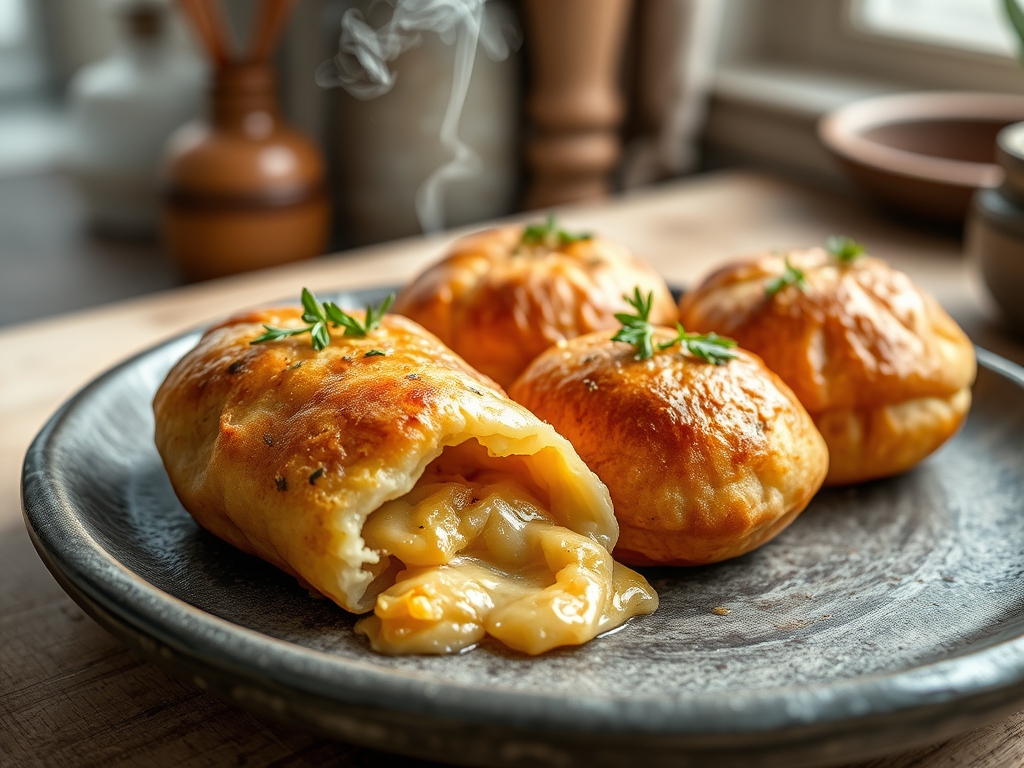
Listen to the roar of the atmospheric pressure as the dough hits the oil. This is not just breakfast; it is a high-velocity engineering feat known as the Puri Bread Poff. When you drop a disc of unleavened wheat into a vat of shimmering lipids, you are initiating a thermal expansion event that would make an aerospace engineer weep. The goal is a perfect golden orb, a spherical marvel of steam-trapped elasticity that defies the laws of gravity. Most home cooks settle for limp, greasy discs of disappointment. We are not most home cooks. We are culinary auditors, and we demand structural integrity. The Puri Bread Poff requires a specific ratio of hydration to gluten development, ensuring that the moisture inside flashes into steam instantly, inflating the dough before the exterior proteins set. It is a race against the clock, a battle of heat transfer, and a masterclass in the Maillard reaction. Prepare your station; we are about to achieve maximum puff.
THE DATA MATRIX
| Metric | Specification |
|---|---|
| Prep Time | 20 Minutes (Rest Included) |
| Execution Time | 45 Seconds Per Unit |
| Yield | 12 Spheres of Excellence |
| Complexity | 7/10 (Requires Thermal Precision) |
| Estimated Cost per Serving | $0.45 USD |
THE GATHERS
Ingredient Protocol:
- Atta (Durum Whole Wheat Flour): 250g / 2 cups
- Filtered Water (Room Temp): 150ml / 0.6 cups
- Neutral High-Smoke Point Oil (Grapeseed or Peanut): 500ml / 2 cups for frying
- Sea Salt: 5g / 1 tsp
- Clarified Butter (Ghee): 15ml / 1 tbsp (for the dough)
Section A: Ingredient Quality Audit:
Sub-par raw materials are the primary cause of structural failure. If your flour has a low protein content, the dough will lack the tensile strength to hold the steam, resulting in a flat, sad cracker. Technical Fix: If using standard all-purpose flour, add 5g of vital wheat gluten to reinforce the matrix. If your water is too hard, the minerals can interfere with gluten hydration. Use filtered water to ensure the dough remains viscous and pliable. Finally, check your oil age. Old oil contains polar compounds that break down the dough surface too quickly, leading to excessive oil absorption. Always use fresh, high-stability fats.
THE MASTERCLASS
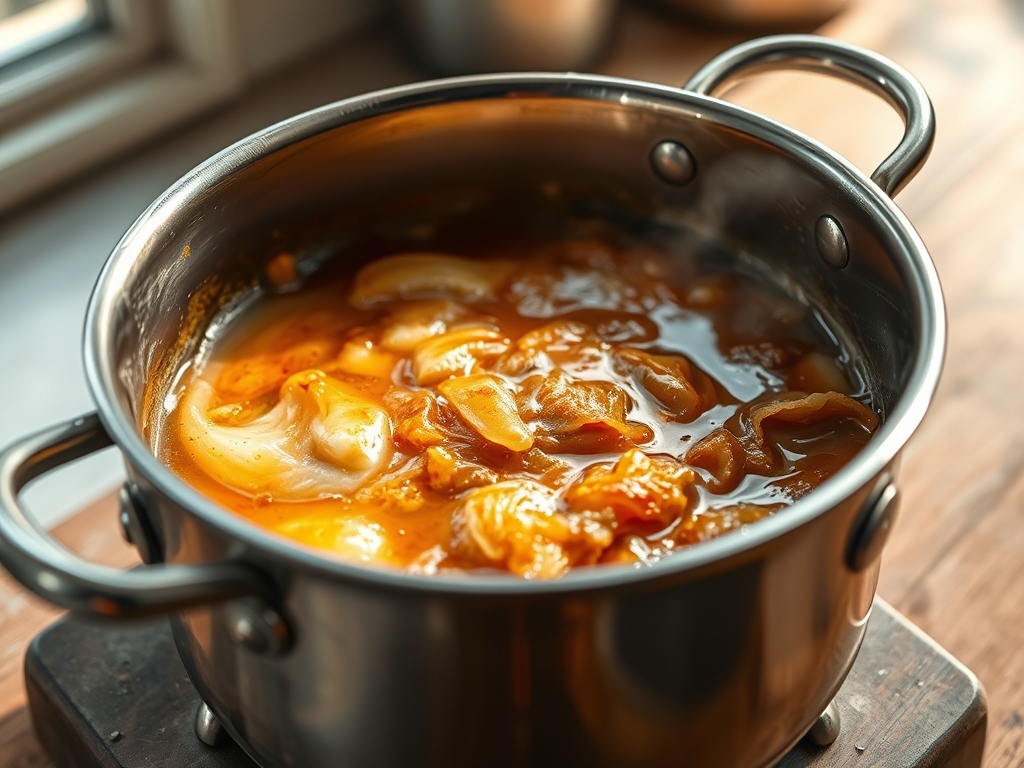
Step-by-Step Execution:
1. The Molecular Bind
Combine the Atta, salt, and ghee in a stainless steel mixing bowl. Use your fingertips to rub the fat into the flour until it resembles fine breadcrumbs. Slowly integrate the water. You are looking for a stiff, non-sticky consistency. Use a digital scale to ensure your ratios are exact.
Pro Tip: Rubbing the fat into the flour coats the proteins, limiting long-strand gluten development. This ensures the Puri Bread Poff is crisp rather than chewy.
2. The Rest Phase
Knead the dough for five minutes until smooth. Cover with a damp cloth and let it rest for 15 minutes. This allows the starch granules to fully hydrate and the gluten network to relax.
Pro Tip: Resting is non-negotiable. It prevents the dough from snapping back when rolled, which is essential for maintaining a uniform thickness. Use a bench scraper to divide the dough into 12 equal portions.
3. The Precision Roll
Lightly grease your work surface with oil rather than flour. Roll each portion into a perfect 4-inch circle. The thickness must be uniform; approximately 2mm.
Pro Tip: Using flour to dust the surface will burn in the hot oil, creating a piquant but bitter aftertaste and cloudy oil. A tapered rolling pin provides better tactile feedback for thickness control.
4. The Thermal Expansion
Heat your oil in a saucier or deep wok to exactly 190C (375F). Carefully slide one disc into the oil. It should sink and then immediately resurface.
Pro Tip: Use an infrared thermometer. If the oil is too cold, the dough will absorb fat and fail to aerate. If too hot, the exterior will char before the interior steam can expand.
5. The Kinetic Press
As the dough rises to the surface, use a slotted spoon to gently press down on the center. This encourages the steam to distribute evenly, forcing the top layer to separate from the bottom.
Pro Tip: This gentle agitation creates a pressure differential that helps the Puri Bread Poff achieve its signature spherical shape.
6. The Final Render
Once fully inflated, flip the bread. Fry for another 10 to 15 seconds until the color is a deep, golden ochre. Remove and drain on a wire rack.
Pro Tip: A wire rack is superior to paper towels. It allows air to circulate, preventing steam from condensing on the bottom and making the bread soggy.
Section B: Prep & Timing Fault-Lines:
Timing is the silent killer of the perfect puff. If you roll all your discs at once without covering them, the surface will dehydrate, creating a "skin" that prevents expansion. Always roll and fry in a continuous flow or keep unused discs under a damp cloth. If your oil temperature drops between batches, wait for it to recover. Frying in "cool" oil is the fastest way to ruin the texture. Use a heavy-bottomed vessel to maintain thermal mass.
THE VISUAL SPECTRUM
Section C: Thermal & Visual Troubleshooting:
The Masterclass photo illustrates a vibrant, sunset-gold hue with a matte finish. If your Puri looks pale and greasy, your oil temperature was likely below 175C. If you see dark brown spots or "leopard venting," your dough was rolled unevenly, causing thin spots to overcook. A dull, greyish color suggests the flour was oxidized or old. The ideal Puri Bread Poff should have a taut, balloon-like surface with no visible oil slick. If it collapses immediately upon removal, the internal steam was insufficient; increase your heat slightly for the next unit.
THE DEEP DIVE
- Macro Nutrition Profile: Each Puri contains approximately 120 calories, 15g of carbohydrates, and 6g of fat. While energy-dense, the rapid frying process minimizes oil penetration if executed at the correct temperature.
- Dietary Swaps: For a Vegan version, ensure the ghee is replaced with a high-quality coconut oil or avocado oil. For GF (Gluten-Free), use a blend of brown rice flour and xanthan gum, though the expansion will be less dramatic due to the lack of elastic protein. Keto versions are difficult but can be attempted with almond flour and psyllium husk for binding.
- Meal Prep & Reheating Science: The Puri is best consumed within minutes. However, you can maintain the molecular structure by reheating in an air fryer at 180C for 60 seconds. This re-crisps the exterior without making the interior tough. Avoid the microwave; it will turn your architectural masterpiece into a rubbery disc.
THE KITCHEN TABLE
Why did my Puri fail to puff?
Most likely, the oil was not hot enough or the dough was rolled too thick. Ensure the oil is at 190C and the dough is a uniform 2mm thickness to facilitate instant steam expansion.
Can I use all-purpose flour instead of Atta?
Yes, but the flavor will be less nutty and the texture slightly more "bready." Add a pinch of semolina to the all-purpose flour to replicate the crunch and structural integrity of traditional Atta.
How do I keep them from getting greasy?
Maintain high oil temperature and never overcrowd the pan. High heat creates an immediate steam barrier that pushes oil away from the dough surface, ensuring a crisp, dry finish.
How long can the dough stay in the fridge?
The dough can be refrigerated for up to 24 hours. However, you must bring it back to room temperature before rolling, or the cold dough will crash your oil temperature and prevent the puff.