Imagine a kitchen environment where the air is thick with the scent of toasted grain and the sharp, piquant aroma of fermented chili. You are not just cooking; you are performing a structural intervention on a molecular level. The star of this high-stakes performance is Rice Noodle Starch. This is the backbone of the crystalline amylose gel that defines a perfect rice noodle. When handled correctly, it transforms from a dull, chalky powder into a translucent, elastic matrix that defies the laws of physics. We are talking about a texture that is simultaneously tender and resilient, providing a bite that snaps back before melting into a silky finish. If you have ever struggled with noodles that turn into a gummy, disintegrated mess, you have failed the structural audit. We are here to rectify that. By mastering the hydration and gelatinization phases of Rice Noodle Starch, you will unlock a culinary superpower. This is the intersection of ancient tradition and modern food science, where precision measurements meet raw sensory intuition to create a dish that vibrates with texture and flavor.
THE DATA MATRIX
| Metric | Specification |
|---|---|
| Prep Time | 20 Minutes |
| Execution Time | 45 Minutes |
| Yield | 4 Standard Servings |
| Complexity (1-10) | 7 (High Precision Required) |
| Estimated Cost per Serving | $2.45 USD |
THE GATHERS
Ingredient Protocol:
- Rice Noodle Starch (High Amylose): 300g / 2.5 cups
- Filtered Water (Cold): 450ml / 1.9 cups
- Tapioca Starch (For Elasticity): 50g / 0.4 cups
- Neutral Oil (Grapeseed or Rice Bran): 15ml / 1 tablespoon
- Fine Sea Salt: 5g / 1 teaspoon
- Toasted Sesame Oil (For Finishing): 10ml / 2 teaspoons
- Aromatic Base (Garlic, Ginger, Scallion): 60g / 0.5 cups total
Section A: Ingredient Quality Audit:
The primary failure point in this protocol is the age and storage of your Rice Noodle Starch. If the starch has been exposed to high humidity, the moisture content will be skewed, leading to a viscous sludge rather than a workable gel. Always store your dry goods in an airtight container. If your starch feels gritty or smells musty, discard it immediately. Another common issue is using "sweet" or glutinous rice flour by mistake. Glutinous rice contains high levels of amylopectin, which creates a sticky, doughy mess that lacks the structural integrity needed for spiralizing. To fix a dough that is too brittle, you may need to infuse a small amount of boiling water (20ml) into the mixture to pre-gelatinize a portion of the starch, creating a more flexible binder.
THE MASTERCLASS
Step-by-Step Execution:
1. The Slurry Integration
Combine the Rice Noodle Starch, tapioca starch, and salt in a stainless steel mixing bowl. Gradually whisk in the cold filtered water. You are looking for a completely homogenous suspension with no dry pockets. Use a digital scale to ensure your ratios are exact to the gram; volume measurements are too variable for this level of chemistry.
Pro Tip: Use a whisk to aerate the slurry slightly. This ensures that the starch granules are fully separated, preventing clumps during the thermal transition.
2. Thermal Gelatinization
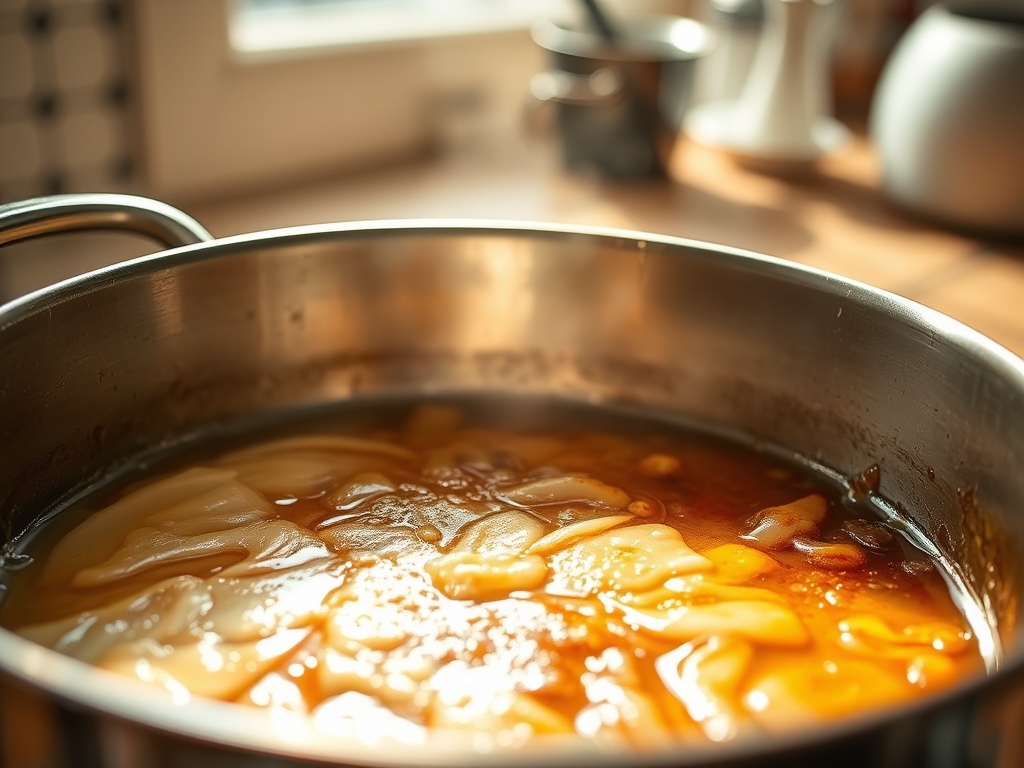
Transfer the slurry to a heavy-bottomed saucier. Heat over medium-low flame while stirring constantly with a silicone spatula. As the temperature rises, the starch granules will swell and burst, releasing amylose chains that form a thick, translucent gel. This happens rapidly.
Pro Tip: The moment the mixture begins to "clump" on the bottom, reduce heat to the lowest setting. The residual heat of the saucier will finish the cook without scorching the delicate proteins.
3. The Kneading Phase
Turn the warm gel onto a clean work surface. Use a bench scraper to fold the dough over itself until it is cool enough to handle. Knead by hand for five minutes until the texture is smooth, matte, and non-sticky. If the dough sticks to your hands, lightly coat them in neutral oil rather than adding more starch.
Pro Tip: Kneading aligns the starch molecules. This mechanical action is what gives the final noodle its "al dente" snap.
4. Spiralization and Extrusion
Load the dough into a heavy-duty spiralizer or a manual noodle press. Extrude the dough directly into a pot of simmering (not boiling) water. The noodles should float to the surface within 60 to 90 seconds.
Pro Tip: High-intensity boiling will tear the noodles apart before they set. Keep the water at a gentle simmer to protect the fragile amylose bonds.
5. The Shock and Render
Immediately transfer the cooked noodles into an ice bath. This stops the cooking process and "locks" the crystalline structure. Once cold, drain and toss with a small amount of neutral oil to prevent sticking.
Pro Tip: To add flavor, you can render chicken fat or pork fat in a separate pan and use that as your coating oil for a richer mouthfeel.
Section B: Prep & Timing Fault-Lines:
Timing is the silent killer of the rice noodle. If you leave the dough sitting out for too long before extrusion, it will dehydrate and crack. This "retrogradation" makes the starch brittle and impossible to spiralize. If this happens, you must wrap the dough in a damp cloth and microwave it for 15 seconds to re-agitate the molecules. Furthermore, temperature control is non-negotiable. If your slurry reaches the boiling point too quickly, the exterior of the starch granules will cook while the interior remains raw, resulting in a grainy, unpleasant texture.
THE VISUAL SPECTRUM
Section C: Thermal & Visual Troubleshooting:
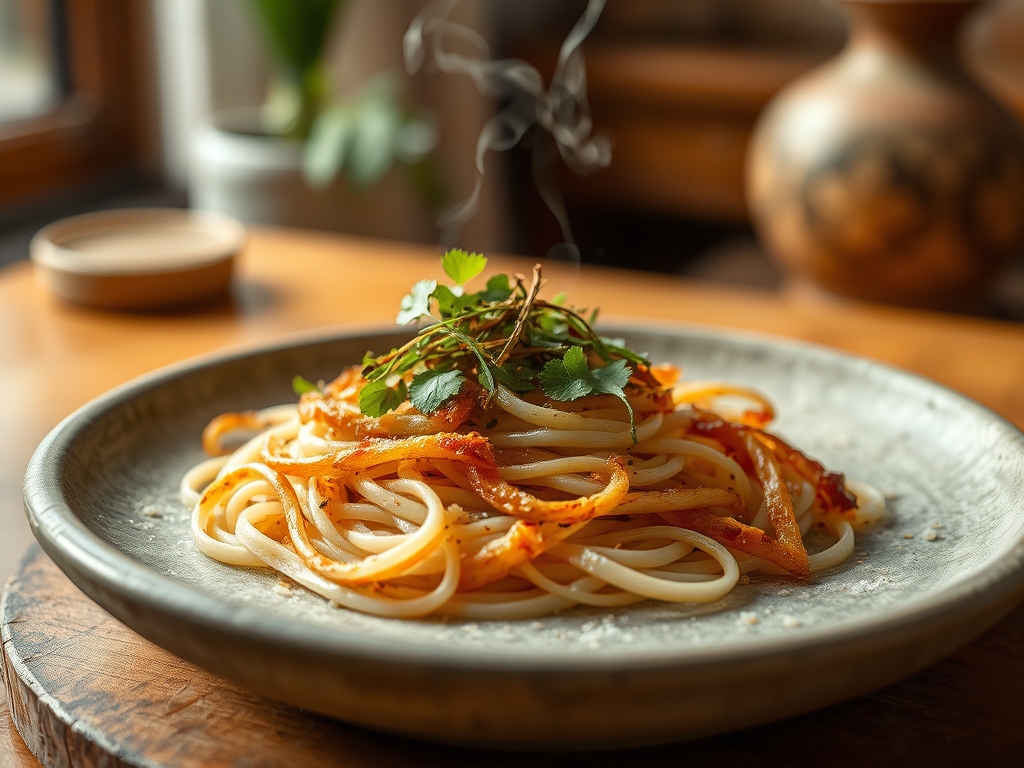
Referencing the Masterclass photo, your finished noodles should exhibit a "ghostly" translucence. If your noodles appear opaque and white, they are undercooked; the starch has not fully gelatinized. If they appear grey or overly slimy, they have been overcooked or the water-to-starch ratio was too high. Uneven browning in a subsequent stir-fry usually indicates that the noodles were not properly dried after the ice bath. Moisture on the surface prevents the Maillard reaction. To achieve that perfect golden hue, ensure the noodles are bone-dry before they hit a hot wok. If the color is dull, a splash of light soy sauce will not only season but also provide the sugars necessary to deglaze the pan and coat the noodles in a shimmering glaze.
THE DEEP DIVE
Macro Nutrition Profile
Per serving, these noodles provide approximately 320 calories, 72g of complex carbohydrates, 4g of protein, and 1g of fat. They are naturally low in sodium, though the final count depends on your seasoning protocol.
Dietary Swaps
This recipe is naturally Gluten-Free and Vegan. For those seeking a lower glycemic index, you can substitute 20% of the Rice Noodle Starch with mung bean starch. This increases the "chew" factor and adds a slight nutritional boost. Keto enthusiasts will find this difficult to adapt, as the structure relies entirely on starch; however, konjac flour can be used as a secondary binder in small amounts.
Meal Prep & Reheating Science
To maintain the molecular structure during reheating, avoid the microwave if possible. Steam the noodles for 2 minutes to re-hydrate the amylose gel without making it soggy. If you must use a microwave, cover the noodles with a damp paper towel to create a localized steam chamber.
THE KITCHEN TABLE
Why do my noodles break when I stir-fry them?
This is usually due to insufficient kneading or overcooking during the initial boil. The starch matrix is too weak to withstand mechanical agitation. Ensure you shock them in ice water to tighten the structure before frying.
Can I use regular rice flour instead of starch?
No. Rice flour contains proteins and fibers that interfere with the formation of a clear, elastic gel. Rice Noodle Starch is processed to remove these impurities, ensuring the signature translucent look and bouncy texture.
My dough is too sticky to spiralize. Help!
Your hydration levels are too high. This often happens if you don't cook the slurry long enough in the saucier. Try kneading in a tablespoon of dry starch at a time until the dough reaches a clay-like consistency.
How long can I store the raw dough?
Not long. The starch begins to retrograde (harden) almost immediately. For best results, extrude and cook the noodles within 30 minutes of making the dough. Cooked noodles, however, last 3 days in the fridge.
What is the best way to flavor the noodles?
Don't flavor the dough itself, as salt and acids can mess with the starch bonds. Instead, focus on a high-impact sauce to infuse the noodles after they have been cooked and shocked.