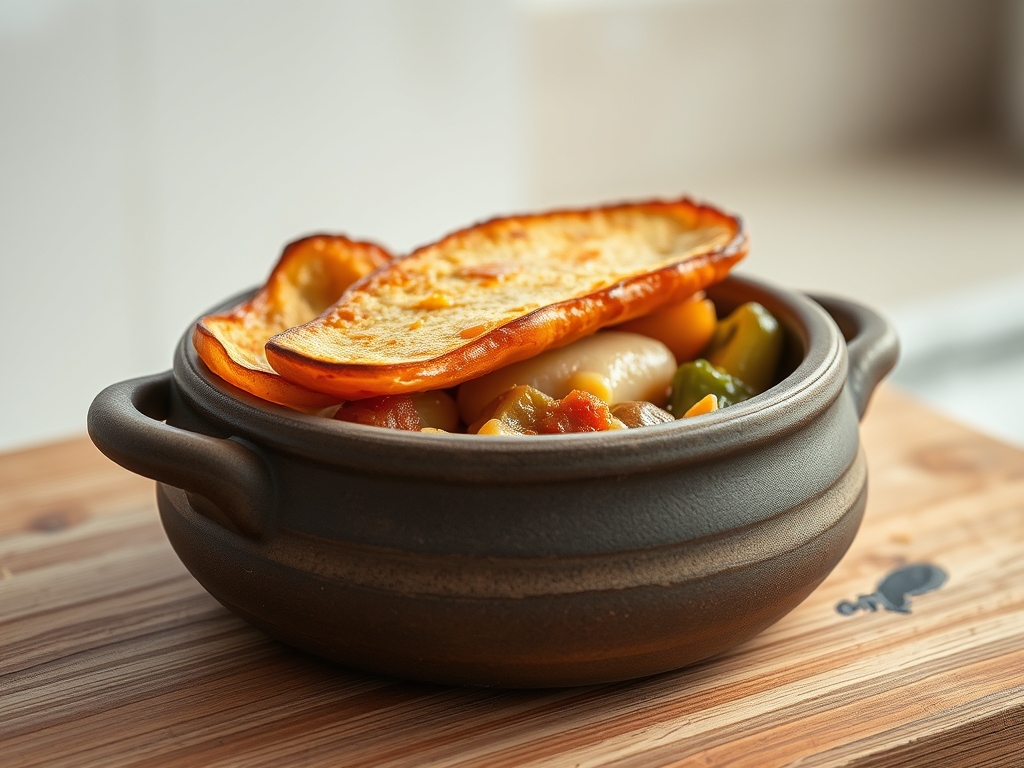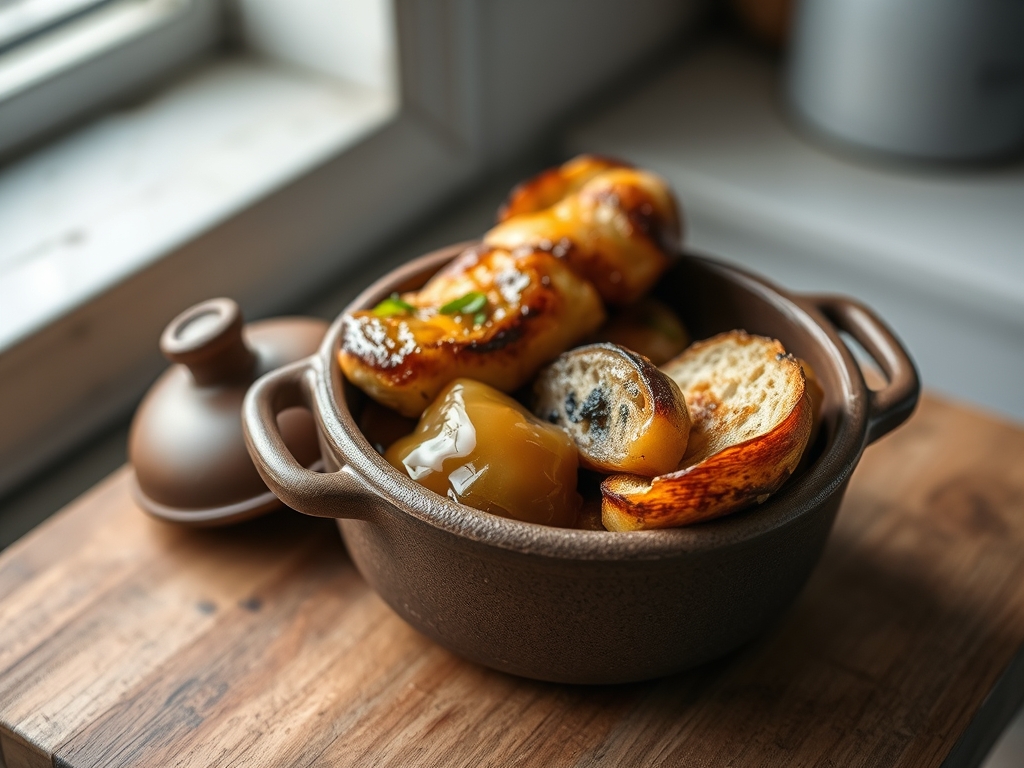
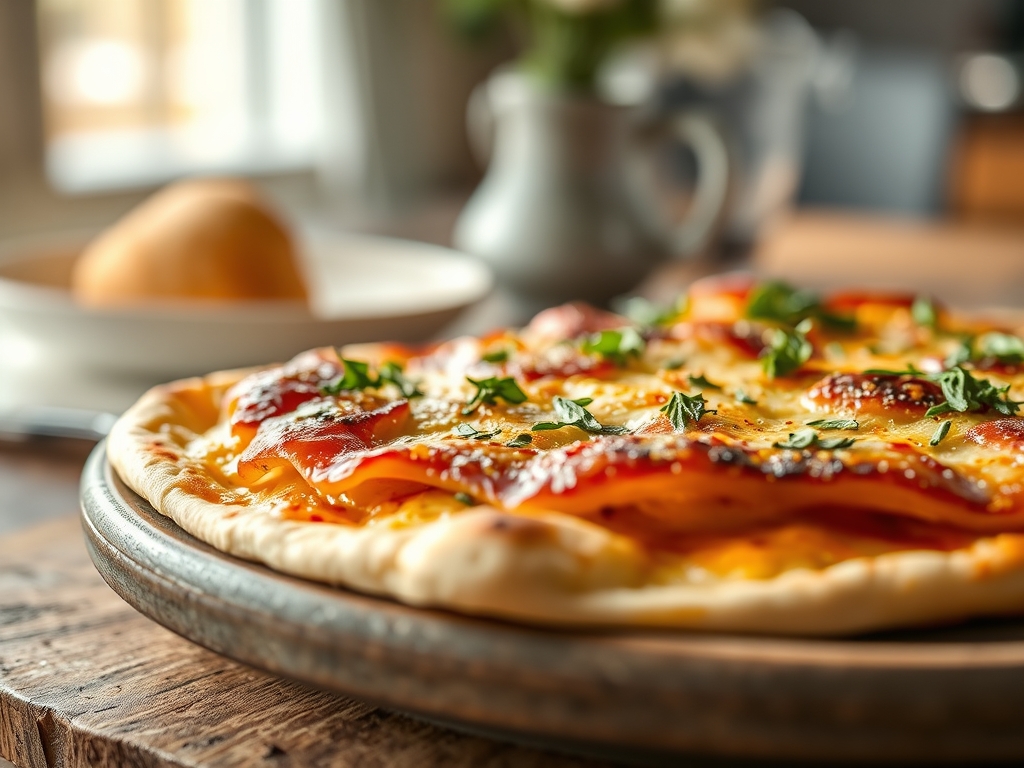
Stop looking at that stack of cold, flaccid tortillas and start paying attention to the physics of your stovetop. We are no longer merely cooking; we are conducting a high-stakes technical audit of dough-to-metal heat transfer. When raw flour and water collide with a preheated cast iron surface, you aren't just making lunch. You are managing a volatile sequence of Maillard reactions and rapid moisture evaporation. This is the realm of Flatbread Char Data. Every leopard-spot on that dough is a data point representing the precise intersection of hydration levels and thermal conductivity. If your bread looks like a pale, dusty disc of sadness, your audit has failed. We want aggressive, carbonized topography. We want an interior that is aerated and supple while the exterior provides a crisp, structural snap. This process requires more than a recipe; it requires an understanding of how heat travels through a solid medium to transform simple starches into a complex, smoky vessel for flavor. Let us begin the calibration.
THE DATA MATRIX
| Metric | Specification |
|---|---|
| Prep Time | 15 Minutes (Active) + 60 Minutes (Rest) |
| Execution Time | 3 Minutes per Unit |
| Yield | 8 Flatbreads |
| Complexity | 4 / 10 |
| Estimated Cost | $0.22 per Serving |
THE GATHERS
Ingredient Protocol:
- 500g / 3.75 cups All-Purpose Flour (High protein preferred)
- 325ml / 1.3 cups Warm Water (38C / 100F)
- 10g / 2 tsp Fine Sea Salt
- 7g / 2.25 tsp Active Dry Yeast
- 30ml / 2 tbsp Extra Virgin Olive Oil
- 15g / 1 tbsp Honey (To accelerate the Maillard reaction)
Section A: Ingredient Quality Audit:
The most common failure in the Flatbread Char Data set is incorrect hydration. If your flour is stored in a humid environment, it may already hold excess moisture; this will result in a viscous, unmanageable mess. To fix this, always use a digital scale rather than volume measurements. If the dough feels tacky, do not just dump flour on it. Instead, perform a series of "stretch and folds" to build gluten tension without drying out the crumb. If your yeast fails to aerate the mixture within ten minutes of blooming in warm water, discard it. Dead yeast results in a dense, leaden cracker that lacks the internal steam pockets necessary for a proper char.
THE MASTERCLASS
1. Hydration and Initial Integration
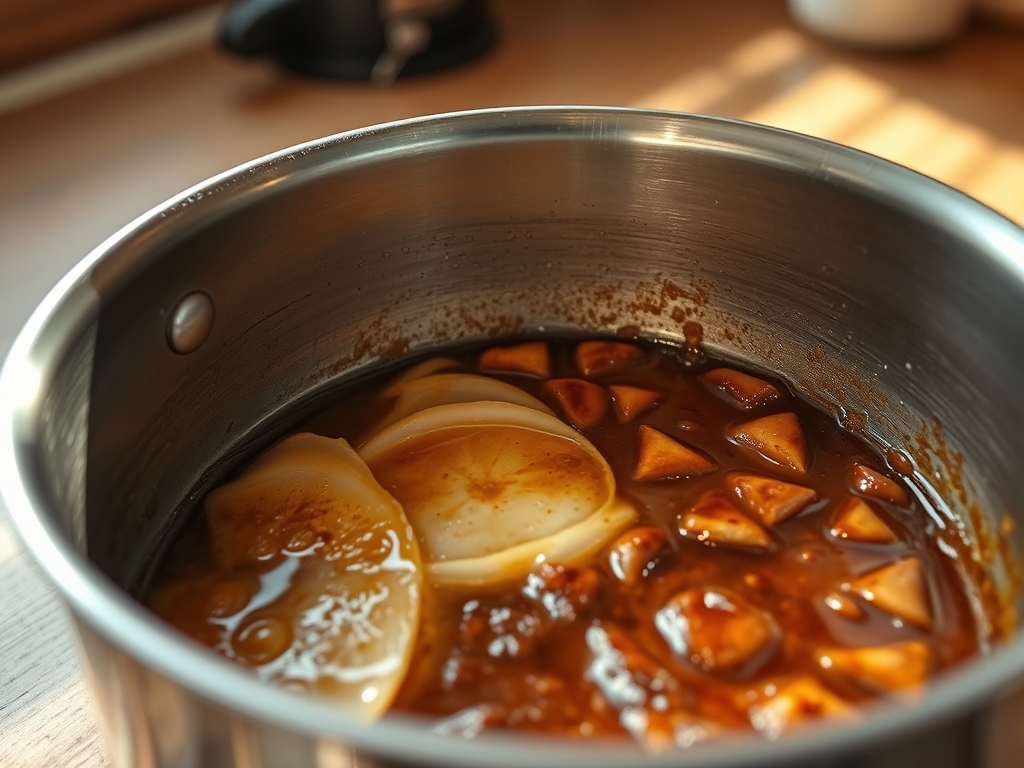
Combine your dry ingredients in a large stainless steel bowl. Slowly infuse the warm water, honey, and oil into the center. Use a bench scraper to cut the liquid into the flour until a shaggy mass forms.
Pro Tip: Using a bench scraper prevents the heat from your hands from prematurely warming the dough fats; it also ensures every gram of flour is hydrated before the kneading process begins.
2. The Kinetic Knead
Transfer the mass to a clean surface. Work the dough for 8 to 10 minutes until it reaches a smooth, elastic consistency. You are looking for the "windowpane effect" where a small piece of dough can be stretched thin enough to see light through it without tearing.
Pro Tip: This mechanical energy aligns gluten proteins. A well-developed gluten network is essential to trap the carbon dioxide that will eventually create the "bubbles" seen in high-quality Flatbread Char Data.
3. Thermal Fermentation Rest
Place the dough in a lightly oiled saucier or bowl and cover with a damp cloth. Allow it to double in size. This usually takes 60 minutes at a room temperature of 22C (72F).
Pro Tip: Fermentation is not just about volume. It is a chemical breakdown where enzymes convert starches into simple sugars. These sugars are the primary fuel for the browning you see in the Masterclass photo.
4. Portioning and Tensioning
Divide the dough into 8 equal portions using your digital scale for precision. Roll each into a tight ball to create surface tension. Let these rest for another 15 minutes to relax the gluten.
Pro Tip: If you skip the second rest, the dough will "snap back" when you try to roll it out. Relaxed gluten allows for a thinner diameter, which maximizes the surface area for the conductive thermal contact.
5. The High-Heat Audit
Heat a heavy-bottomed cast iron skillet until it reaches 230C (450F). Roll a dough ball to 3mm thickness and lay it directly onto the dry, hot metal. Wait for bubbles to form on the surface (approx. 60 seconds), then flip.
Pro Tip: Do not use oil in the pan. We want dry, direct contact to achieve that specific "char" profile. Oil would fry the bread; we want to sear it.
Section B: Prep & Timing Fault-Lines:
The biggest human error is impatience. If you place the dough in a lukewarm pan, you will dry out the interior before the exterior has a chance to color. This results in a "cardboard" texture. Use an infrared thermometer to verify pan temperature. Conversely, if the dough is too cold when it hits the pan, the center will remain raw while the outside burns. Always bring your portioned dough to room temperature before the final sear.
THE VISUAL SPECTRUM
Section C: Thermal & Visual Troubleshooting:
Referencing the Flatbread Char Data photo, you should see distinct, dark brown to black circular "islands" surrounded by a pale gold sea. If your bread is a uniform, dull brown, your pan temperature was too low. If the bread has large, blackened areas that taste bitter, your dough had too much surface flour. To fix uneven browning, press down on the dough with a clean kitchen towel or a weighted press during the first 30 seconds of searing. This forces the dough into the microscopic valleys of the cast iron, ensuring maximum heat transfer. If the bread looks "dusty," use a pastry brush to remove excess flour before it hits the heat.
THE DEEP DIVE
Macro Nutrition Profile:
Each serving (approx. 80g) contains roughly 210 calories, 5g of protein, 38g of carbohydrates, and 4g of healthy fats. The fermentation process slightly lowers the glycemic index compared to unleavened crackers.
Dietary Swaps:
- Vegan: This recipe is naturally vegan as long as you swap honey for agave or organic cane sugar.
- Keto: Replace wheat flour with a blend of almond flour, psyllium husk, and xanthan gum. Note that the "char" will look different due to the lack of traditional starches.
- Gluten-Free: Use a high-quality 1:1 GF flour blend. You will likely need to increase hydration by 10% to prevent cracking.
Meal Prep & Reheating Science:
To maintain the molecular structure, do not microwave leftover flatbread. Microwaves excite water molecules, turning the bread rubbery. Instead, reheat in a dry skillet or a toaster oven at 175C (350F) for 2 minutes. This restores the crispness of the charred exterior while keeping the interior soft.
THE KITCHEN TABLE
Why is my flatbread tough and chewy?
You likely over-worked the dough or under-hydrated it. High-protein flour requires significant water to stay supple. Also, ensure you are not overcooking; three minutes total is the limit for a standard flatbread.
Can I use a non-stick pan?
You can, but you will not achieve the same Flatbread Char Data. Non-stick coatings cannot safely handle the dry, high heat required for professional-grade searing. Stick to cast iron or carbon steel.
My dough won't bubble up. What happened?
Your pan isn't hot enough or your yeast was inactive. The "bubble" is caused by water turning to steam instantly. Without high heat, the steam escapes slowly through the pores rather than inflating the dough.
How do I get that smoky flavor?
The smoke comes from the controlled burning of the flour on the hot surface. For an extra kick, you can render a small amount of beef tallow or use smoked sea salt in the dough.