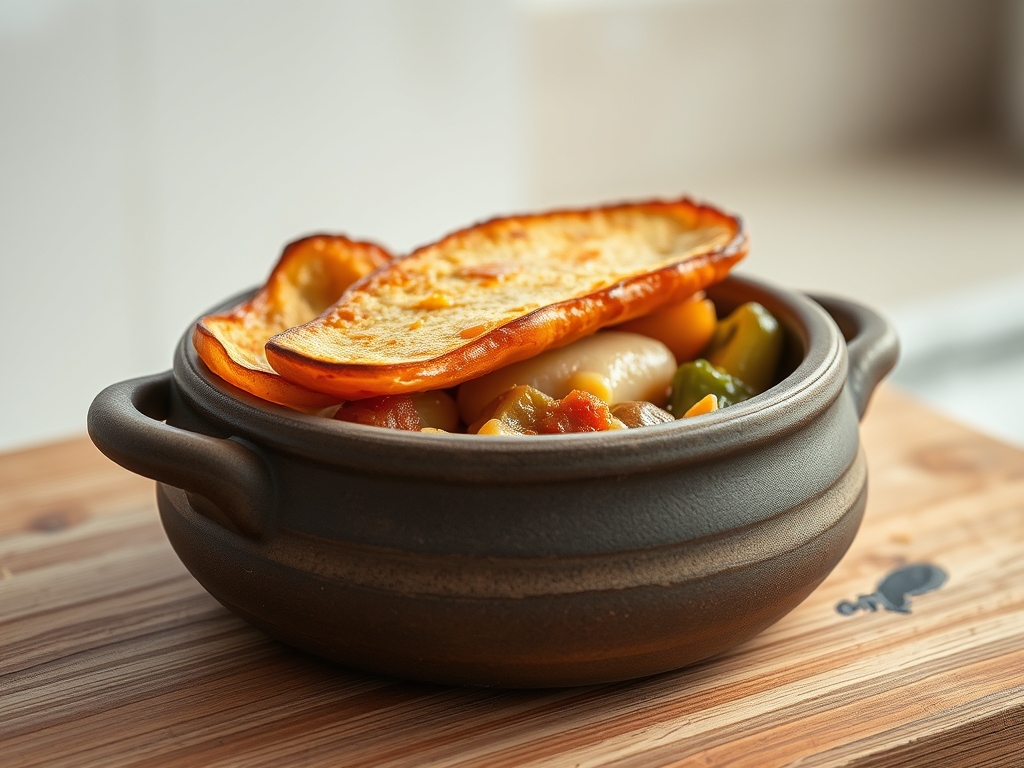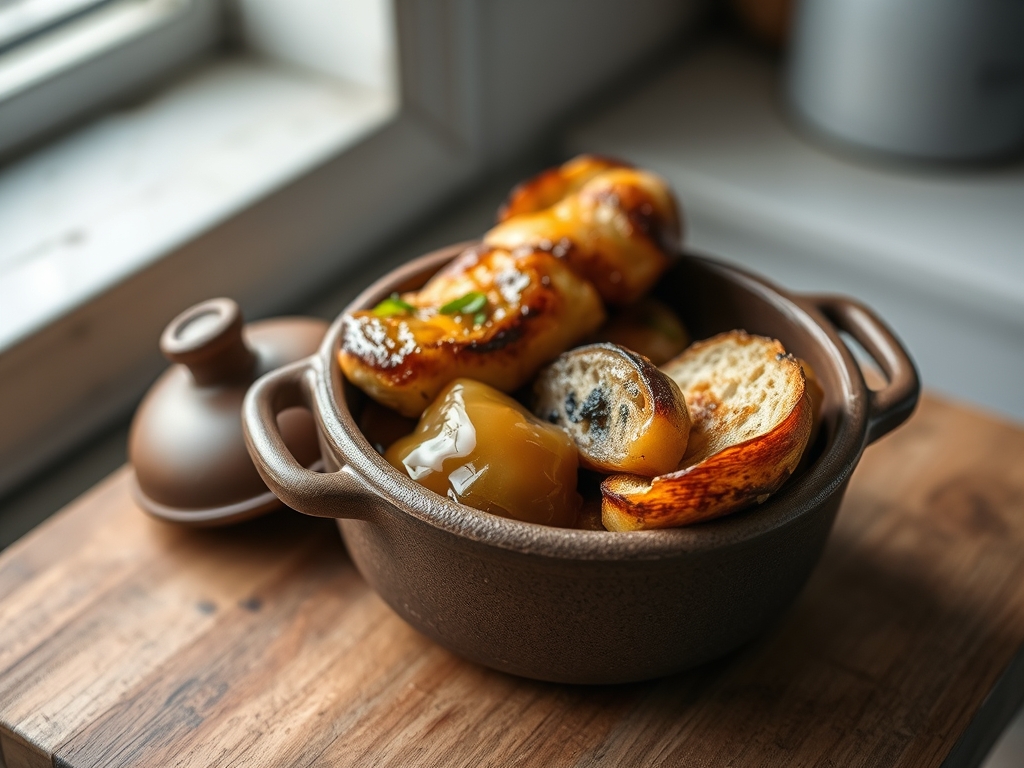
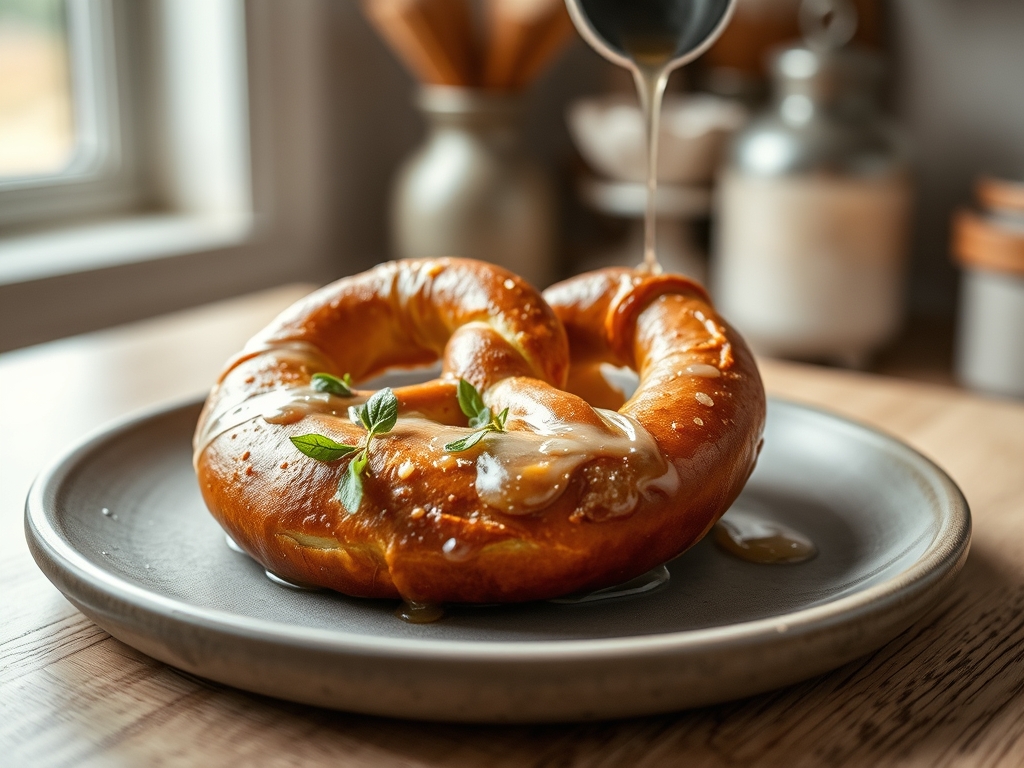
Listen up, kitchen architects. We are not here to bake mere bread; we are here to engineer a structural masterpiece of deep mahogany crust and pillowy interior. The secret to that iconic, street-vendor aesthetic and the unmistakable piquant tang of a world-class snack lies in the chemistry of the Soft Pretzel Lye Bath. Without this alkaline intervention, you are just making twisted rolls. When you submerge raw dough into a high-pH solution, you are essentially initiating a controlled chemical burn on the surface. This process accelerates the Maillard reaction at temperatures far lower than standard baking allows; it rearranges the amino acids and sugars into a complex, savory matrix that smells like heaven and tastes like victory. We are looking for a finish so dark it borders on obsidian, a shine that reflects the kitchen lights, and a structural integrity that stands up to a heavy dusting of coarse salt. If your crust is pale and your crumb is dry, you have failed the audit. Let us recalibrate your process and achieve crustal perfection.
THE DATA MATRIX
| Metric | Specification |
|---|---|
| Prep Time | 90 Minutes |
| Execution Time | 20 Minutes |
| Yield | 12 Large Pretzels |
| Complexity (1-10) | 7 |
| Estimated Cost per Serving | $0.45 |
THE GATHERS
Ingredient Protocol:
- 500g / 4 cups Bread Flour (High protein content is non-negotiable)
- 300ml / 1.25 cups Warm Water (38C to 43C)
- 10g / 2 teaspoons Fine Sea Salt
- 15g / 1 tablespoon Granulated Sugar
- 7g / 2.25 teaspoons Active Dry Yeast
- 30g / 2 tablespoons Unsalted Butter (Softened)
- 1 Liter / 4.2 cups Water (For the bath)
- 30g / 2 tablespoons Food-Grade Lye (Sodium Hydroxide) or 60g / 0.5 cup Baked Baking Soda
- 10g / 1 tablespoon Coarse Pretzel Salt
Section A: Ingredient Quality Audit:
If your dough feels viscous and sticky rather than elastic, your flour likely lacks the protein infrastructure required for a long ferment. Switch to a flour with at least 12.7 percent protein. If the yeast fails to aerate the mixture within ten minutes of hydration, your water was either too hot (killing the culture) or too cold (keeping it dormant). Use a digital thermometer to ensure the water is exactly 40C. For those using baking soda instead of lye, you must "bake" the soda at 120C for an hour beforehand to increase its alkalinity; otherwise, you will never achieve that deep, professional-grade bronze.
THE MASTERCLASS
Step 1: The Primary Fermentation
Combine your warm water, sugar, and yeast in the bowl of a stand mixer. Let it bloom until foamy. Add the flour, salt, and softened butter. Use the dough hook to knead the mixture until it clears the sides of the bowl and exhibits a smooth, satiny finish.
Pro Tip: Use a digital scale to measure by weight rather than volume. Precision is the enemy of failure. A well-kneaded dough should pass the "windowpane test," where a small piece can be stretched thin enough to see light through without tearing, proving the gluten network is fully established.
Step 2: Precision Shaping and Proofing
Divide the dough into twelve equal portions using a bench scraper. Roll each into a 20-inch rope, tapering the ends slightly. Cross the ends over each other and twist once, then fold the ends back toward the loop to create the classic pretzel silhouette. Let them rest on a parchment-lined tray for 30 minutes.
Pro Tip: For a superior skin, place the shaped pretzels in the refrigerator uncovered for the last 15 minutes of proofing. This slightly dehydrates the surface, allowing the Soft Pretzel Lye Bath to adhere more effectively and creating a snappier crust.
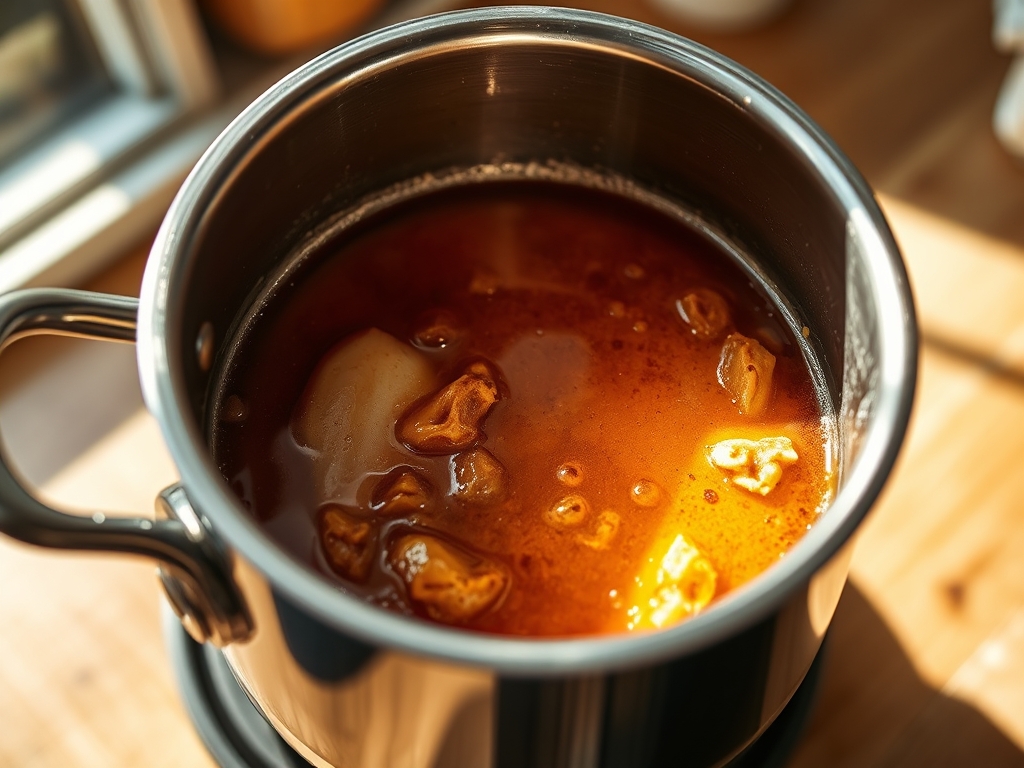
Step 3: The Alkaline Submersion
Safety first: wear gloves and eye protection. Dissolve the food-grade lye into the room-temperature water in a stainless steel or glass bowl. Never use aluminum, as lye will corrode it. Submerge each pretzel for exactly 30 seconds per side.
Pro Tip: Use a stainless steel slotted spoon or a wire skimmer to retrieve the dough. This ensures the excess liquid drains back into the bowl, preventing a "puddle" of lye on your baking sheet which can cause the bottoms to become overly bitter and dark.
Step 4: The Thermal Transformation
Immediately transfer the dipped pretzels to a baking sheet. Score the thickest part of the "belly" with a sharp blade and sprinkle with coarse salt. Bake at 220C (425F) for 12 to 15 minutes until the exterior reaches a deep, dark mahogany.
Pro Tip: Rotate your baking sheet halfway through the cycle. Home ovens often have "cold spots" that can lead to uneven Maillard development. A consistent thermal environment ensures every pretzel meets the audit standards for color and texture.
Section B: Prep & Timing Fault-Lines:
The most common human error is over-proofing. If the dough expands too much before the bath, the structural integrity collapses when submerged, resulting in a flat, wrinkled pretzel. If your lye bath is too hot, it will start cooking the starch on the surface prematurely, creating a "gummy" interface between the crust and the crumb. Keep the bath cool or at room temperature to ensure only the chemical reaction occurs, not the thermal one.
THE VISUAL SPECTRUM
Section C: Thermal & Visual Troubleshooting:
Referencing the Masterclass photo, look for the "shatter" marks on the crust. These small cracks indicate a perfectly tensioned dough and a successful alkaline treatment. If your pretzels appear dull or matte, you likely used baking soda instead of lye, or your lye concentration was too weak. If the pretzels are "patchy" with light spots, they were not fully submerged or were crowded in the bath. A perfect specimen should have a uniform, glossy sheen that looks almost lacquered. If the salt has dissolved into the crust, you applied it while the dough was too wet; wait ten seconds after the bath before salting.
THE DEEP DIVE
Macro Nutrition Profile
Each 100g serving provides approximately 320 calories, 65g of carbohydrates, 10g of protein, and 4g of fat. The high sodium content is a deliberate feature of the style, though it can be adjusted by reducing the surface salt application.
Dietary Swaps
- Vegan: This recipe is naturally vegan if you substitute the butter with a high-quality vegan margarine or coconut oil.
- Keto: Replace bread flour with a blend of vital wheat gluten, almond flour, and oat fiber. Note that the Maillard reaction will be less intense due to lower sugar content.
- Gluten-Free: Use a 1-to-1 gluten-free bread flour blend. Increase the hydration by 10 percent and add 5g of xanthan gum to mimic the missing protein structure.
Meal Prep & Reheating Science
To maintain the molecular structure, store cooled pretzels in an airtight container for up to two days. To reheat, avoid the microwave, which turns the starch "rubbery" through rapid moisture migration. Instead, use a toaster oven at 175C for five minutes to re-crisp the crust and render any surface oils, restoring the original texture.
THE KITCHEN TABLE
Why is my pretzel crust bitter?
This usually happens if the lye concentration is too high or the dough stayed in the bath longer than 30 seconds. Ensure you measure your lye precisely with a scale and keep a timer running during the dipping process.
Can I use a plastic bowl for the lye bath?
Yes, high-density polyethylene (HDPE) or polypropylene plastics are generally resistant to lye. However, stainless steel is the gold standard for safety and cleanliness. Avoid all aluminum or zinc-coated tools, as they react violently with alkaline solutions.
Why did my pretzels stick to the parchment paper?
Lye-dipped dough is incredibly adhesive. Use a silicone baking mat (Silpat) or highly greased, professional-grade parchment paper. If they still stick, your dough might be too wet or the bath was too warm, causing surface gelatinization.
My pretzels are brown but not shiny. What happened?
The shine comes from the gelatinization of surface starches in the presence of high alkalinity. If they are matte, your bath pH was likely too low. Ensure you are using food-grade lye or properly "baked" baking soda for maximum impact.
How do I get the salt to stay on?
Timing is everything. Apply the coarse salt immediately after the lye bath while the surface is still tacky but not dripping wet. If the salt falls off after baking, the crust dried out too much before the salt was applied.