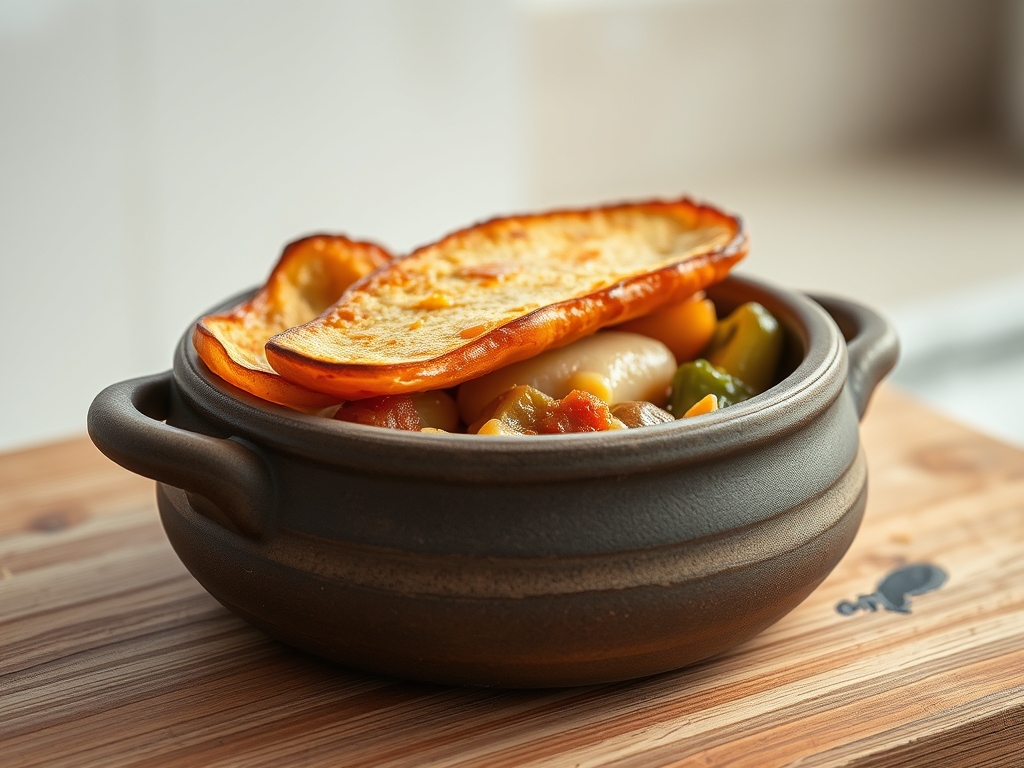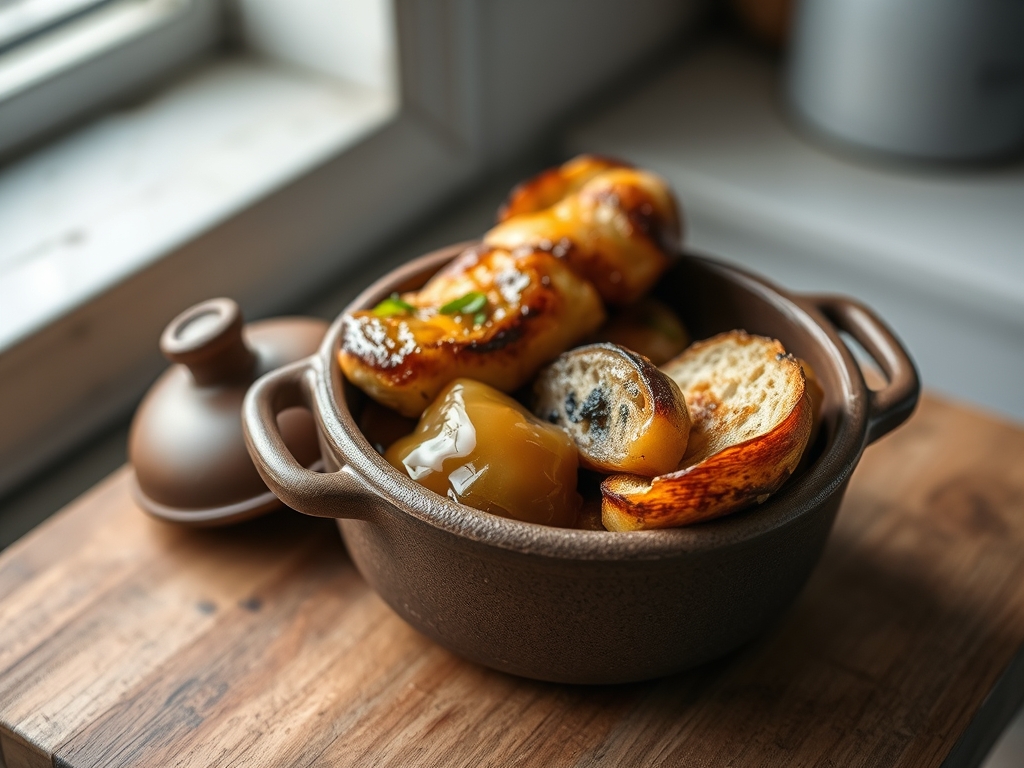
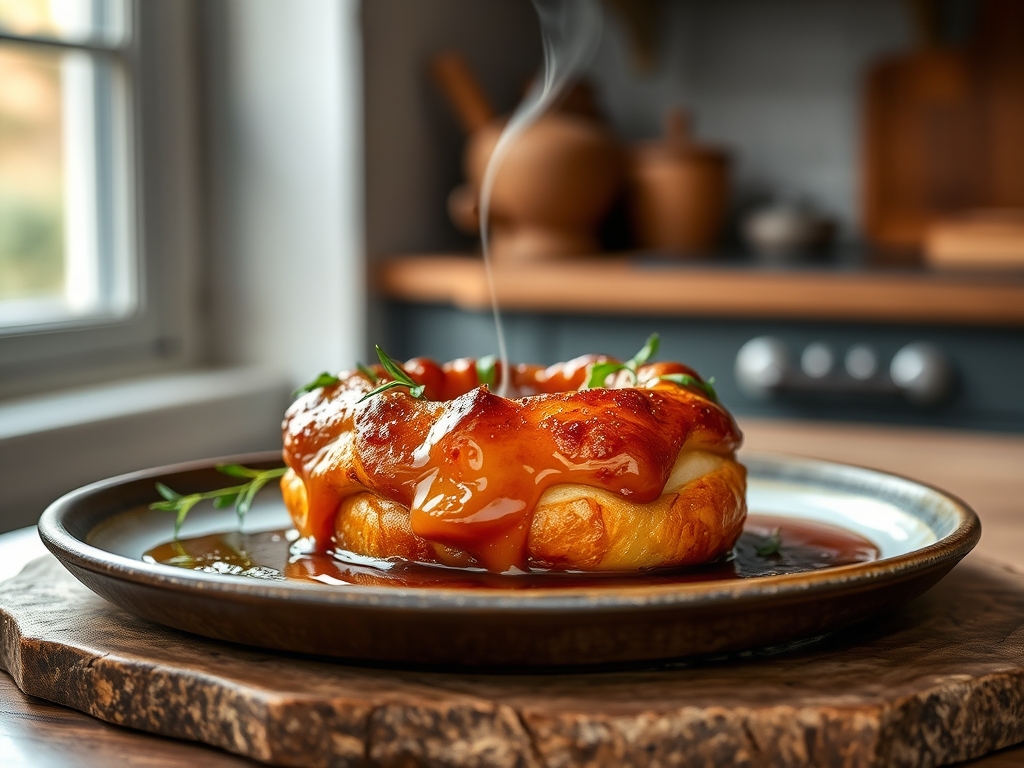
Forget everything you know about the humble croissant; we are entering the realm of structural sugar engineering where the stakes are high and the butter content is higher. The Kouign Amann Glaze is not merely a topping. It is a structural necessity that transforms a laminated dough into a shattering, amber-hued masterpiece of Breton origin. Imagine the sound of a thousand microscopic glass shards breaking simultaneously. That is the crust we are aiming for today. We are looking for a deep, mahogany finish that skirts the edge of bitterness while maintaining a core of pillowy, salted dough. This is a high-stakes dance between sucrose and heat. If you mistime the extraction, you are left with a sticky, tooth-pulling mess. If you nail the thermal window, you achieve the legendary Kouign Amann Glaze: a thin, brittle lacquer that encapsulates a butter-soaked interior. This is the audit of your culinary life. Prepare your digital scales and clear your bench; we are about to turn simple carbohydrates into a professional-grade lipid masterpiece.
THE DATA MATRIX
| Metric | Specification |
|---|---|
| Prep Time | 45 Minutes |
| Execution Time | 3.5 Hours (including proofing) |
| Yield | 12 Individual Units |
| Complexity (1-10) | 9 |
| Estimated Cost per Serving | $1.45 |
THE GATHERS
Ingredient Protocol:
- Bread Flour (High Protein): 500g / 4 cups
- Filtered Water (Room Temp): 300ml / 1.25 cups
- Active Dry Yeast: 10g / 2.25 tsp
- Fine Sea Salt: 10g / 2 tsp
- European-Style Butter (82% Fat): 350g / 1.5 cups
- Granulated Cane Sugar (For Glaze): 300g / 1.5 cups
- Maldon Sea Salt (Finishing): 5g / 1 tsp
Section A: Ingredient Quality Audit:
The primary failure point in a Kouign Amann Glaze is the moisture content of the butter. If you use standard supermarket butter with high water content, the steam will rupture your lamination layers before the sugar can properly caramelize. Technical Fix: Always source European-style butter with at least 82 percent butterfat. If your dough feels "soupy" during the fold, your flour may have a low protein count. Technical Fix: Incorporate 20g of vital wheat gluten to provide the structural scaffolding necessary to hold the weight of the sugar and fat. Finally, if your sugar is too coarse, it will not dissolve into the lipid layers. Technical Fix: Pulse your granulated sugar in a food processor for five seconds to create a "caster" consistency that integrates seamlessly during the final turns.
THE MASTERCLASS
Step-by-Step Execution:
1. The Detrempe Formation
Combine your flour, water, and yeast in a stand mixer. Knead until the gluten is moderately developed but still extensible. Do not overwork the dough at this stage; we need it to remain relaxed for the heavy lamination ahead.
Pro Tip: Use a digital scale for every gram. Even a five-milliliter variance in water can alter the dough's elasticity, making it impossible to roll out the sugar layers without tearing the delicate gluten strands.
2. The Butter Block Integration
Roll your cold butter between two sheets of parchment paper until it forms a uniform square. This is your "beurrage." Encase the butter in the dough and perform your first set of folds.
Pro Tip: The butter and dough must be the exact same temperature and pliability. Use a bench scraper to keep the edges square. If the butter is too hard, it will shatter; if it is too soft, it will melt into the flour and destroy your layers.
3. The Sugar Infusion (The Glaze Foundation)
After two standard turns, it is time to introduce the sugar. Sprinkle a generous layer of granulated sugar onto your work surface and the top of the dough. As you roll, you are physically pressing the sugar into the dough layers.
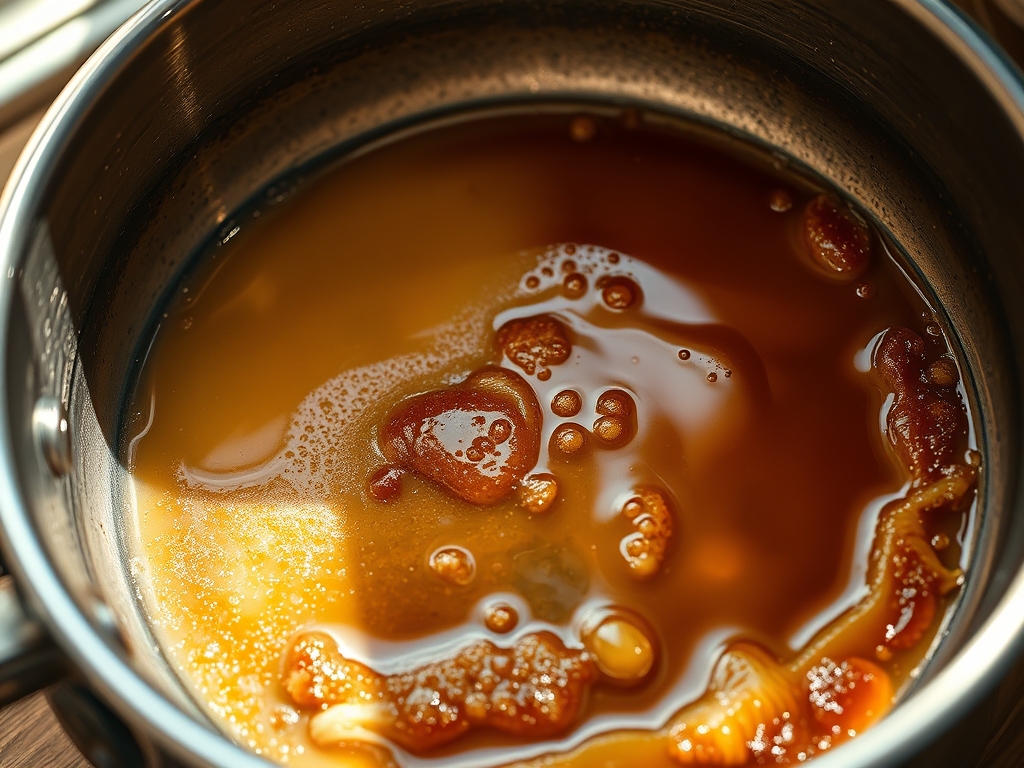
Pro Tip: This is where the Kouign Amann Glaze is born. The sugar will infuse with the weeping butter during the bake to create a self-basting syrup. Use a heavy rolling pin to ensure the sugar is deeply embedded.
4. Shaping and Final Proof
Cut the dough into squares and fold the corners toward the center. Place them into heavily buttered molds. Let them rise until they have increased in volume by fifty percent.
Pro Tip: Do not over-proof. If the dough becomes too airy, it cannot support the weight of the caramelizing sugar, leading to a collapsed center. Use a saucier to melt a small amount of extra butter to brush the tops before they hit the heat.
5. The Thermal Transformation
Bake at 375 degrees Fahrenheit. This is where the Maillard reaction and caramelization occur simultaneously. The sugar will melt, migrate to the bottom of the mold, and then bubble back up the sides to coat the pastry.
Pro Tip: Use an oven thermometer to verify your heat. If the oven is too cool, the sugar will turn into a grainy paste rather than a clear, viscous glaze.
Section B: Prep & Timing Fault-Lines:
The most common human error is rushing the chilling phases. Lamination is a game of patience. If you skip the 30-minute rest between turns, the gluten will snap back, and the friction heat from the rolling pin will melt your butter. This results in a heavy, bready texture rather than a crisp one. Technical Fix: If the dough feels "springy" or resists the pin, wrap it in plastic and refrigerate for an additional 20 minutes. Another fault-line is the "extraction delay." You must remove the pastries from their molds within 60 seconds of leaving the oven. If you wait, the Kouign Amann Glaze will cool and act as a high-strength adhesive, permanently bonding your pastry to the metal.
THE VISUAL SPECTRUM
Section C: Thermal & Visual Troubleshooting:
Look closely at the reference photo. Notice the high-gloss sheen and the variation from golden honey to deep mahogany. If your pastry looks matte or pale, you likely under-sugared the final turn. Solution: Ensure the work surface is literally covered in sugar during the final fold. If the glaze is dark but the interior is raw, your oven floor is too hot. Solution: Move the baking sheet to a higher rack and use a double-pan method to insulate the bottom. If the glaze appears "bubbly" or pitted, it means the sugar didn't dissolve properly. Solution: Lightly mist the shaped dough with a water atomizer before baking to kickstart the liquefaction of the sucrose.
THE DEEP DIVE
Macro Nutrition Profile:
This is a high-density energy cell. Expect approximately 450 calories per unit, with 28g of fat and 45g of carbohydrates. This is a treat designed for sensory impact, not a daily staple.
Dietary Swaps:
- Vegan: Use a high-quality plant-based butter with a high melting point (stearate-heavy) and organic beet sugar.
- GF: This is difficult due to the need for high-tensile gluten. Use a blend of brown rice flour, potato starch, and xantham gum, but expect a less "shattering" texture.
- Keto: This is functionally impossible. The Kouign Amann Glaze relies on the specific molecular crystallization of sucrose. Allulose may provide a similar browning, but the structural integrity will be compromised.
Meal Prep & Reheating Science:
To maintain the molecular structure of the glaze, never microwave these pastries. The moisture will migrate from the dough to the sugar, turning the glaze into a sticky syrup. Instead, reheat in a 350-degree oven for 5 minutes. This will render any solidified butter and re-crisp the sugar shell.
THE KITCHEN TABLE
Why is my glaze sticky instead of crunchy?
You likely underbaked the pastry or the humidity in your kitchen is too high. Sugar is hygroscopic and pulls moisture from the air. Bake longer to reach the "hard crack" stage of caramelization for a permanent crunch.
Can I use brown sugar for the glaze?
Brown sugar contains molasses, which adds moisture and acidity. While it provides a piquant flavor, it will result in a softer, chewier glaze rather than the traditional brittle shell. Stick to granulated cane sugar for the best results.
My butter is leaking out of the dough in the oven!
This is a sign of "broken lamination." The dough layers were either too thin or the butter was too warm during the folding process. Keep your bench cold and your movements fast to keep the lipids encapsulated.
How do I get that perfect "salty-sweet" balance?
The secret is in the "lamination salt." Don't just salt the dough; sprinkle a tiny amount of fine sea salt during the sugar turns. This ensures the savory element is physically trapped within the caramelized layers.