The scent of fermented butter and Dutch-processed cocoa is not merely an aroma; it is a tactical announcement of structural success. We are moving beyond the amateur realm of simple yeast breads and entering the high-stakes theater of laminated architecture. This is where the brioche base, a high-hydration masterpiece of fat and flour, meets the aggressive resistance of a dense chocolate filling. The secret to a crumb that shatters and melts simultaneously lies in the concept of Babka Dough Torque. Without the proper rotational tension during the twisting phase, your loaf is destined to become a dense, soggy mass of unrefined sugars. We are looking for a specific kinetic energy in the dough, a resistance that ensures the chocolate ribbons are thin enough to snap but substantial enough to bleed into the crumb. This audit will strip away the domestic fluff and provide the rigorous technical framework required to master the physics of the twist. Prepare to engineer a loaf that defies gravity and standard caloric expectations.
THE DATA MATRIX
| Metric | Specification |
|---|---|
| Prep Time | 45 Minutes (Active) |
| Execution Time | 24 Hours (Including Cold Ferment) |
| Yield | 2 Large Loaves |
| Complexity (1-10) | 8.5 |
| Estimated Cost per Serving | $1.15 |
THE GATHERS
Ingredient Protocol:
- 500g / 4 cups All-Purpose Flour (11.7% Protein minimum)
- 100g / 0.5 cup Granulated Sugar
- 10g / 2 tsp Instant Yeast
- 3 Large Eggs (Room temperature)
- 120ml / 0.5 cup Whole Milk (Full fat)
- 150g / 0.66 cup Unsalted Butter (High-fat European style, softened)
- 5g / 1 tsp Fine Sea Salt
- 200g / 7oz Dark Chocolate (70% Cacao)
- 80g / 0.33 cup Butter (For filling)
- 40g / 0.33 cup Powdered Sugar
- 30g / 0.25 cup Cocoa Powder
Section A: Ingredient Quality Audit:
Sub-par raw materials are the primary cause of structural failure in enriched doughs. If your flour lacks the necessary protein content, the gluten network will collapse under the weight of the butter. Fix: Add 15g of vital wheat gluten to lower-protein flours to increase elasticity. If your butter has a high water content, it will steam rather than emulsify. Fix: Use European-style butter with at least 82% butterfat to ensure a viscous and stable crumb. Finally, if the yeast is sluggish, the dough will not aerate properly during the second proof. Fix: Perform a bloom test in warm milk (38C) before integrating into the dry mix to verify viability.
THE MASTERCLASS
1. The Primary Emulsification
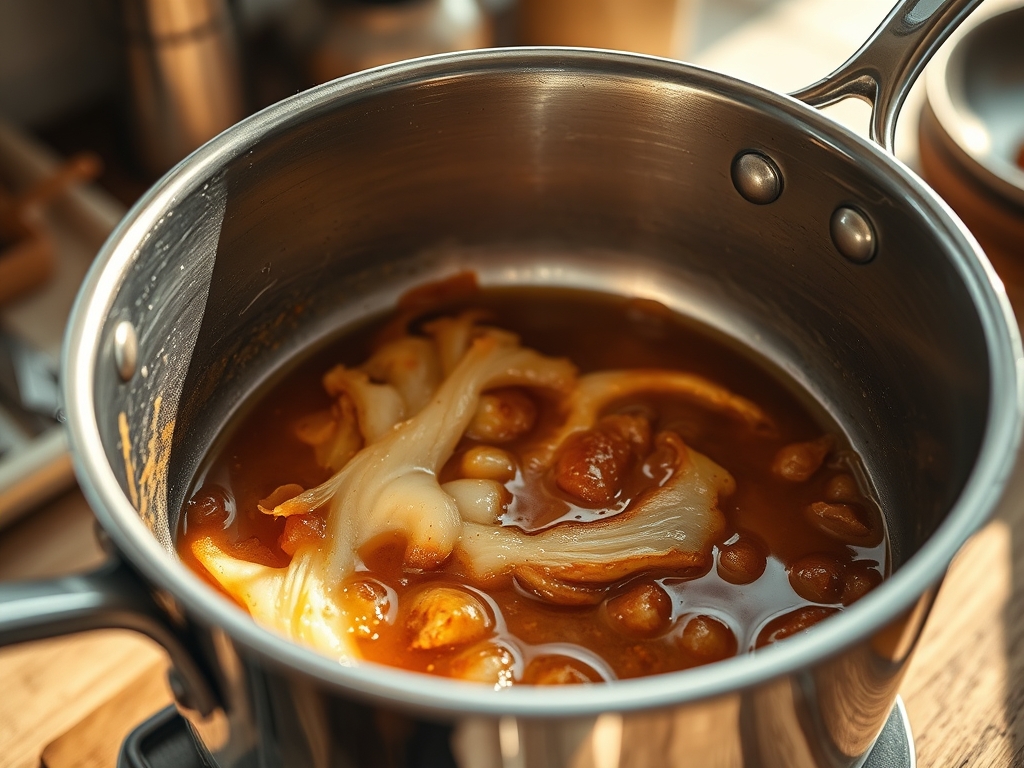
Combine the flour, sugar, and yeast in the bowl of a stand mixer. Slowly incorporate the milk and eggs using the dough hook attachment on low speed. Once a shaggy mass forms, begin adding the softened butter one tablespoon at a time.
Pro Tip: This process relies on mechanical emulsification. Use a digital scale to ensure the butter is added at exactly 10% of the total dough weight every two minutes. This prevents the fat from coating the flour particles too quickly, which would otherwise inhibit gluten development.
2. The Cold Ferment Protocol
Once the dough is smooth and clears the sides of the bowl, transfer it to a lightly oiled container. Cover tightly and refrigerate for a minimum of 12 hours. This is non-negotiable for flavor development and ease of handling.
Pro Tip: Cold temperatures slow down yeast activity while allowing enzymes to break down starches into complex sugars. Use a bench scraper to degas the dough before it enters the fridge; this ensures a uniform pore structure in the final crumb.
3. Filling Synthesis
Melt the chocolate and butter together in a saucier over low heat. Whisk in the powdered sugar and cocoa powder until the mixture is glossy and viscous. Allow it to cool until it reaches a spreadable, paste-like consistency.
Pro Tip: Do not over-heat the chocolate. If the cocoa butter separates, the filling will become oily and leak out of the dough during baking. Aim for a working temperature of 24C to maintain the ideal suspension of solids.
4. Applying Babka Dough Torque
Roll the chilled dough into a large rectangle. Spread the chocolate filling evenly, leaving a small border. Roll the dough into a tight log. Split the log lengthwise with a sharp knife and twist the two strands over each other, maintaining high tension.
Pro Tip: This is where you generate Babka Dough Torque. By keeping the strands taut as you overlap them, you create internal pressure that forces the dough to expand upward rather than outward. This results in the high-definition swirls seen in professional audits.
5. The Thermal Finality
Place the twisted loaves into greased tins and proof until doubled in size. Bake at 175C (350F) for 35 to 40 minutes. Immediately brush with a simple syrup upon removal from the oven to lock in moisture.
Pro Tip: Use an instant-read thermometer to check the internal temperature. You are looking for 88C (190F). Anything lower will result in a gummy center; anything higher will render the butter out of the crumb, leaving it dry and crumbly.
Section B: Prep & Timing Fault-Lines:
The most common human error is rushing the final proof. If the dough is too cold when it enters the oven, the "oven spring" will be too violent, causing the loaf to tear at the seams. Fix: Ensure the proofing environment is a consistent 27C with 60% humidity. If the chocolate filling is too runny when rolling, the layers will slide. Fix: Flash-chill the rolled log for 10 minutes before slicing to stabilize the fats.
THE VISUAL SPECTRUM
Section C: Thermal & Visual Troubleshooting:
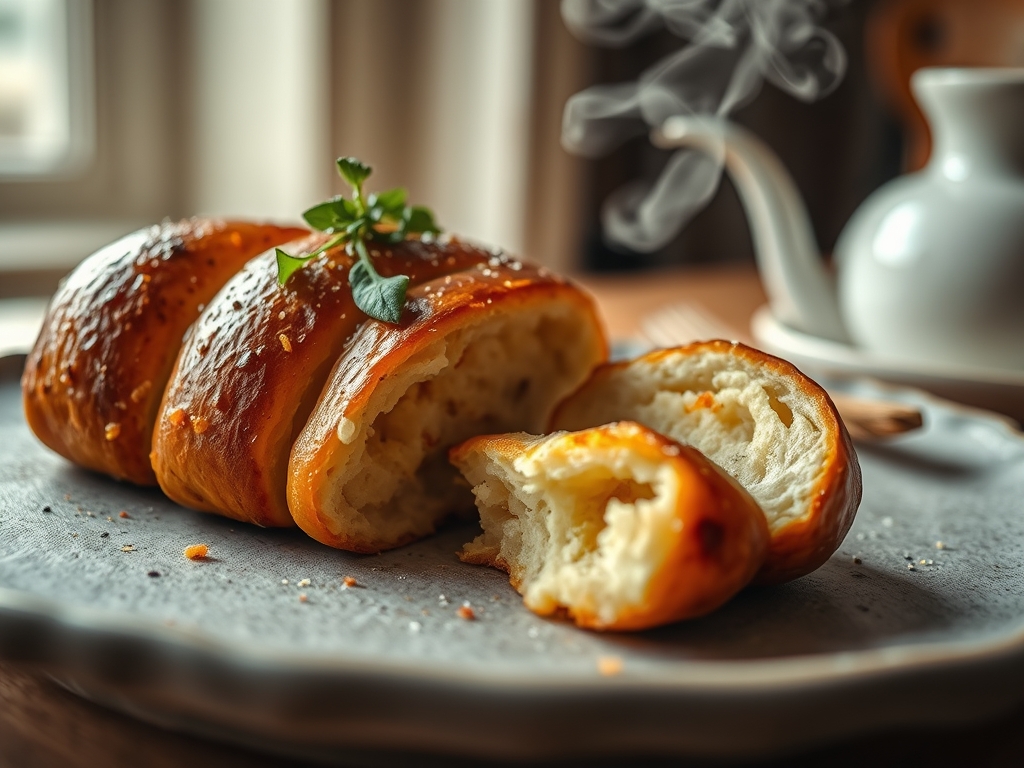
Observe the reference image: notice the deep mahogany crust and the distinct, sharp lines of the chocolate swirl. If your loaf appears dull or matte, you likely skipped the sugar syrup glaze, which is essential for creating a hygroscopic barrier. If the browning is uneven, your oven may have hot spots. Fix: Rotate the pans 180 degrees halfway through the bake. If the chocolate swirls look "muddy" or blended into the dough, the Babka Dough Torque was insufficient; the lack of tension allowed the dough to swallow the filling. Ensure the cut side of the dough is always facing upward during the twist to maintain visual contrast.
THE DEEP DIVE
Macro Nutrition Profile:
A standard slice (approx. 80g) contains roughly 320 calories, 14g of fat, 42g of carbohydrates, and 6g of protein. This is a high-energy density food designed for recovery or indulgence.
Dietary Swaps:
For a vegan variant, substitute the butter with a high-solids coconut oil and use an aquafaba-based egg replacer. For Gluten-Free, a high-quality 1:1 flour blend with added xanthan gum is required, though the torque capacity will be reduced by 40%. Keto versions require almond flour and erythritol, resulting in a much denser, cake-like texture.
Meal Prep & Reheating Science:
To maintain the molecular structure, store the babka at room temperature in an airtight container for up to three days. For long-term storage, slice and freeze. To reheat, use a toaster oven to infuse the crust with heat while keeping the interior soft. Avoid the microwave, as it causes the starch molecules to retrogradate rapidly, leading to a rubbery texture.
THE KITCHEN TABLE
Why did my babka collapse after baking?
This usually indicates over-proofing. When the yeast produces too much gas, the gluten network stretches beyond its breaking point and fails to support the structure once the heat-induced pressure subsides.
Can I use milk chocolate instead of dark?
Technically yes, but the higher sugar and milk solid content in milk chocolate will lower the melting point. This often results in a messy, blurred interior rather than the defined ribbons characteristic of high-torque loaves.
My dough is too sticky to handle, what now?
Do not add more flour. Instead, utilize the "slap and fold" technique or increase the duration of your cold ferment. Excess flour will ruin the delicate hydration balance and result in a heavy, bread-like loaf.
How do I get that shiny professional finish?
The secret is a 1:1 sugar syrup applied while the loaf is piping hot. The heat evaporates the water, leaving a thin, crackling veneer of sugar that preserves freshness and adds a piquant sweetness.