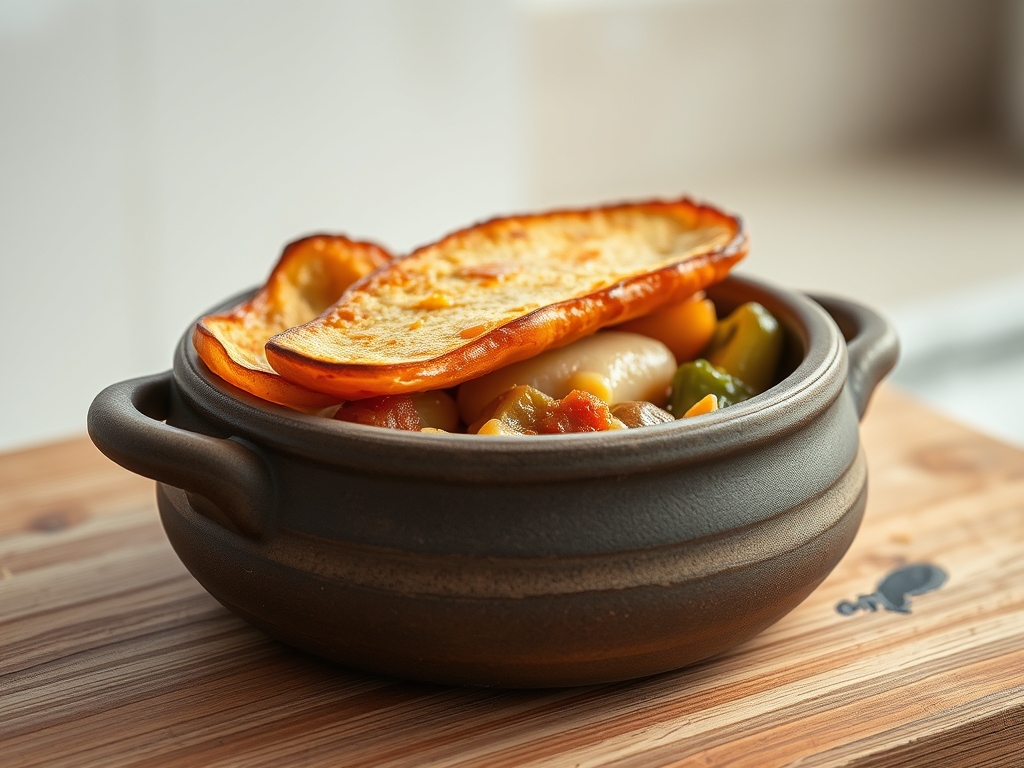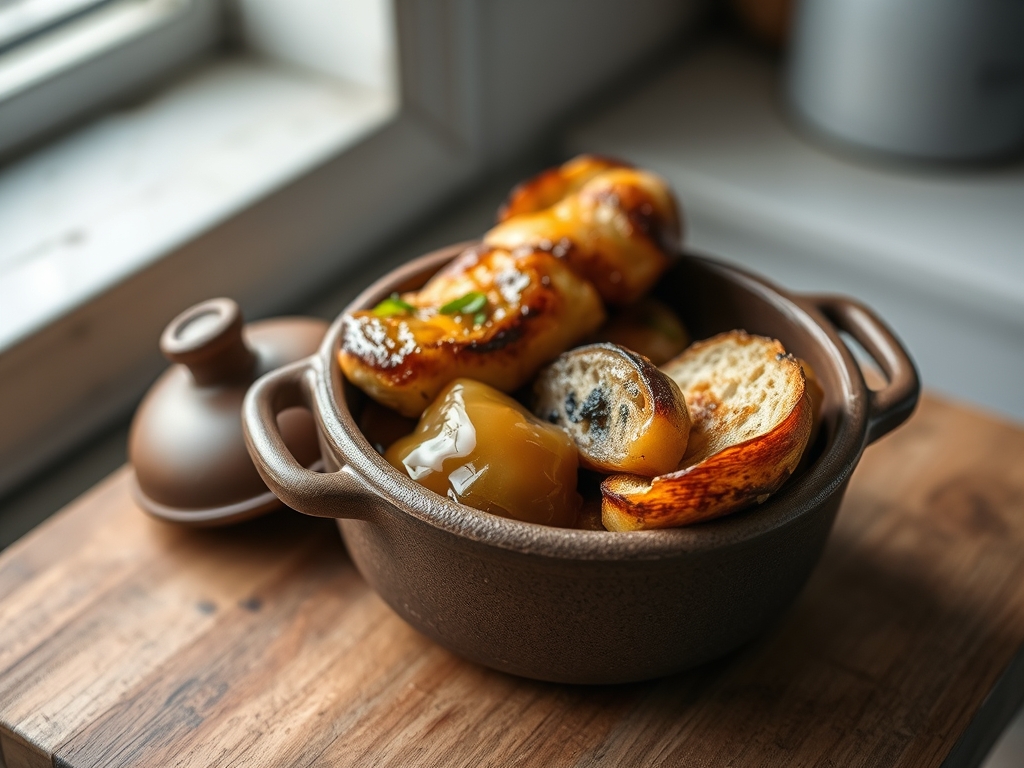
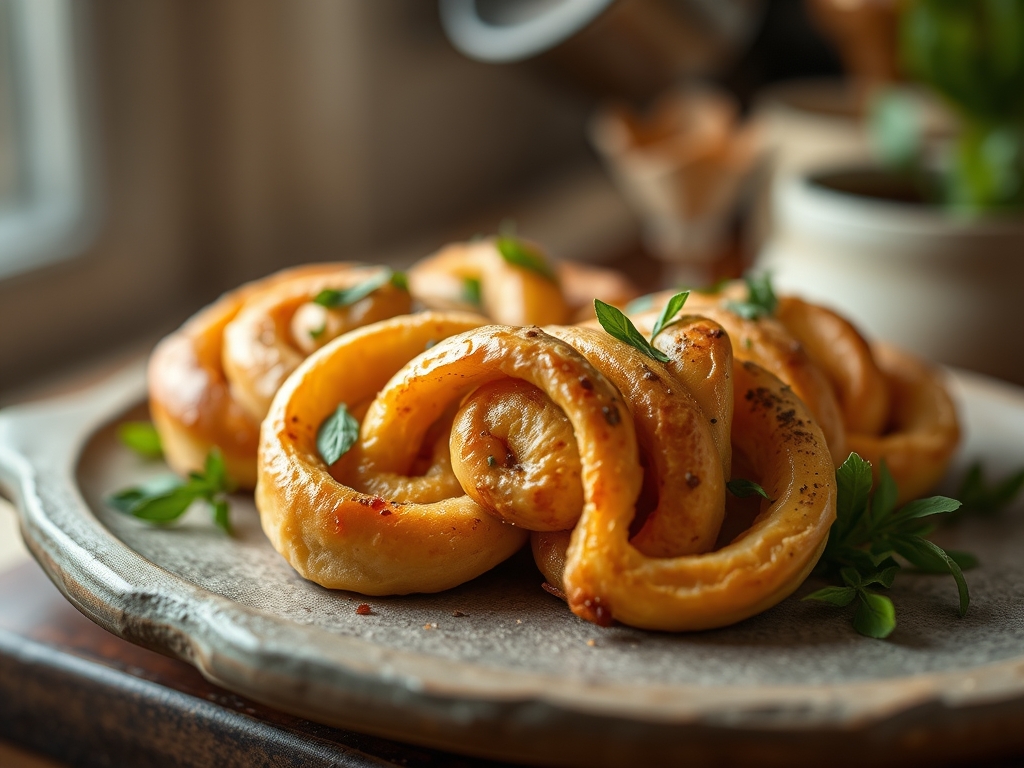
Imagine the structural integrity of a cloud reinforced by the crystalline crunch of a thousand diamonds. This is the sensory mandate of the Morning Bun Spirals. We are not merely baking; we are conducting a high-stakes engineering project where the primary building materials are high-fat butter and enriched flour. The air in your kitchen should vibrate with the scent of toasted cinnamon and citrus zest as the dough undergoes a violent expansion in the heat of the oven. This is the pinnacle of viennoiserie, a coiled masterpiece that demands respect for the laws of thermodynamics. When you bite into the outer rim, the sound should be a sharp, percussive snap, followed immediately by the pillowy resistance of a crumb that has been perfectly hydrated. The sugar on the exterior is not just a garnish; it is a structural sealant that traps moisture within the spiral. To master the Morning Bun is to master the art of sucrose lipid sequestration. We are here to ensure your infrastructure does not collapse under the weight of its own deliciousness.
THE DATA MATRIX
| Metric | Specification |
|---|---|
| Prep Time | 45 Minutes (Active) |
| Execution Time | 18 Hours (Inc. Proofing) |
| Yield | 12 Spirals |
| Complexity (1-10) | 8 |
| Estimated Cost per Serving | $1.15 |
THE GATHERS
Ingredient Protocol:
- 500g / 4 cups All-Purpose Flour (High Protein)
- 10g / 2 tsp Fine Sea Salt
- 50g / 1/4 cup Granulated Sugar (For dough)
- 10g / 1 tbsp Instant Yeast
- 250ml / 1 cup Whole Milk (Chilled)
- 1 Large Egg (Room Temperature)
- 250g / 1 cup Unsalted European-Style Butter (82% Butterfat)
- 200g / 1 cup Granulated Sugar (For coating)
- 15g / 2 tbsp Ground Cinnamon
- 1 Large Orange (Zested)
Section A: Ingredient Quality Audit:
The primary failure point in Morning Bun Spirals is the butter. Standard grocery store butter often contains too much water; this moisture will turn to steam too quickly and rupture your layers. If your butter is weeping liquid, you must emulsify it with a small tablespoon of flour to stabilize the fats. Furthermore, ensure your yeast is not expired. If your dough fails to aerate during the initial bulk ferment, your final product will be a dense, oily puck rather than a light spiral. If the flour feels too gritty, sift it twice to ensure a uniform protein distribution.
THE MASTERCLASS
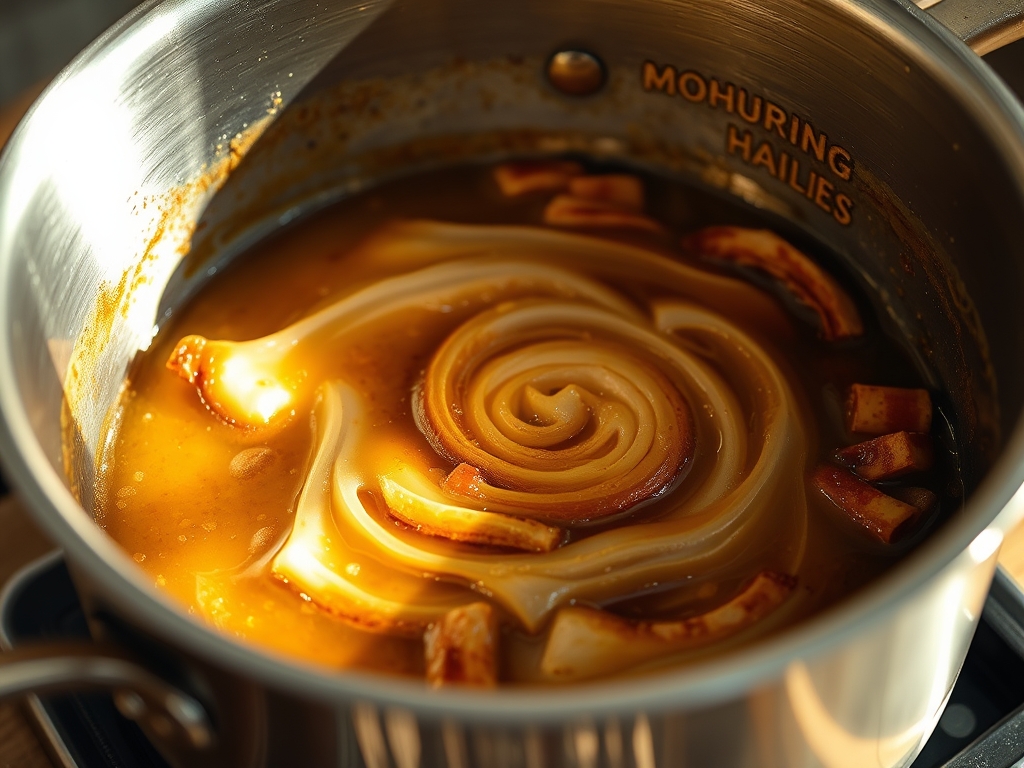
1. The Initial Hydration Phase
Combine your flour, salt, sugar, and yeast in the bowl of a stand mixer. Slowly infuse the chilled milk and egg into the dry mixture using the dough hook attachment. Mix on low speed until a shaggy mass forms. It is vital to keep the friction low to prevent premature gluten development.
Pro Tip: Use a digital scale for every measurement. Volumetric displacement is the enemy of consistency in enriched doughs; a few extra grams of flour can turn a supple dough into a brick.
2. The Lamination Infrastructure
Roll your chilled dough into a rectangle. Place your butter block (pounded into a flat square) in the center and fold the dough over it. Perform three "letter turns," chilling the dough for 30 minutes between each. This creates the alternating layers of fat and flour required for a massive rise.
Pro Tip: Use a heavy bench scraper to keep your edges square. Square corners ensure that every single bun in the batch has the same number of layers, preventing "dud" buns at the ends of the dough sheet.
3. The Sucrose Infusion
Once the final chill is complete, roll the dough into a large, thin rectangle. Brush lightly with melted butter and sprinkle a generous layer of the cinnamon-orange sugar mixture across the surface. Roll the dough tightly into a long cylinder, ensuring no air pockets are trapped.
Pro Tip: A saucier is the best tool for melting your butter gently; it prevents the solids from browning too quickly, which would alter the flavor profile of the interior spiral.
4. Precision Sectioning
Using a sharp knife or unflavored dental floss, cut the cylinder into 12 equal rounds. Place each round into a heavily greased muffin tin or specialized ring mold. The spirals should be snug but have enough room to expand upward.
Pro Tip: Use your digital scale to weigh the entire log before cutting. Divide that weight by 12 to find the exact target weight for each spiral. This ensures uniform baking times across the tray.
5. The Thermal Transformation
Proof the buns at room temperature until they have doubled in size and look "puffy." Bake at 375F (190C) for 20 to 25 minutes. The exterior should render the butter into the sugar, creating a caramelized crust. Immediately after baking, toss the hot buns in the remaining orange sugar.
Pro Tip: Use an instant-read thermometer to check the internal temperature. You are looking for 190F (88C) to ensure the center is fully set and not a viscous mess of raw dough.
Section B: Prep & Timing Fault-Lines:
The most common human error is rushing the proofing stage. If the dough is too cold when it enters the oven, the butter will melt and leak out before the flour structure can set; this results in a greasy puddle. Conversely, if the kitchen is too hot, the butter will melt into the dough during lamination, destroying the layers. Maintain a kitchen temperature of 68F (20C) for optimal results.
THE VISUAL SPECTRUM
Section C: Thermal & Visual Troubleshooting:
Referencing the Masterclass photo, your Morning Bun Spirals should exhibit a distinct "staircase" effect where the center of the spiral has pushed upward. If your buns are flat, your lamination was compromised or the yeast was weak. If the exterior is dark brown but the interior is doughy, your oven temperature is too high; the Maillard reaction is occurring too rapidly on the surface. Look for a "shattered glass" texture on the outer rings; this indicates that the sugar has properly sequestered the lipids and crystallized during the cooling phase. Dull colors suggest a lack of moisture in the oven; try placing a small pan of water on the bottom rack to create a humid baking environment.
THE DEEP DIVE
Macro Nutrition Profile:
Each spiral is a concentrated energy source. Expect approximately 380 calories, 18g of fat, 45g of carbohydrates, and 6g of protein. The high fat content provides a sustained energy release, though the sucrose spike is immediate.
Dietary Swaps:
- Vegan: Replace the butter with a high-quality plant-based block (look for high saturated fat content like coconut or palm) and use oat milk.
- Keto: This infrastructure is difficult to replicate without gluten, but almond flour with xanthan gum and erythritol can provide a "muffin" style alternative.
- GF: Use a 1:1 gluten-free flour blend with added psyllium husk to provide the elasticity needed for the spiral.
Meal Prep & Reheating Science:
To maintain the molecular structure, do not microwave. The microwave agitates water molecules, making the crust soggy. Instead, reheat in a 350F oven for 5 minutes. This re-crystallizes the exterior sugar and softens the interior fats without damaging the protein bonds.
THE KITCHEN TABLE
Why did my butter leak out during baking?
Your dough was likely under-proofed or your oven was too cool. If the structure doesn't set quickly, the butter liquefies and escapes. Ensure the buns are visibly wobbly and doubled in size before they hit the heat.
Can I make the dough a day in advance?
Absolutely. A cold ferment in the refrigerator for 12 to 24 hours actually improves the flavor. The yeast produces more complex esters and acids at lower temperatures, resulting in a more piquant and sophisticated dough profile.
How do I get the sugar to stick perfectly?
Timing is everything. You must toss the buns in the sugar coating within 60 seconds of removing them from the oven. The residual heat allows the sugar to bond with the surface oils before they solidify.
My spirals are unrolling in the oven. Help!
This is a tension issue. When rolling the cylinder, you must maintain a firm, even pressure. If the roll is too loose, the steam expansion will push the layers apart rather than upwards. Use your bench scraper to tuck the edge.