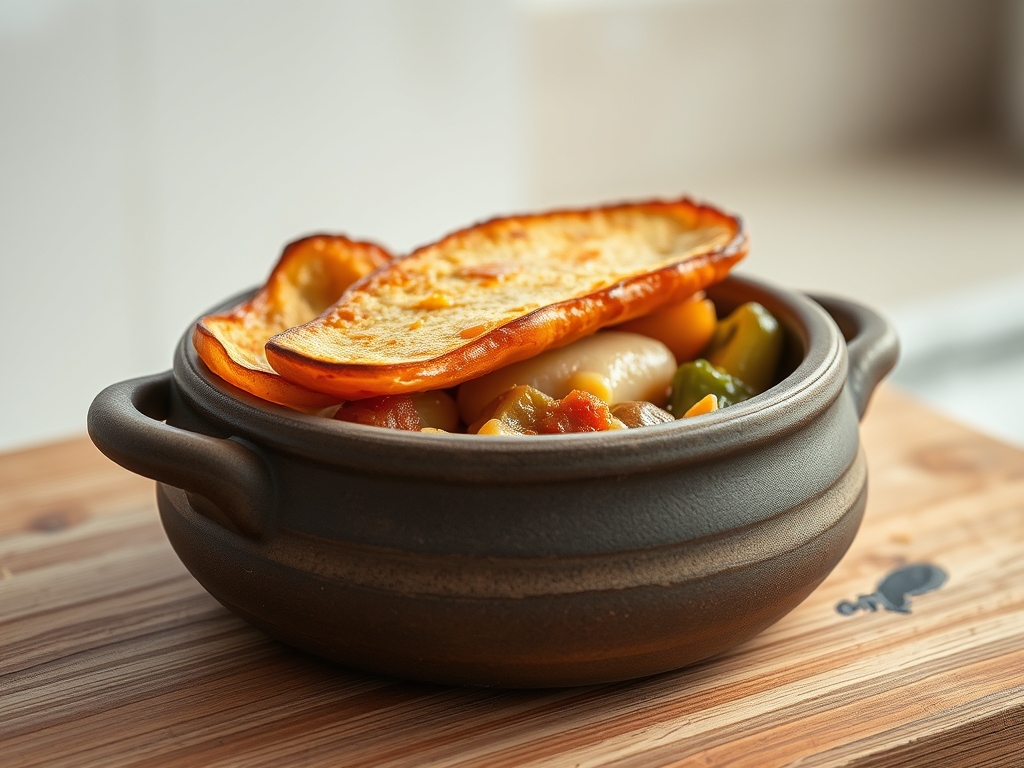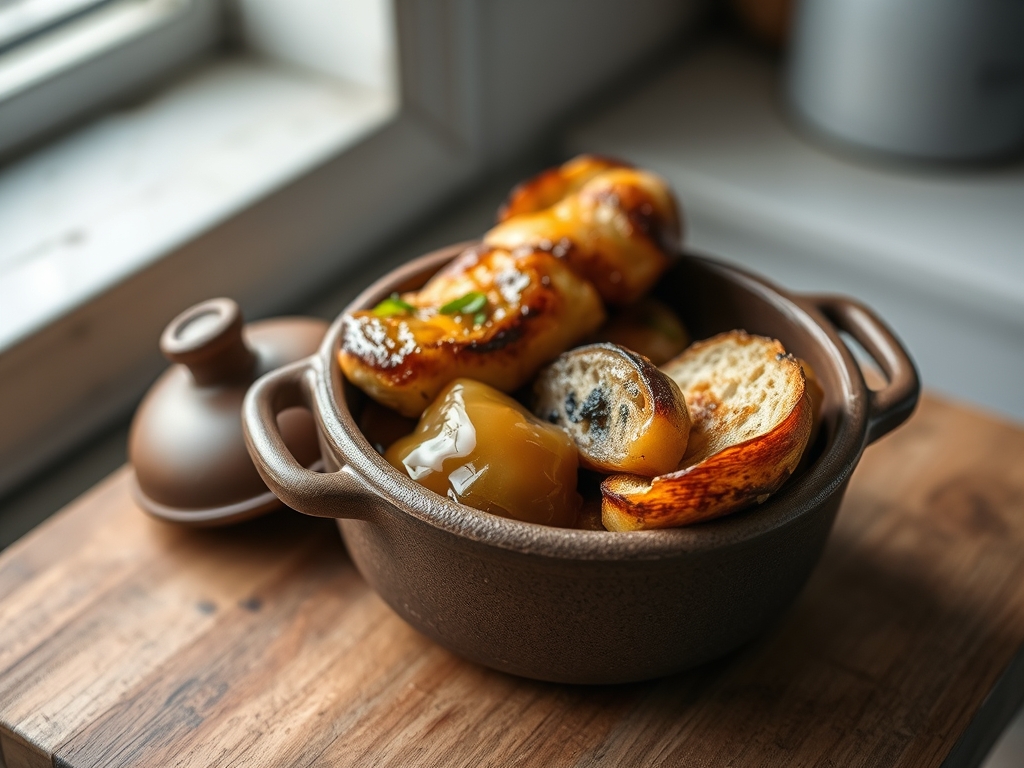
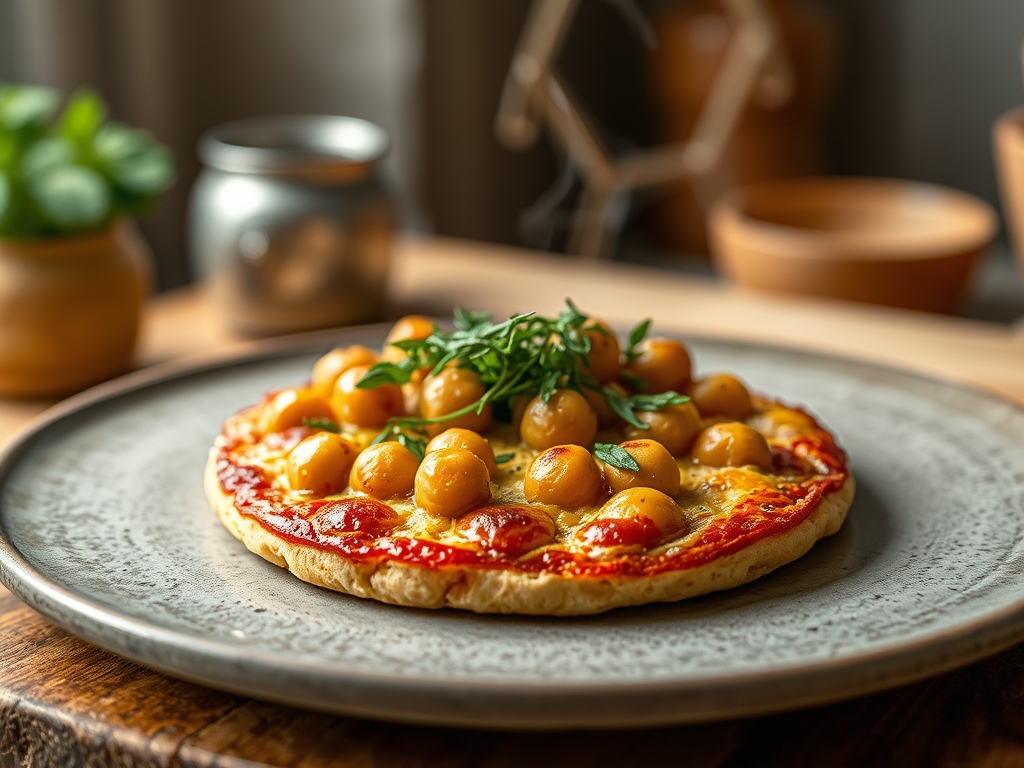
Welcome to the high-stakes theater of Provençal street food. We are not just making a pancake; we are engineering a structural marvel of legume architecture. When you walk the narrow streets of Nice, the air is thick with the scent of toasted nuttiness and charred edges. This is the domain of Chickpea Socca Tech. To the uninitiated, it looks like a simple batter poured into a pan. To the culinary auditor, it is a masterclass in hydration kinetics and protein denaturation. We are hunting for that elusive duality: a surface that shatters like glass upon impact, protecting a center that remains creamy, almost custard-like, and deeply savory. If your socca is floppy, you have failed the structural integrity test. If it is dry, you have mismanaged your thermal gradients. We are here to calibrate your kitchen into a high-performance lab where chickpea flour becomes gold. Grab your infrared thermometer and your heaviest cast iron. It is time to audit the most iconic flatbread in the Mediterranean portfolio.
THE DATA MATRIX
| Metric | Specification |
|---|---|
| Prep Time | 5 Minutes (Active) / 2 Hours (Hydration) |
| Execution Time | 12 to 15 Minutes |
| Yield | 4 Large Flatbreads |
| Complexity (1-10) | 4 (Technique Sensitive) |
| Estimated Cost per Serving | $0.85 USD |
THE GATHERS
Ingredient Protocol:
- 250g / 2 cups Besan (Fine-milled chickpea flour)
- 500ml / 2 cups Filtered water (Room temperature)
- 60ml / 4 tbsp Extra virgin olive oil (High polyphenol count)
- 10g / 2 tsp Fine sea salt
- 5g / 1 tsp Freshly cracked black pepper (To infuse the batter)
- 30ml / 2 tbsp Neutral oil (For high-heat pan seasoning)
Section A: Ingredient Quality Audit:
The primary failure point in Chickpea Socca Tech is stale flour. Chickpea flour is high in natural oils; if it has been sitting on a grocery shelf for six months, it will taste metallic or bitter. Audit Fix: Always taste a pinch of the dry flour. If it lacks a sweet, nutty finish, discard it. Another common issue is "lumpy" hydration. If your flour is clumping, it indicates high ambient humidity in your storage area. Technical Fix: Use a fine-mesh sieve to aerate the flour before it ever touches the water. Finally, the water-to-flour ratio is not a suggestion. If your batter is too viscous, the steam cannot escape, resulting in a rubbery texture rather than a crisp one.
THE MASTERCLASS
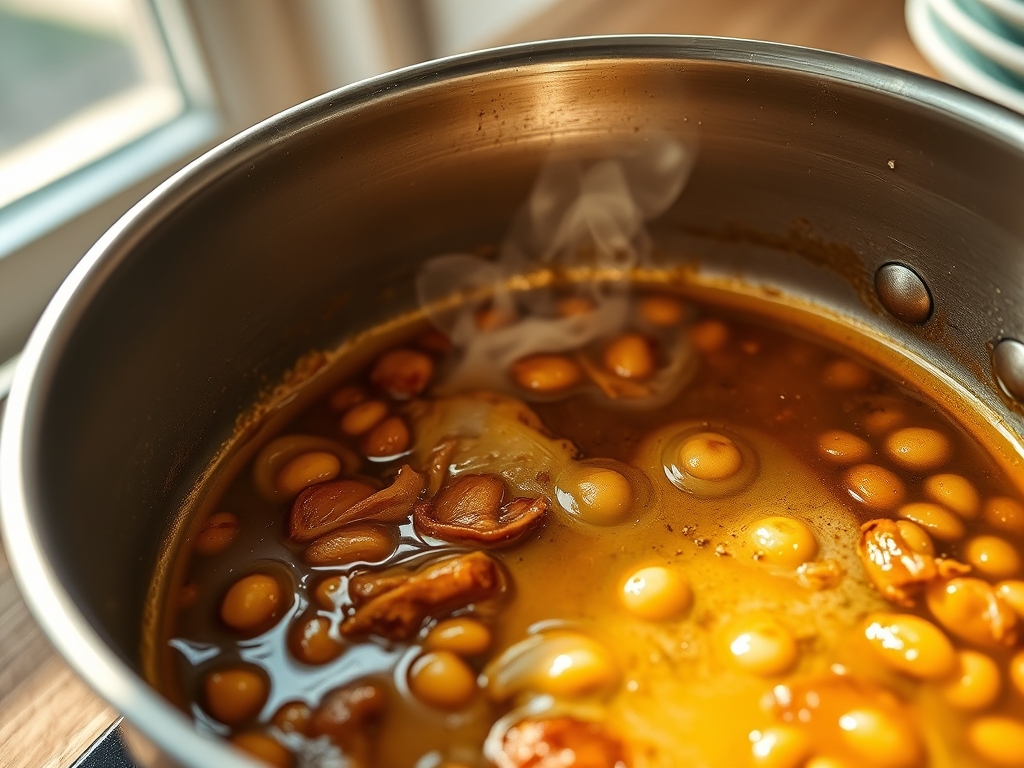
1. The Hydration Phase
Combine your sifted chickpea flour, salt, and pepper in a stainless steel mixing bowl. Slowly stream in the water while whisking vigorously to create a smooth, homogenous slurry. Once combined, whisk in the olive oil. Allow this mixture to rest for at least two hours at room temperature.
Pro Tip: This resting period is non-negotiable for Chickpea Socca Tech. It allows the starch granules to fully swell and the proteins to relax. Use a digital scale to ensure your ratios are exact; volume measurements are too variable for consistent structural success.
2. Thermal Saturation
Place a 12-inch cast iron skillet or a specialized copper socca pan into the oven. Crank the heat to 260C / 500F. You need the metal to act as a massive heat sink. Let the pan soak in that heat for at least 20 minutes after the oven reaches temperature.
Pro Tip: Use an infrared thermometer to verify the pan surface has reached at least 250C. A cold pan will cause the batter to stick and prevent the Maillard reaction from occurring instantly upon contact.
3. The Flash Pour
Carefully remove the blazing hot pan and add a thin film of neutral oil. Swirl to coat. Immediately pour enough batter to cover the bottom in a thin layer (about 3mm thick). You should hear an aggressive sizzle; this is the sound of the bottom crust flash-setting.
Pro Tip: Use a saucier or a heavy-duty ladle to pour the batter in one fluid motion. This ensures an even thickness across the radius of the pan, preventing "islands" of undercooked dough.
4. The Broil Execution
Slide the pan back into the oven, ideally on the highest rack under the broiler element. Watch it like a hawk. You are looking for the edges to pull away from the sides and the top to develop dark, charred "leopard spots."
Pro Tip: A bench scraper is the ideal tool for checking the underside. Lift the edge slightly; it should be rigid and deep golden brown. If it is pale, move the pan to the bottom floor of the oven for 60 seconds to finish the base.
Section B: Prep & Timing Fault-Lines:
Timing is the ghost in the machine. If you pour the batter too early (before the two-hour rest), the chickpea particles will remain gritty. If the oven is not preheated long enough, the socca will steam rather than fry, leading to a texture similar to wet cardboard. Audit Fix: If you are short on time, use warm water (40C) to accelerate the hydration of the starches, though a cold rest is always superior for flavor development.
THE VISUAL SPECTRUM
Section C: Thermal & Visual Troubleshooting:
Observe the reference photo: note the "shatter-zones" where the top layer has bubbled and charred. If your socca looks uniform and blonde, you lack heat. If it is riddled with large holes, you whisked too much air into the batter right before pouring. Visual Cue Fix: If the center looks "wet" while the edges are burning, your batter layer is too thick. Use a bench scraper to spread the batter faster next time. To render the perfect crust, the oil must be shimmering but not smoking when the batter hits the pan. A dull, matte finish on the surface indicates you skimped on the olive oil in the batter mix itself.
THE DEEP DIVE
Macro Nutrition Profile:
Chickpea socca is a nutritional powerhouse. A standard serving provides approximately 12g of plant-based protein and 6g of dietary fiber. It is low on the glycemic index, meaning it provides sustained energy without the insulin spikes associated with white flour flatbreads. The healthy monounsaturated fats from the olive oil aid in the absorption of the chickpea's micronutrients.
Dietary Swaps:
- Vegan: Naturally compliant.
- Keto: While chickpeas have carbs, they are high-fiber. For a lower-carb version, swap 25% of the chickpea flour with almond flour, though you will lose some structural rigidity.
- GF: Naturally gluten-free. Ensure your flour is certified to avoid cross-contamination.
Meal Prep & Reheating Science:
To maintain the molecular structure, never microwave leftover socca. The moisture will migrate from the center to the crust, making it soggy. Instead, re-crisp the slices in a dry frying pan over medium-high heat or in a toaster oven. This re-activates the fats and restores the "snap" of the exterior.
THE KITCHEN TABLE
Why is my socca sticking to the pan?
Your pan wasn't hot enough or lacked sufficient seasoning. The "Leidenfrost effect" helps the batter hover over the oil; without extreme heat, the proteins bond directly to the metal.
Can I add herbs to the batter?
Absolutely. Infuse the batter with chopped rosemary or thyme during the hydration phase. This allows the essential oils to permeate the liquid, resulting in a more fragrant final product.
Why does my socca taste like raw beans?
Under-hydration or under-cooking. The enzymes in chickpea flour need time and heat to transform. Ensure you hit the full two-hour rest and the high-heat broil.
What is the best way to serve this?
Keep it classic. A heavy dusting of black pepper and a drizzle of piquant chili oil. It is best consumed within minutes of leaving the oven while the temperature gradients are at their peak.