Listen to that sound. It is not just a sizzle; it is a high-frequency acoustic signature of moisture rapidly evacuating a pressurized matrix. When cold, carbonated liquid meets a 375 degree Fahrenheit oil bath, you are witnessing a violent, beautiful architectural event. This is the core of Beer Batter Mechanics. We are not just coating a piece of protein; we are constructing a temporary, edible pressure vessel. The goal is a crust so light it defies gravity yet remains structurally sound enough to trap steam, essentially poaching the interior while the exterior undergoes a rapid Maillard transformation. If your batter is a leaden, oil-soaked shroud, you have failed the engineering phase. We require a suspension that is viscous enough to cling but aerated enough to shatter upon impact. By harnessing dissolved carbon dioxide and the lower boiling point of ethanol, we create a flash-evaporation cycle that inflates the starch walls before they set. This is culinary infrastructure at its most volatile. Let us audit your process and optimize for maximum porosity.
THE DATA MATRIX
| Metric | Specification |
|---|---|
| Prep Time | 10 Minutes |
| Execution Time | 15 Minutes |
| Yield | 4 to 6 Servings |
| Complexity (1-10) | 4 |
| Estimated Cost per Serving | $2.50 – $4.00 |
THE GATHERS
Ingredient Protocol:
- 250g / 2 cups All-Purpose Flour (High protein content preferred)
- 50g / 0.5 cup Cornstarch (For crispness and structural integrity)
- 355ml / 12oz Cold Lager or Ale (Must be highly carbonated)
- 5g / 1 tsp Baking Powder (Secondary chemical leavening)
- 10g / 2 tsp Kosher Salt
- 5g / 1 tsp Smoked Paprika (For color and piquant undertones)
- 950ml / 1 quart High-Smoke Point Oil (Grapeseed or Peanut)
Section A: Ingredient Quality Audit:
If your flour is clumpy or shows signs of oxidation, your batter will suffer from uneven hydration. Always sift your dry goods to ensure the surface area is maximized for liquid integration. If your beer is flat or room temperature, your infrastructure is doomed. Flat beer lacks the necessary CO2 to aerate the starch matrix, resulting in a dense, chewy shell. The fix? Use a fresh, pressurized can and keep it on ice until the exact moment of mixing. If your oil has been reused too many times, its smoke point has dropped. This leads to premature browning and a greasy mouthfeel. Use fresh oil and monitor the temperature with a digital probe to ensure you stay within the 350 to 375 degree Fahrenheit safety zone.
THE MASTERCLASS
Step 1: Dry Matrix Integration
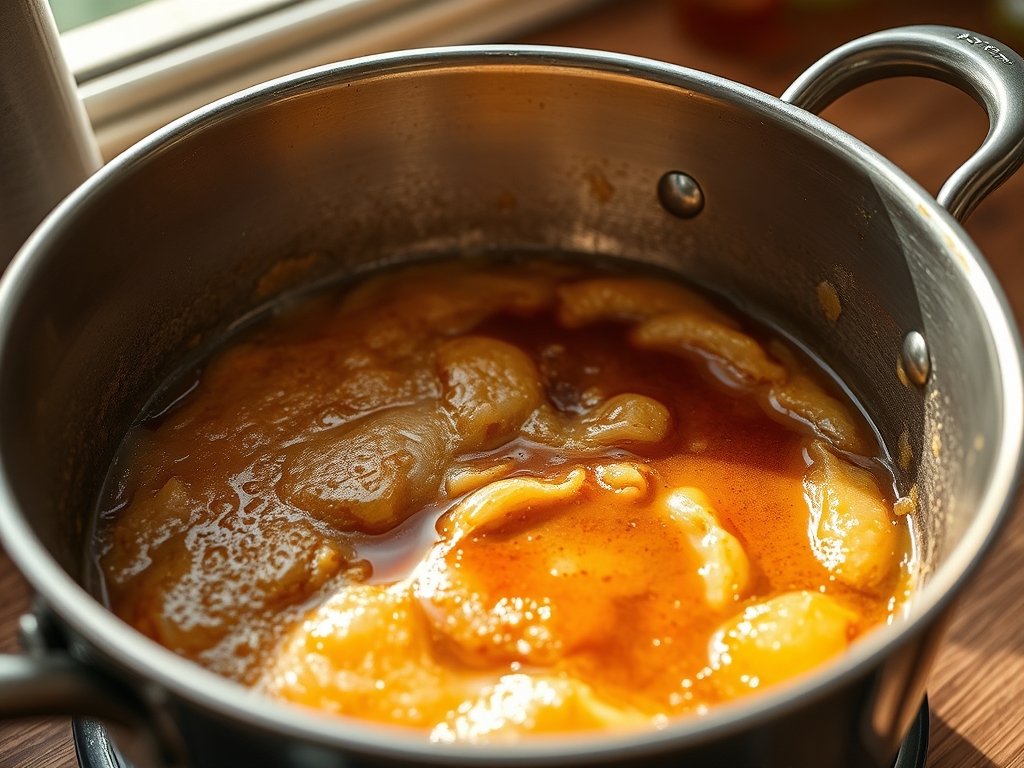
Whisk your flour, cornstarch, baking powder, and spices in a stainless steel mixing bowl. Use a digital scale to ensure precision; volumetric measurements are the enemy of consistency. You are looking for a perfectly homogenous distribution of leavening agents to prevent "hot spots" of localized inflation.
Pro Tip: Incorporating cornstarch interferes with gluten development. By diluting the wheat proteins, you ensure the crust remains brittle rather than bread-like.
Step 2: The Carbonation Injection
Slowly pour the ice-cold beer into the center of the dry well while whisking gently. Do not overwork this. You want to infuse the liquid into the flour just until no large dry pockets remain. A few small lumps are acceptable; over-mixing triggers gluten development, which turns your shatter-crisp coating into a rubbery tire.
Pro Tip: Use a saucier or a heavy-bottomed whisk to reach the edges of the bowl. The cold temperature of the beer slows down gluten formation, buying you time to achieve the perfect viscous consistency.
Step 3: Protein Preparation and Dredging
Pat your fish or vegetables completely dry with paper towels. Dust them lightly in a separate tray of plain flour. This "primer coat" acts as a mechanical bridge, allowing the wet batter to adhere to the surface without sliding off during the thermal shock of frying.
Pro Tip: Use a bench scraper to keep your dredging station clean. Removing excess moisture from the protein surface prevents the "steam gap" that causes the batter to separate from the food.
Step 4: Thermal Deployment
Submerge the dredged item into the batter, let the excess drip for two seconds, and gently lay it into the hot oil. Always lay the food away from you to prevent oil splatter. Fry in small batches to avoid dropping the oil temperature, which would stall the aeration process and lead to oil absorption.
Pro Tip: Use a long-handled spider or slotted spoon to agitate the oil slightly. This ensures even heat distribution and prevents the batter from sticking to the bottom of the vessel.
Section B: Prep & Timing Fault-Lines:
The biggest failure in Beer Batter Mechanics is the "Wait Time Trap." If you mix the batter and let it sit for thirty minutes, the CO2 escapes and the starch granules over-hydrate. This results in a heavy, soggy coating. The batter must be mixed immediately before use. Another common fault-line is the "Crowded Pan Syndrome." Adding too much cold mass to the oil at once causes the temperature to plummet. When the temperature drops, the batter cannot render its moisture fast enough, and the oil infiltrates the crust. Always wait for the oil to return to 375 degrees Fahrenheit between batches.
THE VISUAL SPECTRUM
Section C: Thermal & Visual Troubleshooting:
Look at the Masterclass photo. Notice the golden-hued, "bubbly" topography of the crust. This is the visual cue for successful carbonation-driven porosity. If your crust looks smooth and dark brown, your oil was too hot or your batter lacked aeration. If it looks pale and limp, your oil was too cold. If you see "bald spots" where the batter has slid off, your protein was too wet before dredging. The ideal result should show microscopic craters where CO2 bubbles burst and were instantly "frozen" in place by the heat. This texture provides the maximum surface area for salt and vinegar to cling to, ensuring a piquant finish.
THE DEEP DIVE
Macro Nutrition Profile:
A standard serving of beer-battered protein (approx. 150g) contains roughly 350-450 calories, with 25g of carbohydrates and 15-20g of fats depending on the oil retention. The protein count remains high, but the caloric density is significantly increased by the fried matrix.
Dietary Swaps:
- Vegan: Use a light beer and ensure your flour is unbleached. The mechanics remain identical.
- Keto: Replace wheat flour with a mix of almond flour and unflavored whey protein isolate. Use sparkling water instead of beer to reduce carb counts, though the Maillard reaction will be less intense.
- GF: Use a 1:1 gluten-free flour blend containing xanthan gum. Gluten-free batters often crisp up faster than wheat-based versions.
Meal Prep & Reheating Science:
Fried infrastructure is notoriously difficult to maintain. To reheat, avoid the microwave at all costs; it excites water molecules, turning the crust into a soggy mess. Use an air fryer or a wire rack in a 400 degree Fahrenheit oven for five minutes. This re-activates the residual oils and drives out any absorbed atmospheric moisture, partially restoring the original porosity.
THE KITCHEN TABLE
Why use beer instead of soda water?
Beer contains proteins and sugars that enhance the Maillard reaction. This results in a deeper golden color and a more complex, toasted flavor profile that sparkling water simply cannot replicate.
How do I stop the batter from falling off?
The "Dry-Wet-Hot" rule is law. The protein must be bone-dry, then lightly floured (the primer), then battered, then immediately fried. Any moisture on the protein surface creates steam that pushes the batter away.
What is the best beer for frying?
A highly carbonated, cold lager is the industry standard. Avoid heavy stouts or overly hoppy IPAs, as the reduction process in the fryer can concentrate bitter flavors to an unpleasant degree.
Can I make the batter in advance?
Absolutely not. The CO2 is the engine of this recipe. Once the beer is opened and mixed with flour, the clock is ticking. For maximum porosity, mix and fry within a ten-minute window.