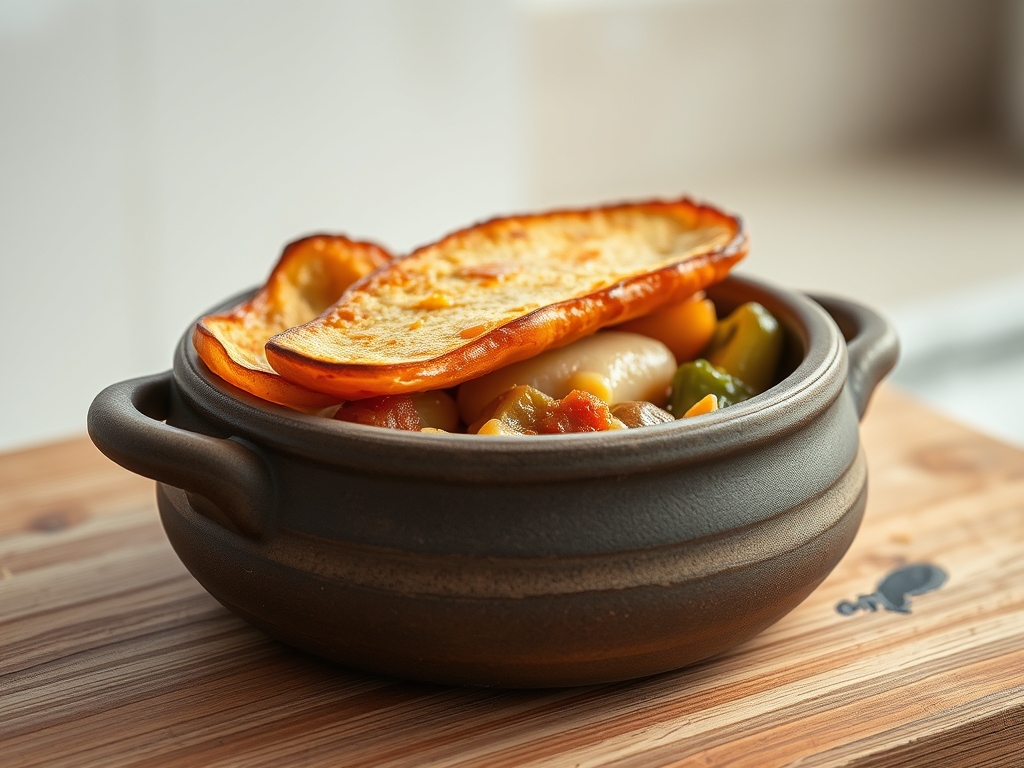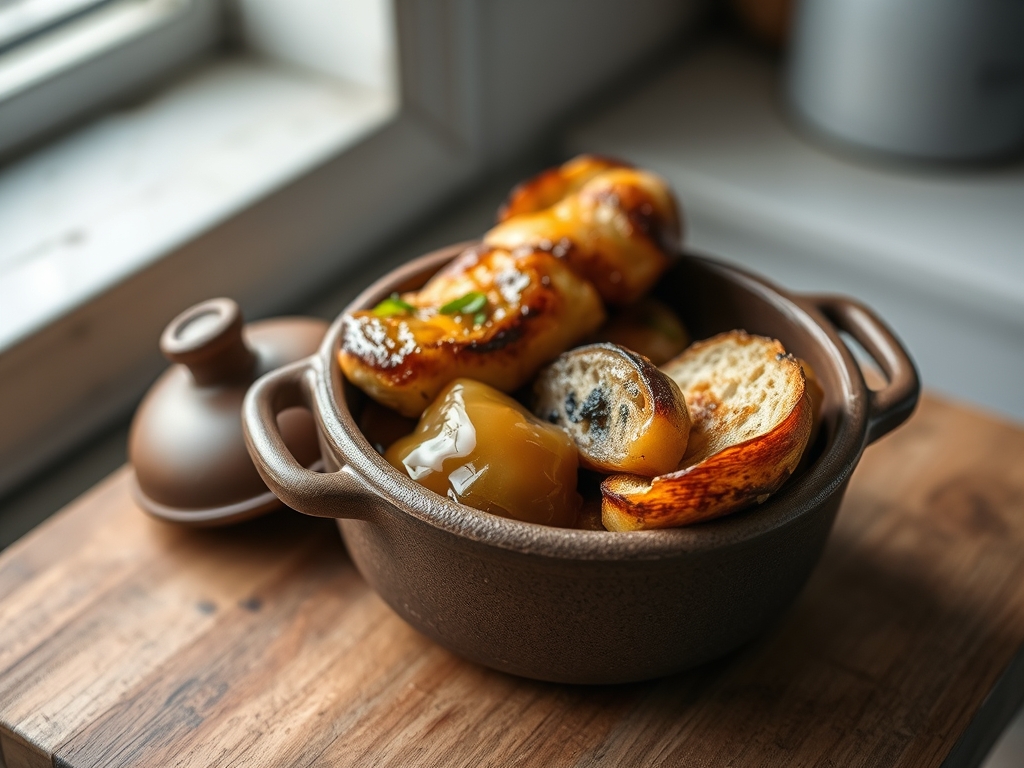
Forget everything you think you know about the humble deep fryer. We are not just cooking; we are engaging in a high-stakes engineering project where the objective is to suspend moisture within a crystalline lattice of starch. This is the Tempura Batter Audit. When you drop a cold, carbonated slurry into a vat of shimmering oil, you are initiating a violent thermodynamic exchange. The goal is a cold shock vapor barrier that defies the laws of sogginess. We want a coating so fragile it shatters like glass, yet so structurally sound it protects the delicate protein within from the aggressive heat. If your batter looks like a heavy pancake or a sad, oily sponge, you have failed the audit. True tempura is a ghost of a coating; it is a whisper of crunch that disappears the moment it hits the tongue. We are looking for lacy, golden protrusions and an internal temperature that suggests the ingredient was merely kissed by the flame. Let us calibrate your equipment and refine your technique to achieve a state of fried perfection.
THE DATA MATRIX
| Metric | Specification |
|---|---|
| Prep Time | 10 Minutes |
| Execution Time | 15 Minutes |
| Yield | 4 to 6 Servings |
| Complexity (1-10) | 8 (Precision Dependent) |
| Estimated Cost per Serving | $2.50 – $4.00 |
THE GATHERS
Ingredient Protocol:
- 250ml / 1 cup All-purpose flour (low protein preferred)
- 125ml / 0.5 cup Cornstarch or potato starch
- 1 Large egg yolk (refrigerated at 4C / 40F)
- 300ml / 1.25 cups Sparkling mineral water (ice-cold)
- 5g / 1 tsp Fine sea salt
- 2g / 0.5 tsp Baking soda
- 950ml / 1 quart High-smoke point oil (Rice bran or Grapeseed)
Section A: Ingredient Quality Audit:
The primary failure point in a Tempura Batter Audit is protein development. If you use high-protein bread flour, you will create a chewy, bread-like shell. Technical Fix: Always cut your flour with cornstarch to dilute the gluten potential. If your sparkling water is flat, your batter will lack the necessary aeration to create those signature lacy voids. Technical Fix: Open the bottle only at the moment of mixing to ensure maximum CO2 saturation. Finally, if your oil is old, it will have a high concentration of polar compounds, causing the batter to absorb grease rather than repel it. Technical Fix: Use fresh, filtered oil and monitor it with a digital thermometer to maintain a steady 175C (350F).
THE MASTERCLASS
1. Thermal Stabilization of Hardware
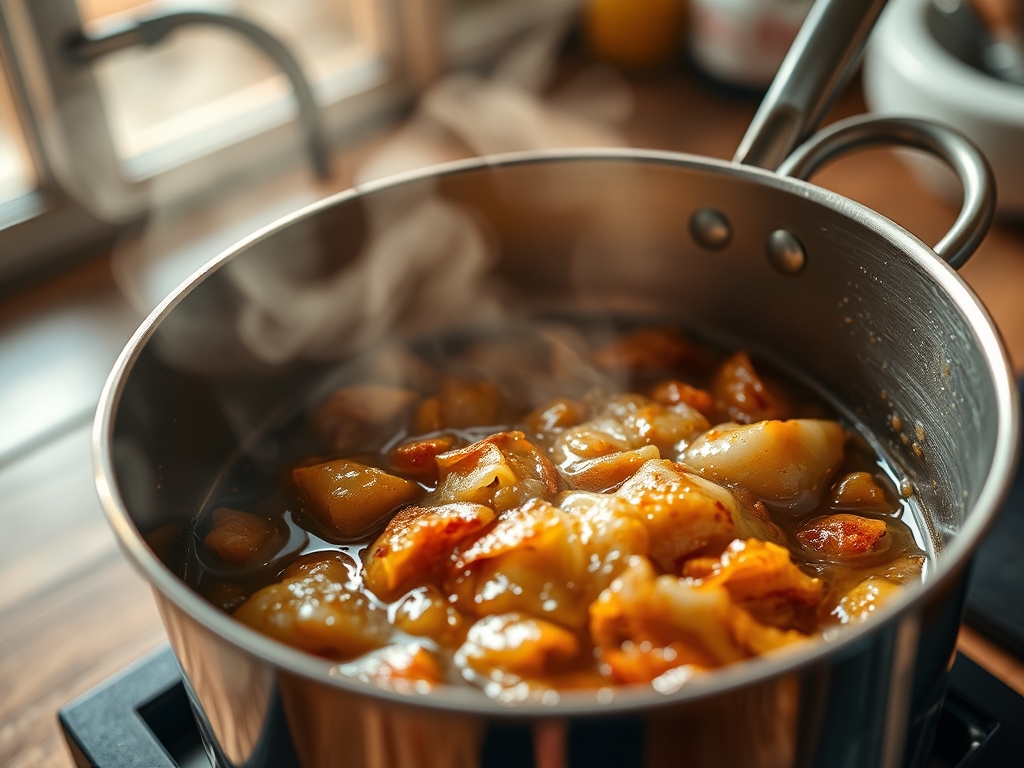
Place your mixing bowl, preferably stainless steel, inside a larger bowl filled with ice. Use a digital scale to measure your dry ingredients into a separate container. Pre-chill your flour in the freezer for twenty minutes before you begin. This ensures that when the cold batter hits the hot oil, the temperature differential is maximized, triggering an immediate steam release.
Pro Tip: This temperature delta is the "Leidenfrost Effect" in action. The rapid evaporation of water creates a protective steam jacket around the food, preventing oil from penetrating the interior.
2. The Sifting Protocol
Combine the flour, starch, salt, and baking soda. Pass them through a fine-mesh sieve at least twice. This does more than remove lumps; it uses air to aerate the dry mixture, ensuring that every grain of starch is separated and ready for hydration. A bench scraper can be used to level off your dry measures if you are not using a scale.
Pro Tip: Sifting introduces micro-pockets of air that expand during frying, contributing to the "lacy" texture that characterizes a successful audit.
3. The Minimalist Hydration
Whisk the egg yolk into the ice-cold sparkling water in a small saucier or pitcher. Pour this liquid into the dry ingredients all at once. Use a pair of thick chopsticks to "stab" and stir the mixture for no more than fifteen seconds. The goal is not a smooth emulsion; it is a lumpy, barely-combined slurry.
Pro Tip: Over-mixing is the enemy. Every stroke of the whisk develops gluten. You want visible streaks of dry flour; these dry pockets will explode into crisp "flowers" once they hit the oil.
4. The Precision Submersion
Dust your vegetables or shrimp lightly in dry cornstarch before dipping them into the batter. This acts as a primer, allowing the viscous batter to cling to the surface. Drop the items into the oil away from your body. Use a slotted spoon or "spider" to flick extra droplets of batter onto the frying items to create "tenkasu" or crunchy bits.
Pro Tip: The cornstarch dusting absorbs surface moisture, ensuring the batter does not slide off the ingredient like a silk robe on a marble statue.
5. The De-oiling Phase
Remove the items once they are pale gold and the bubbling has subsided. Place them immediately onto a wire cooling rack rather than paper towels. A wire rack allows air to circulate around the entire surface, preventing the bottom from steaming and becoming soggy.
Pro Tip: Steam is the primary destroyer of structural integrity post-fry. A wire rack ensures that the "vapor barrier" remains intact while the internal moisture stabilizes.
Section B: Prep & Timing Fault-Lines:
Timing is the silent killer of the Tempura Batter Audit. If you mix the batter and let it sit while you chop vegetables, the starch will fully hydrate and the CO2 will escape. This results in a heavy, leaden coating. Technical Fix: Prep every single ingredient, including the dipping sauce, before you even open the sparkling water. The batter has a functional lifespan of approximately seven minutes. If you exceed this, discard and start over. Another fault-line is overcrowding the fryer. Dropping too many items at once crashes the oil temperature, leading to oil-logged, greasy results. Technical Fix: Fry in small batches, allowing the oil to recover its target temperature between rounds.
THE VISUAL SPECTRUM
Section C: Thermal & Visual Troubleshooting:
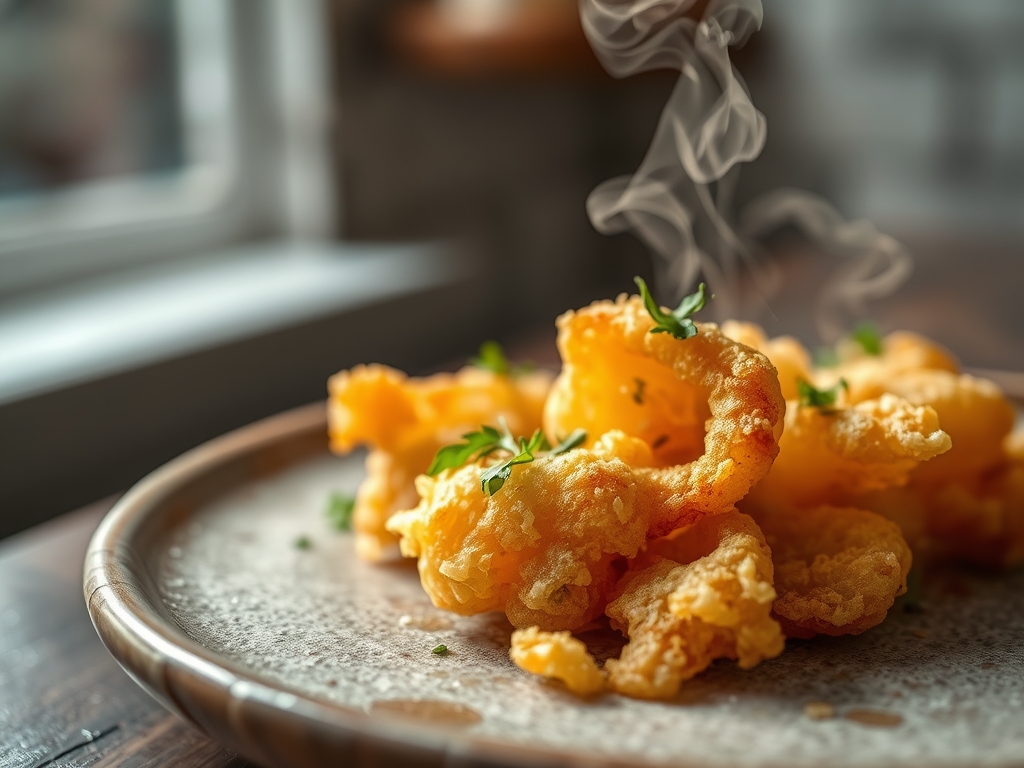
Observe the photo above. You should see a "shattered" appearance with distinct, jagged edges. If your coating looks smooth and rounded, your batter was too thick or over-mixed. If the color is deep brown, your oil was too hot, or there was too much sugar in your ingredients. Tempura should be blonde, not brunette. If the coating is falling off, you skipped the cornstarch "primer" step. Note the "flowers" of batter in the image; these are achieved by the "flicking" technique mentioned in step four. If your results look dull, ensure you are using a high-quality oil that hasn't reached its smoke point, as degraded oil leaves a gray, matte finish on the food.
THE DEEP DIVE
Macro Nutrition Profile:
Tempura is high in carbohydrates and fats, but when executed correctly, the oil absorption is minimal. A standard serving of vegetable tempura contains approximately 350 calories, 18g of fat, and 40g of carbohydrates. The rapid frying process preserves the vitamins in the vegetables better than boiling or long-term roasting.
Dietary Swaps:
- Vegan: Replace the egg yolk with 15ml of light vegetable oil. The oil provides the necessary fat for a crisp finish without the animal protein.
- Gluten-Free: Substitute the all-purpose flour with a 50/50 blend of white rice flour and sweet rice flour. Rice flour does not develop gluten, making it an excellent candidate for a permanent "lacy" crunch.
- Keto: This is difficult, but a mixture of unflavored whey protein isolate and crushed pork rinds can mimic the texture, though it will lack the "vapor barrier" physics of starch.
Meal Prep & Reheating Science:
Tempura is designed for immediate consumption. However, if you must reheat, do not use a microwave; it will turn the starch into a rubbery mess. Use an air fryer or a toaster oven at 200C (400F) for three minutes. This re-activates the fats and drives out any surface moisture that has migrated from the interior.
THE KITCHEN TABLE
Why is my tempura soggy after five minutes?
The internal moisture of the ingredient is migrating outward. If your batter is too thick, it traps this steam, which softens the crust. Use a thinner batter and ensure the oil is at the correct temperature.
Can I use beer instead of sparkling water?
Yes. Beer provides CO2 and ethanol. Ethanol evaporates faster than water, which can actually enhance the crispness. However, the proteins and sugars in beer will cause the batter to brown more quickly.
What is the best oil for a Tempura Batter Audit?
Rice bran oil is the gold standard due to its high smoke point and neutral flavor profile. It contains oryzanol, which resists oxidation at high temperatures, keeping your fried foods clean and light.
Do I really need the ice bath?
Absolutely. The cold temperature inhibits gluten formation and creates a more dramatic reaction when the batter hits the hot oil. Without the ice bath, you are simply making a standard fritter batter.