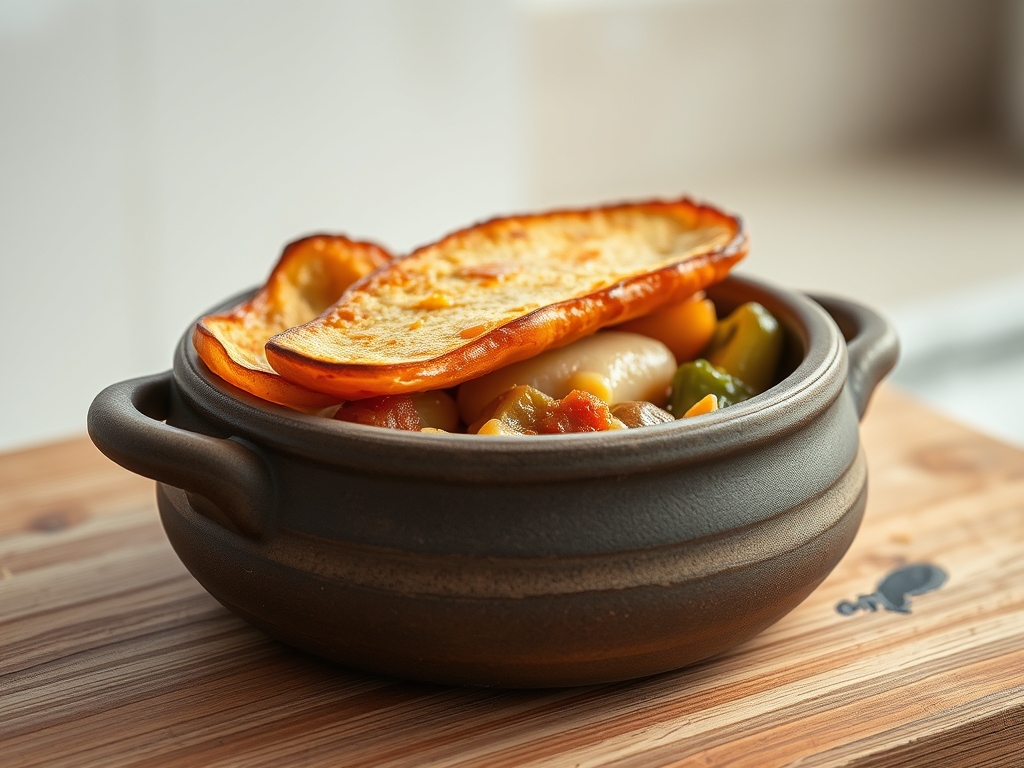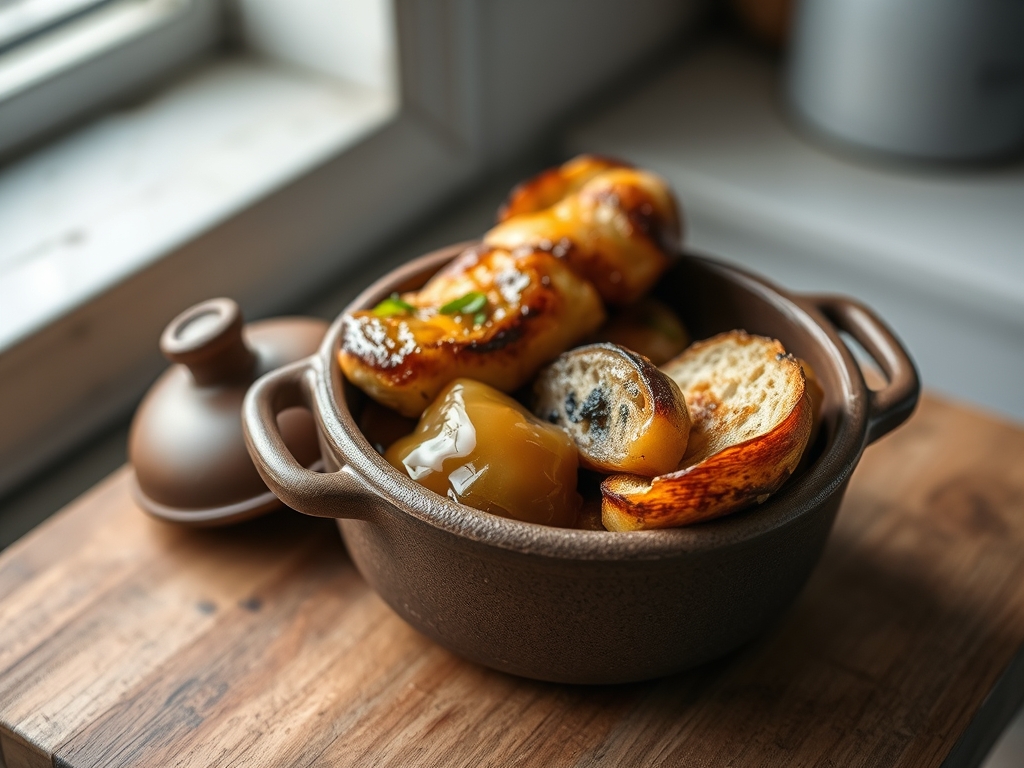
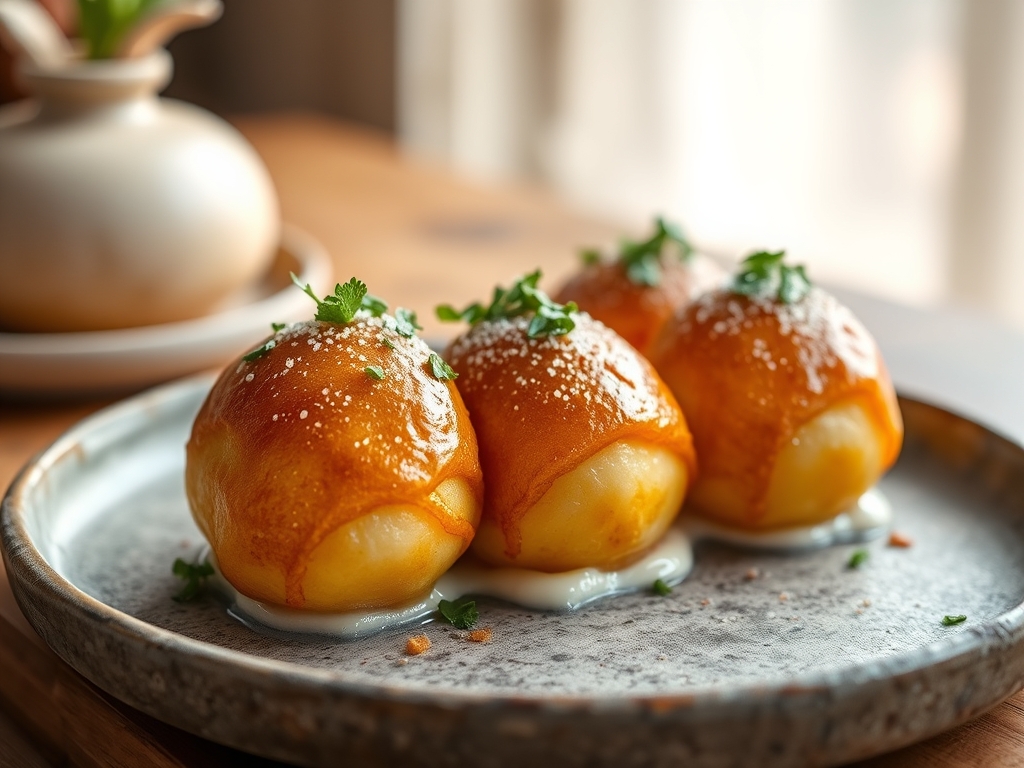
Listen closely because we are not just frying dough; we are engineering a suspension of atmospheric gases within a hydrated protein matrix. Welcome to the high stakes world of the Italian doughnut. When you bite into a perfect zeppole, you are experiencing a structural miracle where the exterior lattice has undergone rapid dehydration while the interior remains a cloud of steam-trapped delight. This is the essence of Zeppole Foam Data. If your dough feels like a lead weight, your data is corrupted. We are looking for a specific gravity that defies the heavy hand of gravity itself. We want a crumb so light it feels like an insult to the oil it was birthed in. To achieve this, we must master the interplay of moisture, heat transfer, and egg-based emulsification. This is an audit of your culinary infrastructure. We are here to strip away the amateur guesswork and replace it with a rigorous, high energy protocol that ensures every golden orb is a testament to gas phase stability.
THE DATA MATRIX
| Metric | Specification |
|---|---|
| Prep Time | 20 Minutes |
| Execution Time | 15 Minutes |
| Yield | 24 Units |
| Complexity (1-10) | 6 |
| Estimated Cost per Serving | $0.45 |
THE GATHERS
Ingredient Protocol:
- 250ml / 1 cup Filtered Water
- 115g / 0.5 cup Unsalted High-Fat Butter
- 2g / 0.5 tsp Fine Sea Salt
- 150g / 1.25 cups All-Purpose Flour (Sifted)
- 4 Large Eggs (Room Temperature)
- 10g / 2 tsp Granulated Sugar
- 5ml / 1 tsp Pure Vanilla Extract
- 1L / 4 cups Neutral Frying Oil (Grapeseed or Peanut)
- 50g / 0.5 cup Powdered Sugar (for dusting)
Section A: Ingredient Quality Audit:
If your flour has a low protein content, the structure will collapse before the steam can aerate the center. Ensure you are using a flour with at least 10 percent protein to maintain the "balloon" effect. If your butter is "water-heavy" discount brand, the excess moisture will trigger premature gluten development; use European-style butter for a higher fat-to-water ratio. If your eggs are cold from the fridge, they will break the emulsion when added to the warm flour paste. Always temper your eggs to room temperature to ensure they infuse properly into the roux.
THE MASTERCLASS
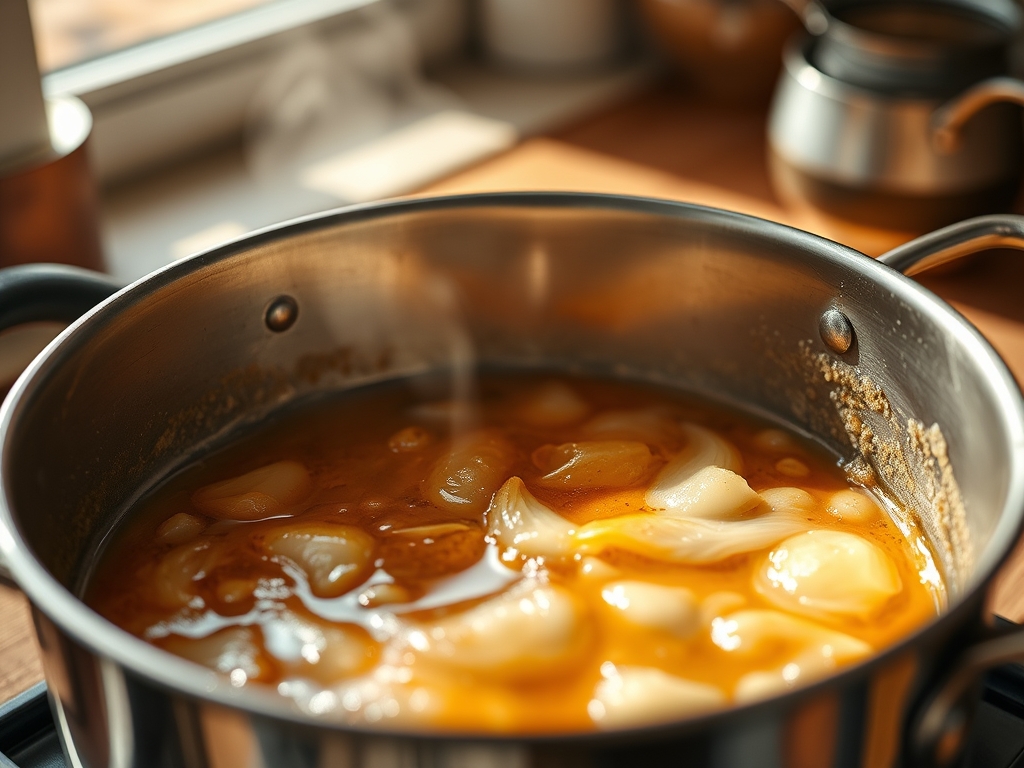
1. The Hydro-Thermal Base
Combine water, butter, sugar, and salt in a heavy-bottomed saucier. Bring to a rolling boil over medium-high heat. You are looking for the butter to be fully melted before the water reaches a violent boil to prevent excessive evaporation.
Pro Tip: Use a digital scale for the butter. Even a 5-gram variance can alter the viscous nature of the dough, leading to a greasy finish rather than a crisp shell.
2. The Flour Integration
Dump the sifted flour into the boiling liquid all at once. Stir vigorously with a wooden spoon or stiff spatula until the mixture forms a cohesive ball that pulls away from the sides of the pan. Continue cooking for 2 minutes to "cook out" the raw starch.
Pro Tip: Look for a thin film to form on the bottom of the pan. This indicates that enough moisture has evaporated to allow the eggs to later render the dough into a stable foam.
3. The Emulsion Phase
Transfer the dough to a stand mixer or bowl. Let it cool for 3 minutes so you do not scramble the eggs. Add eggs one at a time, beating thoroughly after each addition until the dough is glossy and hangs in a "V" shape from the beater.
Pro Tip: This is the most critical stage of the Zeppole Foam Data collection. If the dough is too stiff, add a whisked half-egg. The goal is a texture that is pipeable but holds its shape on a bench scraper.
4. The Thermal Expansion
Heat your oil to exactly 190C / 375F. Using a small scoop or two spoons, drop walnut-sized rounds of dough into the hot oil. Do not overcrowd the vessel; the zeppole need room to expand and rotate.
Pro Tip: Use an infrared thermometer to monitor oil recovery time. If the temperature drops below 175C, the dough will absorb oil rather than searing, ruining the internal gas pockets.
5. The Finishing Polish
Fry for 4 to 5 minutes until the exterior is a deep mahogany. Remove with a slotted spoon and drain on a wire rack. Dust immediately with powdered sugar while the residual heat can still anchor the crystals to the surface.
Pro Tip: A wire rack is superior to paper towels. Air circulation prevents steam from softening the bottom, preserving the structural integrity of the fried cloud.
Section B: Prep & Timing Fault-Lines:
The most common failure is the "Soggy Center Syndrome." This occurs when the oil is too hot, causing the exterior to brown before the interior steam has finished expanding the crumb. If your zeppole look perfect but feel heavy, lower your oil temperature by 10 degrees and increase the fry time. Conversely, if they are tough and chewy, you likely over-worked the dough after adding the eggs, creating an excess of gluten.
THE VISUAL SPECTRUM
Section C: Thermal & Visual Troubleshooting:
Referencing the Masterclass photo, observe the "craggy" surface. This is a sign of high-quality gas expansion. If your zeppole are perfectly smooth spheres, you have not incorporated enough air during the egg phase. If they are pale and "blond," you have neglected the sugar in the dough, which is required for the Maillard reaction to produce that piquant toasted flavor. Deep crevices in the crust are the visual data points of a successful fry; they provide the surface area necessary for the powdered sugar to cling to the pastry.
THE DEEP DIVE
Macro Nutrition Profile:
A single zeppole typically contains 120 calories, 8g of fat, 10g of carbohydrates, and 2g of protein. While they are a caloric investment, the high egg content provides a better micronutrient profile than standard yeast-raised doughnuts.
Dietary Swaps:
- Vegan: Replace butter with a high-solids vegan margarine and use an aquafaba-based egg replacer. Note that the "lift" will be 20 percent less effective.
- Keto: This is a high-carb architecture; however, using almond flour and xanthan gum can mimic the structure, though the gas phase stability will be significantly compromised.
- GF: A high-quality 1-to-1 gluten-free flour blend works remarkably well here, as the structure is primarily egg-dependent rather than gluten-dependent.
Meal Prep & Reheating Science:
Zeppole are best consumed within 30 minutes of frying. To revive them, do not use a microwave; the radiation will collapse the delicate foam. Instead, use a convection oven at 175C for 4 minutes to re-crisp the exterior and re-expand the internal gases.
THE KITCHEN TABLE
Why are my zeppole hollow?
A hollow center is actually the goal. It indicates perfect steam expansion. If you want a denser bite, reduce the egg count by one, but you will lose that signature "cloud" texture.
Can I flavor the dough directly?
Yes. You can infuse the initial water with citrus zest or cinnamon. Avoid adding heavy particulates like chocolate chips, as they will sink and disrupt the gas phase stability during the fry.
What is the best oil for frying?
Peanut oil is the gold standard due to its high smoke point and neutral profile. If allergies are a concern, grapeseed oil provides a clean finish that allows the butter notes to shine.
Why did my zeppole deflate after cooling?
This indicates the internal walls were not fully set. Increase your fry time by 60 seconds. The structure must be rigid enough to support its own weight once the steam cools and contracts.