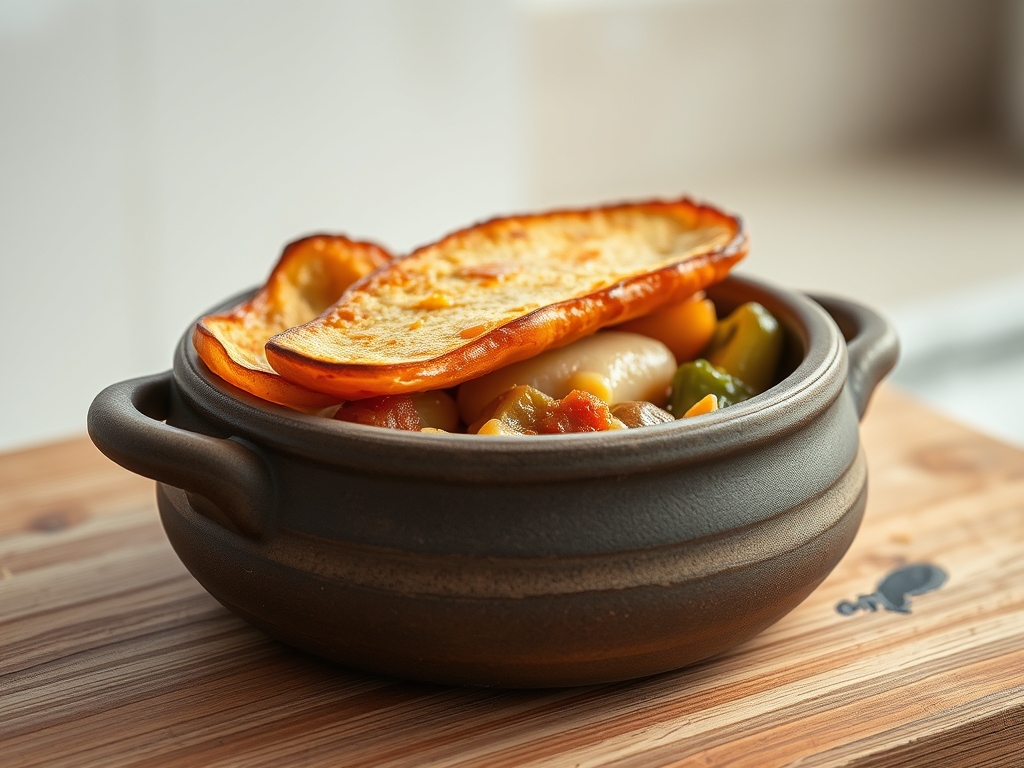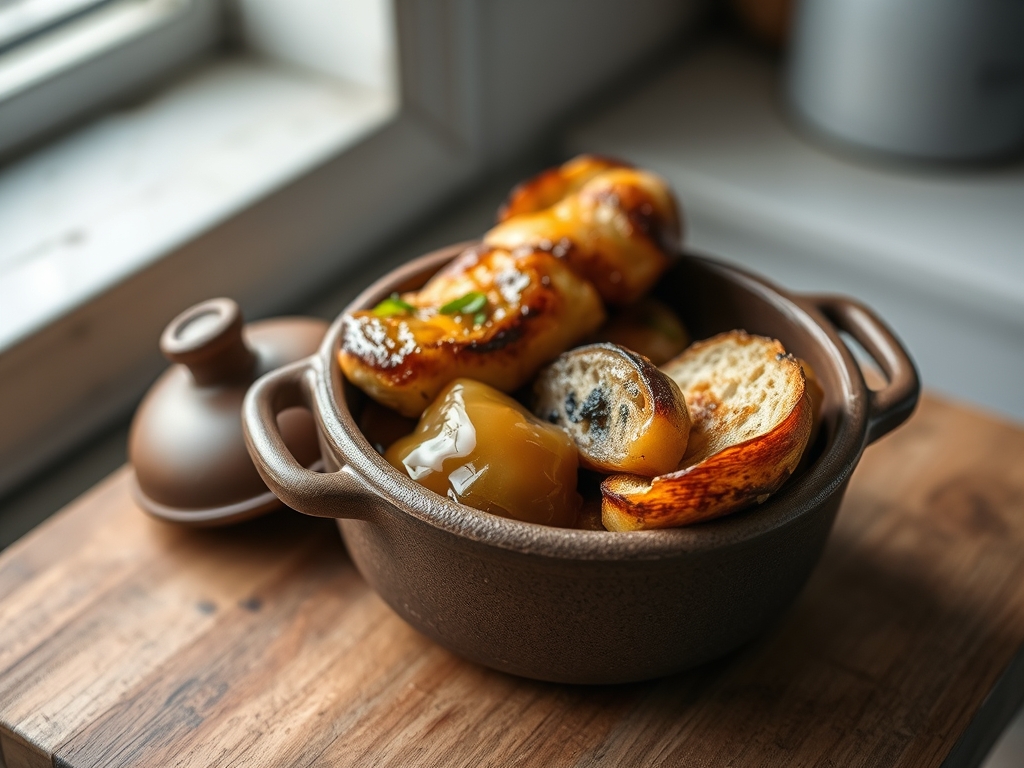
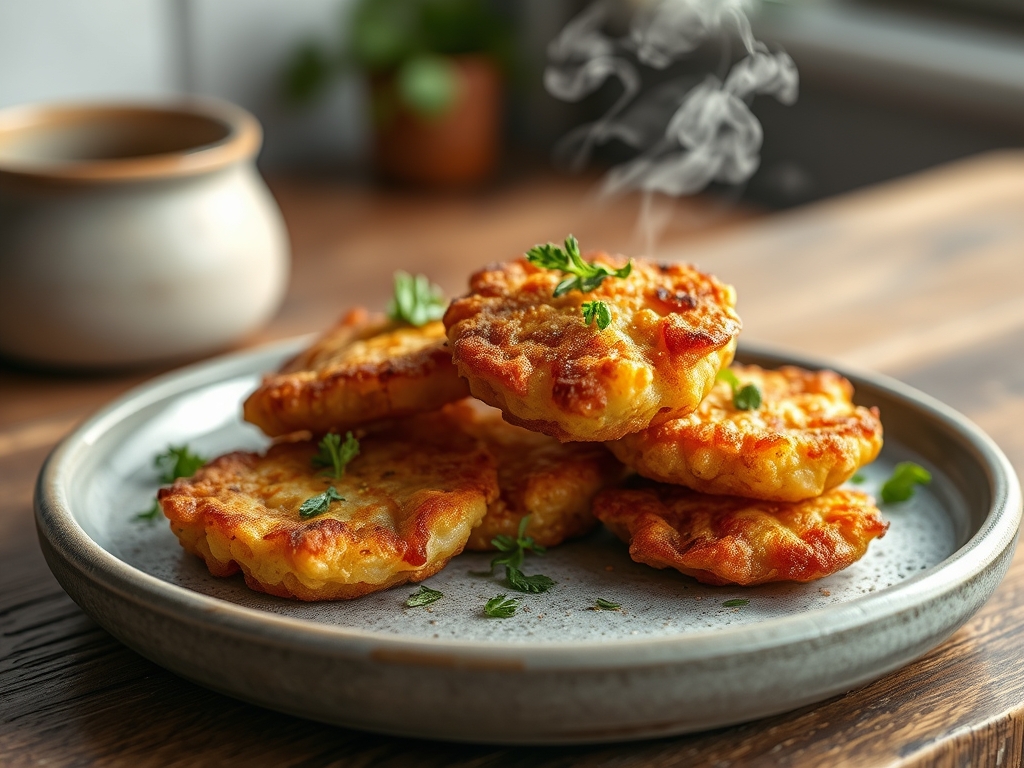
Listen to the sound of structural failure. It is the wet, apologetic thud of a fritter that lacks the skeletal integrity to support its own weight. We are not here to make pancakes; we are here to engineer a high-load suspension system for particulate matter. Whether you are suspending tart Granny Smith shards or savory corn kernels, the physics remain the same. A successful Fritter Batter Audit demands a rigorous examination of your moisture-to-starch ratios. If your batter is too thin, your inclusions will flee to the bottom of the pot like rats on a sinking ship. If it is too thick, you are frying a brick. We are aiming for a viscous slurry that defies gravity just long enough to hit the oil and undergo an immediate, violent expansion. This is the intersection of fluid dynamics and deep-frying. We are looking for that jagged, craggy exterior that traps air and oil in a chaotic dance of crunch. Strap in, because we are about to audit your technique until the golden-brown results are undeniable.
THE DATA MATRIX
| Metric | Specification |
|---|---|
| Prep Time | 20 Minutes |
| Execution Time | 15 Minutes |
| Yield | 12 to 14 Fritters |
| Complexity (1-10) | 4 |
| Estimated Cost per Serving | $0.85 USD |
THE GATHERS
Ingredient Protocol:
- 375g / 3 cups All-Purpose Flour (High protein content preferred)
- 15g / 1 tbsp Baking Powder (Check expiration for maximum aerate potential)
- 5g / 1 tsp Diamond Crystal Kosher Salt
- 50g / 1/4 cup Granulated Sugar (Adjust down for savory applications)
- 240ml / 1 cup Whole Milk (Cold)
- 2 Large Eggs (Room temperature)
- 30g / 2 tbsp Unsalted Butter (Melted and cooled)
- 500g / 4 cups Particulate Inclusions (Apples, corn, or shrimp)
- 5ml / 1 tsp Vanilla Extract (Optional for sweet profiles)
- Neutral Oil for frying (Canola or Grapeseed)
Section A: Ingredient Quality Audit:
The primary failure point in most fritter operations is the moisture content of the inclusions. If you are using frozen corn or wet apples, you are introducing a thermodynamic bomb into your batter. This excess water will render your crust soggy within seconds of exiting the oil. To fix this, always pat your inclusions dry with lint-free towels or toss them in a light dusting of starch before folding them into the mix. Secondly, check your leavening agent. If your baking powder is over six months old, it lacks the chemical "oomph" to create the necessary lift. Test it by dropping a pinch into hot water; if it does not fizz aggressively, discard it. Finally, ensure your flour has not oxidized. Stale flour produces a cardboard-like aftertaste that no amount of sugar can mask.
THE MASTERCLASS
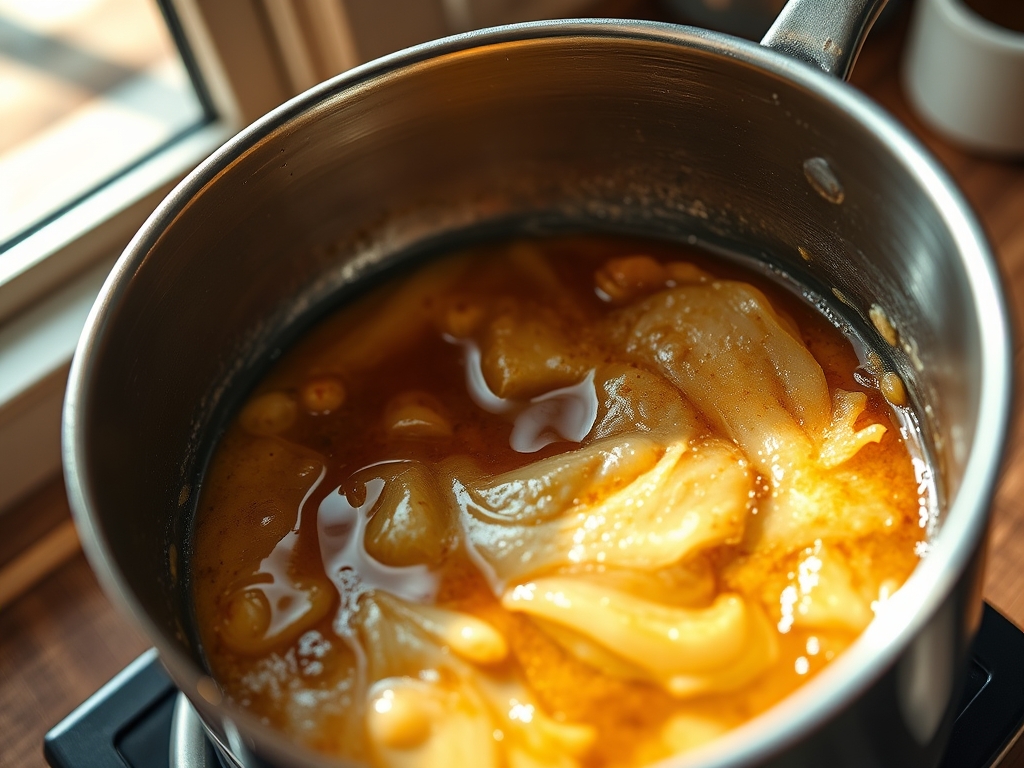
1. Sifting and Dry Integration
Begin by passing your flour, baking powder, and salt through a fine-mesh sieve into a large stainless steel mixing bowl. This is not just about removing lumps; it is about introducing air into the dry matrix to ensure a lighter final product. Use a digital scale for this step to ensure precision, as volumetric measurements are the enemy of consistency.
Pro Tip: Sifting creates more surface area for the liquid to hydrate the starch molecules, leading to a more uniform crumb structure. Professional bakers never skip the sieve.
2. The Emulsion Phase
In a separate saucier or glass bowl, whisk your eggs, milk, and melted butter until fully homogenous. You are looking to create a stable emulsion that will coat the flour particles evenly. If your milk is too cold and your butter is too hot, the butter will seize into tiny pellets, ruining the texture.
Pro Tip: Use a whisk to aerate the egg mixture until small bubbles form on the surface. This mechanical aeration works in tandem with the chemical leavening to provide a double-lift during frying.
3. The Fold and Inclusion Loading
Pour the wet ingredients into the dry well. Use a bench scraper or a large silicone spatula to fold the mixture together. Stop the moment you see no more dry flour streaks. Now, dump in your 500g of particulates. The batter should look "chunk-heavy," with just enough dough to act as a glue between the inclusions.
Pro Tip: Over-mixing develops gluten, which turns a tender fritter into a rubbery puck. A few lumps are your friends in this scenario.
4. Thermal Calibration and Frying
Heat your oil to exactly 365 degrees Fahrenheit. Use a digital probe thermometer to monitor this. Drop the batter by the spoonful, being careful not to overcrowd the vessel. Overcrowding drops the oil temperature, leading to grease absorption rather than a crisp sear.
Pro Tip: The "Leidenfrost Effect" is your protector here. The steam escaping from the fritter creates a vapor barrier that prevents oil from soaking into the center, provided your heat is high enough.
Section B: Prep & Timing Fault-Lines:
The most common human error is the "Lag Time Trap." If you let the batter sit for more than twenty minutes after mixing, the baking powder will exhaust its carbon dioxide production before it ever hits the oil. This results in a flat, dense fritter. Additionally, failing to maintain oil temperature between batches is a recipe for disaster. Always allow the oil to return to 365 degrees before starting the next round. If the oil is too hot, the exterior will undergo the Maillard reaction too quickly, leaving a raw, doughy interior. If it is too cool, the fritter will act like a sponge, soaking up lipids until it is unpalatable.
THE VISUAL SPECTRUM
Section C: Thermal & Visual Troubleshooting:
Referencing the Masterclass photo, observe the "craggy" topography. If your fritters look smooth and rounded like a donut hole, your batter is too thin; add 20g of flour. If the color is a dull, pale yellow rather than a vibrant mahogany, your oil temperature is likely below 340 degrees, or you have omitted the sugar which aids in browning.
Uneven browning usually indicates that the fritter was not flipped at the halfway mark or that the particulate inclusions are protruding too far, causing them to burn while the dough remains pale. The ideal visual cue is a "shattered glass" texture on the edges, where the batter has thinned out and fried into a translucent, crispy lace. If you see dark spots but the center is "mushy," your inclusions were likely too cold. Temper your fruit or vegetables to room temperature before mixing.
THE DEEP DIVE
Macro Nutrition Profile:
A standard 80g fritter contains approximately 220 calories, 12g of fat, 28g of carbohydrates, and 4g of protein. The nutritional density shifts significantly based on your inclusions; apple fritters lean into sugars, while corn or seafood fritters provide more fiber and protein.
Dietary Swaps:
For a Vegan audit, replace the milk with oat milk and the eggs with a "flax egg" (1 tbsp ground flax to 3 tbsp water). For Gluten-Free requirements, a 1-to-1 rice flour blend works well, though you may need to add 1/2 tsp of xanthan gum to maintain structural integrity. Keto fritters are difficult but can be achieved using almond flour and unflavored whey protein isolate as the binder.
Meal Prep & Reheating Science:
Fritters are notorious for losing their "crunch" as the internal moisture migrates to the crust. To store, cool them completely on a wire rack to prevent steam buildup. To reheat, avoid the microwave at all costs; it will turn the starch into a gummy mess. Use an air fryer or oven at 375 degrees for four minutes to infuse the crust with dry heat and re-crisp the exterior.
THE KITCHEN TABLE
Why are my fritters raw in the middle?
Your oil is likely too hot, causing the exterior to brown before the interior reaches the 200 degree mark. Lower the heat and use a thermometer to maintain a steady 360 to 365 degrees for even cooking.
Can I make the batter in advance?
Negative. The chemical leavening agents begin reacting the moment they hit moisture. For the best "lift," you must fry the batter within fifteen minutes of mixing. You can, however, prep the dry and wet ingredients separately.
How do I get that craggy, irregular shape?
Stop trying to make them perfect circles. Use two spoons to "drop" the batter into the oil, allowing the natural viscosity to create irregular ridges. Those ridges are what provide the maximum surface area for crunch.
What is the best oil for frying fritters?
Choose an oil with a high smoke point and neutral flavor profile. Peanut oil is the gold standard for crispness, but canola or grapeseed oil are excellent, cost-effective alternatives that won't interfere with the flavor of your inclusions.