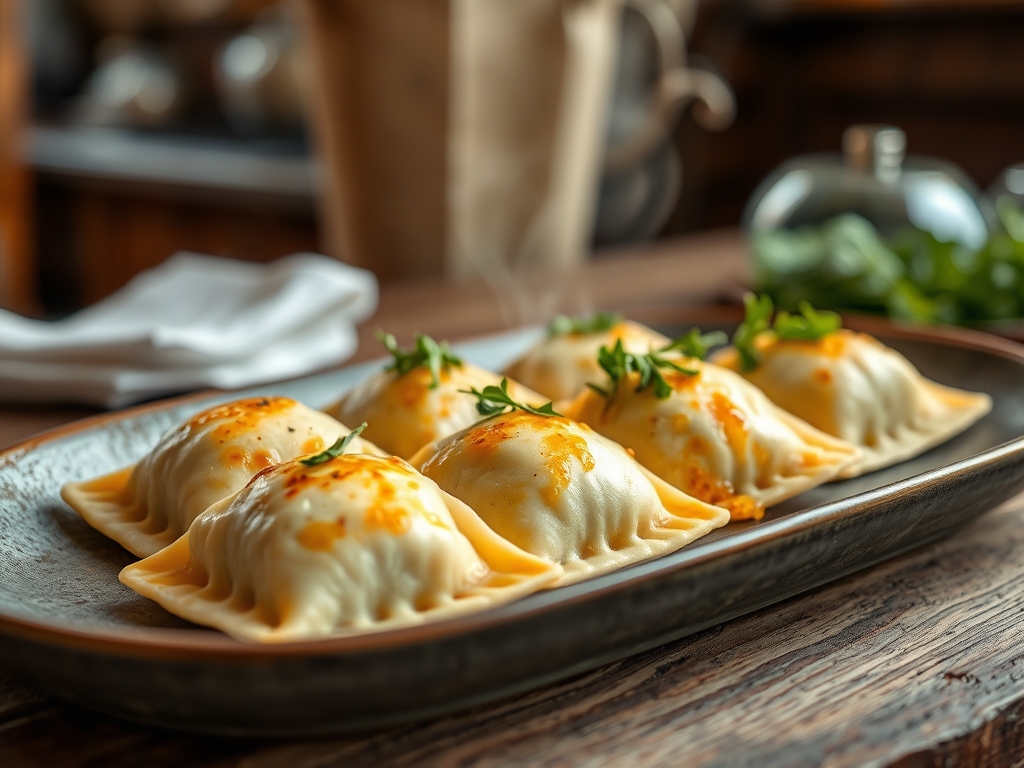
Stop treating your kitchen like a hobbyist's craft room and start viewing it as a high-output manufacturing floor. When you approach the Pierogi Dough Audit, you are not just mixing flour and water; you are managing a complex structural engineering project involving gluten development and hydration kinetics. The goal is a membrane that is simultaneously translucent, elastic, and resilient enough to withstand a rolling boil without catastrophic structural failure. We are hunting for that perfect "pillowy" bounce that separates a masterwork from a leaden, floury disaster. Imagine the tactile snap of a perfectly kneaded dough under your palms; the scent of warm, blooming flour; and the sight of a satin-finished surface that reflects light like polished marble. This audit demands precision. We are looking for a hydration level that allows for maximum stretch without the adhesive nightmare of over-saturation. If your dough feels like wet cement or, conversely, a brittle desert floor, you have already failed the initial inspection. Let us recalibrate your technique and optimize your culinary infrastructure for peak performance.
THE DATA MATRIX
| Metric | Specification |
|---|---|
| Prep Time | 15 Minutes |
| Execution Time | 30 Minutes (Resting included) |
| Yield | 48-50 Pierogi Shells |
| Complexity | 4 / 10 |
| Estimated Cost per Serving | $0.22 USD |
THE GATHERS
Ingredient Protocol:
- 500g / 3.5 cups All-Purpose Flour (High protein content preferred)
- 250ml / 1 cup Boiling Water (The "Scalding" Method)
- 50g / 3.5 tbsp Unsalted Butter (High fat, European style)
- 5g / 1 tsp Fine Sea Salt
- 1 Large Egg (Room temperature)
Section A: Ingredient Quality Audit:
If your flour is clumping or smells musty, your starch molecules have already begun to degrade due to moisture ingress. Use a sifter to aerate the dry goods before integration. If your butter lacks that deep yellow hue, it likely has a high water-to-fat ratio, which will compromise the viscous nature of the dough. Fix this by using a high-quality cultured butter. If the dough is too tacky, your humidity sensors are off; add flour in 10g increments. If it is tearing, you have under-hydrated the protein chains. Add a teaspoon of warm water and re-evaluate the elasticity.
THE MASTERCLASS
1. The Scalding Phase
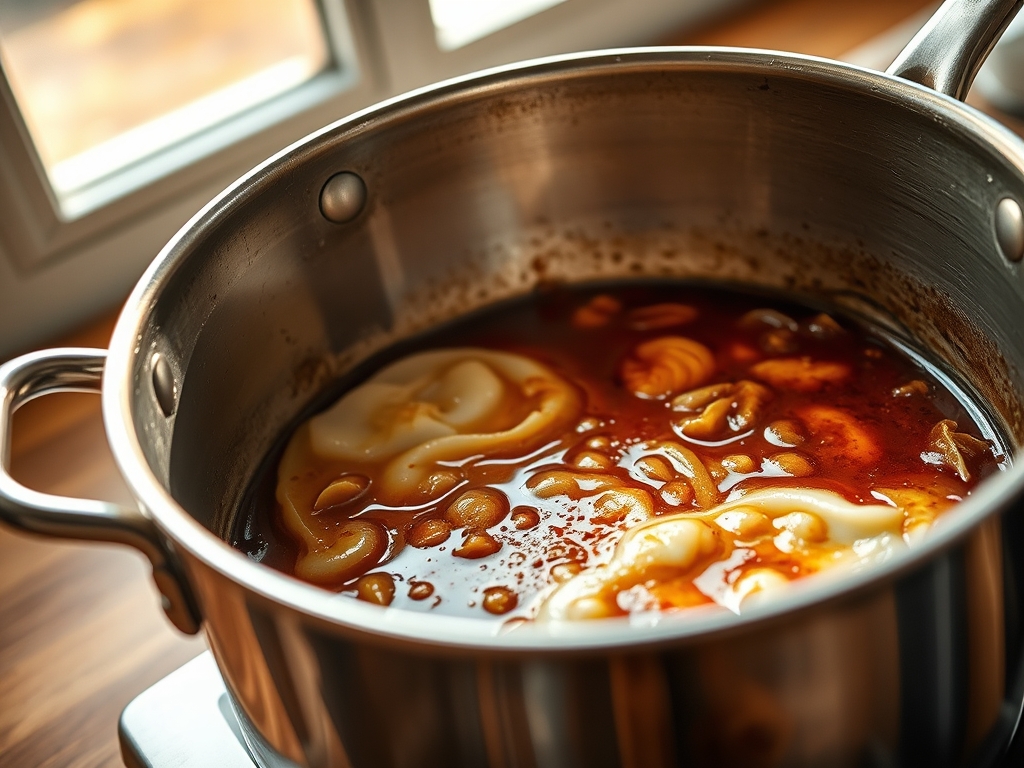
Place your flour and salt into a large stainless steel mixing bowl. Using a saucier, bring your water and butter to a rolling boil. Pour the liquid into the flour immediately. Use a sturdy wooden spoon to incorporate the mixture until a shaggy mass forms.
Pro Tip: This technique, known as "scalding," partially gelatinizes the starches, allowing the dough to hold more moisture without becoming sticky. This creates a superior, tender mouthfeel that standard cold-water doughs cannot replicate.
2. The Integration of Protein
Once the shaggy mass has cooled slightly (approximately 115 degrees Fahrenheit), add the room-temperature egg. Use a digital scale to ensure your egg is roughly 50g to 55g; too much moisture here will ruin the ratio. Work the egg into the dough until it is fully absorbed.
Pro Tip: The egg acts as an emulsifier and a structural binder. The lecithin in the yolk helps infuse the fat from the butter into the flour particles, creating a more cohesive and durable lattice.
3. The Kinetic Knead
Transfer the mass to a clean work surface. Use a bench scraper to keep the surface clear of dried bits. Knead the dough for 7 to 10 minutes until the surface is smooth, supple, and passes the "poke test" (it should spring back slowly when indented).
Pro Tip: Kneading aligns the gluten strands into a linear matrix. Over-kneading will result in a rubbery texture; under-kneading will cause the pierogi to burst during the boil. Aim for a satin finish.
4. The Molecular Rest
Wrap the dough tightly in plastic film or place it under a warm, inverted bowl. Let it rest at room temperature for at least 30 minutes. This is non-negotiable for the Pierogi Dough Audit.
Pro Tip: Resting allows the gluten network to relax and the moisture to distribute evenly through the starch granules. A relaxed dough will not "snap back" when you attempt to roll it out to a 2mm thickness.
Section B: Prep & Timing Fault-Lines:
The most common failure in the Pierogi Dough Audit is thermal impatience. Adding the egg to boiling-hot flour will "cook" the egg proteins prematurely, creating unappealing white flecks and a grainy texture. Conversely, if the water is not hot enough during the scalding phase, the starch will not gelatinize, leaving you with a brittle, difficult-to-work dough. Use an infrared thermometer to verify your temperatures if you are unsure of your sensory calibration.
THE VISUAL SPECTRUM
Section C: Thermal & Visual Troubleshooting:
Referencing the Masterclass photo, your dough should possess a soft, matte-satin sheen. If the dough appears translucent or "wet" in patches, you have uneven hydration; continue kneading. If the color is greyish, your flour has oxidized or is of low quality. A perfect dough is creamy white. During the cooking phase, if the pierogi look "puffy" but the edges remain hard, your rolling technique was uneven. Ensure a consistent 2mm thickness across the entire sheet. If you plan to pan-fry them later to render the fat and create a piquant crust, ensure the dough is completely dry before hitting the hot oil to avoid steam-burns on the surface.
THE DEEP DIVE
Macro Nutrition Profile:
Per serving (approx. 4 shells): 210 Calories, 6g Fat, 32g Carbohydrates, 5g Protein. This is a high-energy fuel source designed for labor-intensive environments.
Dietary Swaps:
- Vegan: Replace butter with a high-quality vegan block (oil-based) and the egg with 15ml of aquafaba.
- Keto: This is a starch-based infrastructure; Keto versions usually require almond flour and xanthan gum, though the structural integrity will be significantly lower.
- GF: Use a 1-to-1 gluten-free flour blend containing psyllium husk to mimic the elastic properties of gluten.
Meal Prep & Reheating Science:
To maintain molecular structure, flash-freeze raw pierogi on a parchment-lined tray before bagging. When reheating, boil from frozen. If reheating cooked pierogi, use a skillet with butter to render the exterior; this prevents the starch from becoming "gummy" in a microwave environment.
THE KITCHEN TABLE
Why is my dough snapping back when I roll it?
Your gluten is too tense. The dough requires more resting time to allow the protein chains to relax. Give it another 15 minutes under a warm bowl and try again.
Can I use a stand mixer for this audit?
Yes, use the dough hook attachment on low speed. However, manual kneading is preferred for the first-time auditor to properly calibrate the tactile "feel" of correct hydration.
My dough is greyish and dull. What happened?
This is often a result of using flour with a high ash content or allowing the dough to sit uncovered. Always keep your dough wrapped to prevent oxidation and moisture loss.
Does the water temperature really matter?
Absolutely. Boiling water disrupts the starch granules in a way that cold water cannot. This "scalded" method is the secret to the legendary flexibility of Polish dough.
How thin should I actually roll the dough?
Aim for 2mm. It should be thin enough to be delicate on the palate but thick enough to hold the weight of the filling without sagging or tearing.