Listen up, architects of the edible. If your lasagna currently resembles a structural failure or a waterlogged marshland, you have fundamentally ignored the laws of culinary physics. We are not just making dinner; we are engineering a multi-story masterpiece where the load-bearing capacity of every layer is non-negotiable. The secret to a skyscraper that does not slump on the plate is Lasagna Sheet Integrity. When that first fork-tine pierces the golden, bubbling crust, you should feel the resistance of a perfectly tempered pasta barrier, not the mush of a defeated noodle. We are talking about the tension between viscous bechamel and a piquant ragu, held together by sheets that have been treated with the respect they deserve. If you want a slice that stands tall with sharp, clean edges and a cross-section that looks like a geological survey, you must master the structural audit. We are about to strip this classic down to its studs and rebuild it with the precision of a high-rise developer.
THE DATA MATRIX
| Metric | Specification |
|---|---|
| Prep Time | 60 Minutes |
| Execution Time | 120 Minutes |
| Yield | 12 Servings |
| Complexity (1-10) | 8 |
| Estimated Cost per Serving | $4.50 / 4.15 Euro |
THE GATHERS
Ingredient Protocol:
- 800g / 28oz Ground Beef Chuck (80/20 fat ratio)
- 200g / 7oz Pancetta, finely diced
- 1kg / 35oz San Marzano Tomatoes, hand-crushed
- 500g / 1.1lb No-Boil Lasagna Sheets (High-protein durum)
- 1L / 4.2 cups Whole Milk
- 100g / 7 tbsp Unsalted Butter
- 100g / 0.8 cup All-purpose Flour
- 300g / 10.5oz Parmigiano Reggiano, microplaned
- 500g / 1.1lb Low-moisture Mozzarella, shredded
- 2 Large Yellow Onions, minced
- 3 Stalks Celery, minced
- 2 Carrots, minced
- 250ml / 1 cup Dry Red Wine (Nebbiolo or Sangiovese)
- 15ml / 1 tbsp Tomato Paste
Section A: Ingredient Quality Audit:
If your ragu looks thin and watery, you likely failed to render the fat from your pancetta properly or used tomatoes with too much residual juice. To fix this, infuse your base with a concentrated tomato paste and simmer until the oil separates from the solids; this is the visual cue for a stable emulsion. If your cheese is oily rather than stretchy, you likely bought pre-shredded bags coated in potato starch. This starch interferes with the melt-point. Always use a microplane or box grater on fresh blocks to ensure a clean, molecular bond between the dairy and the pasta. Finally, if your pasta sheets are brittle, check the protein content on the box. You need a minimum of 12 percent protein to maintain Lasagna Sheet Integrity under the weight of the sauce.
THE MASTERCLASS
Step 1: The Ragu Foundation
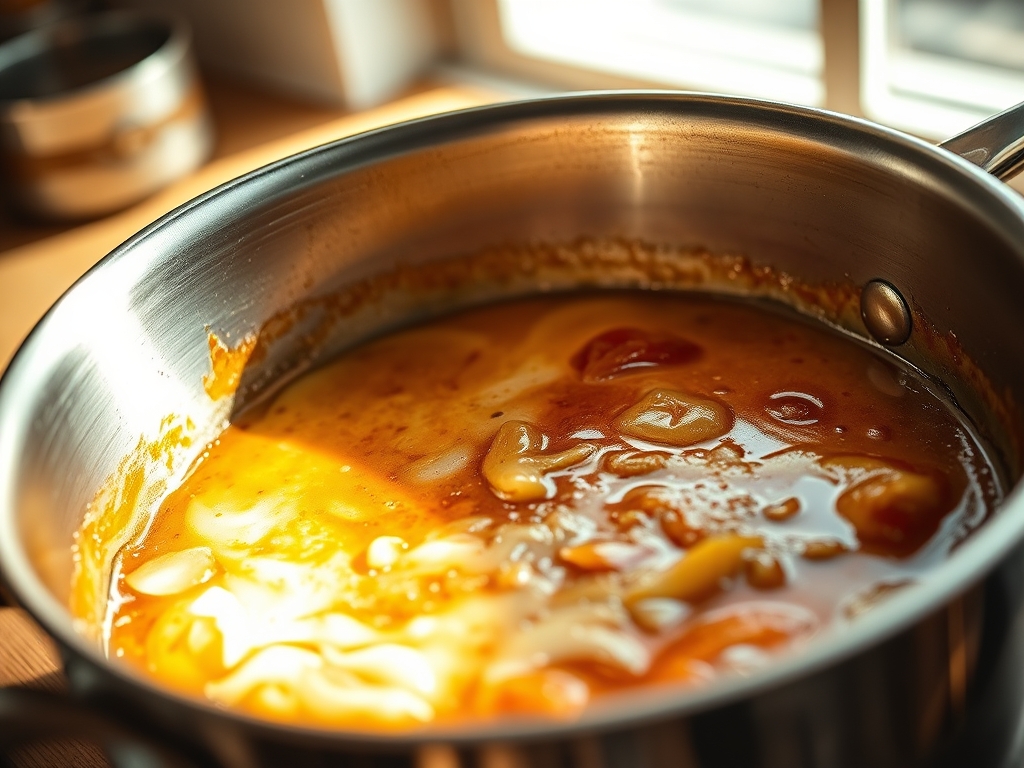
Begin by sweating your mirepoix in a heavy-bottomed saucier. Add the beef and pancetta, browning until you achieve a deep Maillard reaction. Do not rush this; the brown bits are the structural flavor anchors. Deglaze the pan with the red wine, scraping up every molecule of caramelized protein.
Pro Tip: Use a digital scale to ensure your meat-to-veg ratio is exact. The science here is moisture control; excessive vegetable water will compromise the pasta later.
Step 2: Bechamel Engineering
Melt your butter and whisk in the flour to create a blonde roux. Gradually add your milk, whisking constantly to aerate the mixture and prevent lumps. Cook until the sauce coats the back of a spoon with a viscous, velvety texture.
Pro Tip: Season with nutmeg and white pepper. A high-quality whisk is your best friend here; you are creating a colloidal suspension that must remain stable during a 45-minute bake.
Step 3: The Assembly Audit
Spread a thin layer of ragu on the bottom of your baking dish to prevent sticking. Lay your first sheet of pasta. Apply a precise layer of bechamel, followed by ragu, then a dusting of Parmigiano. Repeat this until you have at least six layers.
Pro Tip: Use a bench scraper to trim pasta sheets for a perfect fit. Gaps in the pasta lead to "sauce pockets" which cause the structure to tilt and collapse upon slicing.
Step 4: Thermal Processing
Cover with foil and bake at 190C / 375F for 30 minutes. Remove the foil, add the mozzarella, and bake for another 15 minutes until the top is a landscape of charred gold and deep red.
Pro Tip: Use an instant-read thermometer to ensure the internal temperature reaches 74C / 165F. This ensures the starches in the pasta have fully gelatinized, locking the layers together.
Section B: Prep & Timing Fault-Lines:
The most common human error is the "Immediate Slice Syndrome." If you cut the lasagna the moment it leaves the oven, the thermodynamic energy will cause the sauces to liquefy and run. You must allow for a 20-minute "Set Phase." During this time, the proteins and starches re-bind. If your top layer is scorched but the center is cold, your oven calibration is off. Use an independent oven thermometer to verify your heat zones. If the pasta is crunchy at the edges, you didn't extend the sauce all the way to the perimeter; the sauce provides the steam necessary to hydrate the noodles.
THE VISUAL SPECTRUM
Section C: Thermal & Visual Troubleshooting:
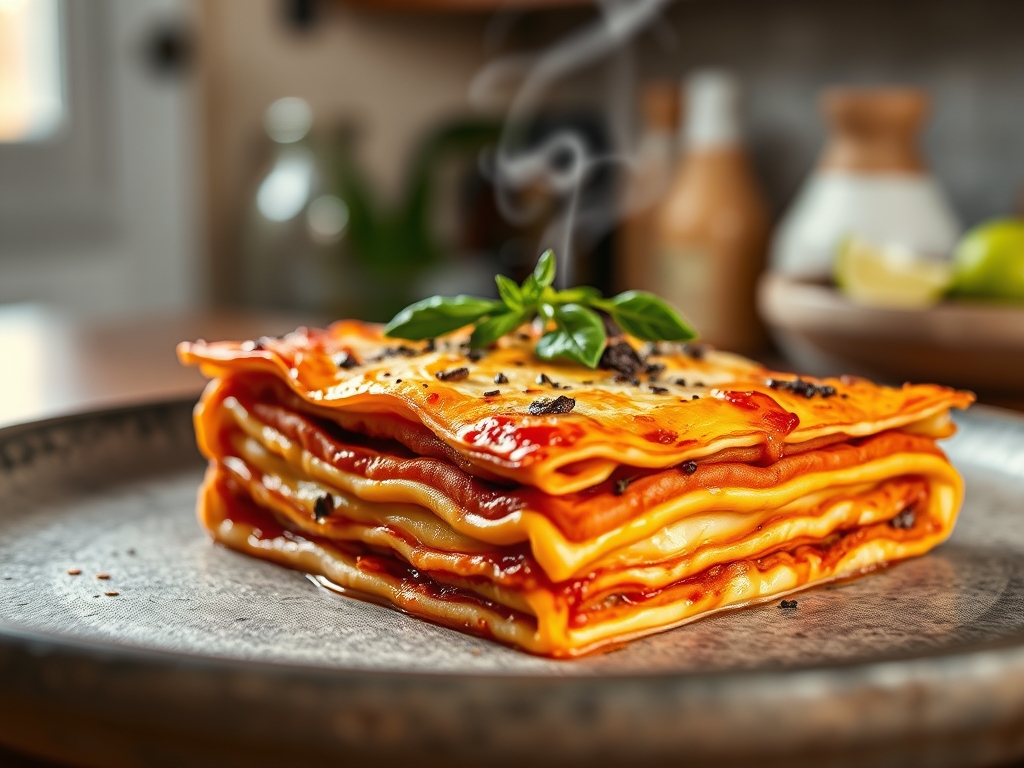
Referencing the Masterclass photo, notice the distinct, horizontal striations. If your layers look blurred or muddy, your bechamel was too thin. The visual cue for success is the "Gilded Edge," where the cheese has oxidized into a crispy lace. If the top looks dull or matte, you lack sufficient fat content; a quick spray of olive oil before the final browning can fix this. If you see "Pooling" (liquid gathering in the corners), your ragu was not reduced enough. Next time, simmer the sauce for an additional hour to ensure the water has evaporated, leaving only concentrated flavor and fat.
THE DEEP DIVE
Macro Nutrition Profile:
A standard serving contains approximately 650 calories, 35g of protein, 45g of carbohydrates, and 32g of fat. It is a dense, high-energy fuel source designed for recovery or significant caloric expenditure.
Dietary Swaps:
For a Vegan alternative, substitute beef with a mushroom and walnut crumble and use a cashew-based bechamel. For Keto auditors, replace pasta sheets with thinly sliced, salted, and dehydrated zucchini planks. For GF (Gluten-Free), utilize brown rice or lentil-based sheets, though be warned: these require 15 percent more moisture to reach the same Lasagna Sheet Integrity.
Meal Prep & Reheating Science:
Lasagna is actually structurally superior on day two. As it cools, the fats solidify and the pasta absorbs any remaining micro-moisture. To reheat without destroying the molecular structure, use a low-heat oven (150C / 300F) covered with foil. Adding a teaspoon of water to the dish creates a localized steam environment that prevents the noodles from turning into leather.
THE KITCHEN TABLE
Why is my lasagna sliding apart?
You likely skipped the resting period. The internal structure needs twenty minutes to cool and solidify. Without this, the bechamel remains in a liquid state, acting as a lubricant rather than a structural adhesive between the pasta layers.
Can I use fresh pasta instead of dried?
Yes, but decrease your sauce moisture. Fresh pasta is highly absorbent and lacks the rigid protein structure of dried durum. If your sauce is too wet, fresh sheets will disintegrate, completely compromising your Lasagna Sheet Integrity.
How do I get those crispy top edges?
Ensure the top layer of pasta is lightly coated in bechamel and then heavily blanketed in high-fat cheese. The high heat of the oven will cause the edges to dehydrate and fry in the rendered cheese fat.
My ragu is too acidic. How do I fix it?
Do not reach for sugar immediately. Instead, add a finely grated carrot during the simmering process or a splash of heavy cream at the end. These additions provide a natural sweetness and fat buffer to balance the tomato acidity.