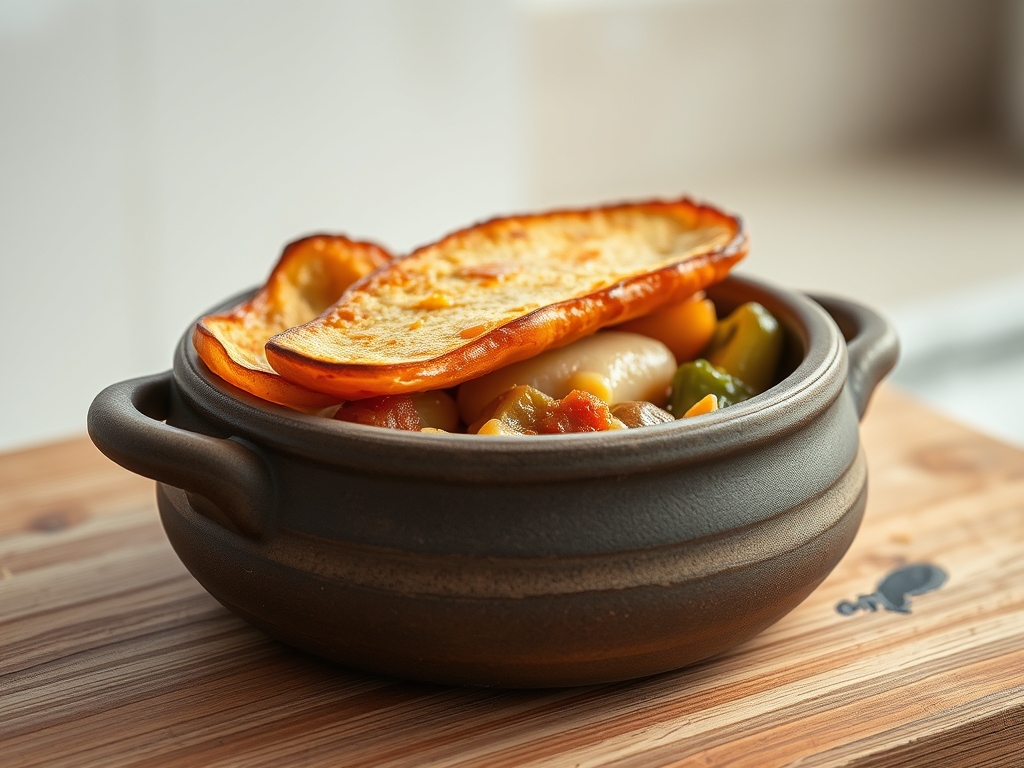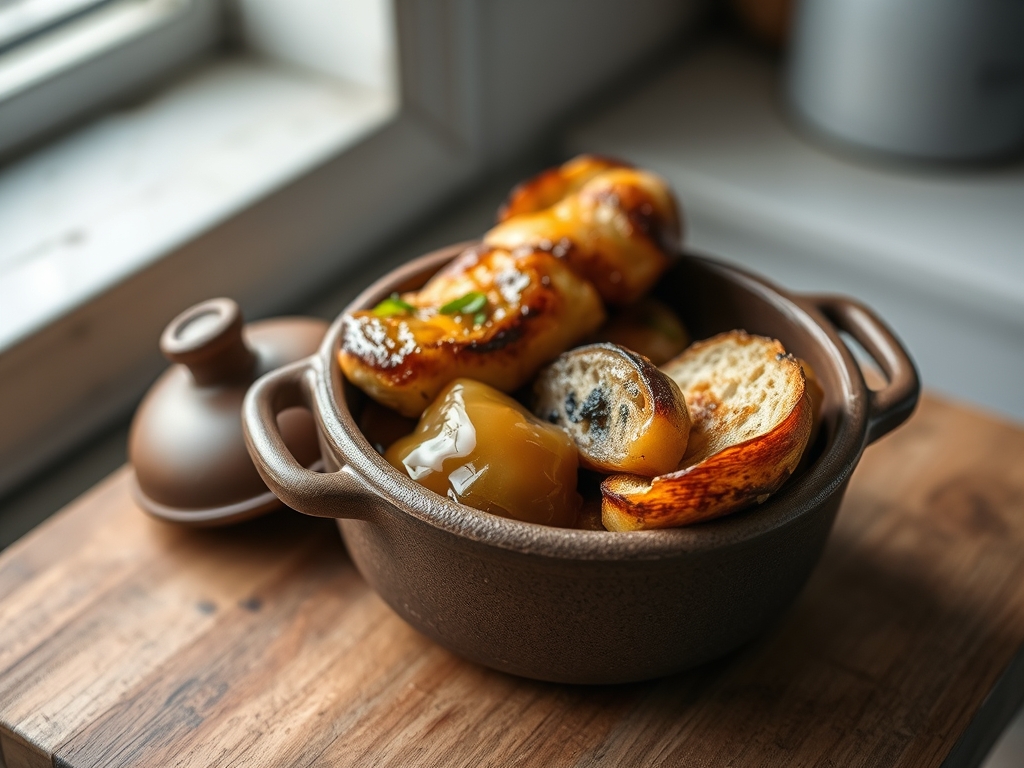
Your kitchen is a high-stakes engineering lab where the primary failure point is a catastrophic structural breach. When you drop a delicate parcel of dough into a roiling cauldron of salted water, you are not just cooking; you are stress-testing a pressure vessel. This is the world of Ravioli Envelope Tech. We are here to audit the tensile strength of your pasta seals to ensure that your luxurious fillings stay inside the dough where they belong. There is nothing more tragic than a plate of limp, empty pasta skins floating in a pool of diluted ricotta water. To achieve culinary excellence, we must master the physics of protein bonding and moisture migration. We are looking for a perfect marriage of elastic gluten and stable fats. We want a bite that offers resistance before yielding to a creamy, piquant center. Forget grandma's rustic approach; we are applying rigorous technical standards to the art of the stuffed noodle. Prepare for a full-scale audit of your workflow, from flour hydration to the final emulsion.
THE DATA MATRIX
| Metric | Specification |
|---|---|
| Prep Time | 90 Minutes |
| Execution Time | 15 Minutes |
| Yield | 4 Servings (Approx. 24-28 units) |
| Complexity (1-10) | 8 |
| Estimated Cost per Serving | $4.50 – $6.00 |
THE GATHERS
Ingredient Protocol:
- Dough Base: 400g / 3.25 cups "00" Flour (High extensibility).
- Protein Binder: 4 Large Egg Yolks plus 2 Whole Eggs.
- The Core: 500g / 2 cups Whole Milk Ricotta (Strained).
- Flavor Catalyst: 100g / 1 cup Finely Grated Parmigiano-Reggiano.
- Aromatic: 2g / 1 tsp Freshly Grated Nutmeg.
- The Emulsion: 115g / 0.5 cup Unsalted European Butter.
- Herbaceous Element: 15g / 0.25 cup Fresh Sage Leaves.
Section A: Ingredient Quality Audit:
The most common failure in Ravioli Envelope Tech originates with high-moisture ricotta. If your filling is too viscous or watery, the steam generated during boiling will expand and rupture the seal. To fix this, strain your cheese through a fine-mesh sieve for at least four hours. If your dough feels brittle, your eggs lacked sufficient lipid content. You can rectify this by adding a teaspoon of olive oil to the mix to infuse the flour with better elasticity. If the Parmigiano-Reggiano is pre-grated, it likely contains cellulose anti-caking agents that will prevent a smooth melt. Always grate from a block to ensure the proteins render correctly into the filling matrix.
THE MASTERCLASS
1. Hydration and Autolyse
Combine your flour and eggs on a clean surface or in a wide bowl. Use a fork to whisk the eggs, gradually drawing in the flour walls until a shaggy mass forms. Use a bench scraper to incorporate any stray dry particles. Knead the dough for ten minutes until the surface is smooth and springs back when poked.
Pro Tip: Resting the dough for 30 minutes allows the gluten network to relax. This is the "autolyse" phase where moisture distributes evenly, preventing the dough from snapping back during the rolling process. Use a digital scale to ensure your flour-to-liquid ratio is exactly 1.6 to 1.
2. Precision Sheeting
Divide the dough into four manageable sections. Using a manual or electric pasta roller, pass the dough through the widest setting multiple times, folding it like a letter between passes. Gradually decrease the thickness until you reach the penultimate setting. The dough should be translucent enough to see your hand through it but strong enough to support the filling weight.
Pro Tip: Keeping the dough at a consistent thickness ensures uniform cooking times. If one side is thicker, you risk a "raw" seal while the rest of the envelope overcooks. Professional chefs use a micrometer-style adjustment on their rollers to maintain sub-millimeter accuracy.
3. Filling Deployment and Air Extraction
Place teaspoon-sized mounds of filling 2 inches apart on the lower half of the pasta sheet. Lightly spritz the dough with a fine mist of water. Fold the top half over the mounds. Use your fingers to press firmly around each mound, working from the center outward to evacuate all air. This is the core of Ravioli Envelope Tech; trapped air is the primary cause of "ballooning" and subsequent seal failure.
Pro Tip: Use a circular pastry cutter or a fluted wheel to finalize the shape. Pressing down with a heavy-duty cutter provides a secondary mechanical seal that reinforces the protein bond of the dough.
4. The Thermal Plunge
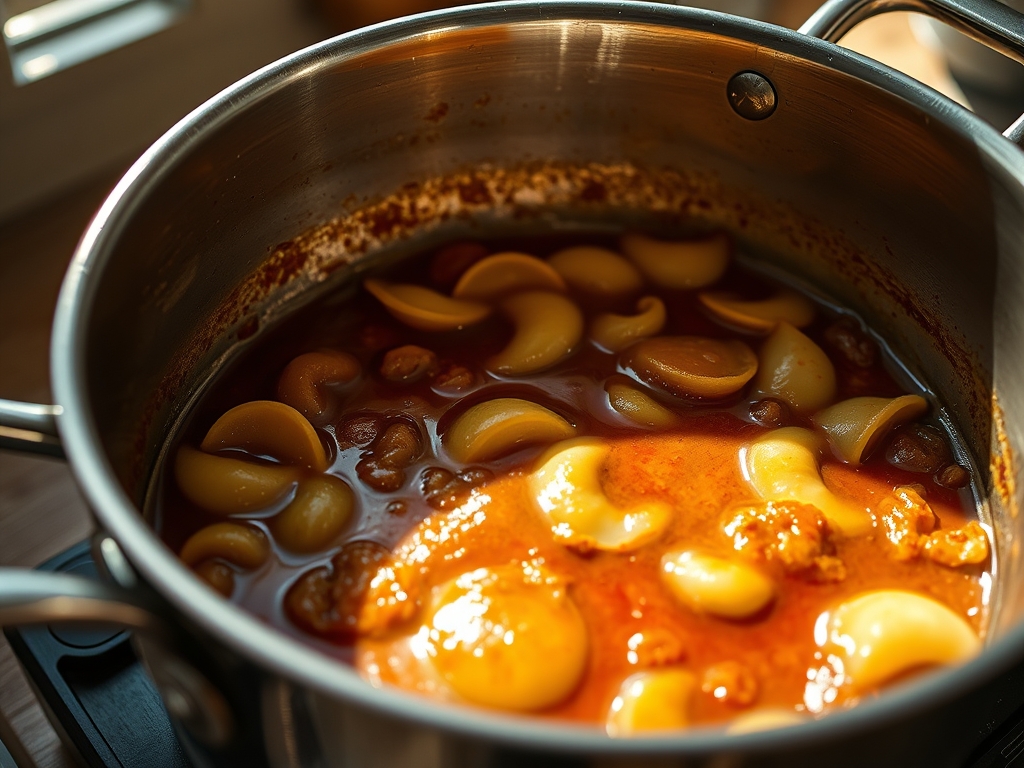
Bring a large pot of water to a rolling boil and salt it until it tastes like the Mediterranean. Drop the ravioli in batches. Do not overcrowd the vessel. The pasta is done when it floats to the surface, usually within 3 to 4 minutes.
Pro Tip: Use a saucier to prepare a brown butter and sage sauce simultaneously. By timing the pasta's exit with the butter's "beurre noisette" stage, you can transfer the pasta directly into the fat to deglaze the pan and create a piquant coating.
Section B: Prep & Timing Fault-Lines:
Temperature control is your greatest ally and your worst enemy. If your filling is too warm when you pipe it, it will soften the dough's starch structure prematurely, leading to a "soggy bottom" syndrome. Always keep your filling chilled at 4 degrees Celsius until the moment of deployment. If your kitchen is too hot, the dough will dry out and crack before you can seal it. Work in small batches and keep unused dough under an inverted bowl or damp cloth to maintain the integrity of the Ravioli Envelope Tech.
THE VISUAL SPECTRUM
Section C: Thermal & Visual Troubleshooting:
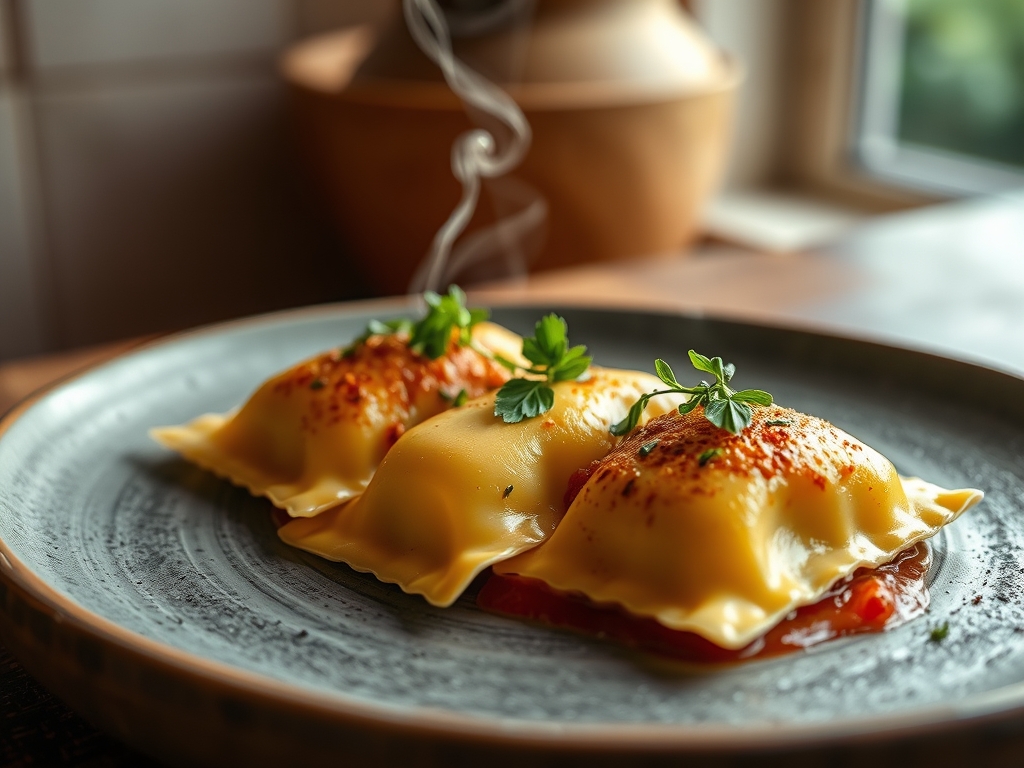
Referencing the Masterclass photo, your final product should exhibit a vibrant, golden-yellow hue, indicating high yolk concentration. If your pasta looks grey or dull, your flour has oxidized or you used low-quality eggs. The edges should be crisp and defined; if they look "shaggy," your cutting tool was dull. If the butter sauce looks broken or greasy rather than creamy, you failed to aerate the emulsion with a splash of starchy pasta water. The visual cue for a perfect seal is a slight indentation around the filling mound, showing that the air was successfully purged and the tensile strength remains intact.
THE DEEP DIVE
Macro Nutrition Profile
A standard serving of four to six large ravioli provides approximately 450 calories. This includes 18g of protein from the eggs and cheese, 22g of fats (largely from the butter sauce), and 45g of complex carbohydrates. While energy-dense, the high protein content provides significant satiety.
Dietary Swaps
- Vegan: Substitute eggs with a silken tofu and turmeric slurry for color. Replace ricotta with a cashew-based cream and use nutritional yeast for that piquant punch.
- Keto: Use a "Fathead" dough made from mozzarella and almond flour. Note that the tensile strength will be significantly lower, requiring a thicker envelope.
- GF: Utilize a high-quality 1-to-1 gluten-free flour blend with added xantham gum to mimic the elastic properties of wheat gluten.
Meal Prep & Reheating Science
To preserve the molecular structure of the Ravioli Envelope Tech, flash-freeze raw ravioli on a parchment-lined tray before transferring to a vacuum-sealed bag. When reheating cooked pasta, avoid the microwave as it causes the fats to separate and the dough to become rubbery. Instead, gently re-therm the pasta in a covered skillet with a tablespoon of water or broth to create a steam-injection environment.
THE KITCHEN TABLE
Why do my ravioli always burst in the water?
This is usually caused by trapped air or overfilling. When air heats up, it expands; if the dough cannot stretch, it ruptures. Ensure a tight seal by pressing from the center out to evacuate all oxygen before the final cut.
Can I use wonton wrappers instead of fresh dough?
While convenient, wonton wrappers lack the gluten density and structural integrity of "00" flour pasta. They are thinner and more prone to water logging, which compromises the Ravioli Envelope Tech standards for tensile strength and mouthfeel.
How do I prevent the pasta from sticking to the tray?
Use a generous dusting of semolina flour rather than standard "00" flour. Semolina acts like tiny ball bearings, preventing the dough from absorbing moisture from the surface and sticking, which would cause the bottom to tear during handling.
My butter sauce is always oily. What am I doing wrong?
You are likely missing the emulsification step. You must whisk in a small amount of starchy pasta water into the melted butter. The starches act as a bridge between the fats and liquids, creating a smooth, viscous coating.