Forget everything you know about the humble doughnut; we are entering the realm of pressurized sugar-clouds and high-velocity lipid immersion. When you bite into a New Orleans style square, you are not just consuming dough; you are witnessing a violent, beautiful architectural event known as the steam phase expansion. The secret to that hollow, pillowy center is not just luck or a heavy dusting of snow. It is the Beignet Aeration Data. This data confirms that the precise ratio of hydration to thermal shock determines whether your pastry is a leaden brick or a levitating masterpiece. To achieve the perfect result, we must manipulate the viscous nature of the dough to ensure it captures every milligram of expanding gas. We are looking for a specific cellular structure that allows the interior to remain moist while the exterior undergoes rapid Maillard browning. If you miss the mark, you are left with a dense, oily mess that lacks the structural integrity to hold its own weight. We are here to audit your kitchen infrastructure and upgrade your output to professional standards.
THE DATA MATRIX
| Metric | Specification |
|---|---|
| Prep Time | 2 Hours (Active) + 12 Hours (Rest) |
| Execution Time | 15 Minutes |
| Yield | 24 Large Squares |
| Complexity (1-10) | 7 |
| Estimated Cost per Serving | $0.45 |
THE GATHERS
Ingredient Protocol:
- Warm Water (105F): 355ml / 1.5 cups
- Granulated Sugar: 100g / 0.5 cup
- Active Dry Yeast: 7g / 2.25 tsp
- Large Egg (Beaten): 50g / 1 unit
- Evaporated Milk: 240ml / 1 cup
- Fine Sea Salt: 6g / 1.25 tsp
- Bread Flour: 840g / 7 cups
- Shortening (Melted): 60ml / 0.25 cup
- Neutral Oil (for frying): 2 Liters / 2.1 Quarts
- Powdered Sugar: 250g / 2 cups
Section A: Ingredient Quality Audit:
The primary failure point in most domestic kitchens is the flour protein content. If you use standard all-purpose flour, the gluten network will be too weak to withstand the internal steam pressure, leading to a collapsed pastry. Always opt for high-protein bread flour to ensure the dough can aerate effectively. Furthermore, ensure your yeast is not dormant. If the water-sugar-yeast mixture does not foam within five minutes, your biological leavening is dead; discard it and start over. Finally, the evaporated milk is non-negotiable. Its concentrated lactose and protein content are essential to render a deep, golden-brown crust through the Maillard reaction without overcooking the delicate interior.
THE MASTERCLASS
1. The Hydration Phase
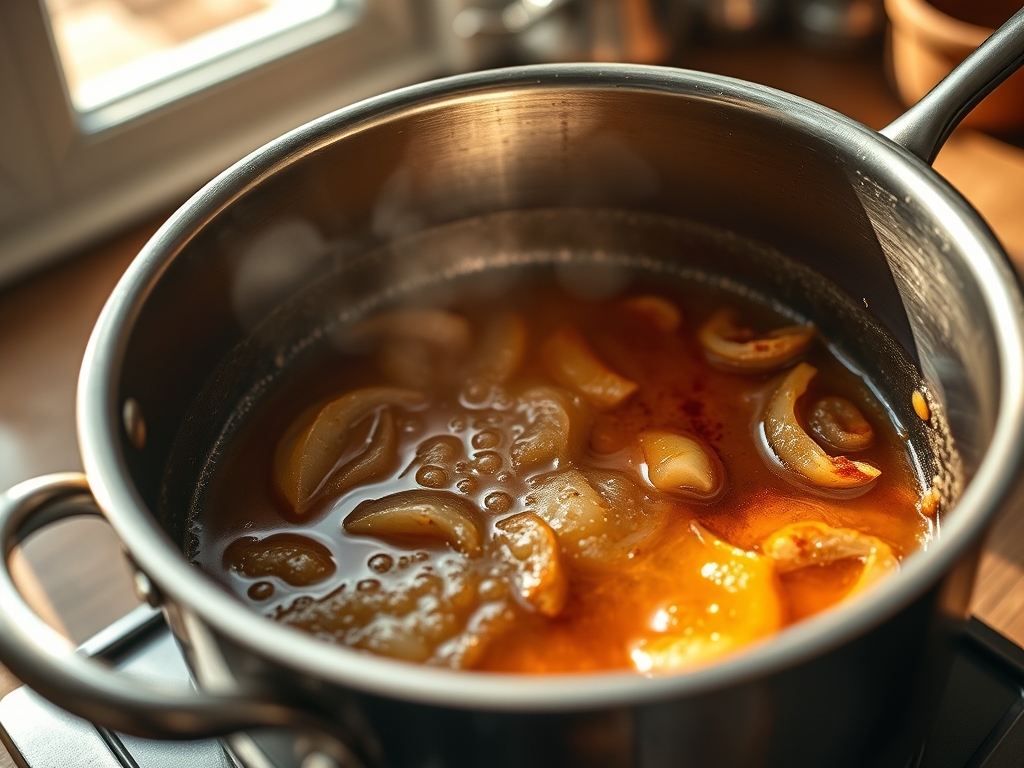
In a large saucier or mixing bowl, combine the warm water, sugar, and yeast. Let it sit until the surface becomes a frothy landscape of biological activity. Add the beaten egg and evaporated milk, whisking until the mixture is a homogenous, viscous liquid.
Pro Tip: Use a digital scale for your measurements. Volume-based measuring is the enemy of consistency; a "cup" of flour can vary by 30 grams depending on how it is packed, which will throw off your Beignet Aeration Data and ruin the crumb.
2. The Structural Integration
Gradually incorporate four cups of the bread flour using a sturdy dough hook or a wooden spoon. Once a shaggy mass forms, pour in the melted shortening. Continue adding the remaining flour until the dough pulls away from the sides of the bowl. It should remain slightly tacky to the touch.
Pro Tip: Do not over-knead. We want to develop enough gluten to trap steam, but excessive mechanical energy will make the dough tough. Stop as soon as the dough is smooth and elastic.
3. The Cold Fermentation
Place the dough in a lightly oiled container and cover tightly. Refrigerate for at least 4 hours, though 12 to 24 hours is optimal. Cold dough is significantly easier to handle and allows for a slower, more complex flavor development as the yeast breaks down starches into sugars.
Pro Tip: Cold fermentation is a secret weapon. The chilled dough provides a sharper thermal contrast when it hits the hot oil, leading to a more explosive steam expansion.
4. The Precision Cut
Turn the dough onto a floured surface. Use a bench scraper to divide the dough into manageable portions. Roll the dough out to a thickness of exactly 1/4 inch. Cut into 2-inch squares using a sharp pizza wheel or a floured knife. Do not use a circular cutter; the corners are essential for the traditional aesthetic and texture.
Pro Tip: Avoid re-rolling the scraps more than once. Every time you roll the dough, you tighten the gluten, which will result in a "spring-back" effect and a rubbery texture.
5. The Thermal Shock
Heat your neutral oil in a deep heavy-bottomed pot to exactly 370F (188C). Carefully drop three or four squares into the oil. They should sink for a split second and then rocket to the surface as the internal moisture turns to steam. Flip them constantly using a slotted spoon to ensure even expansion.
Pro Tip: Use an infrared or clip-on thermometer to monitor the oil. If the temperature drops below 360F, the dough will absorb grease and become heavy. If it exceeds 380F, the exterior will burn before the interior is set.
6. The Snowfall Finish
Remove the beignets when they are puffed and golden. Drain them briefly on a wire rack, then immediately toss them into a paper bag filled with a mountain of powdered sugar. Shake vigorously until every crevice is coated in a thick layer of white dust.
Pro Tip: The residual heat is what allows the sugar to adhere. If you wait too long, the sugar will simply slide off. Aim for a "molten-core" temperature when applying the coating.
Section B: Prep & Timing Fault-Lines:
The most common human error is the "crowding" of the fry pot. Dropping too many dough squares at once will cause a catastrophic drop in oil temperature. This ruins the Beignet Aeration Data by slowing the steam expansion, resulting in a flat, greasy square. Another timing error is rolling the dough too thin. If the dough is less than 1/8 inch, there is not enough internal moisture to create the steam pocket, leaving you with a crunchy cracker instead of a pillow.
THE VISUAL SPECTRUM
Section C: Thermal & Visual Troubleshooting:
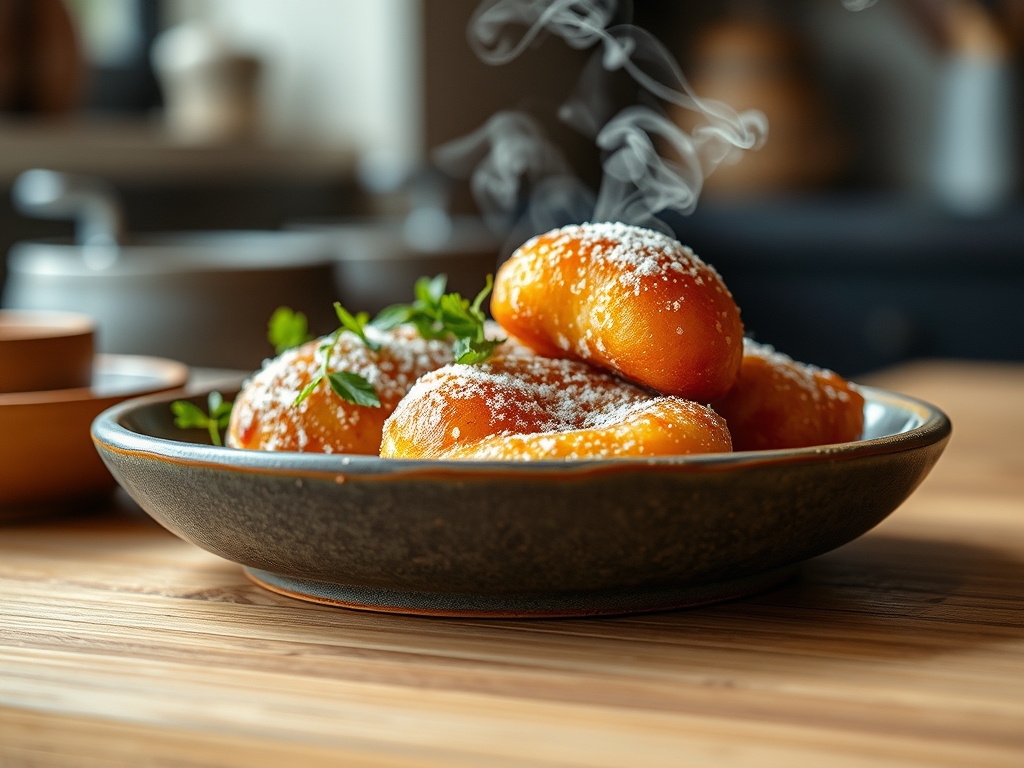
Referencing the Masterclass photo, your beignets should exhibit a "pillowing" effect where the center is significantly thicker than the edges. If your squares are flat, your oil was too cold or your dough was over-proofed. If the color is a dull, pale tan rather than a rich honey-gold, you likely skipped the evaporated milk or used a low-protein flour. Uneven browning usually indicates that the pastry was not flipped frequently enough in the oil. Look for the "white line" around the center of the puff; this is a hallmark of a perfectly buoyant, well-aerated beignet that floated high in the lipid bath.
THE DEEP DIVE
Macro Nutrition Profile:
A single professional-grade beignet contains approximately 180 calories, with 22g of carbohydrates, 9g of fat, and 4g of protein. The high fat content comes primarily from the frying medium, while the protein is derived from the high-gluten bread flour and evaporated milk.
Dietary Swaps:
For a Vegan version, substitute the evaporated milk with a high-protein oat milk and use coconut oil or vegan butter in place of shortening. For Gluten-Free requirements, use a high-quality 1-to-1 flour blend containing xanthan gum, though the aeration will be significantly reduced. Keto beignets are a structural impossibility in this format, as they rely entirely on starch and sugar for their physics.
Meal Prep & Reheating Science:
The dough can be kept in the refrigerator for up to 3 days. To reheat cooked beignets, avoid the microwave at all costs; it will turn the sugar into a sticky syrup and the dough into rubber. Instead, use an air fryer at 350F for 90 seconds to revive the crisp exterior and infuse heat back into the core.
THE KITCHEN TABLE
Why are my beignets heavy and oily?
Your oil temperature likely dropped below 360F. Without immediate steam expansion, the dough absorbs the oil instead of pushing it away. Always use a thermometer to verify the thermal environment before dropping the dough.
Can I use a stand mixer for this?
Absolutely. A stand mixer with a dough hook is the most efficient way to achieve a homogenous mixture. It ensures the shortening is perfectly distributed throughout the flour, which is vital for a consistent crumb.
What is the best oil for frying?
Choose an oil with a high smoke point and neutral flavor, such as peanut, canola, or cottonseed oil. Avoid olive oil or butter, as they will burn and infuse the pastry with an unpleasant, bitter acridity.
How do I get the sugar to stay on?
Timing is everything. You must coat the beignets while they are still radiating significant heat. The slight surface moisture from the oil and steam creates a "glue" that anchors the powdered sugar to the crust.