Listen up, kitchen operatives. We are not here to bake mere snacks; we are here to engineer structural marvels of dehydrated dough. When you bite into a batch of world-class Crispy Breadsticks, you should hear a snap that registers on the Richter scale. This is the audit of the crunch. We are hunting for that perfect longitudinal heat flow that transforms a soft, hydrated gluten matrix into a rigid, golden-brown spear of pure texture. Forget the limp, doughy excuses found in bargain-bin bread baskets. We are demanding a high-fidelity crumb and a surface tension that shatters upon impact. The goal is a sensory explosion where the salt crystals provide a sharp contrast to the deep, toasted notes of the flour. We are looking for uniform aeration and a crumb structure so dry it practically begs for a dip in a viscous balsamic reduction or a piquant marinara. If your breadsticks bend before they break, you have failed the audit. Prepare your stations; we are moving into high-velocity production.
THE DATA MATRIX
| Metric | Specification |
|---|---|
| Prep Time | 20 Minutes |
| Execution Time | 90 Minutes (Including Proofing) |
| Yield | 24 Units |
| Complexity | 4/10 |
| Estimated Cost per Serving | $0.45 |
THE GATHERS
Ingredient Protocol:
- 500g / 4 cups All-Purpose Flour (High protein preferred)
- 325ml / 1.3 cups Lukewarm Water (38C / 100F)
- 7g / 2.25 tsp Active Dry Yeast
- 10g / 2 tsp Fine Sea Salt
- 15ml / 1 tbsp Extra Virgin Olive Oil
- 5g / 1 tsp Granulated Sugar (To fuel the yeast)
- Optional: 10g / 2 tsp Dried Rosemary or Garlic Powder for infusion
Section A: Ingredient Quality Audit:
The most common failure in the breadstick lifecycle begins with dead yeast. If your yeast does not aerate the water within five minutes, discard it. You cannot fix a lack of biological activity with heat. Furthermore, using low-protein flour will result in a brittle, dusty texture rather than a crisp, structural snap. If your dough feels too viscous and sticky, do not just dump more flour in; instead, perform a series of "stretch and folds" to build tension. If the olive oil smells metallic, it has oxidized. Use only fresh, high-quality fats to ensure the lipids properly coat the gluten strands, which prevents the breadsticks from becoming overly tough during the dehydration phase in the oven.
THE MASTERCLASS
1. The Hydration Phase
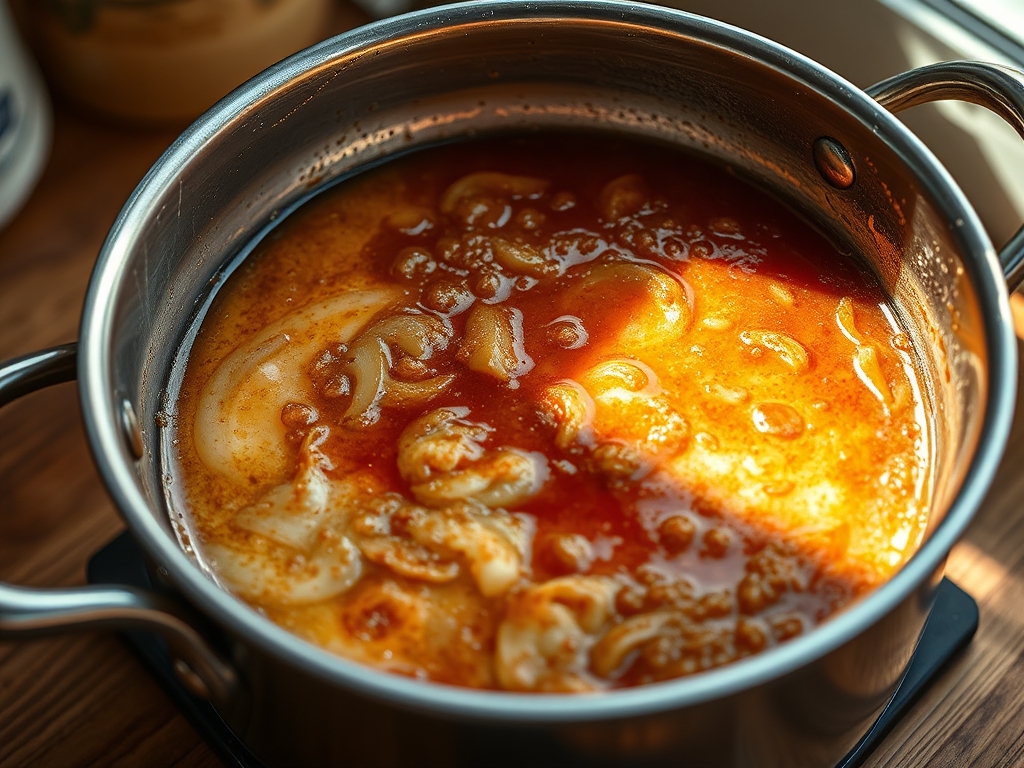
Combine your water, sugar, and yeast in the bowl of a stand mixer. Allow it to bloom until a frothy head appears. Add the flour and salt. Use a digital scale for this; volumetric measurements are the enemy of consistency. Mix on low until a shaggy mass forms.
Pro Tip: Precision hydration is the key to a uniform bake. Using a digital scale ensures your dough-to-water ratio is identical every time, preventing the "gummy center" syndrome found in amateur bakes.
2. Developing the Matrix
Switch to the dough hook or move the mass to a clean surface. Knead for 8 to 10 minutes. You are looking for the "windowpane test" where the dough can be stretched thin enough to see light through it without tearing. Use a bench scraper to keep your workspace clean and to manage the dough without adding excess flour.
Pro Tip: Developing a strong gluten network is what allows the dough to hold air pockets. These pockets are essential for that "light" crunch. Without them, you are just baking hard crackers.
3. The Bulk Fermentation
Place the dough in a lightly oiled bowl and cover. Let it rise in a warm, draft-free environment until doubled in size. This should take approximately 60 minutes.
Pro Tip: Fermentation is not just about volume; it is about flavor. During this time, enzymes break down starches into simple sugars, which will later render a deeper color during the Maillard reaction.
4. Shaping and Profiling
Punch down the dough and divide it into 25g portions. Roll each portion into a long, thin cylinder, roughly the diameter of a pencil. Place them on a parchment-lined sheet pan.
Pro Tip: Uniformity in diameter is non-negotiable. If one end is thicker than the other, the thin end will incinerate while the thick end remains doughy. Use a ruler if your internal calibration is off.
5. The Dehydration Bake
Preheat your oven to 175C / 350F. Brush the spears with a light coating of olive oil and a sprinkle of coarse salt. Bake for 15 to 20 minutes, or until the spears are golden brown from tip to tip.
Pro Tip: To achieve maximum "Crispy Breadsticks" status, turn the oven off and crack the door open for the last 5 minutes. This allows residual heat to pull the remaining moisture out of the core without burning the exterior.
Section B: Prep & Timing Fault-Lines:
Timing is the silent killer of the breadstick. If you over-proof the dough, the air bubbles will collapse, resulting in a flat, dense spear. If your oven temperature is too high, the exterior will brown before the interior has a chance to dry out. Use an oven thermometer to verify your appliance's accuracy. If the dough resists stretching during the shaping phase, it is "tight." Cover it with a damp cloth and let it rest for 10 minutes to allow the gluten to relax before attempting to roll it again.
THE VISUAL SPECTRUM
Section C: Thermal & Visual Troubleshooting:
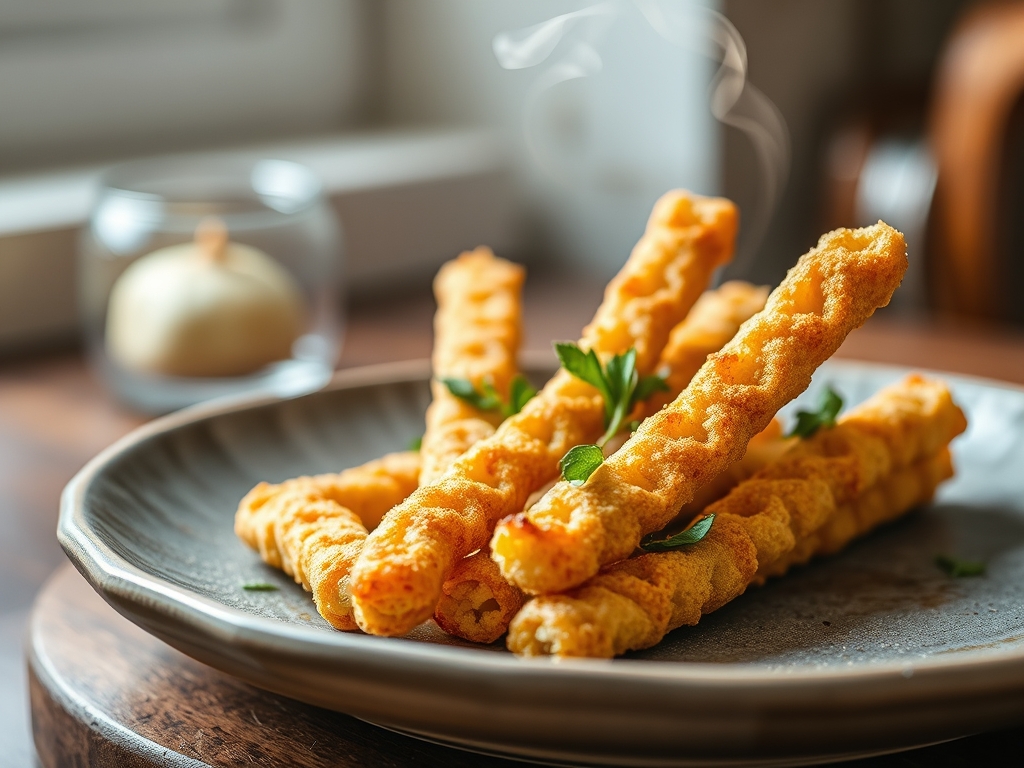
Referencing the Masterclass photo, your Crispy Breadsticks should exhibit a "Tiger-Skin" mottling. This is a sign of perfect fermentation and high-heat contact. If your sticks are pale and ghostly, you likely omitted the sugar or your oven is running cold. If they are dark brown on the bottom but white on top, your rack position is too low; move them to the center. Dull surfaces indicate a lack of fat; a light brush of oil before baking ensures a lustrous, professional finish. If the salt crystals are falling off, you waited too long to apply them. They must be pressed into the dough while it is still slightly tacky from the oil or a light water mist.
THE DEEP DIVE
Macro Nutrition Profile:
Each 25g breadstick contains approximately 85 calories, 2g of protein, 15g of carbohydrates, and 2g of fat. While they are a carbohydrate-heavy asset, their low moisture content makes them a shelf-stable energy source.
Dietary Swaps:
- Vegan: This recipe is naturally vegan. Ensure your sugar is bone-char free.
- Keto: Replace wheat flour with a blend of almond flour, flax meal, and xanthan gum. Note that the "snap" will be less pronounced.
- GF: Use a high-quality 1-to-1 gluten-free flour blend. You will need to add slightly more water to account for the high fiber content of GF flours.
Meal Prep & Reheating Science:
To maintain the molecular structure and prevent staling, store these in an airtight glass container. If they lose their snap due to humidity, "re-flash" them in a 150C / 300F oven for 5 minutes. This evaporates any absorbed atmospheric moisture and restores the rigid gluten matrix.
THE KITCHEN TABLE
Why are my breadsticks chewy instead of crispy?
The audit suggests insufficient bake time or high humidity. You must ensure the internal moisture is fully evaporated. Try lowering the temperature and extending the bake time to "toast" the interior thoroughly.
Can I add cheese to the dough?
Yes, but be warned. High-fat inclusions like parmesan can soften the structure. If adding cheese, finely grate it and reduce the olive oil by half to maintain the structural integrity of the spear.
How do I get the salt to stick?
The tactical solution is a light egg wash or a mist of water immediately before the spears enter the thermal chamber. This creates a tacky surface that anchors the crystals during the expansion phase.
My dough keeps shrinking back when I roll it!
This is a classic case of high gluten tension. Your dough is stressed. Cover it and walk away for ten minutes. This allows the protein bonds to relax, making the dough more extensible and easier to shape.