Listen to the sound of a high-velocity kitchen during the dinner rush. It is not music; it is a symphony of thermal physics and structural engineering. When a ring of cephalopod hits a 375-degree oil bath, you are witnessing a violent phase change. The Calamari Batter Data suggests that success is measured in microns of crust thickness and the instantaneous evaporation of surface moisture. We are not just cooking; we are managing a rapid-fire moisture barrier. If your batter is a soggy, sliding mess, your infrastructure has failed. You have ignored the protein-to-starch ratios required to withstand the steam pressure of the internal flesh. To achieve that shatter-crisp exterior that shames every seaside bistro in existence, you must treat your bowl like a laboratory. We are looking for a specific viscosity that clings like a second skin while maintaining enough aeration to puff into a golden, craggy landscape. This is the technical reality of flour coatings. Precision is your only ally against the entropy of a lukewarm fryer.
THE DATA MATRIX
| Metric | Specification |
|---|---|
| Prep Time | 20 Minutes |
| Execution Time | 3 Minutes |
| Yield | 4 Servings |
| Complexity (1-10) | 4 |
| Estimated Cost per Serving | $4.50 |
THE GATHERS
Ingredient Protocol:
- 500g / 1.1 lbs Fresh Squid (cleaned and sliced into 1.5cm rings)
- 125g / 1 cup All-Purpose Flour
- 65g / 0.5 cup Cornstarch
- 5g / 1 tsp Baking Powder
- 250ml / 1 cup Ice-Cold Club Soda or Seltzer
- 5g / 1 tsp Smoked Paprika
- 3g / 0.5 tsp Cayenne Pepper
- 10g / 2 tsp Kosher Salt
- 1L / 4 cups High-Smoke Point Oil (Peanut or Grapeseed)
Section A: Ingredient Quality Audit:
The primary failure point in most flour coatings is the moisture content of the substrate. If your squid is weeping liquid, the batter will never bond. Use a high-absorbency paper towel to desiccate the rings before they touch the flour. Furthermore, check your baking powder. If it is older than six months, the carbon dioxide release will be sluggish; this results in a leaden, dense coating rather than an airy lattice. If your flour feels clumped, it has absorbed atmospheric humidity. Sift it twice to aerate the particles, ensuring every grain can be hydrated evenly by the liquid phase.
THE MASTERCLASS
1. The Dry Phase Integration
Combine your flour, cornstarch, salt, and spices in a stainless steel mixing bowl. Use a digital scale to ensure the ratio of cornstarch to flour is exact; this is critical because cornstarch interferes with gluten development, ensuring the crust remains crisp rather than chewy.
Pro Tip: Use a whisk to infuse the dry mix with air. This mechanical agitation prevents the formation of "flour pockets" that can explode when they hit the hot oil.
2. The Hydration Event
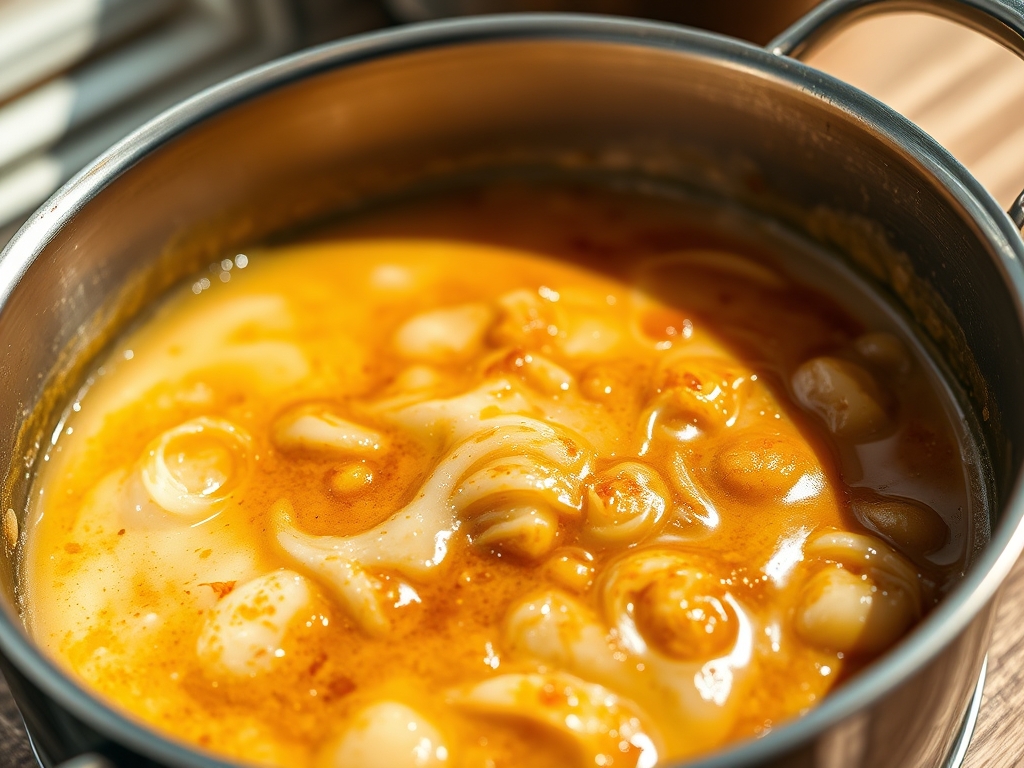
Slowly pour the ice-cold club soda into the dry ingredients while whisking gently. Do not overwork this mixture. You want a viscous consistency similar to heavy cream. Small lumps are acceptable.
Pro Tip: Temperature is the secret variable. Using a saucier kept in the freezer before mixing keeps the batter cold, which slows down gluten formation and ensures the batter stays light and thin during the fry.
3. The Dredge and Dip
Lightly toss the squid rings in a separate bowl of plain flour using a bench scraper to move them without bruising the flesh. Shake off every milligram of excess flour before dipping them into the wet batter.
Pro Tip: The dry flour acts as a primer. Without this bridge, the wet batter will slide off the smooth squid skin like rain off a windshield, a phenomenon known as "blow-off."
4. The Thermal Denaturation
Lower the battered rings into the oil, which must be at a stable 375 degrees Fahrenheit. Do not crowd the pot. Use a slotted spoon or "spider" to keep the rings moving so they do not fuse together.
Pro Tip: Use an infrared thermometer to monitor the oil. If the temperature drops below 350 degrees, the batter will absorb oil instead of repelling it, leading to a greasy failure.
Section B: Prep & Timing Fault-Lines:
Timing is the silent killer of the Calamari Batter Data. If you batter the squid and let it sit on the counter, the salt will draw moisture out of the squid and into the batter, turning your crisp coating into a gummy paste. This is a "wet-out" failure. You must move from batter to oil in under thirty seconds. Additionally, if your oil is too hot, the exterior will undergo the Maillard reaction and burn before the internal protein has time to render its natural juices, resulting in a rubbery texture.
THE VISUAL SPECTRUM
Section C: Thermal & Visual Troubleshooting:
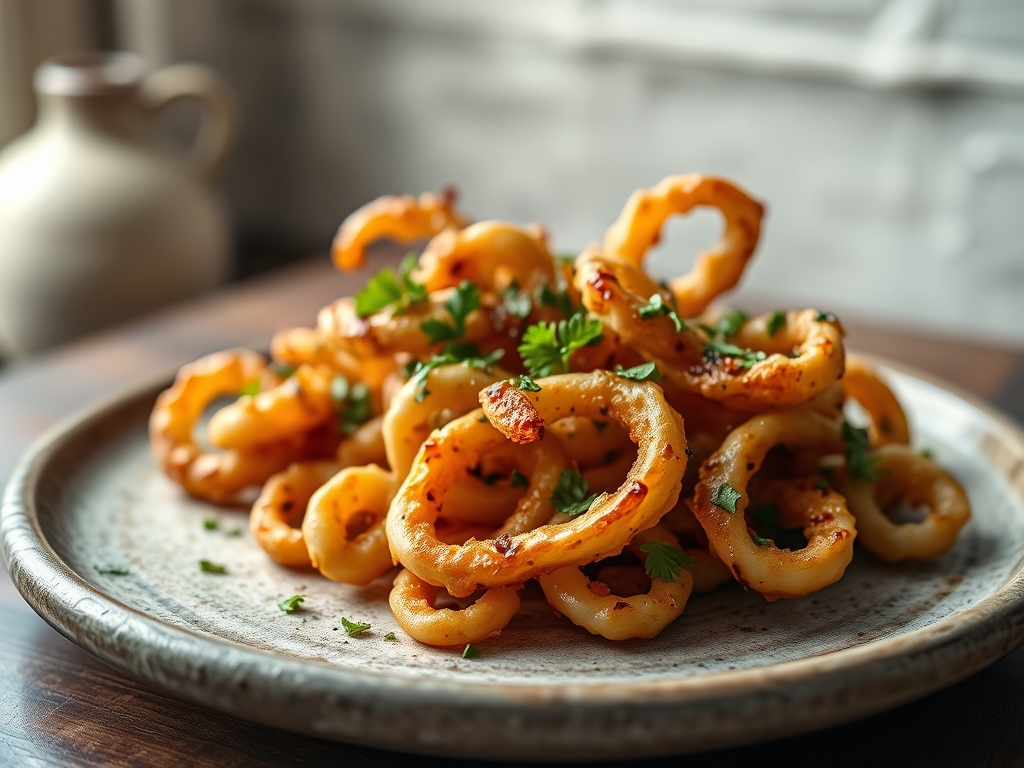
Look closely at the Masterclass photo. You should see a "shattered glass" texture with micro-bubbles on the surface. If your calamari looks smooth and matte, you lacked carbonation in your liquid or your baking powder was inert. If the color is a dull tan rather than a vibrant gold, your oil temperature was too low, preventing the rapid caramelization of the flour's sugars. Uneven browning usually indicates that the rings were touching during the initial set phase. To fix this, use a larger vessel and ensure the oil volume is at least four times the volume of the food being fried.
THE DEEP DIVE
Macro Nutrition Profile:
A standard serving provides approximately 350 calories, 18g of protein, 25g of carbohydrates, and 20g of fats. The high protein content comes from the squid, while the caloric density is driven by the oil absorption of the starch matrix.
Dietary Swaps:
For a Gluten-Free (GF) version, replace the all-purpose flour with a 1:1 rice flour and potato starch blend. This actually produces an even crispier result due to the lack of gluten. For a Keto-friendly version, use unflavored whey protein isolate and crushed pork rinds as the coating, though the texture will be more granular than a traditional batter.
Meal Prep & Reheating Science:
Fried coatings are notorious for losing structural integrity in the fridge. To reheat, avoid the microwave at all costs; it vibrates water molecules, steaming the crust from the inside out. Instead, use an air fryer or a convection oven at 400 degrees for three minutes. This flashes the surface moisture away and re-crisps the fat-saturated starch.
THE KITCHEN TABLE
Why is my calamari rubbery?
You likely overcooked it. Squid requires either a 90-second flash fry or a 30-minute slow braise. Anything in between results in a rubber-band texture. The Calamari Batter Data demands speed and high heat.
Can I use beer instead of club soda?
Absolutely. The proteins and sugars in beer enhance the Maillard reaction, leading to a deeper color and a more piquant flavor profile. Ensure the beer is ice-cold to prevent premature gluten activation.
How do I keep the batter from falling off?
The "dry-wet-dry" sequence is non-negotiable. Ensure the squid is bone-dry before the initial flour dredge. This creates the necessary surface tension for the wet batter to cling to the protein.
What is the best oil for frying?
Peanut oil is the gold standard due to its high smoke point and neutral flavor. If allergies are a concern, grapeseed or refined avocado oil provide the thermal stability required for rapid denaturation without scorching.