The scent hits you before the visual does; it is the smell of high-heat lipid oxidation and rapid carbonization. We are talking about the quintessential breakfast architecture of the East. Fried Dough Sticks, known colloquially as You Tiao, are not merely snacks. They are masterpieces of structural engineering achieved through the violent expansion of carbon dioxide within a gluten-reinforced matrix. Imagine a golden, craggy exterior that shatters upon impact, revealing a web-like interior that is almost entirely air. This is the result of a precise chemical dance where alkalinity meets hydration. When these twin-braided batons hit a roiling vat of oil, the moisture flashes into steam, forcing the dough to balloon outward with aggressive force. It is a high-stakes game of thermal dynamics. If your dough is too cold, it sinks like a stone. If your oil is too hot, the exterior sears shut before the center can aerate. We are here to audit your technique and ensure your kitchen produces nothing less than gold-standard, structural perfection.
THE DATA MATRIX
| Metric | Specification |
|---|---|
| Prep Time | 20 Minutes (plus 4-8 hours rest) |
| Execution Time | 15 Minutes |
| Yield | 8 to 10 Large Sticks |
| Complexity (1-10) | 7 (Requires thermal precision) |
| Estimated Cost per Serving | $0.45 USD |
THE GATHERS
Ingredient Protocol:
- 500g / 4 cups All-Purpose Flour (11% protein content preferred)
- 300ml / 1.25 cups Lukewarm Water (35 degrees Celsius)
- 10g / 2 tsp Baking Powder (Aluminum-free)
- 4g / 0.75 tsp Baking Soda
- 8g / 1.5 tsp Sea Salt
- 15ml / 1 tbsp Neutral Vegetable Oil (for the dough)
- 1 Large Egg (Room temperature)
- 1 Liter / 4 cups High-Smoke Point Oil (Peanut or Canola) for frying
Section A: Ingredient Quality Audit:
If your flour has a protein content that is too low, such as cake flour, the gluten network will fail to contain the expanding gases. The result is a flat, greasy cracker. Use a digital scale to ensure your ratios are exact; volumetric measurements are the enemy of consistency. If your baking powder is expired, the chemical reaction will be sluggish. Test it by dropping a pinch into hot water. If it does not fizz violently, discard it. For those in high-humidity environments, reduce the water by 10ml to prevent the dough from becoming overly viscous and unworkable. If the dough feels like it is resisting your touch, it is likely too cold or under-hydrated. Ensure your egg is at room temperature to facilitate better emulsification with the water and oil components.
THE MASTERCLASS
1. Hydration and Molecular Integration
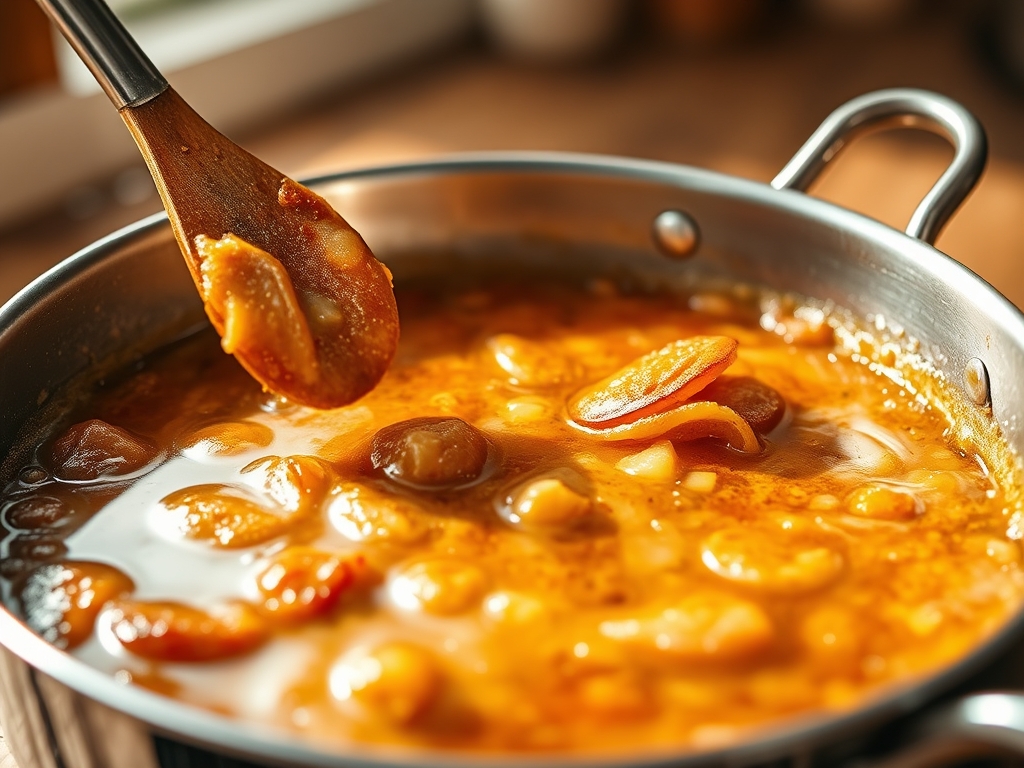
In a large mixing bowl, whisk together your dry ingredients before introducing the water, egg, and oil. Use a sturdy spatula or a stand mixer with a dough hook to bring the mass together. You are looking for a soft, tacky consistency that just barely pulls away from the sides. Do not over-knead at this stage; we want to develop just enough tension to hold air, not create a tough bread.
Pro Tip: Use a digital thermometer to ensure your water is exactly 35 degrees Celsius. This temperature optimizes the solubility of the salts and leavening agents without prematurely exhausting the chemical reaction.
2. The Long Rest (Cold Fermentation)
Transfer the dough to a lightly oiled container. Cover it tightly with plastic wrap to prevent a skin from forming. Let it rest in the refrigerator for at least 4 hours, though overnight is superior. This resting period allows the gluten to relax completely and the starches to fully hydrate, which is essential for that signature stretch.
Pro Tip: A bench scraper is your best friend here. Use it to fold the dough over itself twice during the first hour of resting to build internal layers without degassing the mixture.
3. Precision Geometry and Pairing
Dust your work surface lightly with flour. Gently roll the dough into a long rectangle about 0.5cm thick. Use your bench scraper to cut the dough into strips that are 2cm wide and 10cm long. Stack two strips on top of each other. Press a chopstick or the back of a knife firmly down the center of the stack. This creates a "hinge" that allows the two pieces to expand together while remaining attached.
Pro Tip: This stacking technique is not just for aesthetics. The compressed center limits expansion in the middle, forcing the sides to balloon outward, which creates the hollow internal "flutes" characteristic of professional Fried Dough Sticks.
4. Thermal Execution
Heat your oil in a wide saucier or wok to 190 degrees Celsius. Stretch each pair of dough strips gently until they double in length, then carefully drop them into the oil. They should surface within two seconds. Use long chopsticks to rotate the sticks constantly. This continuous movement ensures even heat distribution and prevents one side from becoming too heavy.
Pro Tip: Constant rotation is the secret to a uniform Maillard reaction. If the stick stays stationary, the bottom will overcook and become dense, preventing the top from fully expanding.
Section B: Prep & Timing Fault-Lines:
The most common failure in You Tiao production is impatience. If you fry the dough straight from the fridge, the internal temperature will be too low, causing the oil temperature to crash. This leads to oil absorption rather than steam expansion. Let the dough sit at room temperature for 30 minutes before cutting. Furthermore, if you wait too long after cutting the strips to fry them, the dough will lose its structural tension and won't "spring" in the oil. Work in small batches to maintain a steady thermal flux.
THE VISUAL SPECTRUM
Section C: Thermal & Visual Troubleshooting:
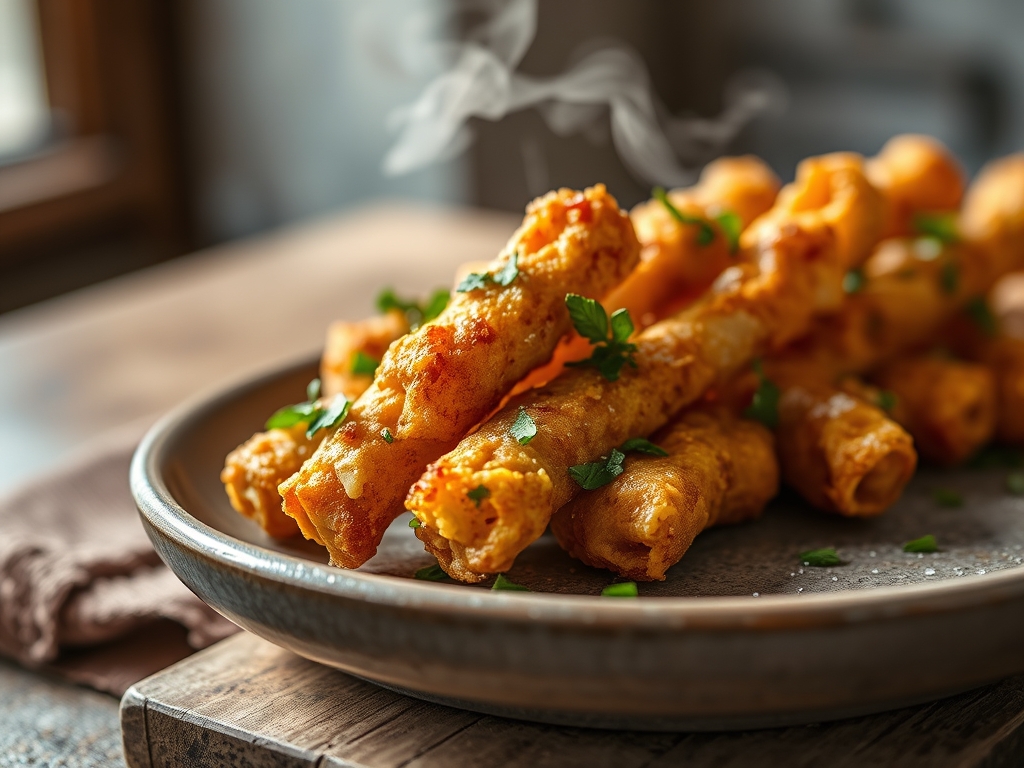
Referencing the Masterclass photo, your Fried Dough Sticks should exhibit a deep, honey-gold hue with a matte, non-greasy finish. If your sticks are pale and limp, your oil temperature was likely below 170 degrees Celsius. If they are dark brown but doughy inside, the oil was too hot, causing the exterior to render and crisp before the interior could cook. Small bubbles on the surface are a sign of a well-hydrated dough; however, large, unsightly blisters usually indicate that the dough was overworked or that the baking soda was not properly incorporated. If the two strips separate during frying, you did not apply enough pressure with the chopstick during the pairing phase.
THE DEEP DIVE
Macro Nutrition Profile:
A single 50g serving of Fried Dough Sticks contains approximately 180 calories. The breakdown is roughly 55% carbohydrates, 38% fats, and 7% protein. While it is a high-energy food, its primary value lies in its texture and cultural significance rather than its micronutrient density.
Dietary Swaps:
- Vegan: This recipe is easily converted by replacing the egg with 45ml of aquafaba (chickpea liquid) and ensuring your sugar source is vegan-certified.
- Gluten-Free: This is challenging, as gluten is the primary structural component. A high-quality 1-to-1 GF flour blend with added xanthan gum can work, though the internal "webbing" will be less pronounced.
- Keto: Currently, there is no viable keto substitute that replicates the specific steam-expansion of wheat-based You Tiao.
Meal Prep & Reheating Science:
To maintain the molecular structure, never microwave Fried Dough Sticks; the moisture will migrate from the center to the crust, making it rubbery. Instead, flash-fry them for 30 seconds at 190 degrees Celsius or use an air fryer at 180 degrees Celsius for 2 minutes to re-crisp the exterior lipids.
THE KITCHEN TABLE
Why are my dough sticks so dense?
Density usually indicates under-active leavening or a cold dough. Ensure your baking powder is fresh and the dough has reached room temperature before it hits the hot oil. This allows for maximum gas expansion during the first five seconds of frying.
Can I use bread flour instead of all-purpose?
Bread flour has a higher protein content, which can make the sticks too chewy. If you must use it, increase the resting time by two hours to ensure the gluten is sufficiently relaxed, preventing a tough, bread-like texture.
Why do I need to press them with a chopstick?
The chopstick creates a localized "dead zone" of high pressure. This prevents the two layers from separating while allowing the outer edges to expand freely, creating the classic double-cylinder shape and the hollow internal structure.
What is the best oil for frying?
Peanut oil is the gold standard due to its high smoke point and subtle nutty aroma. However, any neutral oil with a smoke point above 210 degrees Celsius, such as canola or grapeseed oil, will yield excellent results.