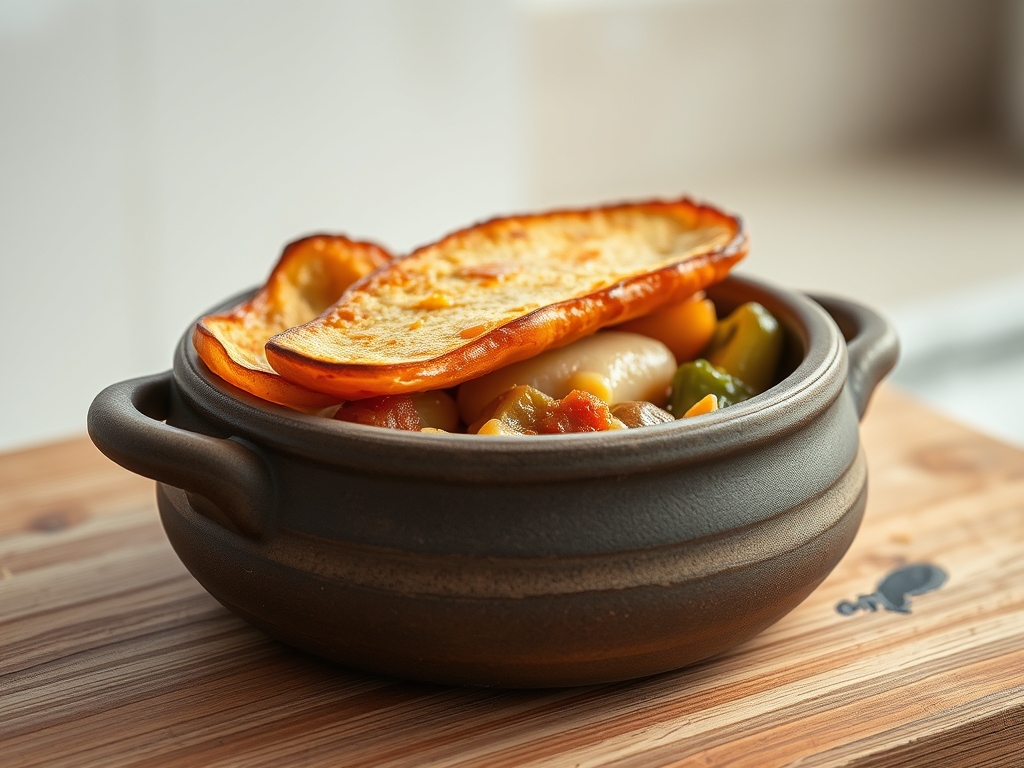
Listen to the sound of a wooden board meeting a thumb. It is a rhythmic, percussive snap that signals the birth of a perfect pasta shell. We are not just making dinner; we are engineering a vessel for maximum sauce retention. Welcome to the Cavatelli Shape Audit, where we dissect the structural integrity of the "little hollows" that have sustained Mediterranean families for centuries. If your current pasta game feels like a flat, uninspired slog, you are likely suffering from a lack of surface area. A cavatello is a masterpiece of hydraulic engineering; its elongated, curled edges are designed to trap viscous liquids and hold them hostage until the moment of mastication. This is about the friction between semolina and wood. It is about the precise hydration levels that allow a dough to be supple yet resilient. We are auditing the very foundation of handmade pasta to ensure that every ridge and every fold serves a singular purpose: the total capture of flavor. Strap in, because we are about to turn your kitchen into a high-output manufacturing floor.
THE DATA MATRIX
| Metric | Specification |
|---|---|
| Prep Time | 30 Minutes |
| Execution Time | 45 Minutes |
| Yield | 4 Servings |
| Complexity (1-10) | 4 |
| Estimated Cost per Serving | $1.15 |
THE GATHERS
Ingredient Protocol:
- 400g / 3.25 cups Semola Rimacinata (Double-milled durum flour)
- 200ml / 0.85 cups Warm Water (Approximately 105 degrees Fahrenheit)
- 5g / 1 tsp Fine Sea Salt
- 15ml / 1 tbsp Extra Virgin Olive Oil (Optional for elasticity)
Section A: Ingredient Quality Audit:
The primary failure point in a Cavatelli Shape Audit is the use of standard All-Purpose flour. AP flour lacks the protein density and "tooth" required for a sturdy, concave structure. If your dough feels mushy or fails to hold its curl, your gluten network is underperforming. To fix this, ensure you are using Semola Rimacinata; the fine grind allows for rapid hydration while the high protein content provides the structural scaffolding. If your water is too cold, the starches will not gelatinize properly, leading to a brittle dough that cracks during the roll. Use a digital thermometer to verify your water temperature is between 100 and 110 degrees Fahrenheit to ensure the dough is pliable from the first knead.
THE MASTERCLASS
1. The Hydration Integration
Place your flour on a clean work surface and create a wide well. Slowly pour the warm water into the center. Using a fork, gradually incorporate the flour from the inner rim. Pro Tip: The science here involves the controlled hydration of gliadin and glutenin. Use a bench scraper to pull in the stray dry bits; this prevents "hot spots" of over-hydrated dough that stick to your hands.
2. The Kinetic Knead
Once a shaggy mass forms, knead the dough for a full 10 minutes. You are looking for a smooth, matte finish that springs back when poked. Pro Tip: Kneading develops the disulfide bonds in the gluten. If you cut the time short, your cavatelli will collapse in the boiling water. Use your digital scale to weigh the final ball; it should be exactly the sum of your inputs minus negligible evaporation.
3. The Structural Rest
Wrap the dough tightly in plastic wrap and let it sit at room temperature for at least 30 minutes. Pro Tip: This is the "autolyse" phase where the gluten relaxes. Without this rest, the dough will be too "snappy," making it impossible to roll into the thin ropes required for the audit. A relaxed dough allows for a more delicate, thinner wall in the final shape.
4. The Rope Calibration
Cut a slice of dough and roll it into a long cylinder, roughly the thickness of your pinky finger. Use a bench scraper to cut the rope into 1 inch nuggets. Pro Tip: Consistency is king. If your nuggets vary in size, they will cook at different rates. Aim for uniform volume to ensure a synchronized "al dente" finish across the entire batch.
5. The Thumb Compression
Place a nugget on a ridged gnocchi board or a clean counter. Press your thumb into the center and drag it toward you, causing the dough to curl over your digit. Pro Tip: This creates the "concave" architecture. The ridges from a board increase the surface area, allowing a piquant sauce to cling to the exterior while the hollow interior acts as a reservoir for viscous emulsified fats.
Section B: Prep & Timing Fault-Lines:
Human error often manifests in the "drying phase." If you leave the cut nuggets exposed to air for too long before rolling, they develop a skin. This skin prevents the dough from curling properly, resulting in a "flat-tire" pasta. Keep your work-in-progress covered with a damp kitchen towel. Conversely, if your kitchen is too humid, the dough may become tacky. Dust your work surface lightly with extra semolina to maintain the friction necessary for the thumb-drag maneuver. Timing is also critical during the boil; these fresh gems only need 3 to 4 minutes. If they float, they are nearly ready.
THE VISUAL SPECTRUM
Section C: Thermal & Visual Troubleshooting:
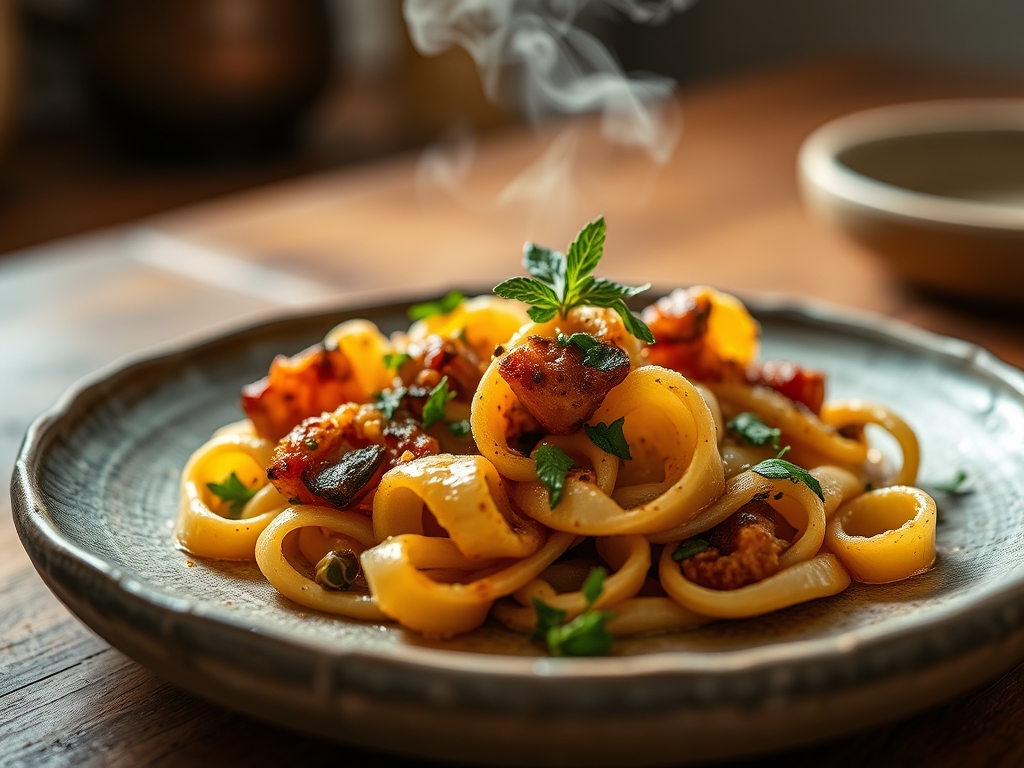
Referencing the Masterclass photo, your cavatelli should exhibit a distinct "C" shape with visible ridges. If your pasta looks smooth and pale, you likely skipped the ridged board or used too much flour during the roll, which masks the texture. Uneven browning or "grey" spots indicate that the dough was not kneaded enough to distribute moisture evenly. The final product should have a vibrant, pale-gold hue. If the edges appear ragged or "shaggy," your knife or bench scraper was dull, tearing the gluten rather than slicing it. Ensure a clean cut to maintain the structural integrity of the concave pocket.
THE DEEP DIVE
Macro Nutrition Profile:
A standard serving of handmade semolina cavatelli provides approximately 350 calories, 12g of protein, and 70g of complex carbohydrates. Because semolina is a low-glycemic index grain, it provides sustained energy release compared to refined white flour.
Dietary Swaps:
- Vegan: This recipe is naturally vegan as it relies on water rather than eggs.
- Gluten-Free: Substitute with a high-quality GF flour blend containing xanthan gum. Increase water by 10% to account for the higher absorption rates of rice and potato starches.
- Keto: Use almond flour and lupin flour with a binder like psyllium husk; note that the "snap" and "curl" will be significantly reduced due to the lack of gluten.
Meal Prep & Reheating Science:
To preserve the molecular structure, flash-freeze raw cavatelli on a baking sheet before transferring to a bag. When reheating cooked pasta, avoid the microwave, which vibrates water molecules and turns the starch into a rubbery mess. Instead, deglaze a pan with a splash of pasta water and toss the cavatelli over medium heat to render any fats and re-emulsify the sauce.
THE KITCHEN TABLE
Why is my pasta chewy instead of tender?
You likely over-kneaded or used cold water. High protein semolina requires warmth to soften the gluten. Ensure your water is warm and allow the dough a full 30 minute rest to relax the protein strands before shaping.
Can I use a food processor for the dough?
Yes, use the pulse function to aerate the flour and water until a ball forms. However, the final 2 minutes of kneading should be done by hand to feel the elasticity and ensure the "snap" required for the audit.
My cavatelli are sticking together in the pot!
This is a hydration failure. Use a larger pot with more water to dilute the surface starches. Also, ensure you toss the raw pasta in a light dusting of semolina before they hit the boiling water to keep them separate.
How do I get the sauce to stick better?
The secret is the "mantecatura" phase. Finish the pasta in the saucier with a splash of starchy pasta water. This creates a glue-like emulsion that binds the sauce to the ridges and fills the concave centers perfectly.