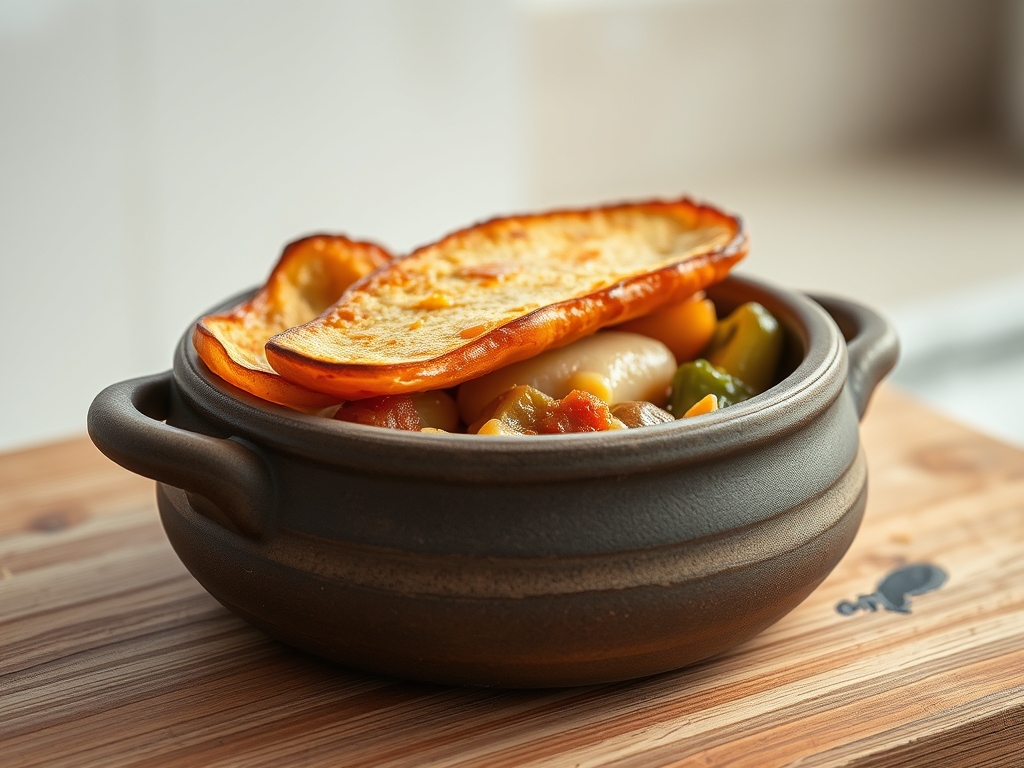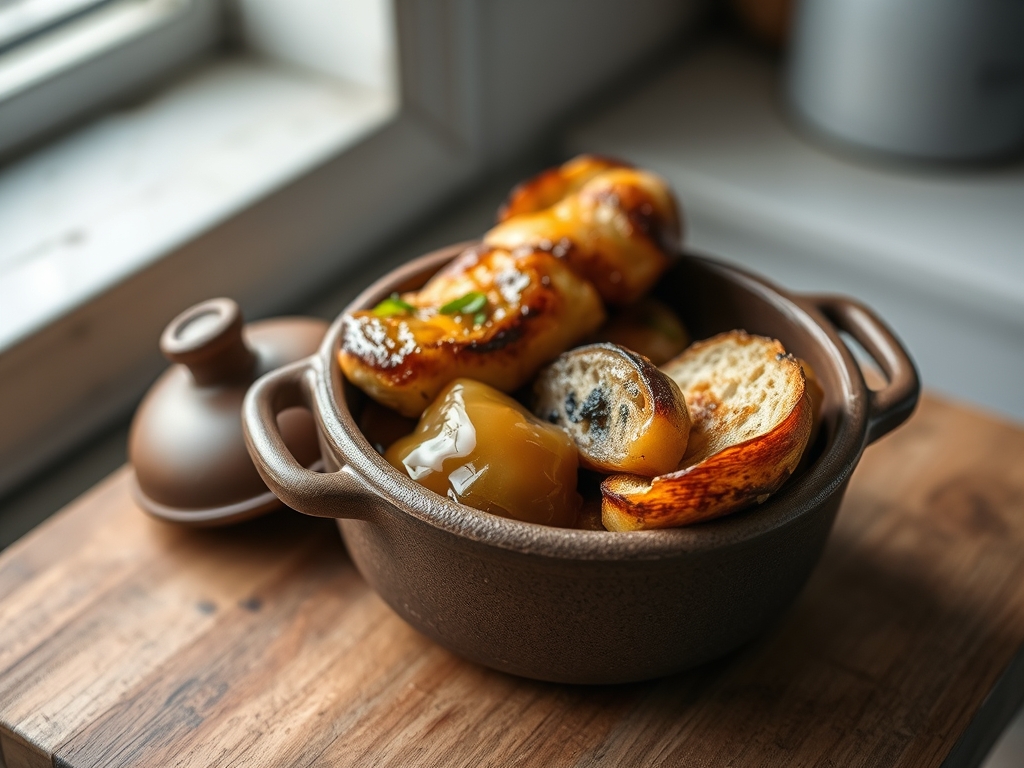
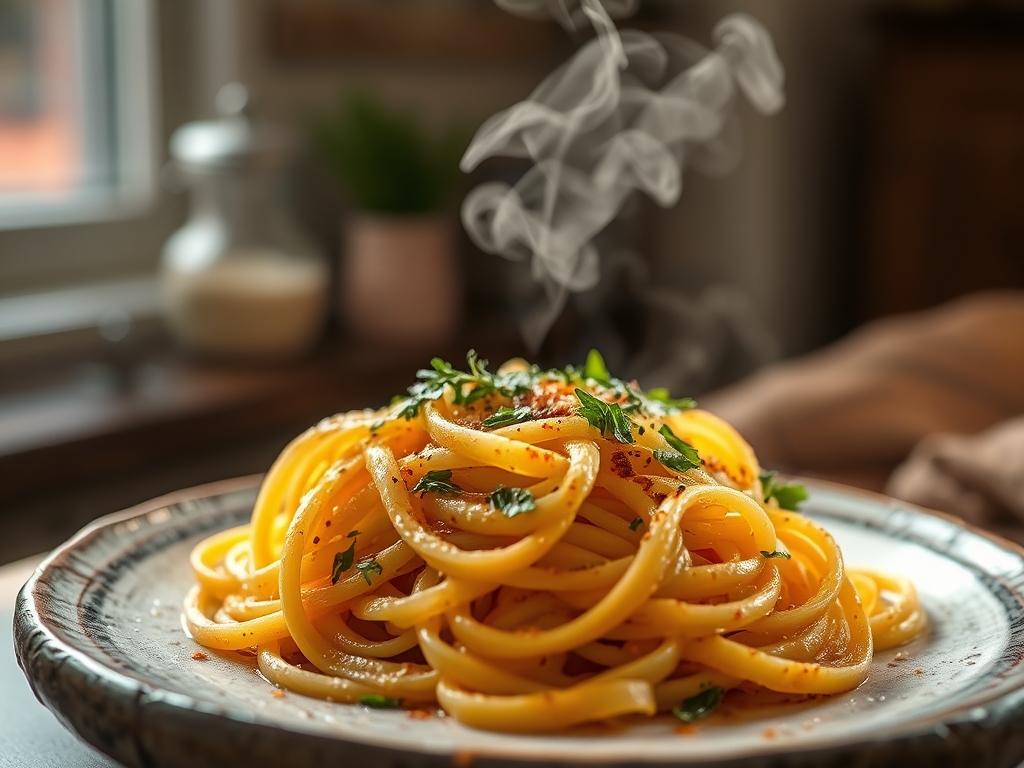
Forget the limp, soggy strands of your amateur past; we are entering the realm of structural integrity and fluid dynamics. When you drop a bundle of pasta into a boiling vat, you are not just making dinner. You are managing a complex interface of starch gelatinization and moisture migration. This is the science of Fettuccine Hydration. If the core of the ribbon remains brittle while the exterior turns to mush, you have failed the audit. We demand a specific ratio of water absorption that allows the noodle to swell without losing its bite. The goal is a surface area optimized for cling; a microscopic landscape of ridges and valleys designed to trap fat and emulsified liquids. We are looking for that perfect tension where the pasta resists the tooth just enough to signal its structural dominance. Every milliliter of water and every gram of semolina must be accounted for in this technical pursuit of the ultimate broad ribbon. Put down the box and pick up the digital scale. It is time to audit your kitchen infrastructure.
THE DATA MATRIX
| Metric | Specification |
|---|---|
| Prep Time | 25 mins |
| Execution Time | 12 mins |
| Yield | 4 Servings |
| Complexity (1-10) | 7 |
| Estimated Cost per Serving | $3.25 |
THE GATHERS
Ingredient Protocol:
- 400g / 3.2 cups 00 Flour (High protein content for gluten development)
- 4 Large Egg Yolks / 72ml (For lipid-rich structure)
- 2 Whole Eggs / 100ml (For protein binding)
- 5g / 1 tsp Sea Salt (To tighten the gluten network)
- 15ml / 1 tbsp Extra Virgin Olive Oil (To lubricate the dough strands)
- 200g / 7oz Pecorino Romano (Finely grated for maximum surface melt)
- 100g / 3.5oz Unsalted Butter (High fat content for the emulsion)
- 5g / 1 tsp Coarse Black Pepper (To be toasted for aromatic release)
Section A: Ingredient Quality Audit:
If your flour feels gritty or sandy, your Fettuccine Hydration will be uneven; the starch will not absorb moisture at a uniform rate. Switch to a double-zero (00) milling to ensure a fine particulate size. If your eggs are pale and watery, the dough will lack the golden hue and the rich, viscous mouthfeel required for a premium ribbon. Use pasture-raised eggs with deep orange yolks to provide the necessary carotenoids and fats. If the cheese clumps instead of melting, it is likely pre-shredded and coated in cellulose. Use a microplane to grate a high-quality block immediately before use; this increases the surface area for a seamless transition into the sauce.
THE MASTERCLASS
1. The Hydration Well
Create a volcano of flour on a clean work surface. Use a fork to whisk the eggs and oil in the center, slowly incorporating flour from the inner walls. Use a bench scraper to keep the perimeter secure.
Pro Tip: The science here is about controlled saturation. By gradually introducing the liquid to the dry mass, you prevent the formation of dry flour pockets that would later ruin the texture of the ribbon.
2. The Gluten Activation
Knead the dough vigorously for ten minutes until the surface is smooth and bounces back when poked. Wrap in plastic and let it rest at room temperature for thirty minutes.
Pro Tip: Resting allows the gluten proteins to relax and the moisture to distribute evenly. This ensures that the Fettuccine Hydration is consistent across the entire batch, preventing snapping during the rolling process.
3. Precision Sheeting
Pass the dough through a manual or electric pasta roller, starting at the widest setting and moving to the penultimate thickness. Use a digital scale to ensure your portions are equal before cutting into 6mm wide ribbons.
Pro Tip: Thinner is not always better. A broad ribbon needs enough thickness to maintain its "al dente" core while the exterior starch begins to render into the boiling water.
4. The Emulsion Bridge
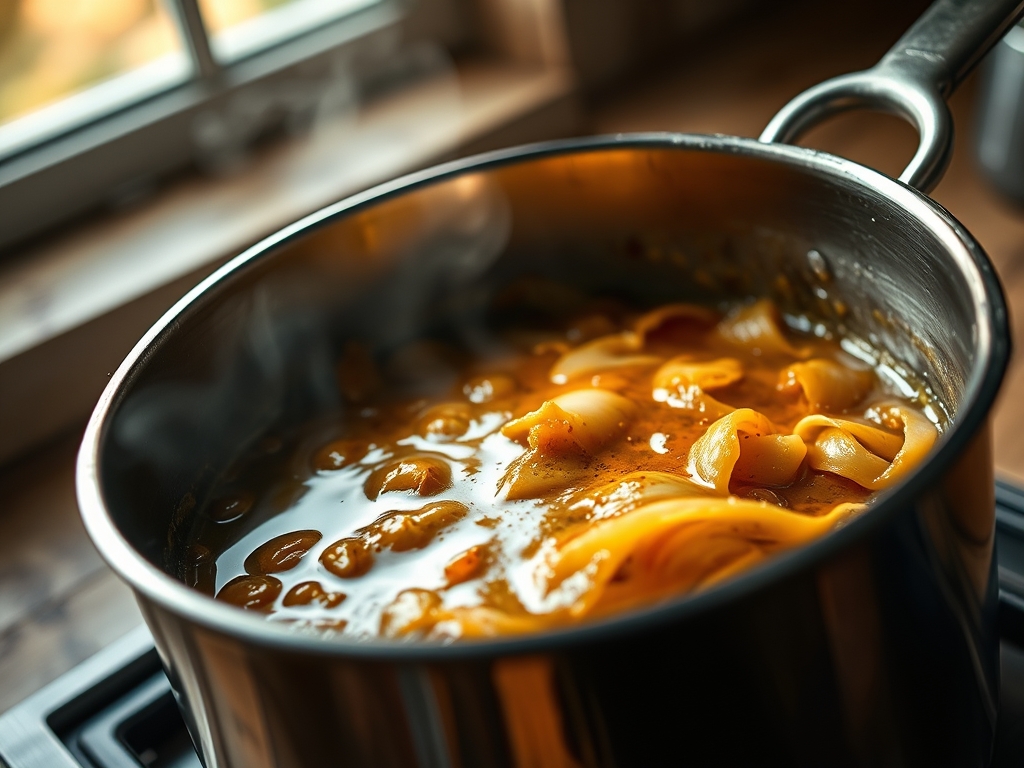
In a wide saucier, toast the cracked pepper until fragrant. Add the butter and a splash of starchy pasta water to create a stable emulsion. Whisk until the liquid is creamy and opaque.
Pro Tip: This is a mechanical bond between fat and water. The starch in the pasta water acts as a stabilizer, preventing the sauce from breaking into a greasy mess.
5. The Final Fusion
Transfer the pasta directly from the water to the saucier. Add the cheese in stages, tossing constantly to aerate the sauce and coat every millimeter of the ribbon.
Pro Tip: The residual heat of the pasta is what melts the cheese. If the pan is too hot, the proteins in the cheese will seize and turn rubbery. Control the thermal energy to maintain a silky coating.
Section B: Prep & Timing Fault-Lines:
The most common failure in Fettuccine Hydration is the "Drying Gap." If you cut your noodles and leave them on the counter for too long without coverage, the edges will dehydrate and cook at a different rate than the center. Keep them under a damp kitchen towel. Another critical error is the "Cold Bowl Syndrome." If you serve this highly technical emulsion in a cold ceramic bowl, the fat will congeal instantly. Pre-warm your plating hardware in a low oven to preserve the viscous nature of the sauce.
THE VISUAL SPECTRUM
Section C: Thermal & Visual Troubleshooting:
Look at the Masterclass photo; notice the glossy sheen on the ribbons. If your pasta looks dull or matte, you have insufficient fat or the emulsion has dried out. Add a tablespoon of pasta water and toss again to restore the luster. If you see white specks of un-melted cheese, your temperature was too low or your grating was too coarse. If the ribbons are sticking together in clumps, you did not use enough water in the pot or failed to agitate the pasta during the first sixty seconds of submersion. The ideal visual is a translucent, golden coating that clings to the noodle without dripping off.
THE DEEP DIVE
Macro Nutrition Profile:
A standard serving of this technical fettuccine contains approximately 450 calories, 18g of protein, 22g of fat, and 45g of carbohydrates. The high egg content provides significant choline and Vitamin D, while the fermented cheese offers a punch of calcium.
Dietary Swaps:
For a vegan iteration, replace eggs with a mixture of water and semolina, and swap butter for a high-quality emulsified cashew cream. For a gluten-free version, use a blend of brown rice flour and xantham gum, though be warned: the structural Fettuccine Hydration will be significantly more fragile.
Meal Prep & Reheating Science:
To maintain molecular structure, do not fully cook pasta intended for later use. Undercook by two minutes and shock in ice water. When reheating, avoid the microwave, which causes uneven thermal agitation and breaks the emulsion. Instead, use a pan with a splash of water and a knob of butter to infuse moisture back into the starch.
THE KITCHEN TABLE
Why is my pasta water cloudy?
That cloudiness is released starch. It is your best friend. Use it to deglaze your pan and build the foundation of your sauce. It acts as a glue that binds the fat to the ribbon.
Can I use a food processor for the dough?
Yes, but be careful not to overheat the motor. The friction can cook the eggs prematurely. Pulse until you have a sandy texture, then finish by hand to ensure the gluten is properly developed.
What is the best way to store fresh fettuccine?
Dust the ribbons with cornmeal to prevent sticking and form them into small nests. Freeze them on a tray before transferring to a bag. Cook directly from frozen to maintain the best structural integrity.
How do I achieve a piquant flavor profile?
The key is the pepper and the cheese. Toasting the pepper releases volatile oils that provide a sharp, piquant bite. Using an aged Pecorino adds the necessary acidity and salt to balance the rich fats.