Forget the pillowy clouds of romanticized Italian nonnas for a moment. We are here to discuss structural engineering. When you approach the counter with a five-pound bag of Russets, you aren't just making dinner; you are managing a complex transition from tuberous cellular structures to a resilient, elastic matrix. The secret to avoiding a gummy, gluey disaster lies entirely within Gnocchi Starch Ratios. If your potato-to-flour balance is off by even five percent, the molecular integrity of your dough collapses the moment it hits boiling water. We want a delicate tension between the amylose and amylopectin molecules. You are looking for a bite that offers a whisper of resistance before dissolving into a rich, buttery finish. This is high-stakes chemistry disguised as comfort food. Every gram of flour added is a trade-off between structural stability and flavor purity. Too much flour and you are eating rubber pellets; too little and you have potato soup. It is time to audit your technique and calibrate your ratios for professional-grade results.
THE DATA MATRIX
| Metric | Specification |
|---|---|
| Prep Time | 45 Minutes |
| Execution Time | 15 Minutes |
| Yield | 4 Servings |
| Complexity | 7/10 |
| Estimated Cost per Serving | $1.45 |
THE GATHERS
Ingredient Protocol:
- 1 kg / 2.2 lbs High-Starch Russet Potatoes
- 250g / 2 cups Type 00 Flour (plus extra for dusting)
- 1 Large Egg (approx. 50g / 1.7 oz), lightly beaten
- 10g / 2 tsp Fine Sea Salt
- 5g / 1 tsp Freshly Grated Nutmeg
- 115g / 0.5 cup Unsalted European Butter
- 30g / 0.25 cup Fresh Sage Leaves
- 50g / 0.5 cup Finely Grated Parmigiano-Reggiano
Section A: Ingredient Quality Audit:
The primary failure point in gnocchi is moisture. If you use waxy potatoes like Red Bliss or Yukon Gold without adjusting your Gnocchi Starch Ratios, the high water content will demand excessive flour, leading to a "heavy" dough. Technical Fix: If your potatoes feel overly moist after ricing, spread them across a rimmed baking sheet and place them in a 150F oven for five minutes to aerate and evaporate excess steam. Furthermore, ensure your flour is "00" grade. The finer grind allows for faster hydration without over-developing gluten, which would otherwise turn your dough into a bouncy, unappealing mass.
THE MASTERCLASS
1. Thermal Dehydration and Ricing
Boil the potatoes whole and unpeeled to prevent water ingress into the starch cells. Once fork-tender, peel them while hot using a clean kitchen towel to protect your hands. Pass them immediately through a fine-mesh ricer onto a clean work surface.
Pro Tip: Speed is essential here. Ricing the potatoes while hot prevents the starches from retrograding, which ensures a smoother texture. Use a digital scale to weigh the riced potato mass before adding flour to maintain precise Gnocchi Starch Ratios.
2. The Gentle Incorporate
Sift the flour over the warm potato mounds. Add the beaten egg, salt, and nutmeg. Use a bench scraper to "cut" the ingredients together rather than kneading them. You want to distribute the flour and egg until a shaggy dough forms without stimulating the protein bonds in the wheat.
Pro Tip: Kneading is the enemy of the gnocchi. Over-working the dough creates a viscous and tough product. Stop as soon as the dough holds together when squeezed; it should feel like a warm marshmallow.
3. Structural Shaping and Ridging
Divide the dough into four equal quadrants. Roll each piece into a long rope about 2cm thick. Use your bench scraper to cut the rope into 2cm pillows. Roll each pillow over a fluted gnocchi board or the back of a fork to create ridges.
Pro Tip: Those ridges are not just for aesthetics. They increase the surface area of the pasta, allowing the sauce to infuse and cling to the dough rather than sliding off.
4. The Saucier Emulsion
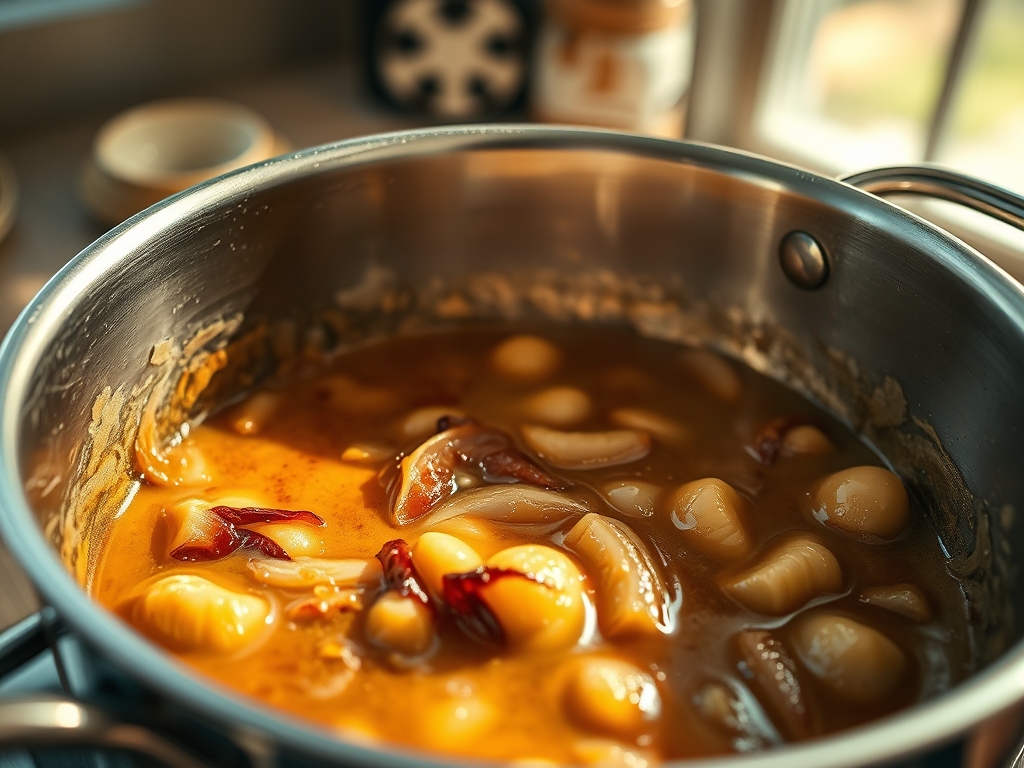
In a wide saucier, melt the butter over medium heat until it begins to foam. Add the sage leaves and cook until the butter solids turn nut-brown and the sage becomes crisp. This is the Maillard reaction in action, creating a piquant and complex flavor profile.
Pro Tip: Do not let the butter reach the smoking point. You want to render the water out of the butter until only the golden fats and toasted solids remain.
5. The Rapid Boil and Sear
Drop the gnocchi into a large pot of salted, boiling water. As soon as they float, remove them with a slotted spoon and transfer them directly into the brown butter. Increase the heat to medium-high to achieve a light sear.
Pro Tip: The "float" indicates that the internal moisture has turned to steam, creating buoyancy. Moving them directly to the fat helps deglaze the pan with a tiny amount of starchy pasta water, creating a glossy, emulsified sauce.
Section B: Prep & Timing Fault-Lines:
The most common human error is the "cooling gap." If you let the riced potatoes cool completely before adding the flour, the starch granules will not absorb the flour effectively, resulting in a grainy texture. Conversely, adding the egg to potatoes that are too hot will scramble the proteins instantly. Aim for a potato temperature of approximately 140F (60C) before introducing the binder.
THE VISUAL SPECTRUM
Section C: Thermal & Visual Troubleshooting:
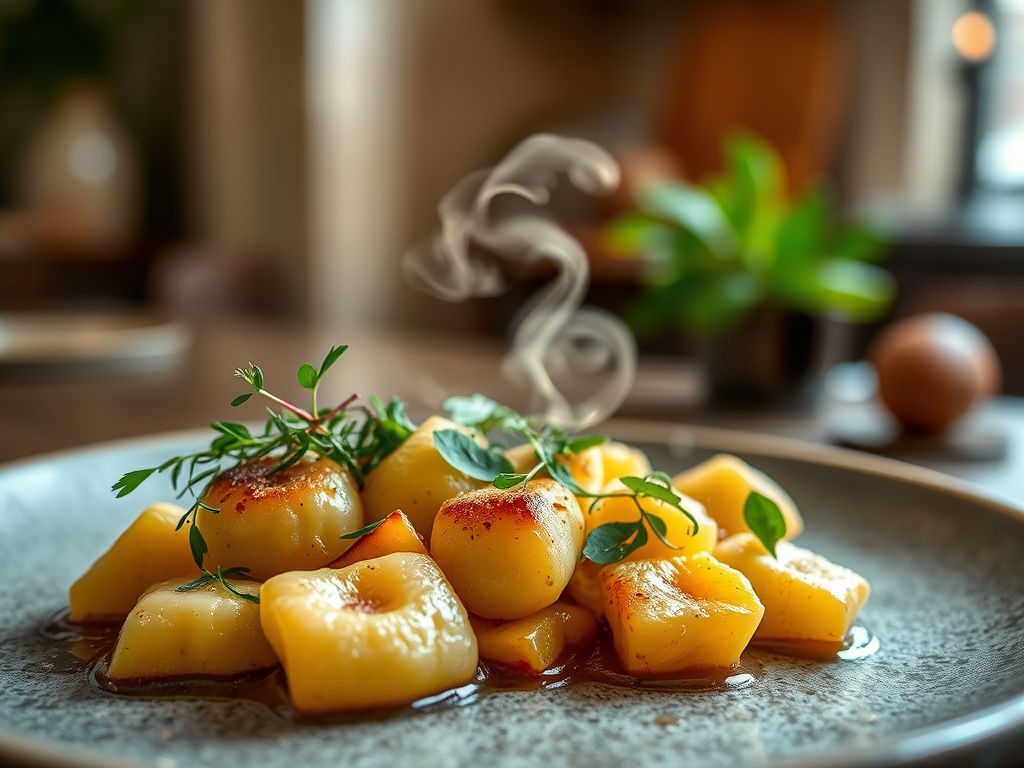
Referencing the Masterclass photo, your gnocchi should exhibit a "golden-halo" effect. If your gnocchi look dull or gray, it is a sign of oxidation or low-quality potatoes. If the edges appear "shaggy" or are disintegrating in the pan, your Gnocchi Starch Ratios were too low on the flour side. The final product should have a distinct, ridged exterior that holds its shape even when tossed in the viscous butter sauce. If the browning is uneven, ensure your saucier is large enough to avoid crowding, which leads to steaming rather than searing.
THE DEEP DIVE
Macro Nutrition Profile
A standard serving provides approximately 350 calories, 45g of carbohydrates, 15g of fat (primarily from the butter emulsion), and 6g of protein. While starch-heavy, the satiety index is high due to the density of the potato base.
Dietary Swaps
- Vegan: Replace the egg with 1 tablespoon of potato starch mixed with 2 tablespoons of water. Use a high-quality olive oil or vegan butter for the sauce.
- Gluten-Free: Substitute "00" flour with a 1:1 gluten-free flour blend containing xanthan gum. Increase the egg count to 1.5 to provide additional structural "glue."
- Keto: This is a starch-based dish; however, "gnocchi" can be simulated using ricotta cheese and almond flour, though the molecular infrastructure will differ significantly.
Meal Prep & Reheating Science
To maintain the molecular structure, do not refrigerate raw dough. Instead, freeze the shaped gnocchi on a parchment-lined tray before transferring to a bag. To reheat, boil directly from frozen. This prevents the starch from becoming soggy through slow temperature transitions.
THE KITCHEN TABLE
Why are my gnocchi chewy?
You likely over-worked the dough, developing too much gluten. Use a bench scraper to cut the flour into the potato rather than kneading it with your hands. Heat from your palms can also melt the potato starches prematurely.
Can I use leftover mashed potatoes?
No. Mashed potatoes already contain milk, butter, and excess moisture. This destroys the Gnocchi Starch Ratios required for a stable dough. Always start with whole, dry-cooked Russet potatoes for the best structural integrity.
How do I know if the ratio is correct?
Perform a "test boil." Drop one gnocchi into the water. If it holds its shape and floats, your ratio is perfect. If it dissolves, gently fold a tablespoon more flour into your remaining dough.
Why did my brown butter turn black?
The window between "browned" and "burnt" is roughly twenty seconds. Once the milk solids reach a deep amber color and smell nutty, immediately add a splash of pasta water to drop the temperature and stop the cooking process.