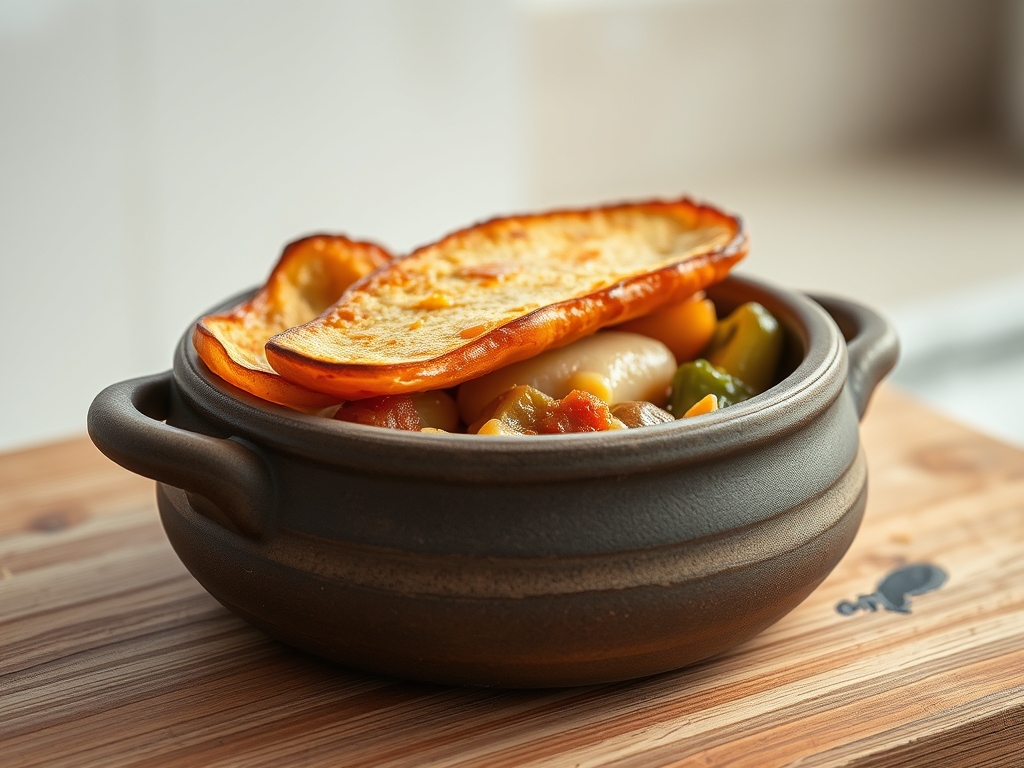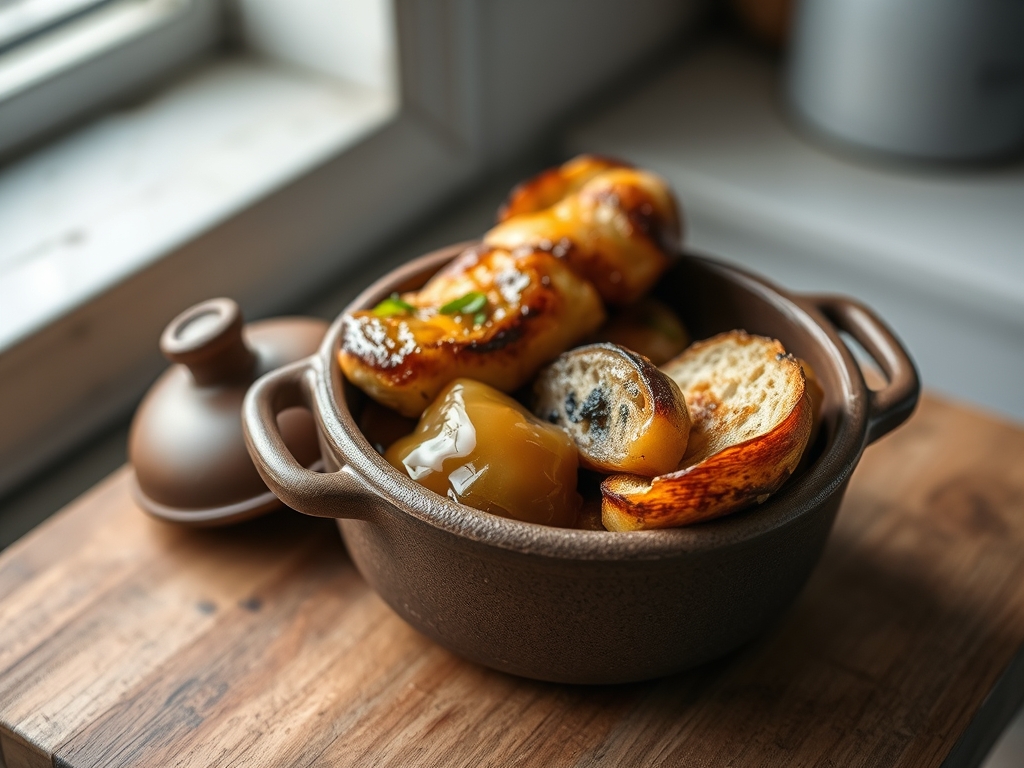
Forget everything you know about brunch. We are not here for the dry, bready pucks of disappointment found in hotel lobbies. We are here to master the physics of the perfect spiral. The modern sticky bun is a feat of structural engineering where the dough must maintain its structural integrity while being subjected to a relentless bombardment of heat and sugar. The secret to this success lies in the Sticky Bun Viscosity. If your caramel is too thin, it migrates to the bottom of the pan and hardens into a tooth-shattering glass. If it is too thick, it clings to the pan rather than the pastry. We are looking for that precise, molten flow that coats the tongue and clings to the crumb without sacrificing the airy, yeasted lift of the dough. This is about the intersection of sucrose and lipids; it is about the way butter and sugar emulsify under pressure to create a coating that is both glossy and yielding. Prepare your digital scales. We are about to audit your kitchen infrastructure.
THE DATA MATRIX
| Metric | Specification |
|---|---|
| Prep Time | 45 Minutes |
| Execution Time | 180 Minutes (Including Proofing) |
| Yield | 12 Large Rolls |
| Complexity (1-10) | 7 |
| Estimated Cost per Serving | $1.25 |
THE GATHERS
Ingredient Protocol:
The Dough Infrastructure:
- 500g / 4 cups All-Purpose Flour (High protein preferred)
- 250ml / 1 cup Whole Milk (Scalded and cooled)
- 100g / 0.5 cup Granulated Sugar
- 10g / 2.5 tsp Active Dry Yeast
- 115g / 0.5 cup Unsalted Butter (Softened)
- 2 Large Eggs (Room temperature)
- 5g / 1 tsp Fine Sea Salt
The Viscous Caramel Glaze:
- 170g / 0.75 cup Unsalted Butter
- 200g / 1 cup Light Brown Sugar (Packed)
- 60ml / 0.25 cup Heavy Cream
- 2g / 0.5 tsp Salt
- 150g / 1.5 cups Pecan Halves
The Spice Infusion:
- 100g / 0.5 cup Brown Sugar
- 15g / 2 tbsp Ground Cinnamon
- 50g / 0.25 cup Butter (Melted)
Section A: Ingredient Quality Audit:
If your yeast fails to aerate the dough, your buns will resemble dense lead weights. Always check the expiration date and perform a bloom test in warm milk. If the milk is above 115 degrees Fahrenheit, you will kill the culture; if it is too cold, the yeast remains dormant. If your flour has a low protein content, the gluten network will collapse under the weight of the caramel. To fix this, replace two tablespoons of flour with vital wheat gluten. If your butter is "weeping" water, it has a low fat content. Use European-style butter with at least 82 percent butterfat to ensure the caramel does not break into a greasy mess.
THE MASTERCLASS
1. The Primary Hydration and Kneading
Combine the warm milk, yeast, and a tablespoon of sugar in your stand mixer bowl. Once foamy, add the remaining dough ingredients. Use the dough hook to knead until the dough is smooth, elastic, and clears the sides of the bowl.
Pro Tip: Use a digital scale for the flour rather than a measuring cup. Volumetric measurements are notoriously inaccurate; a "cup" of flour can vary by 30 grams depending on how it is packed, which directly impacts the final hydration levels and crumb density.
2. The First Proof and Fermentation
Place the dough in a lightly oiled bowl, cover with plastic wrap, and let it rise in a warm, draft-free environment until doubled in size. This usually takes 60 to 90 minutes.
Pro Tip: This stage is where we develop flavor through yeast fermentation. For a more complex, piquant undertone, perform this rise in the refrigerator for 12 to 24 hours. Cold fermentation slows down the yeast and allows organic acids to develop.
3. Constructing the Viscous Base
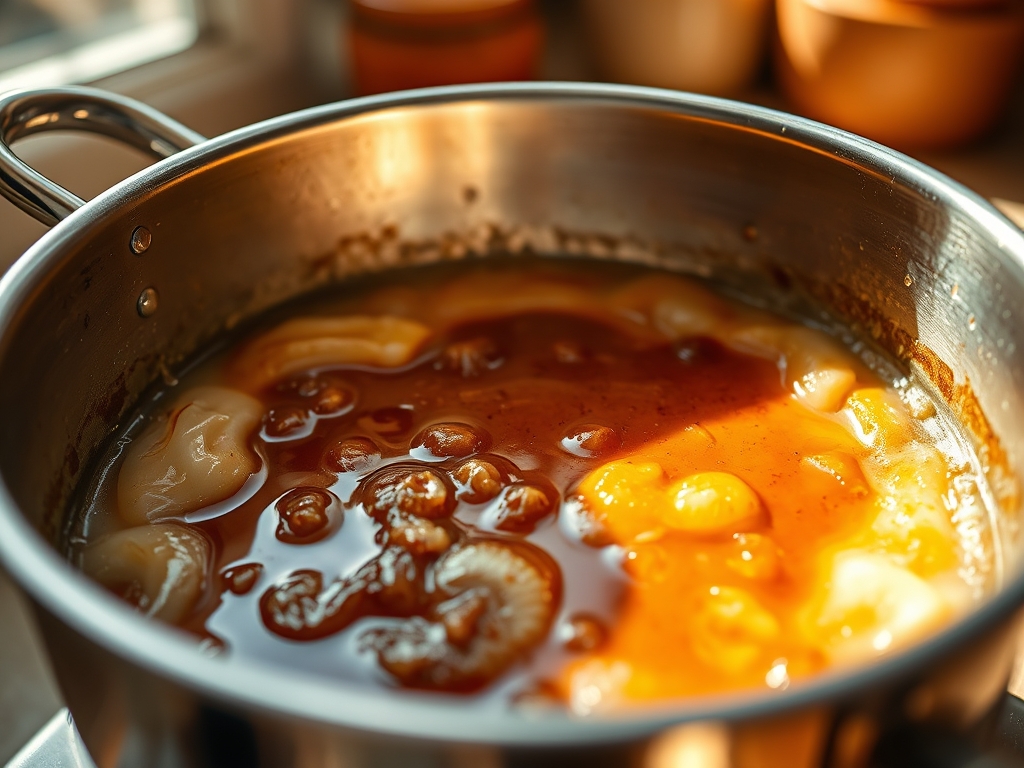
In a heavy-bottomed saucier, melt the butter for the glaze. Whisk in the brown sugar, salt, and heavy cream. Simmer for two minutes until the mixture is glossy and the sugar has fully dissolved into the lipid phase. Pour this into a 9×13 inch baking pan and scatter the pecans evenly.
Pro Tip: Do not over-boil the glaze. We are aiming for a specific Sticky Bun Viscosity that allows the caramel to remain fluid at room temperature. Over-cooking will lead to hard-crack stage candy, making the buns impossible to remove from the pan.
4. The Roll and Precision Cut
Punch down the risen dough and roll it into a 12×18 inch rectangle on a floured surface. Brush with melted butter and sprinkle with the cinnamon-sugar mix. Roll tightly from the long edge to create a uniform cylinder.
Pro Tip: Use a bench scraper to ensure the dough does not stick to the counter. For the cleanest cuts without squishing the delicate air pockets, use unflavored dental floss or a very sharp serrated knife to segment the log into 12 even pieces.
5. The Secondary Proof and Thermal Execution
Place the rolls cut-side down into the prepared pan. Cover and let rise for another 45 minutes. Bake at 350 degrees Fahrenheit for 25 to 30 minutes until the tops are deep golden brown and the internal temperature reaches 190 degrees Fahrenheit.
Pro Tip: Use an instant-read thermometer to check the center. If you pull them too early, the interior will be gummy. If you wait too long, the sugar at the bottom will burn, creating a bitter, acrid flavor profile.
Section B: Prep & Timing Fault-Lines:
The biggest human error in this protocol is impatience. If you roll the dough while it is too warm, it will be floppy and difficult to manage. If the room is too cold, the proofing will take hours, leading to a lack of volume. If you forget to flip the buns immediately after they exit the oven, the caramel will cool and act as a permanent adhesive, locking your breakfast into the pan forever. You have a three-minute window post-bake to invert that pan onto a serving platter.
THE VISUAL SPECTRUM
Section C: Thermal & Visual Troubleshooting:
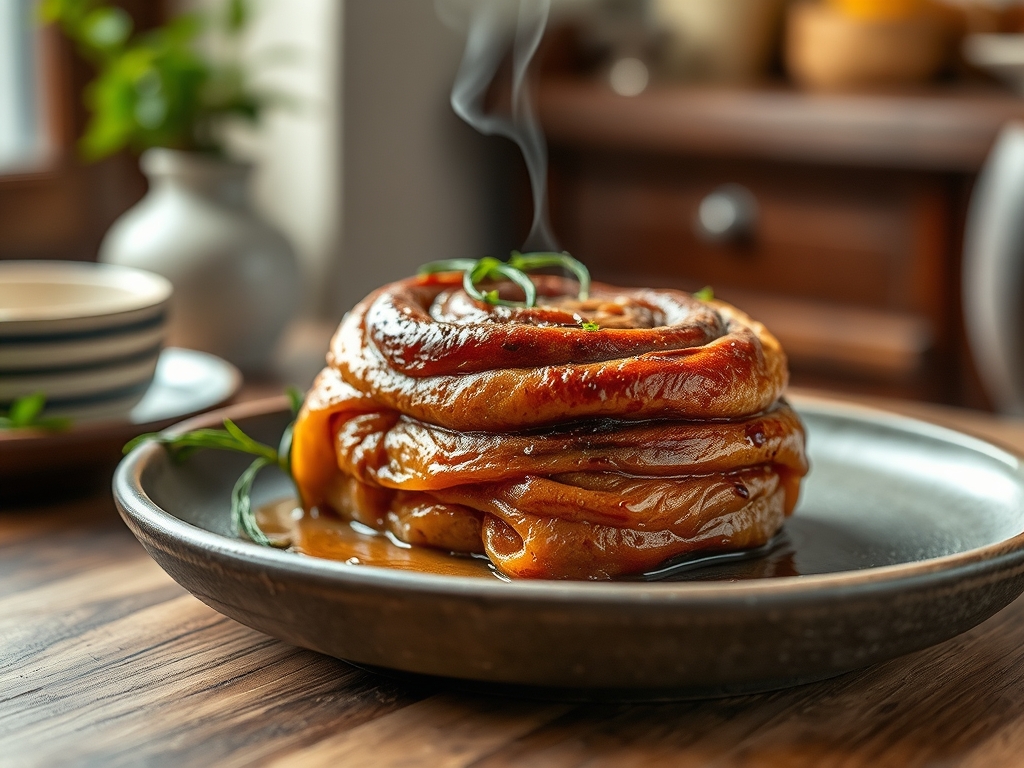
Referencing our technical photo, the buns should exhibit a "shatter-glass" sheen on the pecans, indicating the sugar has reached the proper stage of sucrose lipid caramelization. If your buns look dull or matte, the sugar did not fully dissolve or the butter-to-sugar ratio was skewed toward the solids. If the browning is uneven, your oven likely has "hot spots." Rotate the pan 180 degrees halfway through the bake to ensure a uniform Maillard reaction. If the center rolls are pale while the edges are dark, your pan material is likely too thin; use a heavy ceramic or cast-iron vessel for better heat distribution.
THE DEEP DIVE
Macro Nutrition Profile:
These are high-density energy units. Each bun contains approximately 450 calories, 22g of fat, 58g of carbohydrates, and 6g of protein. This is fuel for a marathon, or perhaps just a very intense Sunday morning.
Dietary Swaps:
For a vegan iteration, substitute the butter with a high-quality vegan block (ensure it has a high fat content) and use oat milk and a flax-egg replacement. For a gluten-free version, use a 1-to-1 gluten-free flour blend with added xanthan gum, though the Sticky Bun Viscosity may require more cream to compensate for the flour's higher absorption rate.
Meal Prep & Reheating Science:
To maintain the molecular structure, do not microwave these on high power. The rapid agitation of water molecules will turn the bread tough and the caramel into a liquid mess. Reheat in a 300-degree oven for 10 minutes to gently infuse heat back into the core without compromising the crumb.
THE KITCHEN TABLE
How do I fix a broken caramel glaze?
If the butter separates, whisk in a tablespoon of hot water or heavy cream. This re-introduces an emulsifier and helps the lipids bind back to the sugar solids, restoring the desired glossy finish.
Why did my buns pull apart during baking?
This usually indicates a "loose roll." If the tension is not maintained while rolling the dough log, the steam will push the layers apart rather than lifting the entire structure upward.
Can I use bread flour instead of all-purpose?
Yes. Bread flour has a higher protein content which creates a more "chewy" texture. This is excellent for structural integrity but may require a slightly longer proofing time due to the stronger gluten.
What is the best way to store leftovers?
Wrap them tightly in foil and keep at room temperature for up to two days. Avoid the refrigerator; the cold air accelerates starch retrogradation, which makes the bread go stale significantly faster.