Listen up, kitchen operatives. We are moving beyond the amateur realm of the greasy, oil-logged sponge. If your fried dough feels like a heavy weight in the gut, you have failed the fundamental engineering test of pastry. We are here to master Doughnut Dough Logic; a rigorous framework where hydration, protein structure, and thermal kinetics converge to create a barrier of defiance against the fryer. The goal is a crumb that is light, airy, and structurally sound, protected by a golden exterior that refuses to succumb to lipid infiltration. We want a crust that shatters under the tooth while the interior remains a cloud of fermented perfection. This is not just baking; it is a tactical deployment of yeast and heat. We are building a fortress of gluten that allows steam to escape while keeping the fat on the outside where it belongs. If you are ready to stop making oil-soaked mistakes and start producing professional-grade pastry, then grab your digital scale. The audit begins now.
THE DATA MATRIX
| Metric | Specification |
|---|---|
| Prep Time | 25 Minutes (Active) + 2 Hours (Proofing) |
| Execution Time | 15 Minutes |
| Yield | 12 Standard Units |
| Complexity (1-10) | 7 |
| Estimated Cost per Serving | $0.45 USD |
THE GATHERS
Ingredient Protocol:
- 500g / 4 cups Bread Flour (High Protein)
- 250ml / 1 cup Whole Milk (Lukewarm)
- 75g / 6 tbsp Unsalted Butter (Room Temperature)
- 50g / 0.25 cup Granulated Sugar
- 10g / 2 tsp Fine Sea Salt
- 7g / 2.25 tsp Instant Yeast
- 2 Large Eggs (Room Temperature)
- 2L / 8 cups High-Smoke Point Neutral Oil (Rice Bran or Peanut)
Section A: Ingredient Quality Audit:
If your flour has a protein content below 12 percent, your dough will lack the tensile strength to hold air, leading to a collapsed, oily mess. Fix: Supplement with 10g of vital wheat gluten. If your yeast is sluggish or expired, the dough will not aerate properly, resulting in a dense puck. Fix: Always bloom yeast in warm milk first to verify activity. Using cold eggs or butter will break your emulsion and stunt the fermentation. Fix: Use a warm water bath to bring ingredients to 21 degrees Celsius before mixing.
THE MASTERCLASS
1. The Hydration and Autolyse
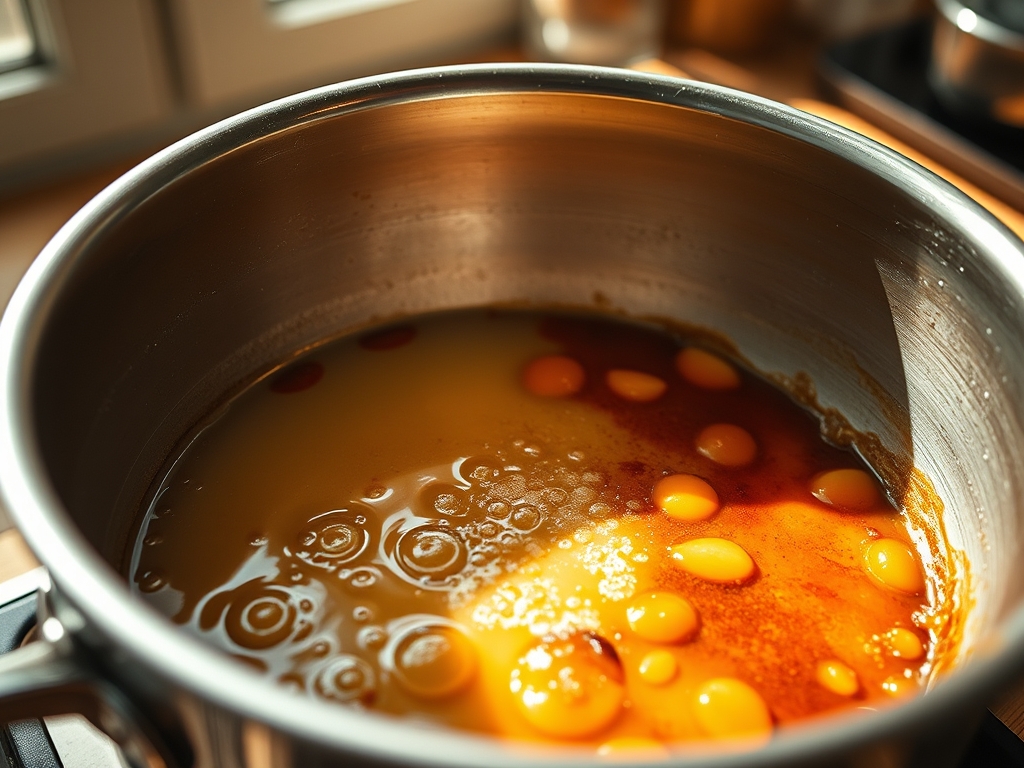
Combine your flour, sugar, and yeast in the bowl of a stand mixer. Slowly infuse the warm milk and eggs into the dry matrix. Mix on low speed until a shaggy mass forms. Let this sit for ten minutes to allow the flour to fully hydrate before adding salt or fat.
Pro Tip: Use a digital scale for this step. Volumetric measurements are the enemy of consistency. Proper hydration ensures the starch granules swell, creating the foundation for Doughnut Dough Logic.
2. Developing the Gluten Fortress
Add the salt and begin kneading on medium speed. Gradually incorporate the softened butter one tablespoon at a time. Continue kneading until the dough is smooth, elastic, and passes the "windowpane test" where it can be stretched thin without tearing.
Pro Tip: A bench scraper is essential here to manage the dough without adding excess flour. Over-flouring during the knead will make the final product tough and dry rather than light and viscous.
3. The Controlled Fermentation
Place the dough in a lightly oiled bowl and cover. Allow it to rise at 24 degrees Celsius until doubled in size. This is where the yeast works to aerate the structure, creating the internal pressure needed to resist oil during frying.
Pro Tip: Use a straight-sided fermentation bucket to accurately track volume. If the dough over-proofs, the structure weakens and will absorb oil like a sponge.
4. Precision Shaping and Final Proof
Punch down the dough and roll it out to a 1.5cm thickness. Use a sharp cutter to stamp out your rounds. Place them on individual squares of parchment paper to prevent deflation during handling. Cover and let rise for another 45 minutes.
Pro Tip: Handling the dough with your hands can cause localized deflation. Using individual parchment squares allows you to drop the dough into the fryer without touching it, preserving the delicate gas bubbles.
5. The Thermal Strike
Heat your oil to exactly 175 degrees Celsius. Carefully lower the dough into the fat. Fry for 90 seconds per side until a deep golden brown. The rapid expansion of steam inside the dough creates a positive pressure gradient that keeps the oil out.
Pro Tip: Use an infrared thermometer or a clip-on probe to monitor oil temperature constantly. If the temperature drops below 170 degrees, the oil will penetrate the crust before it can set.
Section B: Prep & Timing Fault-Lines:
The biggest human error is rushing the final proof. If the dough is under-proofed, it will be too dense to float, causing it to sit in the oil and saturate. Conversely, if you let it proof in a room that is too hot, the butter will render out of the dough before it even hits the fryer. Maintain a strict 24-degree environment for optimal results.
THE VISUAL SPECTRUM
Section C: Thermal & Visual Troubleshooting:
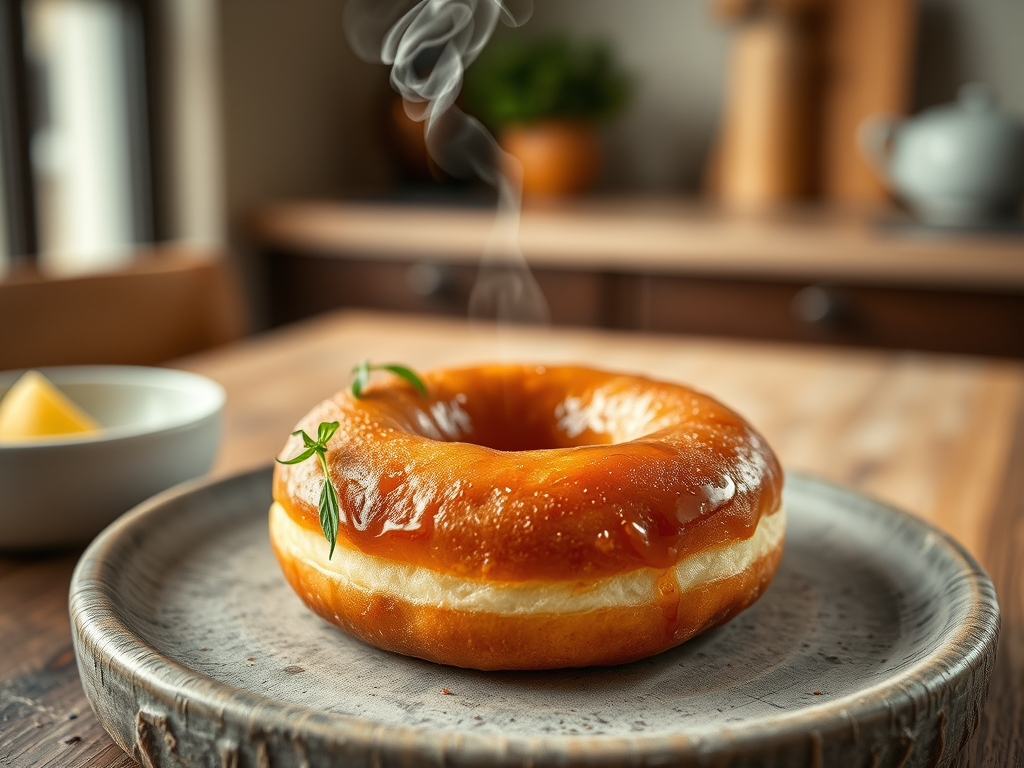
Referencing the Masterclass photo, you are looking for a distinct "white ring" around the center of the doughnut. This indicates the dough was light enough to float high in the oil. If your doughnuts are dark brown and heavy, your oil was too hot, causing the sugars to caramelize before the interior cooked. If they are pale and greasy, your oil was too cold. A dull, matte finish suggests the dough was over-proofed and lost its surface tension. The ideal specimen should have a slight sheen and a crisp, taut skin that yields to a soft, springy interior.
THE DEEP DIVE
Macro Nutrition Profile:
A single 60g serving contains approximately 240 calories; 12g Fat, 28g Carbohydrates, and 5g Protein. The high protein content is a functional necessity for structure, not just nutrition.
Dietary Swaps:
- Vegan: Substitute milk with oat milk and butter with a high-quality vegan block butter (ensure it has a high fat-to-water ratio). Use flax-meal "eggs" to maintain binding.
- Keto/GF: This is difficult as Doughnut Dough Logic relies on gluten. Use a blend of almond flour, xanthan gum, and psyllium husk to mimic the protein matrix, though the texture will be more cake-like.
Meal Prep & Reheating Science:
To maintain the molecular structure, never microwave a fried doughnut; this turns the starch "rubbery" through rapid moisture migration. Instead, use an air fryer at 160 degrees Celsius for 2 minutes to re-crisp the exterior and gently warm the interior without further oil absorption.
THE KITCHEN TABLE
Why is my dough so sticky?
High hydration is necessary for a light crumb. Resist the urge to add flour; instead, use a bench scraper and cold fermentation to make the dough more manageable without compromising the final texture.
Can I use a saucier for frying?
A saucier has sloped sides which are excellent for whisking, but for frying, a heavy-bottomed Dutch oven is superior. The high thermal mass helps maintain a constant temperature when the cold dough is introduced.
How do I get a piquant flavor?
Add a teaspoon of lemon zest or a pinch of nutmeg to the dry mix. These aromatic compounds survive the frying process and provide a bright contrast to the rich, fatty exterior of the pastry.
What is the best way to drain them?
Place the fried dough on a wire cooling rack over a sheet pan. Do not use paper towels; they trap steam against the bottom of the doughnut, which turns the crust soggy and forces oil back into the crumb.