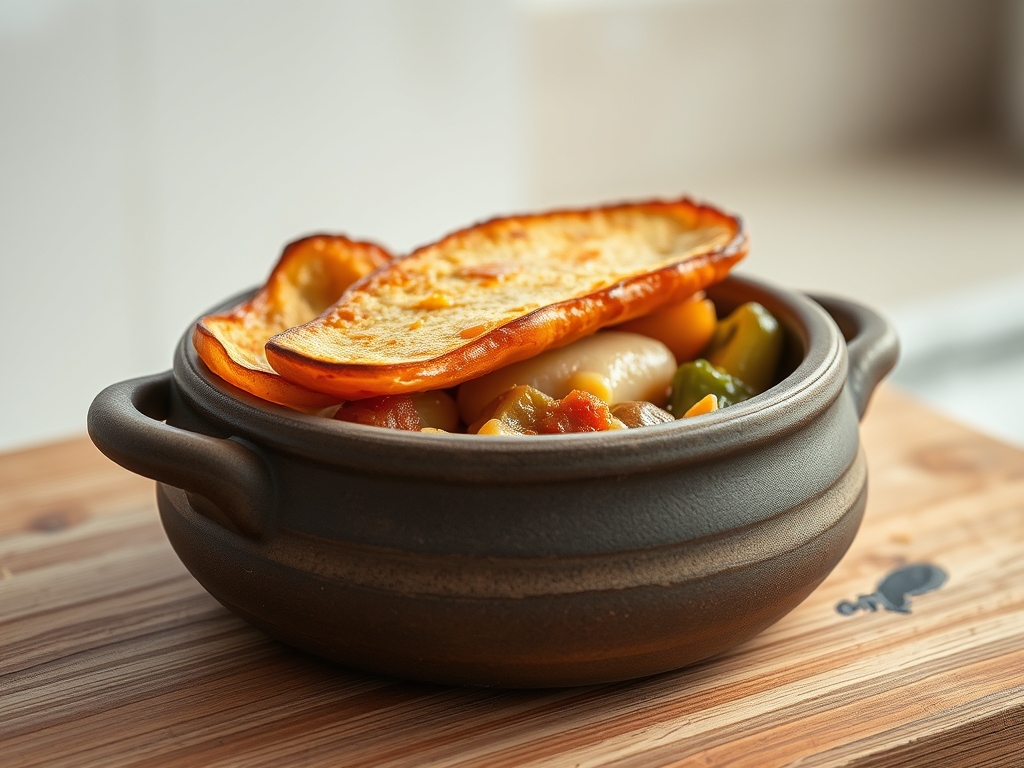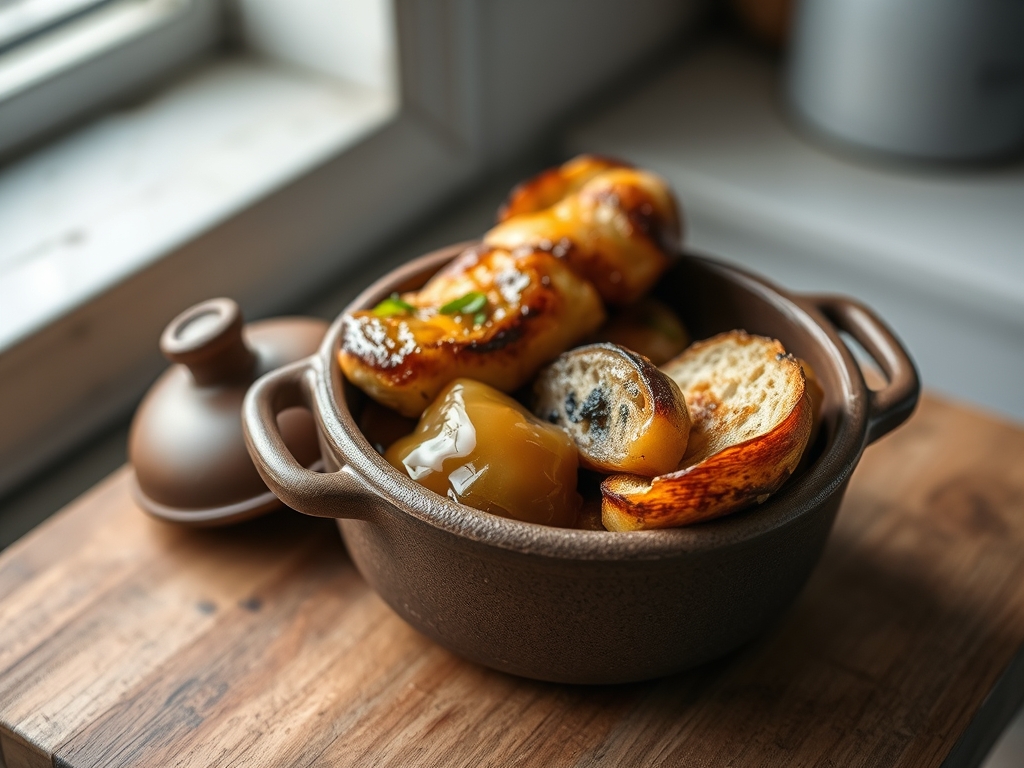
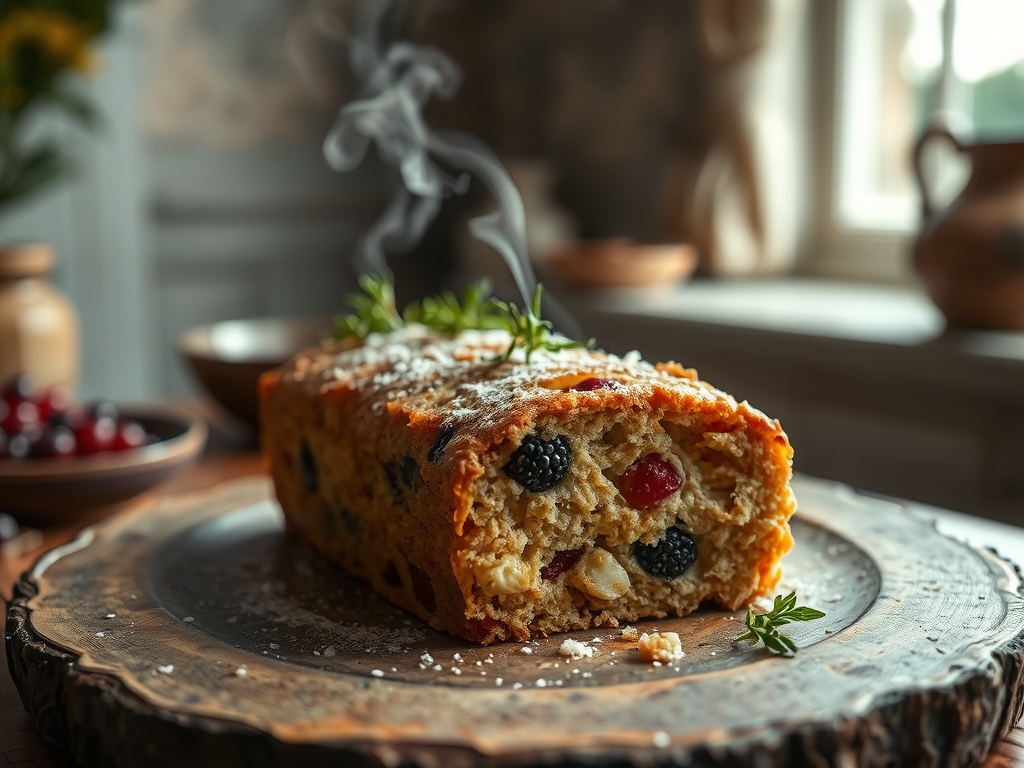
Imagine a tectonic shift in your holiday baking repertoire where the crust is merely a structural cage for a dense, alcohol-soaked mineral deposit of sugar and spice. We are talking about the heavy-duty architecture of the Dresden-style masterpiece. This is not a fluffy brioche; it is a high-density delivery system for the ultimate Stollen Fruit Load. When you slice into a properly engineered loaf, the cross-section should look like a stained-glass window shattered and reconstituted with butter. The aroma is a violent collision of Jamaican rum, citrus oils, and toasted marzipan that demands immediate sensory submission. If your current holiday bread feels light or airy, you have failed the structural integrity test. We are here to audit your process and ensure that every cubic centimeter of dough is saturated with macerated treasures. We are building a loaf that feels heavy enough to serve as a doorstop but tastes like a refined symphony of fermentation and fat. Prepare to recalibrate your expectations of what a fruit-to-dough ratio actually looks like.
THE DATA MATRIX
| Metric | Value |
|---|---|
| Prep Time | 24 Hours (Maceration Included) |
| Execution Time | 4 Hours |
| Yield | 2 Large Loaves |
| Complexity (1-10) | 8 |
| Estimated Cost per Serving | $2.75 |
THE GATHERS
Ingredient Protocol:
- 500g / 4 cups All-Purpose Flour (High protein preferred)
- 10g / 2 tsp Instant Yeast
- 200ml / 0.85 cup Whole Milk (Lukewarm)
- 250g / 1.1 cups Unsalted Butter (Room temperature)
- 75g / 0.3 cup Granulated Sugar
- 500g / 3 cups Raisins or Sultanas
- 150g / 1 cup Candied Orange and Lemon Peel (Diced)
- 100g / 0.75 cup Sliced Almonds
- 100ml / 0.4 cup Dark Rum
- 5g / 1 tsp Salt
- 200g / 7 oz High-Quality Marzipan
- 150g / 0.6 cup Melted Butter (For finishing)
- 200g / 1.5 cups Powdered Sugar (For the snow coat)
Section A: Ingredient Quality Audit:
The primary failure point in a high-density Stollen Fruit Load is the moisture content of the fruit. If your raisins are desiccated, they will rob the dough of hydration; resultantly, the crumb will crumble into dust. Fix: Rehydrate subpar fruit in a saucier over low heat with the rum until they are plump and viscous. Conversely, if the candied peel tastes like medicinal plastic, it will ruin the entire profile. Always source peel that is preserved in sugar syrup rather than chemicals. If the marzipan feels grainy, it lacks the necessary almond oil content. You can rescue dry marzipan by kneading in a few drops of rosewater or simple syrup to restore its elasticity before it becomes the core of your loaf.
THE MASTERCLASS
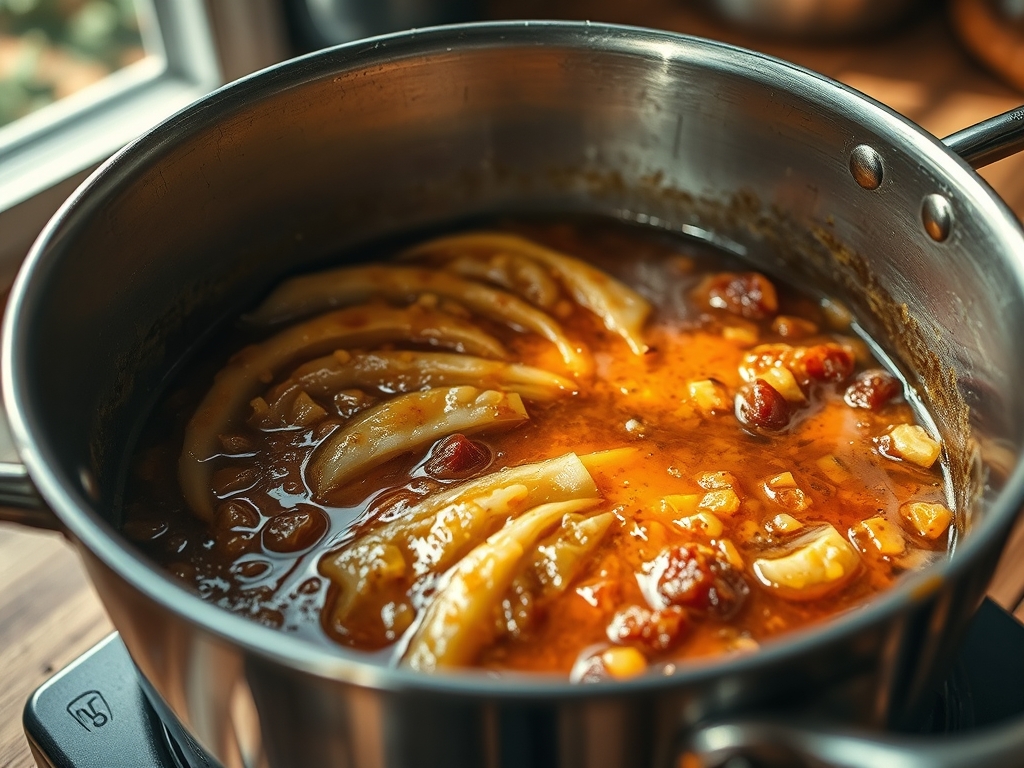
Step 1: The Maceration Protocol
Twenty-four hours before the bake, combine your raisins, citrus peel, and almonds in a non-reactive bowl with the rum. Toss them thoroughly to ensure every surface is coated. This is not just for flavor; it prevents the fruit from burning during the bake by lowering its surface temperature through alcohol evaporation.
Pro Tip: Use a digital scale to measure the rum precisely. Excess liquid will compromise the gluten structure, while too little will result in a dry Stollen Fruit Load. The science here involves osmotic pressure, where the fruit absorbs the spirit to reach equilibrium.
Step 2: The Sponge Foundation
In a small bowl, whisk the warm milk with the yeast and a tablespoon of the sugar. Let it sit until it begins to aerate and foam. In your main mixing bowl, combine the flour and the remaining sugar. Pour the yeast mixture into a well in the center and mix slightly to create a thick paste. Let this "pre-dough" rest for 30 minutes.
Pro Tip: This step allows the yeast to wake up in a low-sugar environment before being overwhelmed by the massive fat and fruit content. Professional bakers use this preferment to build CO2 strength.
Step 3: Incorporating the Lipid Load
Add the softened butter and salt to the flour mixture. Using a stand mixer with a dough hook or a sturdy bench scraper for hand-mixing, work the dough until it is smooth and elastic. It will feel much heavier and stickier than standard bread dough due to the high butter-to-flour ratio.
Pro Tip: This is an emulsification process. You are forcing a high volume of fat into a protein matrix. Keep the dough temperature below 75 degrees Fahrenheit to prevent the butter from "breaking" and leaking out of the dough.
Step 4: The High-Density Inclusion
Fold the macerated fruit mixture into the dough. This is a physical challenge; the volume of fruit will nearly equal the volume of dough. Work the inclusions in until they are evenly distributed. Do not overwork the dough at this stage, or you will crush the fruit and discolor the crumb.
Pro Tip: Use a bench scraper to lift and fold the heavy mass. The goal is to maximize the Stollen Fruit Load without tearing the delicate gluten strands you developed in Step 3.
Step 5: The Marzipan Core and Shaping
Divide the dough into two equal portions. Roll each into an oval. Create a trench down the center with the side of your hand. Roll the marzipan into a log and place it in the trench. Fold the dough over the marzipan, but offset it slightly to create the traditional humped shape.
Pro Tip: The marzipan acts as a thermal heat sink, keeping the center of the loaf moist while the exterior carmelizes. Ensure the marzipan is centered to prevent the loaf from toppling during the final proof.
Step 6: The Thermal Transformation
Bake at 350 degrees Fahrenheit for approximately 40 to 50 minutes. The loaf should be a deep golden brown. Immediately upon removal from the oven, brush the entire surface with a generous amount of melted butter and roll it in powdered sugar.
Pro Tip: This butter-sugar coating creates an hermetic seal. As the butter cools and the sugar crystallizes, it prevents oxygen from reaching the bread, allowing it to age and infuse for weeks without spoiling.
Section B: Prep & Timing Fault-Lines:
The most common human error is rushing the final proof. Because the Stollen Fruit Load is so heavy, the yeast has to work through a dense forest of inclusions. If you bake too early, the loaf will crack violently. Use a digital thermometer to ensure the internal temperature reaches 190 degrees Fahrenheit. If the oven is too hot, the exterior will undergo the Maillard reaction too quickly, leaving the center doughy and raw.
THE VISUAL SPECTRUM
Section C: Thermal & Visual Troubleshooting:
Referencing the Masterclass photo, your Stollen should exhibit a rugged, craggy exterior with visible fruit poking through. If the loaf looks "bald" or overly smooth, you haven't achieved the necessary fruit density. If the powdered sugar looks yellow or damp, you applied it while the loaf was too hot or didn't use enough butter as a primer. A perfect loaf has a "snow-capped" appearance that is dry to the touch. If you see dark, bitter spots, those are burnt raisins; next time, ensure all surface fruit is tucked slightly under a thin layer of dough before baking.
THE DEEP DIVE
Macro Nutrition Profile:
This is a high-caloric density food designed for winter survival. A single slice contains approximately 350 calories, 15g of fat, and 45g of carbohydrates. It is rich in potassium from the raisins and healthy fats from the almonds and marzipan.
Dietary Swaps:
- Vegan: Substitute the butter with a high-fat vegan block (like cocoa butter-based spreads) and use oat milk.
- Keto: This is nearly impossible due to the fruit, but a "Stollen-style" loaf can be made with almond flour, erythritol, and sugar-free dried cranberries.
- GF: Use a high-quality 1-to-1 gluten-free flour blend with added xanthan gum to support the heavy fruit load.
Meal Prep & Reheating Science:
Stollen is the ultimate meal-prep bread because it actually improves with age. Store in a cool, dry place wrapped in foil for at least two weeks before eating. To reheat, toast a slice lightly to render the butter and soften the marzipan core.
THE KITCHEN TABLE
Why is my Stollen so dry?
You likely overbaked it or failed to soak the fruit. The Stollen Fruit Load requires the raisins to act as internal moisture reservoirs. Use a thermometer to hit exactly 190 degrees Fahrenheit.
Can I use fresh fruit instead?
Absolutely not. Fresh fruit will release too much moisture during the bake; resultantly, the structural integrity will collapse and the dough will become a soggy, fermented mess. Stick to dried and candied varieties.
How long does it actually stay fresh?
When properly sealed in a butter and sugar crust, a Stollen can last up to three months. The sugar acts as a natural preservative while the rum-soaked fruit prevents microbial growth.
Why did my marzipan melt away?
You likely used "almond paste" instead of "marzipan." Almond paste has a higher moisture and lower sugar content, causing it to dissolve into the dough rather than remaining a distinct, creamy core.