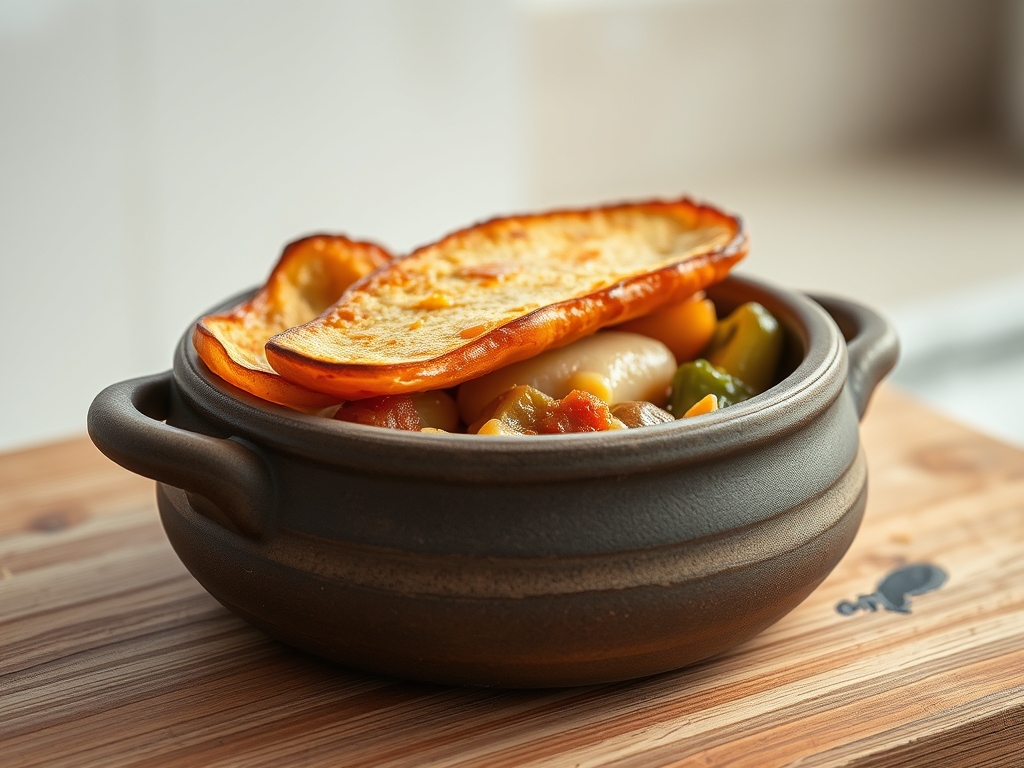

The scent of toasted nuttiness hits the olfactory bulb before the first wisp of steam even clears the skillet. This is not your average breakfast pancake; this is the Buckwheat Galette, a masterclass in rustic structural engineering and earthy complexity. We are dealing with a pseudo-cereal that demands respect and a specific thermal environment to thrive. When the batter hits the seasoned surface, a violent hiss signals the rapid evaporation of moisture, leaving behind a delicate, lacy lattice known as the "kraz." It is a sensory assault of browned butter and deep, mineral-rich flour that bridges the gap between peasant sustenance and high-culinary art. If you are looking for a soggy, flavorless wrap, turn back now. We are here to audit the integrity of the galette, ensuring every square centimeter provides a crisp, savory snap followed by a tender, nutty interior. This is a technical pursuit of the perfect Maillard reaction, where the absence of gluten creates a fragile yet formidable vessel for the most piquant fillings imaginable.
THE DATA MATRIX
| Metric | Specification |
|---|---|
| Prep Time | 10 Minutes (plus 2-hour rest) |
| Execution Time | 20 Minutes |
| Yield | 6 to 8 Galettes |
| Complexity | 7 / 10 |
| Estimated Cost per Serving | $1.25 – $1.75 |
THE GATHERS
Ingredient Protocol:
- 330g / 2.5 cups Buckwheat Flour (preferably stone-ground)
- 750ml / 3.1 cups Filtered Water
- 10g / 2 tsp Coarse Sea Salt
- 1 Large Egg (Grade A Large)
- 50g / 3.5 tbsp Unsalted Butter (for the pan)
- Optional: 5ml / 1 tsp Honey (to accelerate browning)
Section A: Ingredient Quality Audit:
The primary failure point in a Buckwheat Galette is the age of the flour. Buckwheat contains volatile oils that turn rancid and bitter if stored at room temperature for too long. If your flour smells like old cardboard, the audit fails immediately. Technical Fix: Store your flour in the freezer to preserve the floral, nutty notes. Another common issue is "hard" tap water, which can interfere with the hydration of the starches. Use filtered water to ensure a clean flavor profile. If your batter feels too viscous, it is likely due to the high fiber content of a specific brand; incrementally add water until it reaches the consistency of heavy cream.
THE MASTERCLASS
1. Hydration and Aeration Strategy
Combine the buckwheat flour and sea salt in a large stainless steel mixing bowl. Using a balloon whisk, create a well in the center and add the egg and half of the water. Vigorously whisk the center, gradually drawing in the flour to prevent clumping. Once a thick paste forms, slowly infuse the remaining water.
Pro Tip: Use a digital scale for the water rather than a measuring cup to ensure a precise 1:2.2 ratio of flour to liquid. Aerating the batter by hand for five minutes introduces micro-bubbles that improve the final "lace" texture.
2. The Molecular Rest
Cover the batter and allow it to sit at room temperature for at least two hours, though overnight in the refrigerator is superior. This allows the starch granules to fully swell and the proteins to relax, ensuring the batter does not seize when it hits the heat.
Pro Tip: During the rest, the batter may thicken as the fiber absorbs moisture. Use a silicone spatula to check the flow; it should pour in a continuous, thin stream. If it glugs, whisk in an additional 15ml of water.
3. Thermal Calibration
Place a heavy-bottomed crepe pan or a well-seasoned cast iron skillet over medium-high heat. You are looking for a surface temperature of approximately 200C (400F). Test the heat by flicking a drop of water onto the surface; it should dance and evaporate instantly.
Pro Tip: Use an infrared thermometer to verify heat consistency across the entire pan surface. Hot spots lead to uneven browning and structural failure during the flip.
4. The Pour and Spread
Lightly coat the pan with a thin layer of butter using a pastry brush. Lift the pan off the heat and pour a 60ml (1/4 cup) ladle of batter into the center. Quickly tilt and rotate the pan to spread the batter into a thin, even circle.
Pro Tip: Professional "galettiers" use a rozell (a T-shaped wooden spreader) to achieve paper-thin results. If using a pan-tilt method, speed is essential before the starches gelatinize and lock in place.
5. Rendering and Crisping
Return the pan to the heat. Cook for 60 to 90 seconds until the edges begin to curl and lift from the pan. The bottom should be deeply browned with a visible "lace" pattern. Slide a thin offset spatula or a bench scraper under the edges to ensure it is loose.
Pro Tip: This is where you render the butter into the batter. Adding a small knob of butter around the edges during the final 30 seconds of cooking creates a fried, shatteringly crisp perimeter.
Section B: Prep & Timing Fault-Lines:
Timing is the silent killer of the Buckwheat Galette. If you flip too early, the lack of gluten will cause the crepe to disintegrate. If you flip too late, the galette becomes brittle and cracks when folded. Technical Fix: Watch for the "matte" finish on the top surface. Once the liquid sheen disappears and the edges turn bronze, the structural matrix is set. If the kitchen is too cold, your batter will be sluggish; ensure all ingredients, especially the egg, are at room temperature before mixing.
THE VISUAL SPECTRUM
Section C: Thermal & Visual Troubleshooting:
Referencing the Masterclass photo, a successful audit results in a "leopard-spotted" underside. If your galette is a uniform, pale tan, your pan temperature was too low, failing to trigger the Maillard reaction. If the galette features large, unsightly bubbles, you likely over-aerated the batter or used too much leavening (if any was added). A dull, grey color indicates poor quality flour or a lack of salt. The salt does more than season; it tightens the starch network. If the galette is "gummy" in the center despite being browned, the batter was poured too thick. Aim for a thickness that allows light to partially penetrate the lacy holes when held up to a window.
THE DEEP DIVE
Macro Nutrition Profile:
Buckwheat is a nutritional powerhouse, offering a complete amino acid profile. A single plain galette typically contains 120 calories, 4g of protein, 2g of fiber, and is rich in magnesium and manganese. It has a low glycemic index, making it an ideal fuel source for sustained energy without the insulin spikes associated with refined wheat flour.
Dietary Swaps:
- Vegan: Replace the egg with 15ml of aquafaba or a "flax egg." The structural integrity will be slightly more fragile, so handle with care.
- Keto: True buckwheat is a pseudo-cereal and contains carbs. For a keto-adjacent version, blend almond flour with psyllium husk, though the flavor profile will shift significantly.
- GF: Buckwheat is naturally gluten-free; however, cross-contamination is common. Always verify the "Certified Gluten-Free" label on the packaging.
Meal Prep & Reheating Science:
To maintain the molecular structure, stack cooked galettes between sheets of parchment paper. To reheat, avoid the microwave, which turns the starches rubbery and steamed. Instead, use a dry skillet over medium heat to re-crystallize the exterior fats and restore the "snap."
THE KITCHEN TABLE
Why does my first galette always fail?
The first pour usually acts as a "sacrificial" seasoning for the pan. It regulates the surface temperature and mops up excess fat. Adjust your heat based on this result and proceed with confidence.
Can I use a regular non-stick frying pan?
Yes, but the thermal mass of cast iron or carbon steel provides a superior crust. Non-stick pans often lack the high-heat retention required for the characteristic lacy texture of a professional Buckwheat Galette.
My batter is separating after sitting. Is it ruined?
Not at all. Buckwheat solids are heavy and naturally settle at the bottom. Simply use your whisk to gently re-incorporate the mixture before you begin the cooking process.
What is the best way to fold them?
The "complete" style is classic; place your fillings in the center, then fold the four sides inward to create a square frame, leaving the heart of the fillings visible for a professional presentation.