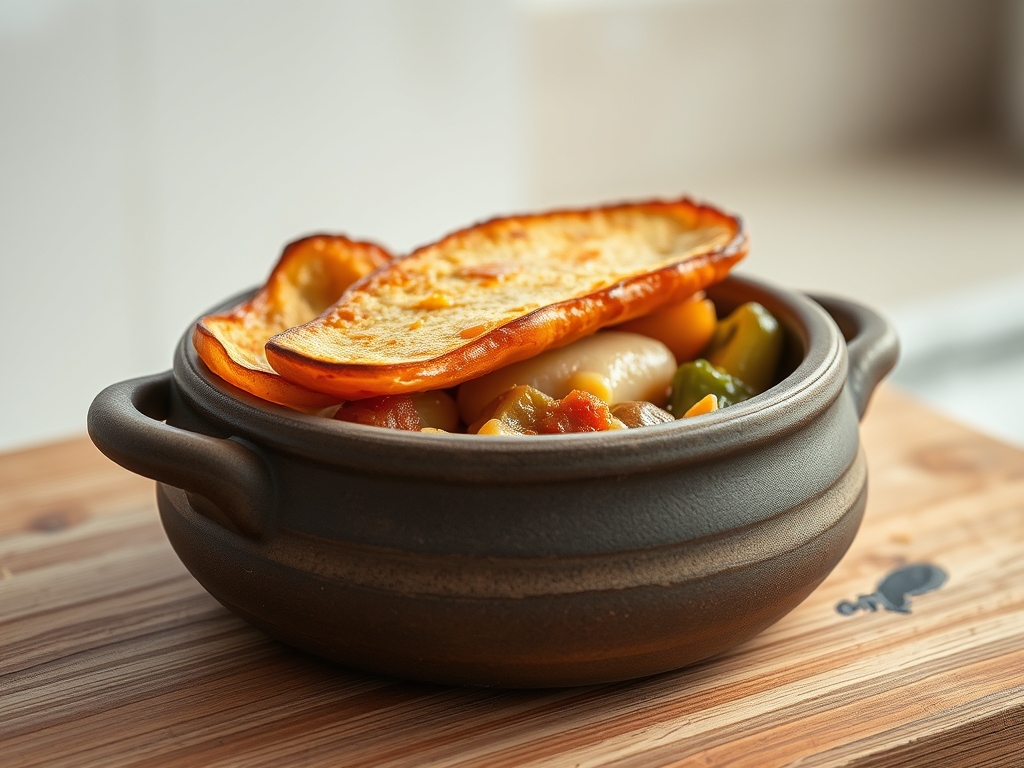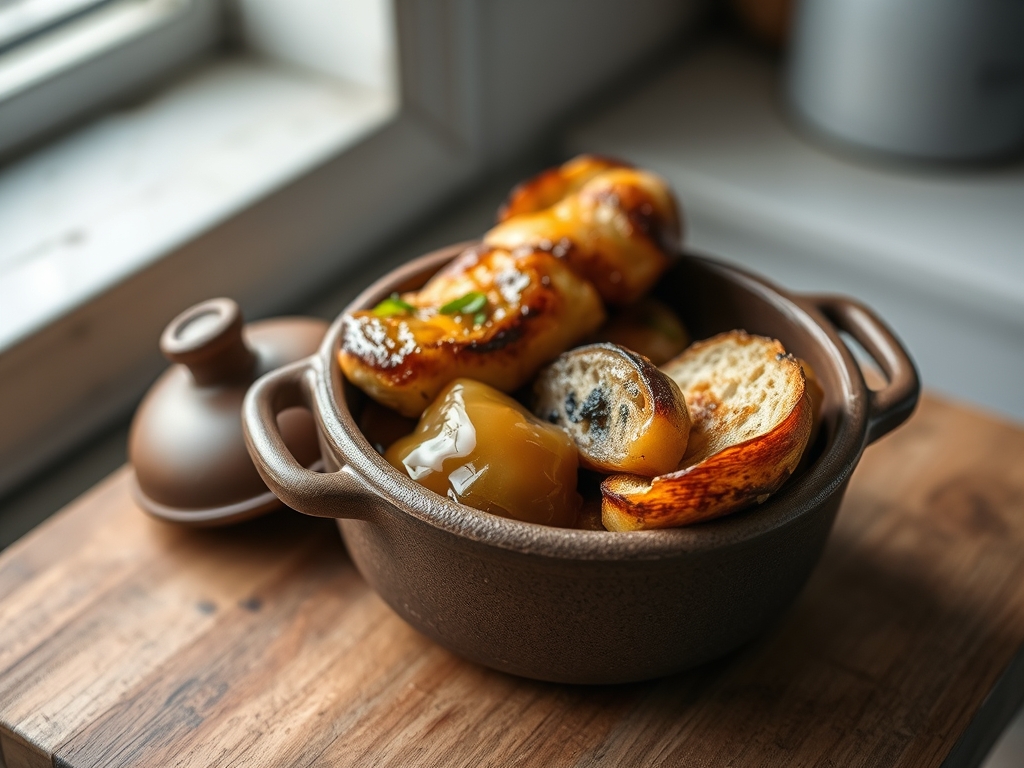
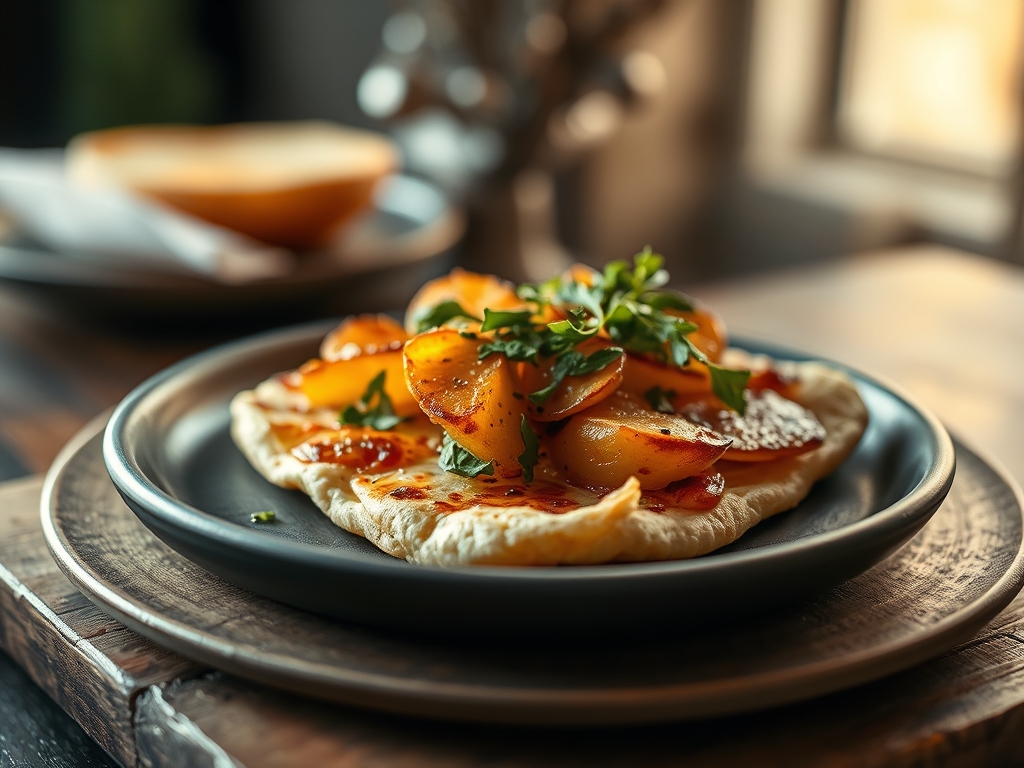
The smell of toasted starch and caramelizing sugars is not just a culinary byproduct; it is a successful diagnostic report. We are entering the realm of tuber-based structural engineering. Forget the limp, uninspired wraps of your past. This Yucca Flatbread Audit demands a total recalibration of your understanding of elasticity and crumb. Cassava is a high-performance carbohydrate engine that requires precise thermal management to achieve its final, glorious form. We are looking for that specific golden-brown topography where the surface is shatter-crisp while the interior remains supple and chewy. This is the intersection of ancient agricultural wisdom and modern molecular precision. If you treat your dough like a simple mixture, you will fail. If you treat it like a pressurized hydraulic system, you will conquer the kitchen. We are here to optimize every milligram of starch, ensuring that your final product is not just edible, but a structurally sound masterpiece of gluten-free architecture. Prepare your workspace; the audit begins now.
THE DATA MATRIX
| Metric | Specification |
|---|---|
| Prep Time | 20 Minutes |
| Execution Time | 15 Minutes |
| Yield | 6 Flatbreads |
| Complexity | 4/10 |
| Estimated Cost per Serving | $0.85 |
THE GATHERS
Ingredient Protocol:
- 500g / 2.5 cups Yucca (Cassava) root, peeled and cubed
- 5ml / 1 tsp Sea salt
- 30ml / 2 tbsp Extra virgin olive oil
- 15ml / 1 tbsp Garlic powder (optional for flavor profile)
- 60ml / 4 tbsp Filtered water (reserved for hydration adjustment)
- Grapeseed oil for the searing phase
Section A: Ingredient Quality Audit:
Sub-par raw materials are the primary cause of structural failure in tuber doughs. If your yucca root exhibits dark woody streaks or a viscous, slimy exterior after peeling, the starch has begun to ferment. This compromised cellular structure will prevent the dough from binding. To fix this, ensure you are sourcing firm, snow-white roots. If the dough feels overly gritty, your starch granules have not been sufficiently hydrated. The technical fix is to infuse the mash with a small amount of boiling water to gelatinize the surface area before the final knead. If the flavor is flat, the salt ratio is likely off; remember that starch absorbs sodium at a high rate, requiring a more aggressive seasoning profile to remain piquant.
THE MASTERCLASS
1. Thermal Softening and Starch Release
Place your cubed yucca into a heavy-bottomed saucier and cover with cold salted water. Bring to a hard boil and reduce to a simmer until the fork slides through with zero resistance.
Pro Tip: Boiling starting from cold water ensures the heat penetrates the dense core of the tuber at the same rate as the exterior, preventing a "raw heart" that would ruin your dough consistency. Use a digital scale to ensure your water-to-root ratio remains consistent.
2. The Mechanical Breakdown
Drain the yucca and immediately remove the fibrous woody core from the center of each piece. While the starch is still steaming, pass the root through a ricer or mash it aggressively until no lumps remain.
Pro Tip: Heat is your ally here. As the temperature drops, the starch begins to retrogradate, making it difficult to achieve a smooth emulsion. A bench scraper is excellent for folding the mash on a flat surface to ensure total uniformity.
3. Structural Integration and Hydration
Add your olive oil and salt to the warm mash. Knead the mixture by hand until it forms a cohesive, pliable ball that does not stick to your palms. If the mixture is too dry, add water 5ml at a time.
Pro Tip: You are looking for a specific viscous elasticity. The oil acts as a plasticizer, allowing the starch chains to slide past one another without tearing. This is where the "flatbread" gains its ability to fold without snapping.
4. Precision Portioning and Compression
Divide the dough into six equal spheres. Place each sphere between two sheets of parchment paper and use a heavy skillet or a tortilla press to flatten them into 6-inch discs.
Pro Tip: Consistent thickness is the key to even thermal distribution. If one side is thinner, it will over-caramelize before the center has a chance to aerate and puff.
5. The Maillard Execution
Heat a cast-iron skillet over medium-high heat. Add a thin film of grapeseed oil. Sear each flatbread for 2 to 3 minutes per side until deep golden blisters appear.
Pro Tip: Do not crowd the pan. Overcrowding drops the surface temperature, causing the dough to steam rather than sear. You want to render the surface fats quickly to lock in the internal moisture.
Section B: Prep & Timing Fault-Lines:
Timing is the silent killer in yucca processing. If you wait too long to mash the roots after boiling, the starch "locks" and you will end up with a grainy, crumbly texture that no amount of water can fix. Conversely, if you attempt to sear the dough while it is still too wet, the steam pressure will cause the flatbread to disintegrate. Always allow the pressed discs to rest for 5 minutes before hitting the pan; this allows the hydration to stabilize throughout the dough.
THE VISUAL SPECTRUM
Section C: Thermal & Visual Troubleshooting:
Referencing the Masterclass photo, your goal is a vibrant contrast between the pale dough and the charred "leopard spots." If your flatbread is a uniform, dull tan, your heat is too low; you are drying the bread out rather than searing it. If the edges are fraying and look like "lace," your dough lacks sufficient moisture or fat to hold the perimeter. A perfect audit result shows a slight puff in the center, indicating that the internal moisture has turned to steam and expanded the starch cells. If the color is greyish, the yucca was likely old or oxidized; always keep peeled yucca submerged in water until the moment of boiling.
THE DEEP DIVE
Macro Nutrition Profile:
Each flatbread provides approximately 180 calories, 38g of complex carbohydrates, 4g of healthy fats, and 2g of fiber. It is a high-energy fuel source with a low glycemic load compared to processed wheat flours.
Dietary Swaps:
- Vegan: Already compliant. Use avocado oil for a higher smoke point.
- Keto: This is a starch-heavy dish; there is no direct keto swap for yucca that maintains this specific molecular structure.
- GF: Naturally gluten-free.
Meal Prep & Reheating Science:
To maintain the molecular structure, store flatbreads with parchment separators in an airtight container. When reheating, avoid the microwave, which turns starch rubbery. Instead, use a dry pan or a toaster oven to re-crystallize the surface fats and restore the "shatter" of the crust.
THE KITCHEN TABLE
Why is my dough sticking to everything?
High moisture content or under-cooked yucca creates excess surface tack. Dust your hands with a tiny bit of cassava flour or increase the oil in your dough to improve the release properties during the kneading phase.
Can I use frozen yucca for this audit?
Yes. Frozen yucca is often pre-peeled and par-boiled, which can actually save time. Ensure it is fully thawed and patted dry before the primary boiling step to maintain water-ratio accuracy.
My flatbread is stiff like a cracker. What happened?
You likely overcooked it or rolled it too thin. The goal is a quick sear. If the bread spends too much time on the heat, all internal moisture evaporates, destroying the flexible starch bonds and leaving a brittle matrix.
Is the woody core really that important to remove?
Absolutely. The central vein of the yucca is pure cellulose fiber and will not break down. Leaving it in results in "splinters" in your dough, which is a catastrophic failure of the texture audit.