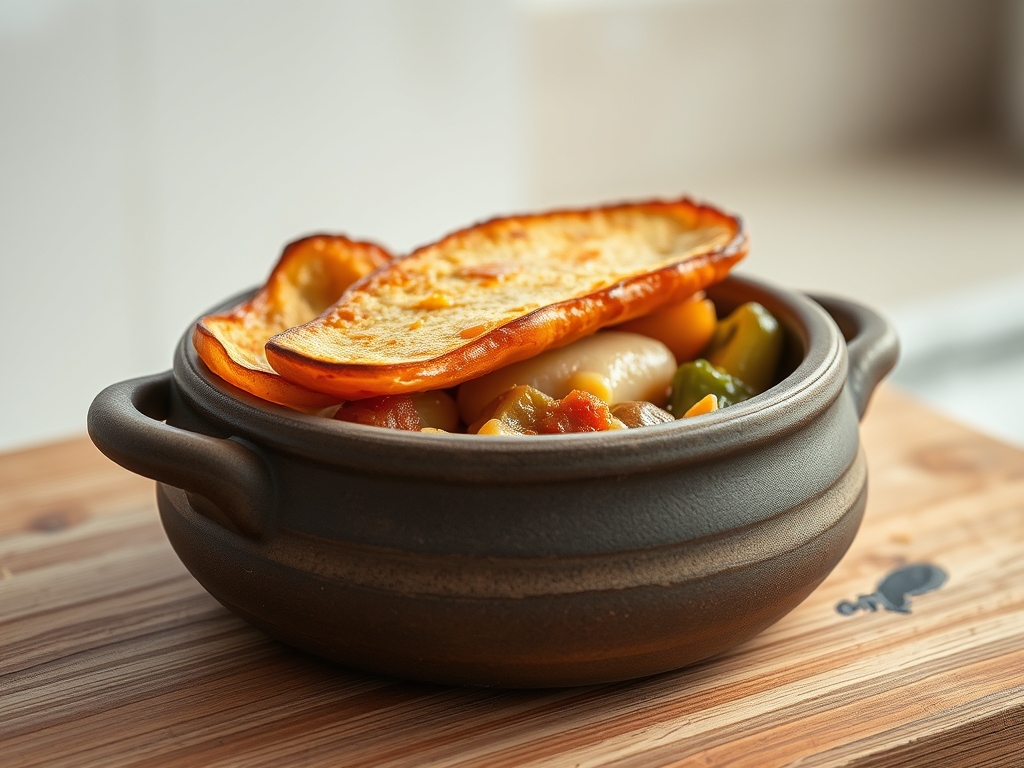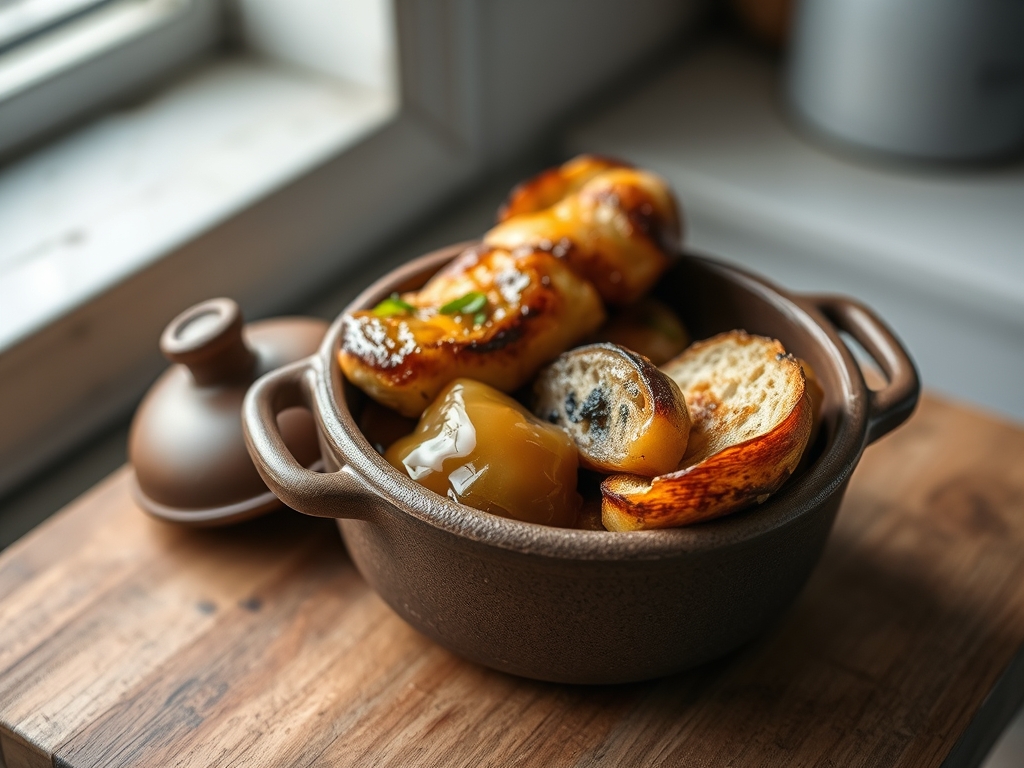
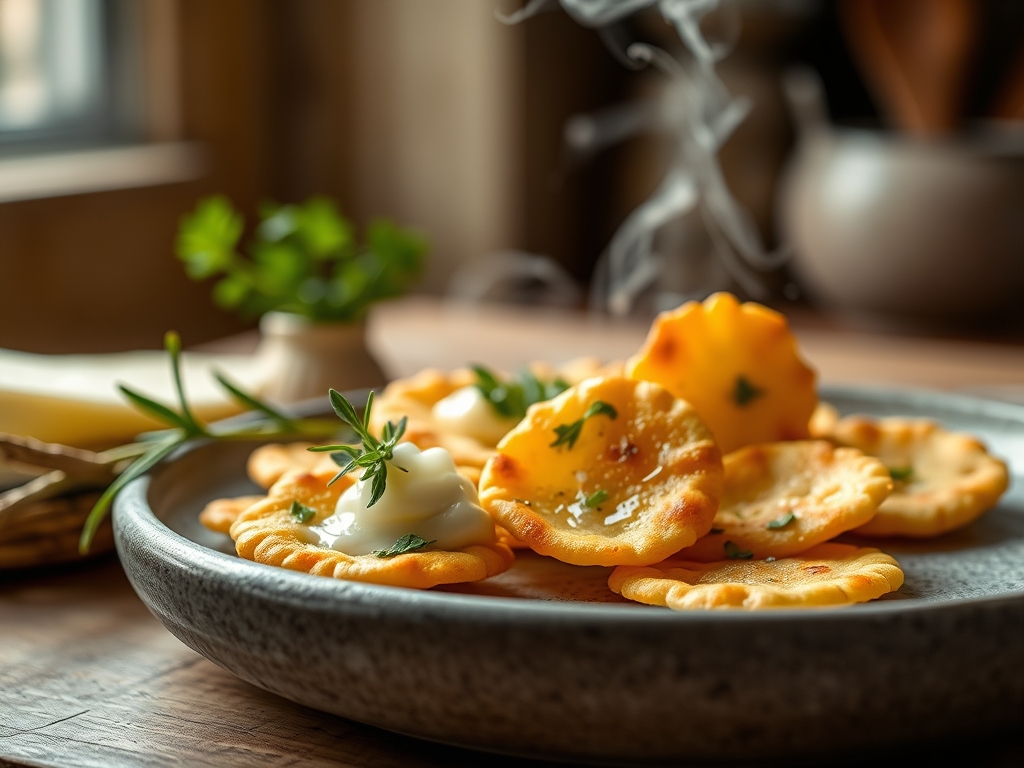
Imagine the structural collapse of a mediocre snack; it shatters into a dusty, flavorless oblivion that leaves your palate yearning for substance. We are not here for the fragile or the airy. We are here to engineer the perfect crunch through the rigorous application of Cheese Cracker Density. This is the architectural fusion of aged lipids and gelatinized starches. When you bite into a properly extruded dough, the resistance should be intentional; it is a calculated pushback against the incisors followed by a rhythmic release of salt and sharp cheddar. We are manipulating the protein matrix of the cheese and the amylopectin in the flour to create a reinforced lattice. This is culinary infrastructure at its most visceral level. The smell of browning butter and toasted enzymes should fill your workspace like a fragrant industrial byproduct. If your crackers feel like puffed air, you have failed the structural integrity test. We are building a snack that demands respect, utilizing thermal energy to lock in a piquant profile that lingers long after the final swallow.
THE DATA MATRIX
| Metric | Specification |
|---|---|
| Prep Time | 20 Minutes |
| Execution Time | 15 Minutes |
| Yield | 60 Crackers |
| Complexity | 6 / 10 |
| Estimated Cost per Serving | $0.45 |
THE GATHERS
Ingredient Protocol:
- 225g / 2 cups Extra Sharp Cheddar (Finely Grated)
- 125g / 1 cup All-Purpose Flour
- 55g / 4 tbsp Unsalted Butter (Chilled and Cubed)
- 2g / 1/2 tsp Fine Sea Salt
- 1g / 1/4 tsp Smoked Paprika
- 30ml / 2 tbsp Ice Cold Water
Section A: Ingredient Quality Audit:
The primary failure point in this assembly is the moisture content of the cheese. Pre-shredded varieties are coated in cellulose to prevent clumping; this additive is a structural saboteur that ruins your Cheese Cracker Density by introducing a gritty, non-binding barrier. Always grate your own block from a high-quality, aged source. If your butter is too warm, it will emulsify into the flour rather than creating the distinct layers needed for a crisp snap. The solution is a rapid chill; if the fat feels soft, return it to the freezer for ten minutes before proceeding. If your flour is clumped, use a fine-mesh sieve to aerate the dry components, ensuring a homogenous distribution of the piquant spices.
THE MASTERCLASS
Step-by-Step Execution:
1. The Dry Integration
Combine your flour, salt, and paprika in a high-speed food processor or a stainless steel mixing bowl. Pulse or whisk until the color is uniform. This ensures that the structural foundation is seasoned to the core.
Pro Tip: Use a digital scale for these measurements. Volumetric units like cups are notoriously unreliable for flour; weight-based precision is the only way to guarantee consistent Cheese Cracker Density across multiple batches.
2. The Lipid Laminate
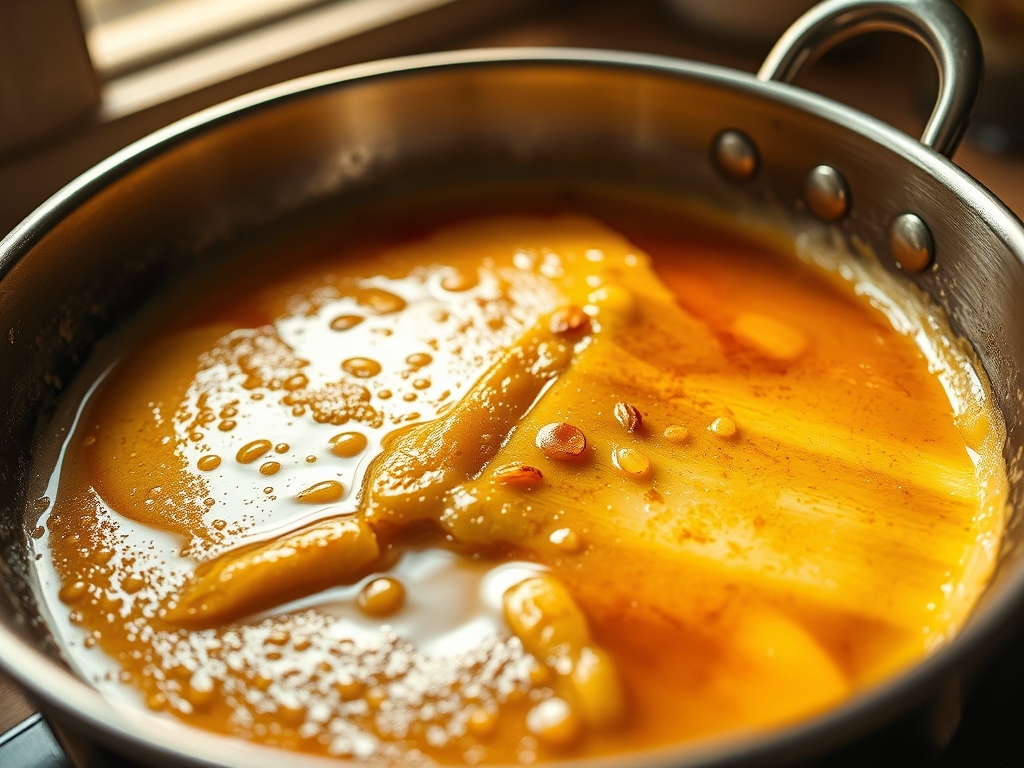
Add the chilled butter cubes to the dry mixture. Pulse until the texture resembles coarse sand with a few pea-sized lumps remaining. You are looking to coat the starch particles in fat without fully melting them.
Pro Tip: If working by hand, use a pastry cutter or two knives. Avoid using your palms, as body heat will render the butter prematurely and turn your crisp cracker into a greasy biscuit.
3. The Protein Binding
Incorporate the finely grated cheddar. Pulse again until the cheese is evenly distributed. Slowly drip the ice water into the processor while it runs until the dough just begins to clump together into a cohesive mass.
Pro Tip: Use a silicone spatula to scrape the sides of the bowl. You want a viscous dough that holds its shape when squeezed but does not stick to your fingers.
4. The Extrusion and Chilling
Turn the dough onto a clean surface and use a bench scraper to fold it over itself twice. Wrap it tightly in plastic and refrigerate for at least thirty minutes. This allows the gluten to relax and the moisture to hydrate the starch evenly.
Pro Tip: Proper chilling is the secret to a clean cut. A firm dough allows for sharper edges, which prevents the edges from burning before the center is fully dehydrated.
5. The Thermal Transformation
Roll the dough to a thickness of 3mm. Use a fluted pastry wheel or a sharp knife to cut into squares. Dock the center of each cracker with a toothpick to allow steam to escape. Bake at 175C / 350F for 12 to 15 minutes.
Pro Tip: Utilize a heavy-gauge baking sheet lined with parchment. This ensures even heat distribution and prevents the bottom of the crackers from scorching while the tops reach a golden hue.
Section B: Prep & Timing Fault-Lines:
The most common human error is over-working the dough during the binding phase. Excessive handling develops too much gluten, transforming your structural masterpiece into a rubbery puck. If the dough feels elastic or bounces back when rolled, stop immediately and let it rest in the fridge for an additional twenty minutes. Timing is also critical during the bake; a thirty-second window is the difference between toasted perfection and carbonized waste. Use a kitchen timer and start checking the oven at the ten-minute mark.
THE VISUAL SPECTRUM
Section C: Thermal & Visual Troubleshooting:
Referencing the Masterclass photo, your crackers should exhibit a vibrant, sunset-orange hue with micro-blisters on the surface. If the crackers appear dull or pale, you likely under-baked them or used a low-fat cheese substitute. Uneven browning is a sign of inconsistent rolling; if one side is thin, it will darken before the rest of the batch is set. If the crackers lack the docked hole in the center, they may puff up like pillows, destroying the intended Cheese Cracker Density. The edges should be slightly darker than the center, indicating a successful Maillard reaction that provides a deep, toasted flavor profile.
THE DEEP DIVE
Macro Nutrition Profile
Each serving (approx. 10 crackers) contains roughly 180 calories, 12g of fat, 14g of carbohydrates, and 6g of protein. The high protein-to-carb ratio is a direct result of the heavy cheese integration, making this a more satiating snack than commercial alternatives.
Dietary Swaps
- Vegan: Substitute the cheddar with a high-quality cashew-based fermented cheese and use a plant-based butter block with high saturated fat content.
- Keto: Replace the all-purpose flour with a blend of almond flour and xanthan gum to maintain structural integrity without the glycemic load.
- GF: Use a 1:1 gluten-free flour blend containing potato starch to mimic the snap of wheat-based dough.
Meal Prep & Reheating Science
To maintain the molecular structure over time, store these in an airtight glass container with a desiccant pack if possible. If they lose their snap due to humidity, a quick three-minute flash in a 150C / 300F oven will re-dehydrate the starch lattice and restore the original Cheese Cracker Density.
THE KITCHEN TABLE
Why are my crackers soft in the middle?
This indicates insufficient dehydration. You likely rolled the dough too thick or pulled them from the oven too early. Ensure they are a uniform 3mm and allow them to cool completely on a wire rack to lock in the crispness.
Can I add herbs like rosemary or thyme?
Absolutely. To infuse the dough, finely mince the herbs and add them during the dry integration phase. This ensures the aromatics are trapped within the fat-starch matrix, releasing their scent only when the cracker is shattered.
What is the best cheese for maximum flavor?
An aged, sharp white cheddar provides the best chemical profile. The aging process breaks down proteins into savory amino acids, which enhances the piquant nature of the final product without adding excess moisture that ruins the texture.
My dough is crumbly and won't hold together. Help!
Your dough is dehydrated. Add ice water one teaspoon at a time and pulse. The goal is a dough that barely clings together; too much water will lead to a tough, leathery cracker instead of a crisp one.